
Ever wonder how a small rule change can shake the market by almost 15% in just one week? Investing in new markets sounds fun, but there’s a lot more on the line than just growth potential.
Countries like China, India, and Brazil are shifting from farming to industry. However, political changes, economic ups and downs, and wild swings in currency can bring real risks to your portfolio.
This article breaks down these challenges and shares smart insights to help you decide if the rewards outweigh the dangers. Have you ever felt the thrill of spotting a chance that could change everything?
Major Risk Factors for Investments in Emerging Markets

Emerging markets are countries in transition. They are moving from mostly farming to building industries, and incomes are still growing. Think of places like China, India, Brazil, Russia, and South Africa. These countries have busy factories and a growing middle class, which attracts money from abroad. Have you heard that in one developing region, a tiny change in government rules led to a nearly 15% swing in the market in one week? It shows just how fast things can change.
Political risk is a big worry here. New or sudden changes in rules can drop the value of stocks very fast. Economic ups and downs matter too. For example, if global commodity prices shift a lot or a country depends too much on one export, growth can be choppy, leaving investors guessing.
Currency swings add another layer of risk. Many emerging-market currencies can move sharply because of changes in how money flows or new government moves. This volatility can lower returns when you exchange currencies. Lastly, think about the overall system. These nations often have simpler financial setups and rules, which means there might be more chances of defaults or sudden stops in trading.
| Risk Category | Description |
|---|---|
| Political | Uncertain policies and quick regulatory changes |
| Economic | Unsteady growth and reliance on few sectors |
| Currency | Big swings in exchange rates affecting profits |
| Systemic | Less developed financial systems and rules |
Each point reminds us that emerging markets can offer high growth, but they also come with challenges that need careful watching.
Political and Geopolitical Risks in Emerging Markets

Emerging markets can be full of surprises. Governments might change rules or policies very quickly, which can cause asset prices to shift almost overnight. Sometimes, unexpected leadership changes or ongoing corruption mean that investors find themselves caught off guard. For example, a sudden leadership shift in a big market led to an unexpected overhaul of regulations, and stock values tumbled quickly, leaving investors scrambling to adjust. Have you ever experienced something sudden and unexpected like that?
Then there are geopolitical issues that add another layer of uncertainty. Disagreements over trade, sanctions, or even tensions along borders can make money leave a market in a hurry, forcing investors to reassess asset values rapidly. This kind of pressure can leave portfolios exposed to risks that are hard to manage. It’s a bit like noticing that one small change can impact the whole picture.
Political changes, such as elections, coups, or big reform announcements, can sometimes lead to quick losses if they catch everyone off guard. To stay prepared, investors often use specific risk measures and detailed scenario planning to better understand these shifts. These tools work like a guide, helping to untangle complex political climates and making it easier to make smart decisions during volatile times.
Keeping a close watch on political developments means investors are better equipped to handle uncertainty. By staying informed of the latest changes, they can fine-tune their strategies as the political landscape shifts, making it possible to navigate turbulent times with a bit more confidence.
Economic Vulnerabilities and Financial System Instability

Emerging markets often struggle with issues that shake investor trust. In many growing countries, banks and credit markets are still developing. Think of a tiny bank with very limited funds trying to handle a sudden rush of customers – it clearly shows how stretched their resources can be.
The risk of economic trouble grows even more when a country's income relies heavily on a single export or commodity. Imagine if the global demand for that product suddenly drops; the economy could suffer a big setback, just like an unexpected rainstorm on a sunny day.
High national debts and deep-rooted problems can worsen these risks, turning minor issues into ongoing challenges. Investors must keep a close eye on these warning signs to protect their investments in developing markets effectively.
Currency Fluctuation and Inflation Instability Risks

In emerging markets, currencies can quickly swing by 10 to 20 percent because of changes in capital flow or shifts in government policy. Imagine a market where the currency falls by 15 percent in just a few weeks. It really shows how fast gains from foreign investments can vanish.
When this kind of volatility happens, investors have to watch the risk closely. They need to think about how a quick drop in value could lower their overall returns.
Unpredictable inflation is another worry. When prices suddenly rise, central banks often jump in to raise interest rates, which can slow down growth at home. That means the true value of returns might drop, so keeping an eye on inflation trends is crucial.
To guard their portfolios, many investors use strategies like forward contracts, options, or local-currency debt. These hedging tools help balance out the risks in emerging markets. Even small tweaks in these strategies can make a big difference.
By staying alert and adjusting their approach, investors can better handle the ups and downs of fast-changing markets.
Market Volatility and Liquidity Challenges

In many emerging markets, price swings can feel like a wild ride. Stocks and bonds might shift by 20 to 30% in just one year. This kind of movement can surprise even the savviest investor. Imagine seeing your portfolio drop by 25% in a few short months. It’s a clear reminder that market conditions can change in the blink of an eye.
When stress hits the market, trading slows down because fewer people are buying and selling. This limited activity makes it hard to get the best deal, much like trying to snag tickets for a hot concert with a tiny release. And during big global events that make everyone nervous, assets that aren’t easy to sell can lose value fast because there aren’t enough buyers to keep prices steady.
To guard against these sharp moves, many investors build in some safety measures. One popular strategy is setting stop-loss orders, which automatically sell assets if their prices fall too much – kind of like using a safety net. Others might add volatility overlays or use derivative hedges to help keep their portfolios steadier.
- Stop-loss orders provide a built-in safety cushion when prices drop quickly.
- Volatility overlays help balance out some of the uncertainty.
- Derivative hedges act as extra protection against sudden market shifts.
Legal, Regulatory and Compliance Risks

Investing in emerging markets can be a real challenge because rules often change and legal systems aren't the same everywhere. Sometimes, property rights aren’t well protected, and investment safeguards might not be enforced evenly. Imagine a situation where overnight the government changes who can own what, it could catch investors off guard.
Frequent rule updates, like switching reporting standards or adding new compliance requirements, can create a lot of uncertainty. It’s a bit like trying to finish a puzzle when some pieces are missing. Investors often have to work with local lawyers and keep a close watch on rule changes to catch any shifts early on. Regular legal check-ups and ongoing reviews can help manage hidden risks and keep extra costs down.
- Keeping a close eye on legal changes helps spot potential issues early.
- Regular reviews of compliance practices can protect investments from sudden rule changes.
- Local legal advice offers key insights into unstable legal environments.
By staying alert to these legal and regulatory factors, investors can shape strategies that protect their portfolios, even when the rules keep changing.
Comparing Emerging vs. Frontier Markets: A Risk Profile Analysis
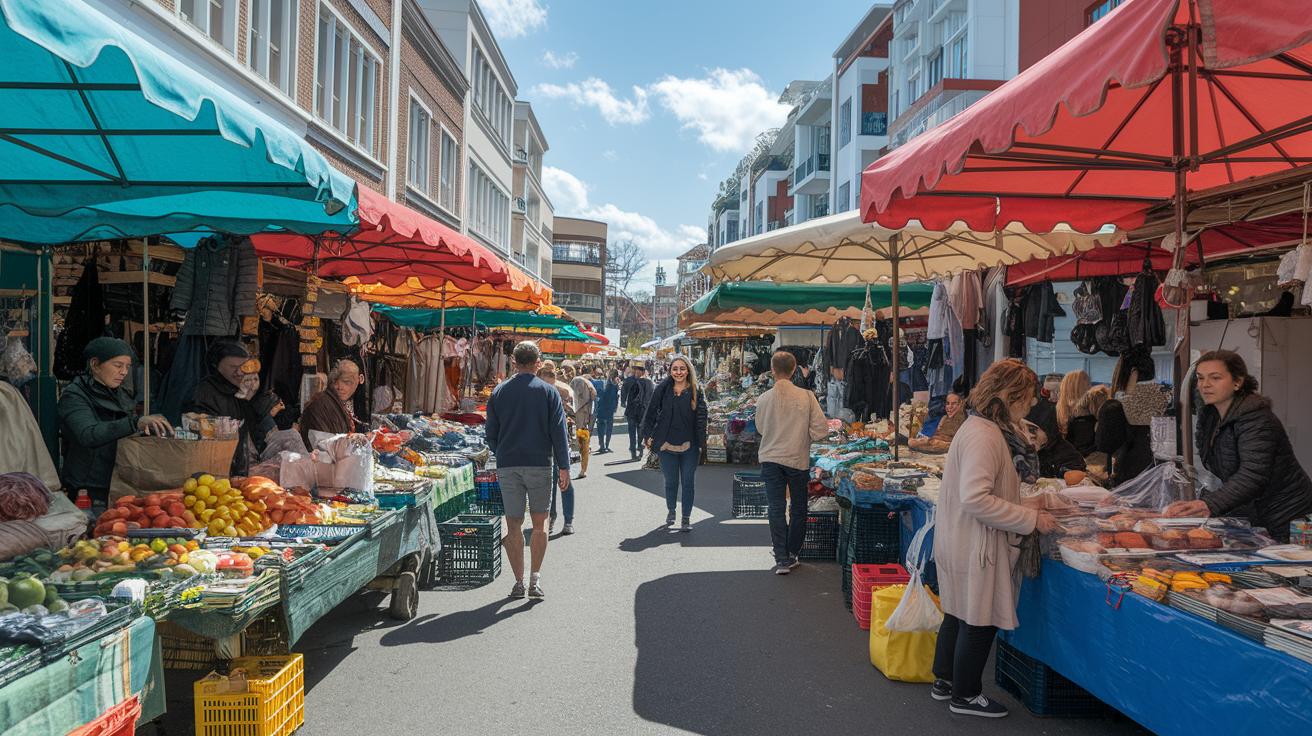
Emerging markets usually have more developed capital markets and clearer rules compared to frontier markets. But they are not without their risks. For example, an emerging market might offer easier access to cash, known as liquidity, and a larger group of investors. In contrast, frontier markets often have less liquidity, weaker legal protections, and a smaller investor crowd. Think of it like comparing a bustling marketplace filled with vendors to a small, quiet rural fair – the busy market tends to be more dependable and offers more choices.
Investors often use simple tools like credit ratings, debt-to-GDP comparisons (which show a country’s debt compared to its economic output), and checks on overall economic stability to gauge these risks. In plain terms, these tools help us understand if a country's own policies or outside pressures might slow its growth. Even though emerging markets have stronger rules that help lower some uncertainty, they can still face problems from political changes or shifts in economic policies. On the flip side, frontier markets may seem riskier because of their less strict oversight and management.
Tools like country-specific risk ratings and clear financial numbers are key when deciding where to invest. Investors consider factors such as market size, strength of legal systems, and the quality of financial infrastructure. This careful weighing ensures that each investment matches their comfort with risk and the returns they hope to achieve.
Strategies for Mitigating Risks in Emerging Market Investments

When you invest in emerging markets, it helps to spread your money across different regions and industries. This way you aren’t stuck with problems in one country or sector. Think of it like not putting all your eggs in one basket. For example, an investor might put some money into Latin America's manufacturing scene and some in Southeast Asia’s tech market to balance both risk and reward.
A smart way to keep risks in check is to diversify your investments. Mixing different asset types and sectors means that if one area takes a hit, say due to a sudden political change, your overall portfolio can still hold firm. It’s like having a safety net when a storm unexpectedly rolls in.
Timing also matters when entering new markets. If there’s a period after political reforms or during stable election cycles, the market environment can be a bit more predictable. An investor might wait for those calm moments, such as after significant policy shifts, before increasing their investment.
Using portfolio protection methods like currency hedges, equity derivatives, or stop-loss orders can shield you when things go south. These tools help manage your downsides if the market takes a bad turn. Along with keeping a close watch on political and economic changes, regularly reviewing your strategy means you can spot and tackle any warning signs early on.
Final Words
In the action of emerging market opportunities, we've seen how political shifts, economic uncertainty, and currency swings can impact portfolios. The post walked through these aspects along with market volatility, legal challenges, and liquidity issues. It also offered practical steps like diversification, hedging, and tactical timing to manage the risks of investing in emerging markets. With careful planning and ongoing review, smart investing doesn't just protect, it sets the stage for brighter, secure financial prospects.