
Ever wonder how prices for oil, wheat, or metals are set for the future, even when today’s market seems so unpredictable? Futures contracts play a big role in figuring it all out.
Think of it like making a sandwich. You start with the current price, then add extra layers such as storage fees and interest until you get to the final deal.
In simple terms, these agreements connect what we see today with what we expect tomorrow and help manage risk along the way.
Core Role of Futures Contracts in Commodity Pricing
Futures contracts are simple agreements that set the price and date for buying or selling items like crude oil, wheat, or metals in the future. They work on a model that starts with today’s market price and adds extra costs like storage, insurance, and interest until the deal is complete. Four main parts help decide a contract’s fair value: the current market price, the interest rates, storage costs, and how long the contract lasts.
When the current market price changes, it directly affects the value of these contracts. Think of it like making a sandwich: you start with the fresh bread (the market price), layer in the costs (like storage and interest), and finish with the contract’s end date, which ties everything together perfectly.
People who take part in the market use these contracts in two main ways. Some use them to protect against price swings, while others bet on how prices will move in the future. They also use careful analysis and solid market data to spot trends, like watching the steady pulse of market activity. By locking in a price today, traders manage risk and send strong signals about what they expect in the future. In truth, futures contracts bridge the gap between today’s market conditions and tomorrow’s supply and demand, keeping everyone more confident about the road ahead.
Price Discovery Mechanisms Through Futures Contract Structures

Futures contracts help show how prices are formed in the market. Two common setups in these contracts are contango and backwardation. Contango happens when futures prices are higher than today’s price because of extra costs like storage or financing. Backwardation is when futures cost less, often due to shifts in supply and demand. This idea comes from the cost-of-carry model, where you start with the current price and add all the extra costs until the contract ends. When there is active trading and plenty of liquidity, the gap between buying and selling prices narrows, giving clearer price signals.
Today’s electronic trading platforms and fast data systems give real-time insights that traders use to sharpen their views. For instance, a trader might use calendar spreads, comparing prices of contracts that end soon with those that end later, to see emerging trends.
For example:
- Calendar spreads can reveal how supply and demand change with the seasons.
- Inter-commodity spreads help compare similar assets that face different market pressures.
Analytical tools like a quantitative analysis framework offer a clear way to study liquidity flows and spread behaviors. By combining smart contract design, active trading, and these spread techniques, traders build a solid base for finding accurate prices. Plus, fast transaction data lets them quickly adjust their strategies to keep up with the market’s changing values.
Hedging and Risk Management Roles of Futures in Commodity Pricing
Producers, processors, and even consumers use futures contracts to fix prices in advance and protect themselves from sudden market swings. Think of it like reserving your favorite booth at a busy local diner, locking in a price now helps shield against unexpected changes later.
Participants must meet an initial margin requirement, usually between 3% and 12% of the contract’s total value, as a kind of promise to follow through. There’s also a maintenance margin that adjusts throughout the day as the market moves. Short hedges act as a safety net for producers when prices fall, while long hedges help consumers keep rising costs in check. This practical strategy smooths out price bumps without depending solely on spot market trades.
Central clearinghouses play a big role too. They lower the risk tied to any single party by ensuring that every trade doesn’t rely too much on one credit rating. Traders often lean on various risk management techniques, which make their approach both tough and flexible. For instance, a processor expecting higher costs might choose a long hedge that lines up the flow of physical goods with financial protection.
All these methods work together to keep prices more stable by matching financial tactics with real market conditions. They help traders enjoy steadier cash flows while softening the blow of volatile price swings. In short, trading futures is a dependable way to balance risk, making commodity markets safer and more predictable.
Speculation and Its Impact on Commodity Prices via Futures Markets
Speculative traders take on price risk, hoping to earn a profit from the ups and downs of commodity values. They help the market work better by boosting liquidity (which means making it easier to buy and sell) and by keeping the gap between buying and selling prices small. This makes price shifts easier to notice.
For example, when traders bet on problems like supply disruptions or sudden changes in economic data, their moves can steer futures prices in a direction that’s different from what you’d see in the physical market. It’s a bit like tweaking a recipe, just a small change in expectations can completely alter the flavor.
Global events also have a big say. A sudden announcement about political unrest or a supply hiccup can send traders into a quick frenzy, pushing prices up or down fast, even if the basic details in the spot market stay the same. Traders then look for chances to balance the differences between the spot market and futures contracts, much like finding a sale at your favorite store and grabbing it quickly.
Even so, when a lot of speculative activity happens at once, it can lead to short bursts of price swings. These quick moves might temporarily separate futures prices from what’s really going on in the actual commodity market.
- Arbitrage is like spotting a discount at your local store and seizing the deal.
- Speculative moves can add a bit of risk, but they also help clear up the overall market mood.
Linking Spot and Futures: Supply and Demand Dynamics in Commodity Pricing
Futures prices often reflect what traders expect regarding supply and demand. Think of it like this: the cost-of-carry model starts with today’s price and then adds in storage and insurance fees. For example, if storage costs climb during a busy season, futures prices tend to go up too. Seasonal factors, such as winter heating or the harvest period, can push demand higher or lower and hint at whether supply will tighten or grow.
Trader feelings also help shape these price signals. Indicators like open interest show us when buyers are really active. For instance, if we see open interest rising in peak season, it usually means buyers are eager, which might mean there’s less supply available. Tools like market sentiment trends analysis capture these signals in real time, giving traders a closer look at the mood of the market.
Bilateral trading agreements add another layer of clarity by ensuring both parties are on the same page about pricing. When buyers and sellers agree on a number, it makes the link between futures and spot prices much stronger, so futures contracts turn into a trustworthy indicator of what’s really happening in the market.
Contango, Backwardation, and Calendar Effects in Commodity Futures Pricing

Contango happens when costs like storage and financing push futures prices above the current spot price. Backwardation is the flip side, where a shortage in the near term makes the spot price higher than the future price. Traders look at these price patterns, or yield curves, to get a feel for market trends.
A calendar spread means buying a near-month contract and selling a far-month one. This method lets traders profit from the differences in pricing. One trader once shared, "I noticed a sharp change in the spreads that hinted at rising seasonal storage costs, so I adjusted my calendar positions."
By studying past pricing trends, we can see changes in demand and storage costs. Energy markets often show contango because of regular carrying expenses. Meanwhile, agricultural markets shift with harvest seasons. Mixing calendar spread techniques with yield-curve analysis gives traders a practical way to track cost changes and plan their next moves.
Commodity-Specific Futures Examples: Agriculture, Energy, Metals, and Livestock
When you look at agriculture futures, it’s a clear reminder that contract details really steer cash-market prices. Take corn futures quoted at 481.25, for example – that means each bushel is priced at $4.8125. With a standard contract covering 5,000 bushels, the total value hits about $24,062.50. Trades break into two sessions, one kicking off at 7:00 PM and the other at 8:30 AM Central Time. It’s as if a farmer locks in a deal for 5,000 bushels, making it easier to budget during a season that can be as unpredictable as the weather.
In the energy world, West Texas Intermediate (WTI) crude is offered in standard, mini, and even micro sizes. Every slight one-point move in these contracts can ripple through, affecting everything from gasoline to heating bills. It’s kind of like dropping a pebble into a pond, a small shift in oil prices sends out waves that change the economic picture in a big way.
Switching gears to metals, copper futures serve as another striking example. Imagine a copper contract that spans 25,000 pounds, here, a one-point movement means the contract’s value changes by $25,000. With a tiny tick size of 0.0005, each tick adjusts the price by $12.50. These numbers really show how sensitive metals are and why every tiny fluctuation matters during trading.
Then there’s livestock futures, which have their own special twist. For instance, lean hogs quoted at 95.350 translate to roughly $0.9535 a pound. Multiply that by a 40,000-pound contract, and you’re looking at a total of about $38,140. Even the smallest price changes here can have a big impact on businesses that count on regular meat production cash flows.
- Agriculture: Corn at 481.25 means $4.8125 per bushel with a contract size of 5,000 bushels.
- Energy: WTI crude comes in various sizes, making small price moves trigger significant changes.
- Metals: A 25,000-pound copper contract shifts $25,000 with each one-point move.
- Livestock: Lean hogs at 95.350 produce a contract value of around $38,140.
Exchange Framework and Regulatory Oversight in Commodity Futures Pricing
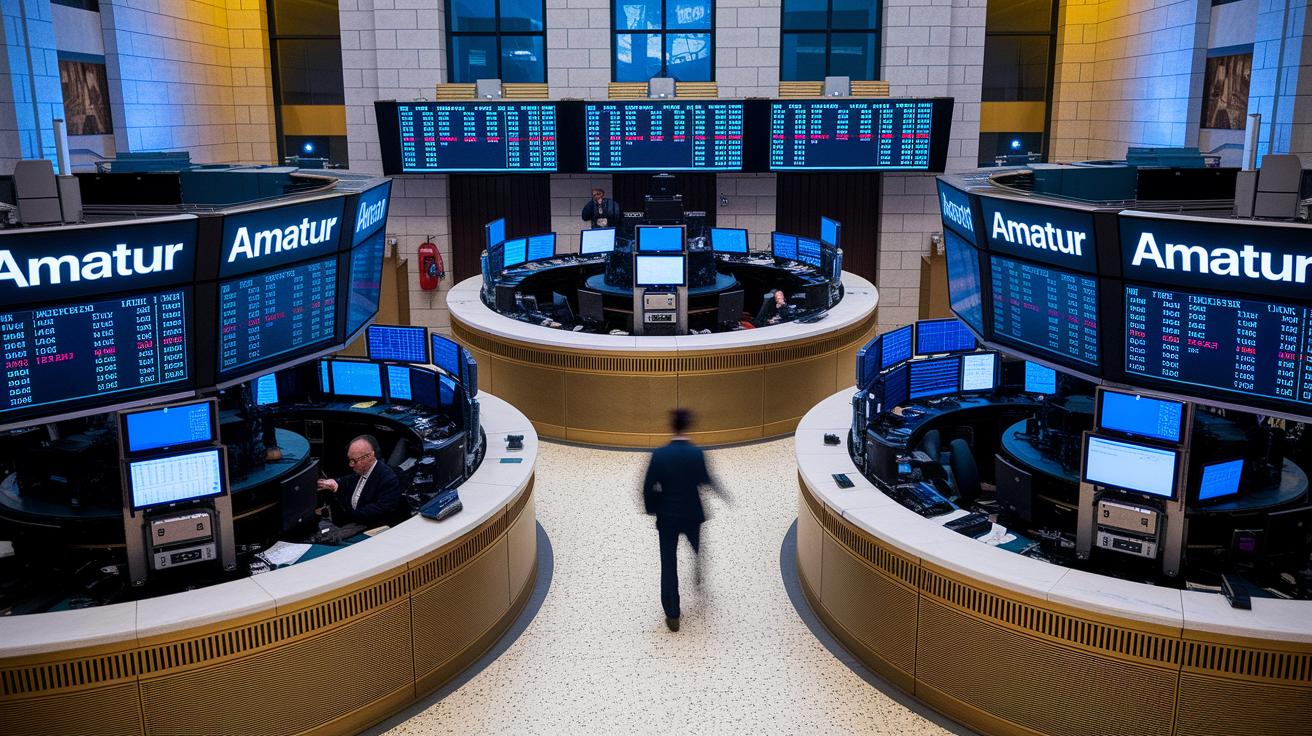
Modern futures trading began in 1848 on the Chicago Board of Trade, marking a real turning point for commodity trading. It set up a world where contracts were made standard and easy to trade. Over time, exchanges have put new rules in place, such as limits on positions and detailed reporting, all designed to keep the playing field fair. Regulators like the CFTC team up with exchanges to make sure no one messes with market fairness.
Today, central clearinghouses act as trusted middlemen. They work with margin systems to ensure that everyone involved in a trade sticks to their promise. In practice, this means every contract is backed by a solid commitment, giving traders a boost of confidence. When trading shifted from rowdy open-outcry pits to smooth electronic platforms, it sped up the process and made everything more open. For example, exchanges now clearly spell out contract details like delivery spots and quality standards. Such guidance helps keep prices consistent and minimizes mistakes.
- Trading limits set by regulators.
- Detailed contract reporting to maintain fair practices.
- Clear specifications that every exchange follows.
Together, these measures protect traders and keep the market stable, ensuring that commodity futures pricing remains both reliable and transparent.
Final Words
In the action, our discussion walked through the mechanics behind how futures contracts shape commodity pricing. We explored the cost-of-carry model, hedging for risk management, spread dynamics, and the impact of speculation on market signals. This quick look at market forces highlights the crucial role of futures contracts in commodity pricing. Smart strategies empower investors to manage risk, stay informed, and secure their investments. It leaves us feeling upbeat about the opportunities ahead and confident in our path to sound financial decisions.
FAQ
What is the role of futures contracts in commodity pricing?
The role of futures contracts in commodity pricing is to set predetermined prices and dates for buying or selling. They aid in price discovery, risk management, and signal market expectations.
How are futures contract prices determined?
The pricing of futures contracts is determined by starting with the current spot price and adding costs such as storage, insurance, and interest. This model establishes the contract’s fair market value.
What key features define a futures contract in commodity trading?
A futures contract is a standardized agreement with set terms like contract size, expiration date, and tick value. These features ensure uniformity and reliable price signals in commodity markets.
Do futures contracts affect commodity prices?
Futures contracts affect commodity prices by linking market expectations with physical trading levels. Shifts in spot prices directly influence futures valuations, thereby impacting overall market pricing signals.
What does the futures price show about a commodity?
The futures price shows market expectations regarding supply and demand while incorporating carrying costs. It often indicates market conditions, such as whether prices are in contango or backwardation.