
Ever wonder how a few countries can influence oil prices all over the world? OPEC, a group that controls almost half of the world’s oil and holds a huge reserve, plays a big role. They meet regularly to adjust oil production, kind of like turning a tap to control how water flows. Even a small change by them can alter the price you see at your local gas station.
In this article, we’ll chat about how these decisions spread their effects far and wide, shaping the prices you pay every day.
How OPEC Sets Production Quotas to Influence Oil Prices
OPEC+ controls almost half of the world's oil production and holds about 70% of the known oil reserves. This gives the group a lot of power over oil prices. They meet regularly to decide how much oil to produce. For instance, on July 31, 2023, they agreed to cut production by 2.2 million barrels per day. This decision was meant to curb oversupply and help raise oil prices.
Think of it like adjusting a tap. When you want a steady stream of water, you turn the knob to slow things down. That’s exactly what OPEC+ does, they fine-tune production to keep the market balanced. Sometimes, even a small change can send shockwaves through global markets, much like a sudden gust of wind shifting a quiet day.
At these meetings, they look at factors like global demand, spare production capacity, and even how new energy sources might affect the game. Every small adjustment sends ripples far and wide, from the prices at your local gas station to the overall economic outlook.
In short, this method of controlling supply is a powerful tool. Every call made at these meetings has a clear, immediate impact, showing just how vital OPEC+ is in steering today’s oil market.
Historical Evolution of OPEC’s Oil Pricing Strategies

OPEC began as a small group of five nations focused on keeping a close watch over oil production. Over time, they grew and changed to meet new market needs. By mid-2023, what started as a modest team evolved into the larger OPEC+ coalition, now made up of 22 key oil producers. This expanded group brought together core OPEC members with non-OPEC allies like Russia, allowing them to make decisions on production quotas together and have a bigger say in oil pricing.
With more members on board, the group was able to act more decisively. When market conditions became uncertain, they worked together to adjust oil output in ways that helped balance the global supply. They would come together, review details like global demand trends and inventory levels, and then decide on clear actions that had a steady impact on prices.
This journey from a small five-nation arrangement to a diverse, multi-member coalition shows how economic realities can change a group’s strategy. Today, with unified decisions that keep the market stable in challenging times, OPEC+ holds a stronger influence over oil prices. It’s a reminder that even in a fluctuating market, coordinated efforts can help steer price trends and shape the global oil economy.
Supply–Demand Recalibration and Crude Fluctuation Patterns under OPEC Influence
When OPEC announces a new policy, you can almost feel the market react instantly. Traders quickly adjust their positions the moment new inventory data comes in, much like watching a live dashboard where even the tiniest change leads to a fast buy or sell move.
These rapid, minute-by-minute shifts mean that traders aren’t just thinking about the big picture, they’re tuning in to the smallest details right away. As soon as an official announcement drops, strategies are tweaked on the fly based on the fresh numbers.
At this micro level, every slight change in policy sends ripples through pricing. It shows how even a small hint from OPEC can turn into a key moment for decision-making, with traders watching every update to guide their next move.
Futures Contract Effects and Sentiment Analysis in OPEC’s Oil Price Influence
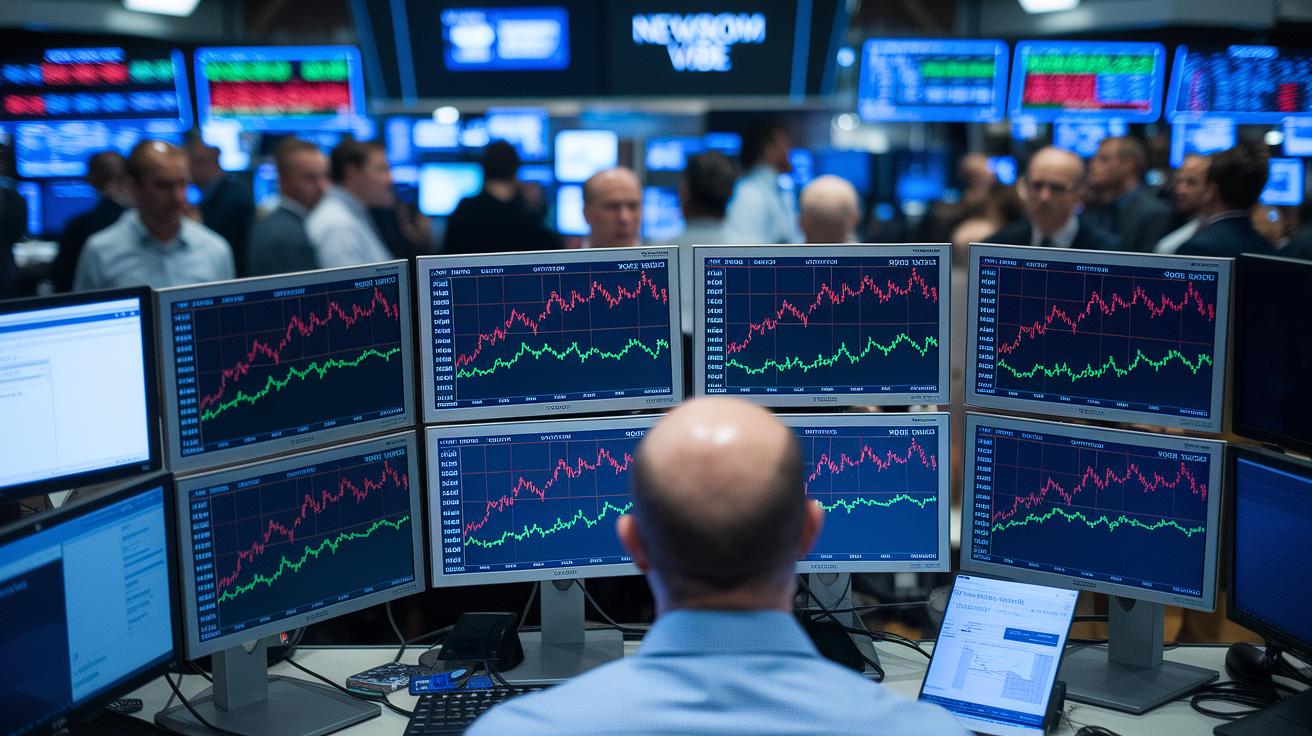
When OPEC makes its announcements, the futures markets on NYMEX and ICE react in a flash. Traders quickly spot shifts in trading volumes and prices as they try to make sense of OPEC’s latest policy moves. One trader even said, "I saw the numbers jump within minutes after a production cut was announced." It’s like watching a live sports game – the market moves fast once the news drops.
Sentiment analysis shows that traders often flip between a bullish mood and a bearish one depending on what they hear from OPEC. A clear production cut can spark optimism, leading many to expect higher prices and stronger demand. On the flip side, a decision to increase production tends to make investors a bit more cautious. It’s almost like athletes sizing each other up before making a move, where every reaction mirrors their personal take on the market.
OPEC’s coordinated signals usually come in before any real changes in oil supply occur. This early hint guides shifts on commodity exchanges and helps smooth out sudden market swings. Futures contracts respond vividly, showing just how much these initial reactions can set the stage for what comes next. Each sign from OPEC nudges investor sentiment and ripples through trading platforms, shaping expectations for future supply changes.
All these factors underline the connection between futures trading and the actual logistics of oil supply. Even before physical changes are made, the speculative moves on these contracts help shape future market trends. For instance, a mere 5% spike in futures can prompt investors to quickly rethink and adjust their portfolios, further fueling market sentiment.
Geopolitical Decision-Making and Global Trade Corridors under OPEC Influence
OPEC’s decisions on oil production shape the flow of global trade. When they adjust how much oil is pumped out, important shipping lanes such as the Strait of Hormuz and the Suez Canal feel the effects almost instantly. Think about it this way: when OPEC made a small cut in production, ships in the Strait of Hormuz had to rejig their schedules, causing slight delays and a brief spike in shipping costs. Even minor changes can ripple through the system and change transport expenses around the world.
This isn’t just about oil, it’s about the way our whole economic network thrives. When oil supply tightens, costs for moving goods tend to rise. On the flip side, if production increases, shipping fees can drop and the flow of trade becomes smoother. These shifts directly impact areas such as U.S. downstream markets, where fuel prices and the smooth running of supply chains depend on steady shipping flows. It’s almost like watching the pulse of a busy trading day in real time.
The influence of OPEC stretches far and wide in the global trade network. Market leaders keep a close eye on even the smallest tweaks because each decision can steer trade routes and change expenses in significant ways. It’s not simply numbers on a page, every quota decision sends out waves that can touch everything from local transportation costs to the price you pay at the gas pump.
| Corridor | OPEC Impact | Economic Outcome |
|---|---|---|
| Strait of Hormuz | Changes in transit volumes due to production cuts | Fluctuations in shipping fees and fuel prices |
| Suez Canal | Revised oil flows because of new quotas | Varying global transport costs |
| Bab el-Mandeb | Shifts in supply routes after policy changes | Altered regional trade stability |
| US Gulf Coast | Direct changes from quota adjustments | Immediate ripple effects on local market pricing |
Case Studies: Production Cut and Increase Events That Shifted Oil Prices
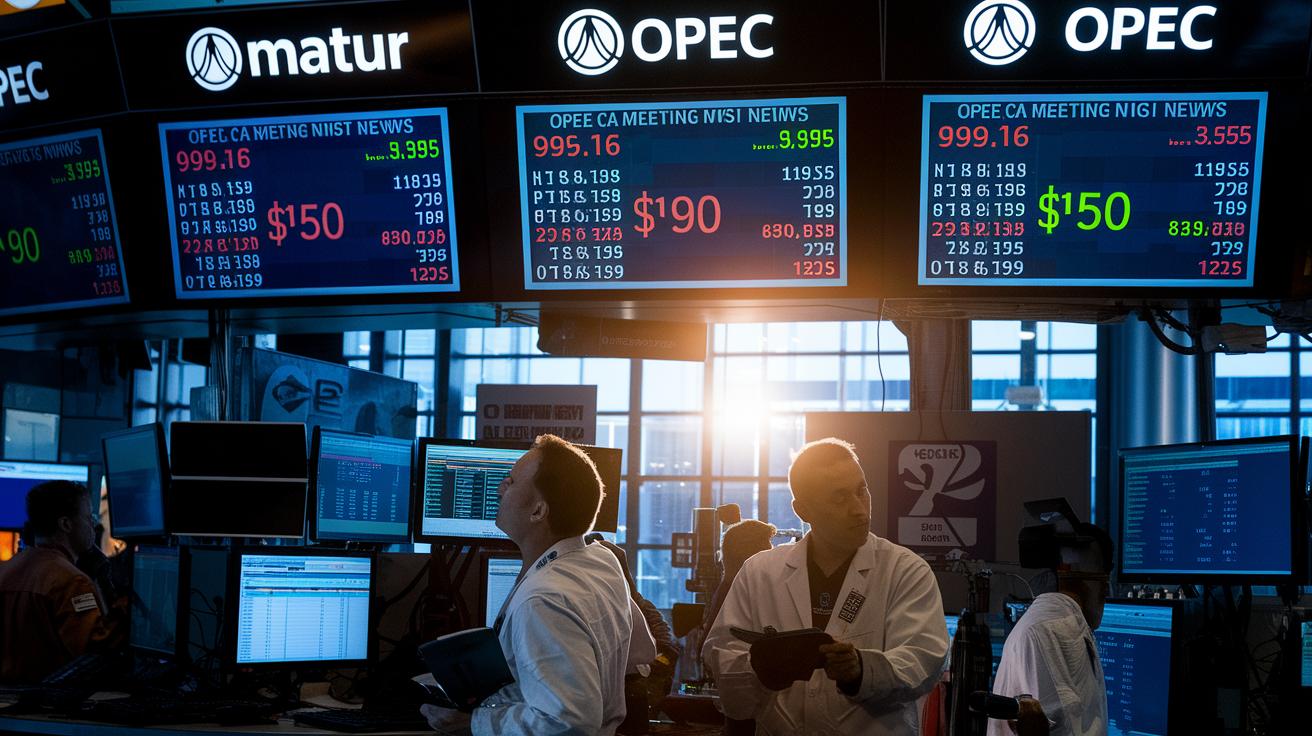
OPEC holds meetings that many people watch closely. Their decisions can quickly send oil prices soaring or plunging. For example, on July 31, 2023, OPEC+ cut production by 2.2 million barrels per day. This move pushed oil prices up by 5%. Many traders did not expect such a change, the jump took them by surprise and shows how a small tweak in production can lead to big price swings in just a few minutes.
These moves are part of a larger picture and help us understand market behavior. In 2022, extended production cuts totaling 5.8 million barrels per day helped stabilize the market after prices had dropped 15%. Then, back in 2018, when core members bumped up production, prices fell by 7% over three months. The link between production levels and how traders feel about the market is clear.
Below are five key OPEC events and their immediate impacts:
- July 31, 2023: Production cut by 2.2 million barrels per day; prices jumped 5%.
- During 2022: Extended production cuts of 5.8 million barrels per day helped the market recover from a 15% downturn.
- In 2018: An increase in production by main members led to a 7% drop in prices over three months.
- December 2015: A production cut of 1.0 million barrels per day raised prices by 3%.
- August 2017: A small increase in output caused prices to drop 2%.
Each of these events shows that decisions made in OPEC meetings are strong signals of how oil prices will move in global markets.
Long-Run Trend Forecasting and Future Scenario Analysis of OPEC’s Pricing Power
OPEC controls almost half of the world’s oil, and that makes its decisions really important when planning for the future. Analysts now blend OPEC’s policy moves into long-term price models, especially as the push for renewable energy grows. Imagine it like setting a compass for your financial journey, when OPEC hints at keeping things stable, it not only balances immediate supply but also lays down a roadmap for steady prices in the coming years.
OPEC+ meetings aren’t just about raw production numbers anymore. They’ve broadened the conversation to include how to keep markets steady and create a healthy investment climate. This shift is especially interesting as renewable energy becomes a bigger player globally. Experts are keeping an eye on these discussions because they help shape a balanced market, even as new technologies and cleaner energy options change how we use resources.
Looking ahead, more advanced long-term price models suggest that OPEC’s careful tweaks will continue to act as a key benchmark for future market trends. This ongoing influence helps guide investor confidence and shapes economic plans around the world in a very real, practical way.
Final Words
In the action, we explored how OPEC sets production quotas that directly shift global supply and price dynamics. We reviewed its evolution into a stronger coalition and saw how key meetings trigger immediate market ripple effects. Through examples and case studies, we understood the balance between supply changes, market sentiment, and geopolitical influence. Remember, understanding how does opec influence oil prices can help you make smart moves. Stay optimistic and keep watching the market’s steady pulse.
FAQ
Q: How does OPEC influence oil prices in the US, 2021, and 2022?
A: The influence of OPEC on oil prices means that by setting production quotas, they tighten supply worldwide, including in the US. Their decisions in 2021 and 2022 directly affected market price movements.
Q: Why did OPEC increase oil prices in 1973?
A: The increase in oil prices in 1973 was driven by OPEC cutting output to limit supply, which, amid geopolitical shifts, pushed prices higher and boosted member nations’ revenues.
Q: Is OPEC a cartel?
A: The term “cartel” fits OPEC because its member countries jointly decide on production limits to control oil prices, shaping global markets through their coordinated actions.
Q: What is meant by OPEC spare capacity and how is it distributed by country?
A: OPEC spare capacity refers to extra oil production members can quickly bring online. Different member nations hold varying amounts of this reserve, which buffers supply and helps stabilize market fluctuations.
Q: Who is in OPEC?
A: OPEC is made up of major oil-producing nations—such as Saudi Arabia, Iran, Iraq, and Kuwait—along with others that collectively influence oil markets through agreed production quotas.
Q: Who holds 80% of the world’s oil?
A: While no entity holds exactly 80% of the world’s oil, OPEC and its allies, often referred to as OPEC+, control a large share of proven reserves, giving them significant influence over oil markets.
Q: What method does OPEC use to raise the price of oil?
A: OPEC raises oil prices primarily by reducing production levels, which limits supply. This deliberate output cut puts upward pressure on prices as the market responds to tighter availability.
Q: Who really influences the price of oil?
A: The price of oil is influenced by a mix of factors including OPEC’s production decisions, global demand shifts, market sentiment, and geopolitical events, with multiple stakeholders playing key roles.