
Have you ever thought that a simple online form might jumpstart your financial future? Opening a trading account lets you buy and sell stocks, bonds, and more in just minutes. It’s a bit like choosing whether to make your own sandwich or picking one up from your favorite deli – each choice comes with its own perks.
Maybe you enjoy making your own decisions, or perhaps you like a little expert help along the way. Either option can work perfectly with your style. In this article, we chat about smart online trading options that fit the way you invest and help you get started with confidence.
Trading account: Smart Options for Online Success

A trading account is your gateway to investing with a brokerage firm. It lets you buy and sell stocks, bonds, and other assets with the aim of building financial security over time. Setting one up is pretty quick, usually under 15 minutes. You just fill out a simple online form with your name, address, Social Security number, and a government-issued ID, similar to when most adults get started with investing.
There are two main choices when it comes to trading accounts. With an online self-directed account, you make the decisions yourself, kind of like following a recipe you already know well. With a managed account, either a person or a robo-advisor steps in to guide your investments, much like a helpful friend who picks out the best ingredients for a meal. Keep in mind that both options are taxable, so any profit from selling assets might be subject to capital gains taxes. Unlike retirement accounts that have withdrawal limits and penalties, you can take money out of a trading account whenever you need it.
Many investors love these accounts for their flexibility and simple sign-up process. The best advice is to look closely at your own investing style and long-term goals before deciding which option fits you best.
Step-by-Step Guide to Opening a Trading Account Online

Getting started with an online trading account is easier than you might think, it usually takes less than 15 minutes. First, pick an account type that fits how you want to invest. You might choose a cash account if you want to use money from your bank, a margin account if you’re okay with borrowing funds for larger trades, or even a managed account where a pro or robo-advisor helps you out. Think of it like deciding between making your own sandwich at home or getting one from your favorite local deli, each choice has its perks.
Next, you’ll need to share some basic info like your full name, home address, Social Security number, and a government-issued ID. Picture filling out a simple form, enter your name, address, and ID details. It’s really straightforward.
After you’ve entered your info, many platforms verify your identity instantly, often through an email confirmation. This step reassures both you and your broker that your account is secure. Sometimes, you might even have the option to switch to a higher-level account. For example, choosing a margin account can unlock extra trading features, while a managed account offers personalized advice.
Here are some simple tips for setting up your trading account online:
| Tip | What to Do |
|---|---|
| Check Your Info | Review your personal details before you hit submit. |
| Stay Secure | Use a secure internet connection. |
| Follow Instructions | Stick to the platform’s steps during identity verification. |
| Plan Ahead | Think about your long-term investment goals when choosing an account. |
Following these steps helps make the process smooth and secure, setting you up for a smart and enjoyable online trading experience.
Demo and Paper Trading Accounts: Virtual Practice Platforms

A demo trading account lets you jump in and try out trades using pretend money in a setting that feels a lot like the real market. It’s like a safe playground where you can test your ideas without the fear of losing real cash. Have you ever wondered what it would be like to see price changes impact your portfolio without any risk? That’s exactly the experience here.
A paper trading account works in a similar way. Instead of moving real funds, you note down your trades on a paper or digital log and track your make-believe gains and losses. This method gives you a hands-on feel for how your trading decisions might play out in the real world. It’s a cool, risk-free way to understand market timing and adjust your strategy without any pressure.
Here’s what you can expect when using these virtual platforms:
- Demo Trading Account: Dive into simulated trades using fake funds.
- Paper Trading Account: Jot down and review your trades in a zero-risk setting.
- Virtual Trading Simulation: Get a taste of real market conditions to refine your strategy.
- Free Demo Access: Start trading without using any real money.
Trading Account Fee Structures and Minimum Balance Requirements

When you open a trading account, it's important to understand the fees and the minimum amount you need to get started. Most platforms charge a little fee every time you make a trade. Some even offer a simple monthly fee that lets you trade as much as you want.
There are different fee setups too. For instance, some brokers use what's called a spread, which is just a small gap between the buying and selling price. Others might reward you with lower fees if you trade a lot. It’s like shopping in bulk, you get a better price when you buy more.
Have you ever noticed how small fees can add up quickly? For example, buying 10 shares might seem harmless, but if you're active all day, those fees can stack up fast. On top of that, not every platform requires the same starting deposit. Some let you start with nothing at all, while others might need between $0 and $2,500 to unlock extra features.
If clear and upfront fee details matter to you, as they should, make sure to look for brokers that list every charge right away. Comparing these details can help you decide what fits best with your trading style and financial goals.
Funding and Secure Withdrawal Processes for Trading Accounts
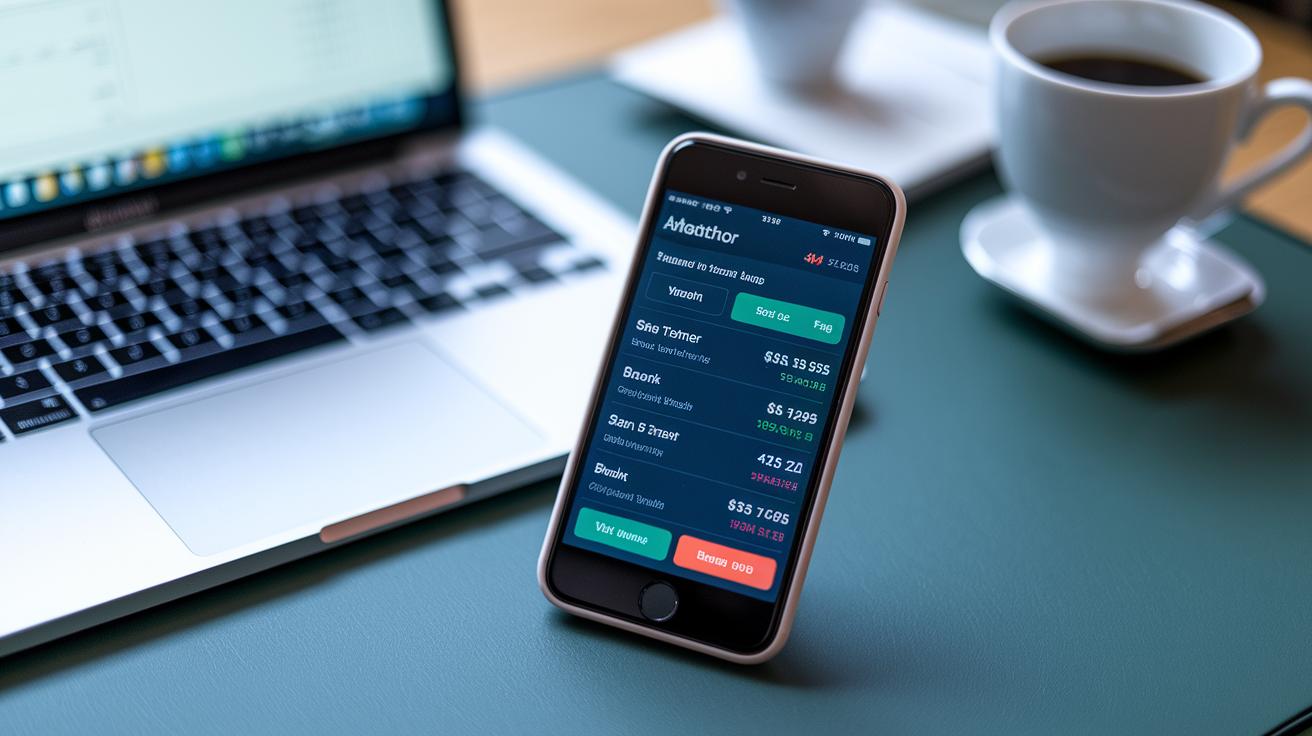
When you want to add money or withdraw funds from your trading account, you’ve got a few simple options. Most platforms let you use bank transfers, credit or debit cards, or even e-wallets. For example, if you choose a bank transfer, you might see a prompt asking for your bank details, and then your deposit shows up in just a few minutes.
Before the money appears, the platform does a quick check on your banking info and payment method to make sure everything is safe. This extra step helps protect you from mistakes and keeps your account secure. Deposits using e-wallets or cards usually process within minutes, whereas bank transfers might take a bit longer.
Some platforms even offer funding bonuses that add extra money to your account once your deposit clears. When it’s time to withdraw, security is the top priority. They often use measures like two-step verification to confirm it’s really you before releasing any funds.
-
Deposit methods include:
- Bank transfers
- Credit/Debit cards
- E-wallets
-
Withdrawal steps involve verifying your identity before sending out the funds.
Essential Trading Account Features: Tools, Analytics & Mobile Integration

Built-in charting tools and real-time dashboards let you keep an eye on market trends like you’d check the weather before heading out. Imagine a screen where live trends update with every tick, giving you a clear sense of the market’s pulse. These analytical dashboards break down tricky data to help you easily spot changes and choose your next move.
Real-time smart trading analytics work like a fuel gauge for your portfolio, simple snapshots that show you how things are running, just like checking your car before a long trip. Plus, many of these tools link up with APIs (simple ways of connecting different software) so your trading platform and other systems work together without a hitch.
Mobile trading app integration means you can handle your investments no matter where you are, whether you’re at home or grabbing a quick break. Customizable watchlists and automated alerts make sure you never miss a chance to act. For example, you might get a friendly notification saying, "Stock XYZ just hit your target!" which helps you decide quickly.
Some platforms even include portfolio management modules that let you dig into the best investment strategies. They also share insights about different asset classes, making it easier for you to figure out how to invest in the stock market.
Broker Selection: Regulatory Compliance and Customer Support for Trading Accounts

Choosing a broker is a big deal. It’s smart to make sure your broker is licensed by respected authorities like the SEC, FINRA, or FCA. This means they follow rules that help keep your money safe, kind of like having a trusted referee on your side.
Good brokers also use strong security measures. They use tools like SSL (a way of keeping your online connection secure) and two-factor authentication (which adds an extra step to make sure it’s really you) to protect your personal and financial information.
Customer support is just as important. Look for brokers that offer help through live chat, phone, or email. When you have a quick question about a trade, having fast, friendly support is like chatting with a helpful neighbor. Some platforms even include tax reporting tools to simplify managing your capital gains, and built-in risk management features to catch any issues early.
Taking a little extra time to check these points can really help you choose a broker that meets both your safety and service needs.
Final Words
In the action, we walked through how different trading account options offer unique benefits and challenges. We broke down the process of opening an account online, compared practice platforms, and discussed fee models and funding processes. We even touched on secure features and important tools that help manage risk and keep data safe. All of these details help you get ready to set up your trading account for smart, secure investments. Stay positive and keep learning every step of the way.
FAQ
What is a trading account?
A trading account is an investment account that lets you buy and sell securities. It’s opened with a brokerage firm and requires personal data like your name, address, Social Security number, and government ID.
What are the different types of trading accounts?
Trading accounts come mainly in two styles: online self-directed accounts and managed accounts (using a human advisor or robo-advisor). They may also be set up as cash or margin accounts based on your trading needs.
Why is a trading account important?
A trading account is essential because it gives you direct access to buy and sell assets, track your investments, and use tools for market analysis, helping you build and manage your investment portfolio.
How do I open a trading account?
Opening a trading account involves filling out an online application, entering your personal information, and verifying your identity. The process takes under 15 minutes and allows you to choose account tiers based on your needs.
Can I start trading with $100?
Trading with $100 is possible if your chosen brokerage has low or no minimum deposit requirements. Check with your provider, as some platforms are friendly to smaller investments while others may require more funds.
What is a trading account app?
A trading account app is a mobile version of your brokerage account that lets you monitor market trends, place trades, and manage your portfolio on the go, providing convenience and real-time updates.
What does the trading account format mean?
The trading account format refers to how your account information, trade history, and balances are presented. A clear format helps you easily track transactions and assess your investment performance.
What are some of the best trading accounts and brokerage options?
The best trading accounts offer low fees, user-friendly platforms, strong support, and useful tools for both beginners and seasoned traders. Options like Fidelity, Etrade, and free brokerage accounts cater to different needs.
How do I open a Fidelity or Etrade account, including business brokerage options?
To get started with Fidelity or Etrade, visit their website, fill out the online account application with your personal details, and follow the step-by-step registration process, which may also include business brokerage account options.
What are the minimum balance requirements for an Etrade brokerage account?
Etrade often provides options with low or no minimum balance requirements, though specialized brokerage accounts might have higher thresholds. It’s best to review the latest details on their website before opening an account.