
Have you ever thought that emerging markets might hold the key to big financial wins? These fast-growing economies are transforming small towns into buzzing hubs, all thanks to handy tech like mobile payments that connect people from all over the world. Picture vibrant cities and booming digital trade that capture your attention. In this article, we take a closer look at how these trends might pave the way for smart investment opportunities, promising growth for those with an eye on the future.
Strategic Overview of Emerging Market Trends

Emerging markets, known for their fast change and growing role in global trade, have shown strong growth over time. Many people are moving from quiet rural areas to busy cities where work and life are more vibrant. For example, after China joined the WTO, the MSCI Emerging Markets Index outperformed the MSCI World Index from 2001 to 2010, with GDP growth averaging over 10.5%.
Technology is a major driver of this change. With more people using mobile payments and shopping online, businesses can now reach many more customers and work more efficiently. This global connection has also attracted foreign investments, making emerging markets a popular choice for capital. Africa’s mobile money scene, which is approaching one trillion dollars in yearly transactions, really shows just how fast digital innovation is moving.
Global trends continue to shape these economies as they adjust to new market demands and worldwide changes. Better connectivity and smart urban planning are boosting economic activity in many regions. As these markets balance rising consumer demand with new technologies, they are laying a solid foundation for long-term, sustainable growth even as international trade patterns and financial systems evolve.
Demographic Shifts and Urbanization Dynamics in Emerging Markets

More and more people in emerging markets are leaving the countryside for city life. This move is sparking new energy in the economy as folks chase better jobs and opportunities. In fact, most of the world's largest cities already sit in these growing regions, and by 2030, nearly two out of three people worldwide could call a city home. That shift not only boosts business activity but also brings fresh challenges and chances for local progress.
A rising middle class means more spending power at home, with families spending more each year, about 5.8% more on average. As incomes slowly climb, especially in places like Latin America and Asia, both local and foreign investors are keen to back urban growth projects. At the same time, this big move into cities is adding pressure in several important areas:
- increased consumer demand
- housing shortages
- growing needs for better infrastructure
- changes in the job market
- expansion of the service sector
Digital Revolution and Technology Adoption in Emerging Markets

Digital tech is changing the way countries grow. Mobile payments and online shopping aren’t just neat extras, they’re powerful tools that help businesses connect with customers far beyond their own neighborhoods. Take Africa, for example. Its mobile money transactions are close to $1 trillion every year, showing how digital methods can boost cash flow and bring more people into the financial system. And with more than 60% of folks in many emerging markets using smartphones, everyday buying and selling is moving online, making things smoother, faster, and easier.
Tech breakthroughs are sparking growth in places you might not expect. In Eastern Europe, over 40% of new blockchain startups are diving into decentralized finance, a way to handle money without relying on big banks. At the same time, online shopping profits are growing at about 22% a year because smarter logistics cut delivery times nearly 30%, so your orders arrive quicker and more reliably. It’s like watching a well-oiled machine in motion. To learn more about this shift, explore insights on emerging global markets.
In short, this digital change is more than a passing trend, it’s a real game-changer. By mixing mobile banking, e-commerce, and blockchain innovations, emerging markets are not only finding new paths for growth but also building stronger systems for future challenges. This wave of digital adoption makes everyday life easier while boosting efficiency and expanding market reach, helping these regions shine brightly on the global stage.
Infrastructure Modernization and Policy Reforms Shaping Emerging Markets

Emerging markets are getting a real boost from major investments in physical infrastructure. Countries like Indonesia are making waves with huge projects, for instance, shifting their capital in a $34 billion move that’s modernizing cities and sparking more economic activity. Over in Sub-Saharan Africa, efforts are underway to plug a massive $100 billion gap in roads, railways, and energy networks. And with fresh trade agreements like the African Continental Free Trade Area, intra-African trade could jump by about 52.3% by 2022. These projects help lower shipping costs and make everyday business smoother and more reliable.
Policy changes are also playing a big role in these transformations. Governments are teaming up with private partners to unlock more funds for these projects, and new rules make it easier for businesses to register and operate. Trade policies are getting streamlined too, which cuts bureaucratic delays and speeds up market integration. All this smart planning, upgrading infrastructure and reforming policies, creates a solid base for steady, long-term growth and helps emerging markets stay competitive on the global stage.
Sector-Specific Opportunities: Renewable Energy, Fintech, and E-Commerce in Emerging Markets

Emerging markets offer some fresh, exciting chances for investment, driven by big changes in both technology and green energy. Renewable energy is lighting up economies as countries invest heavily in solar and wind power. Fintech is making money matters simpler and faster by using smart digital tricks. And e-commerce is booming thanks to better internet access and clever delivery methods. These areas are catching the eye of many investors by linking steady economic growth with new tech and a cleaner future.
| Sector | Investment Data | Growth Driver |
|---|---|---|
| Renewable Energy | Latin America investing $15 billion; South Africa planning a 20% solar boost by 2025 | Clean power expansion and reduced fossil fuel use |
| Fintech | Africa’s mobile money nearing $1 trillion; Eastern Europe blockchain startups growing over 40% | Digital finance innovation and financial inclusion |
| E-Commerce | Emerging market e-retail sales rising 22% annually | Enhanced internet access and smarter logistics |
These sectors pull in a lot of investment and spark fresh ideas in many fields. Investors are eager to put money into projects that promote long-term, sustainable growth. Renewable energy cuts down on harmful pollution, fintech is reshaping how we handle our money, and e-commerce is creating new ways for us to shop and do business. In truth, each of these sectors is helping to build a strong foundation for future progress.
Risk Factors and Management Strategies in Emerging Market Investments

Emerging markets bring exciting growth chances but also come with plenty of risks. Currency values can flip by as much as ±15% in just one quarter, making every move feel a bit like a gamble. And when inflation jumps above 10%, it adds another layer of uncertainty to an already unpredictable scene.
Debt can also create problems. For example, sovereign debt yields have increased by about 120 basis points recently, showcasing how quickly things can change. On top of that, shifts in government policies and regulations mean planning for the future isn’t always straightforward. It’s a bit like trying to steer a ship through choppy waters, you have to be on your toes.
That’s why smart investors use hands-on tactics to manage these challenges. They mix strategies like currency hedging (a way to protect against currency shakes), diversifying their portfolios (spreading money across different types of investments), building strong local partnerships, and keeping a close eye on market changes. These approaches help smooth out the bumps and keep investments on steadier ground.
Regional Comparisons and Case Studies of Emerging Market Developments
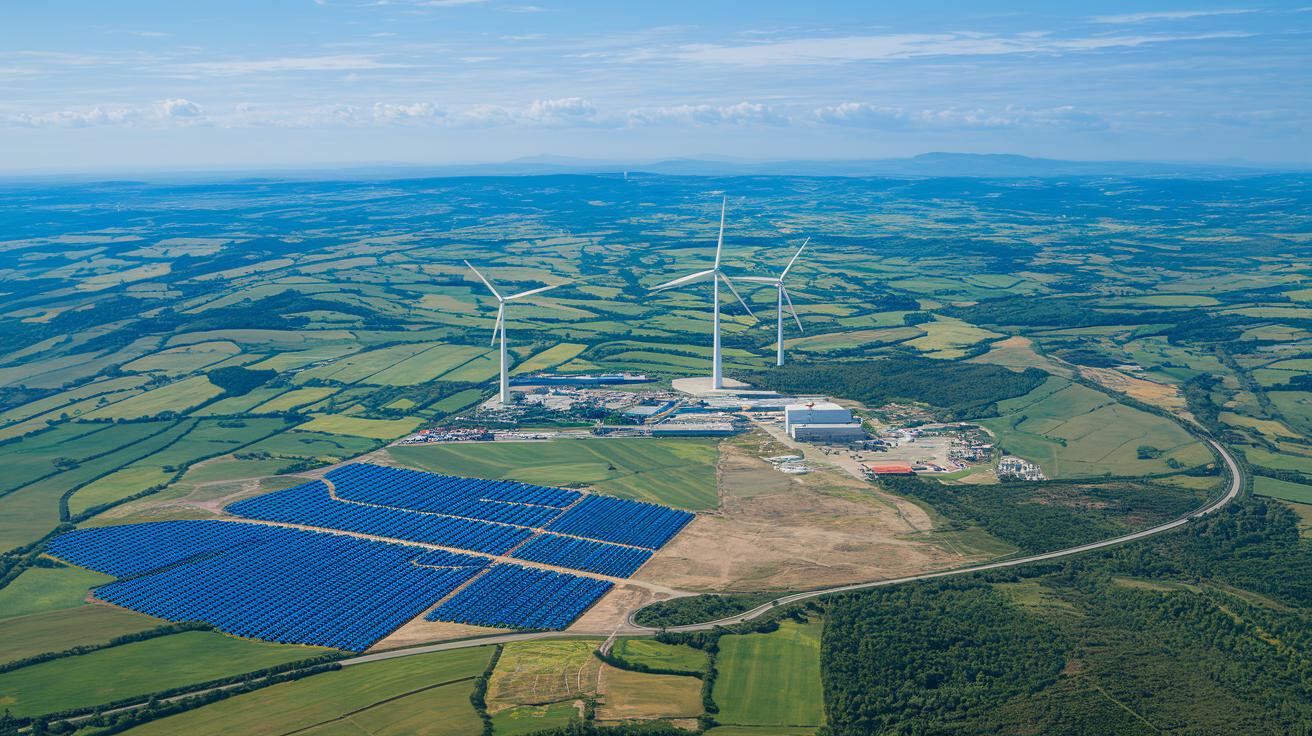
When we look at emerging markets, it's clear that every region has its own mix of strengths and challenges. In Asia Pacific, for example, busy airports and high passenger traffic weave a story of robust air travel that fuels tourism and trade. Meanwhile in Latin America, huge investments in renewable energy are setting the stage for a cleaner future. Over in Africa, leaders are hard at work trying to bridge a massive gap in infrastructure, and in Eastern Europe, smart, modern farming techniques are giving agriculture a fresh boost.
Each of these cases shows how regions are adapting to the fast-changing world of global business and trade. It’s a great reminder that behind every economic shift, there’s a unique story of growth that investors can explore.
| Region | Key Trend | Data Point | Investment Highlight |
|---|---|---|---|
| Asia Pacific | Robust air connectivity | 31.7% global passenger traffic share (2022) | Boosting tourism and commerce |
| Latin America | Renewable energy commitment | $15 billion renewables investment | Driving clean energy transformation |
| Africa | Infrastructure development | $100 billion gap in transport and energy | Upgrading networks to fuel growth |
| Eastern Europe | Agricultural innovation | Precision farming tech increases yields by 30% | Enhancing productivity through smart practices |
Final Words
In the action, we explored emerging market drivers, from population shifts and digital breakthroughs to major infrastructure projects and tailored policy reforms. We also examined high-growth sectors like renewable energy, fintech, and e-commerce while identifying strategies to manage risks with clear, practical steps.
The insights we shared bring a sharper focus on key trends in emerging markets, leaving us with a sense of optimism. The future is bright for those who stay informed and act wisely.
FAQ
Q: What are emerging markets?
A: The emerging markets are economies in transition that show rapid growth, improved market integration, and rising consumer demand. They offer opportunities for smart investing.
Learn more about what emerging markets are at this link: what are emerging markets.
Q: What are the main characteristics of emerging markets?
A: The emerging markets are marked by fast growth, urbanization, a growing middle class, and technological shifts that enhance market participation and investment potential.
Q: What do emerging market trends mean?
A: Emerging market trends refer to shifts like increased digital adoption, major demographic changes, and improvements in infrastructure that create promising conditions for investors.
Q: What are some top emerging market examples?
A: The emerging markets include key players in regions like Asia, Latin America, Africa, and Eastern Europe. For instance, economies such as China, India, Brazil, Russia, and South Africa show diverse growth potential.
Q: What is the IMF emerging markets list?
A: The IMF emerging markets list features countries undergoing significant economic reforms and fast growth. This list helps investors pinpoint markets with improving financial conditions.
Q: What are the projections for emerging markets in 2025?
A: Emerging markets in 2025 are expected to benefit from strong demographic trends, advanced digital infrastructure, and greater integration into global trade, which creates a fertile ground for investment.