
Have you ever wondered if your trading plan really makes money? Backtesting lets you try out your strategy using historical market data, kind of like tasting a recipe before dinner. When you test your trading rules with past market events, you can spot both potential pitfalls and strong wins.
In this post, we'll chat about how using past data can help you sharpen your profitable strategies. It may give you clear insights that boost your trading confidence. Have you ever felt that thrill when everything clicks into place?
Backtesting Trading Fundamentals: Step-by-Step Strategy Validation

Backtesting trading uses past market data to see how a trading plan would have worked. Think of it like testing a recipe before serving a meal, you try out your trading idea on real market history without risking your actual money. When you set up clear trading rules and apply them to old data, you can find out if your plan holds up over time.
It starts by having a clear idea about what you expect from the market. Next, you pick the right market or asset and gather high-quality historical prices. Then, using a simple coding tool like Python, C, or R, you build a model that runs your strategy. Imagine testing a moving average crossover strategy over ten years of price data. You would check if the rewards outweigh the risks, much like tasting a dish to see if you need more seasoning.
Here’s a simple way to think about the steps:
- Form a clear trading idea.
- Gather reliable past price data.
- Write code that sets your entry and exit rules.
- Run the simulation and note each trade.
- Look at key numbers like your win rate and drawdown.
- Tweak your rules and test again until it feels right.
This process is about trying, testing, and refining. You repeat the tests until your strategy shows it can handle different market moods. Backtesting can reveal hidden market moves and factors like trading fees or small price changes. No test is perfect, but a careful, step-by-step approach builds your trust in the plan. And as you refine your strategy, you’re not only growing confidence but also setting a strong base for real trades.
Historical Price Analysis and Data Integrity in Backtesting Trading

When you're backtesting a trading strategy, quality data is the heart of what you do. Using daily price records from periods like 2010 to 2020 helps you see both upward and downward trends. It's a bit like flipping through a decade-long photo album that captures every season. Free data sources might miss a few details or have errors, so most traders choose premium feeds that adjust for things like stock splits and dividend changes.
Sorting out the raw data is as important as where you get it from. You need to get rid of survivorship bias (that means not only looking at companies that are still around) and include real trading costs such as commissions and slippage. Think of it like baking a cake; if you ignore the quality of your ingredients, it might look good, but it won’t taste as expected. Using well-adjusted data gives you a truer picture of the market and builds trust in your backtesting results.
Different trading styles need different kinds of data detail. High-frequency strategies might demand every tick or even millisecond updates, while swing traders can work with daily or weekly summaries. When you match the type of historical data with your specific strategy, you’re setting up your simulation to be more accurate and reliable.
Market Simulation Techniques in Backtesting Trading Environments
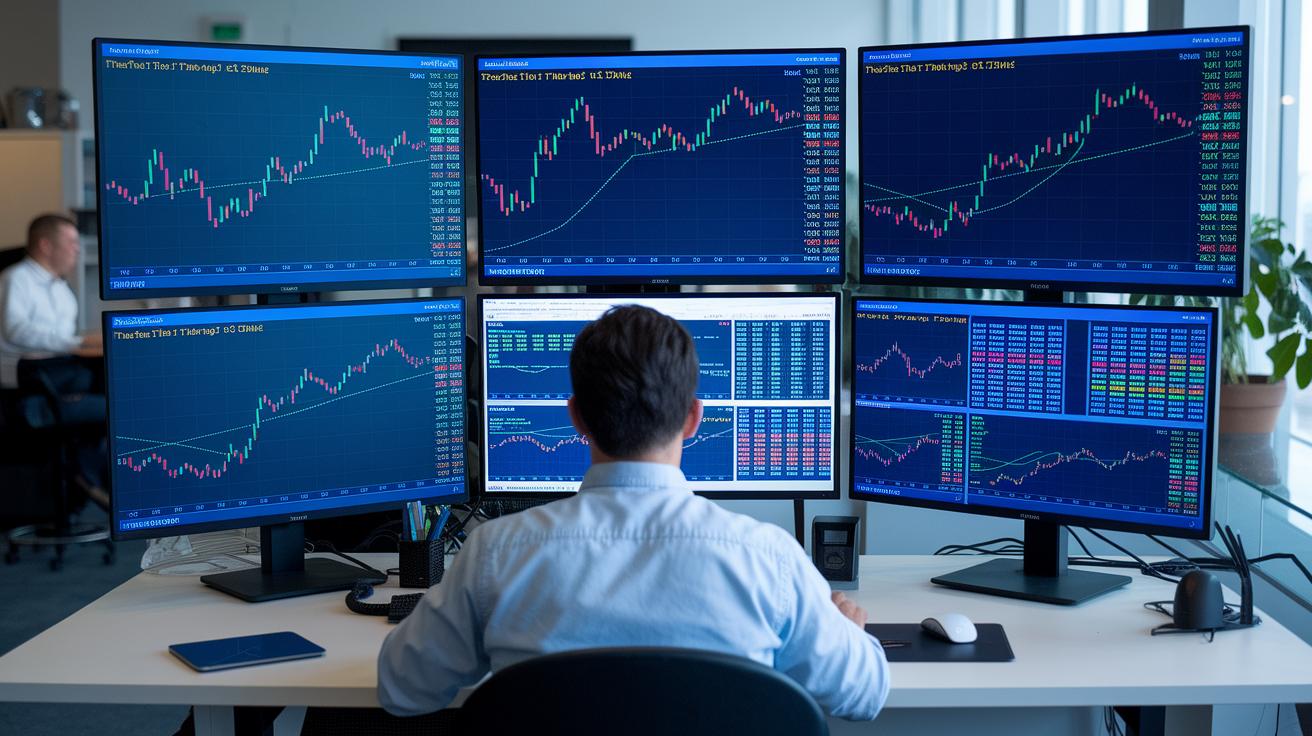
Market simulation techniques let you test trading strategies in a setting that really feels like live markets. For instance, bar-replay lets you watch past price moves as if they were happening in real time. This tick-by-tick display shows you how orders could work, capturing little details like slight delays and changes in price. Imagine replaying a Forex strategy where every tiny order delay and price shift makes the test feel almost real.
Bar replay tools also give you clear charts that are super helpful for checking your strategy. They slowly show market data just the way it would appear during an actual trading session. For example, you might watch an S&P 500 chart update bar by bar, noticing exactly when your trade rules kick in. This method reveals how even small factors, like order delays or partial fills, can impact overall performance. It’s like watching a live market broadcast where every single detail matters.
Demo accounts on broker platforms let you try these simulations without risking your money. You can place orders and see realistic execution with things like slippage and varied fill rates. Picture testing a crypto trading plan on a demo account, your trades fill with slight delays and occasional adjustments. This hands-on approach builds your confidence and helps fine-tune your strategies before you make real market moves.
Selecting Backtesting Trading Tools and Platforms
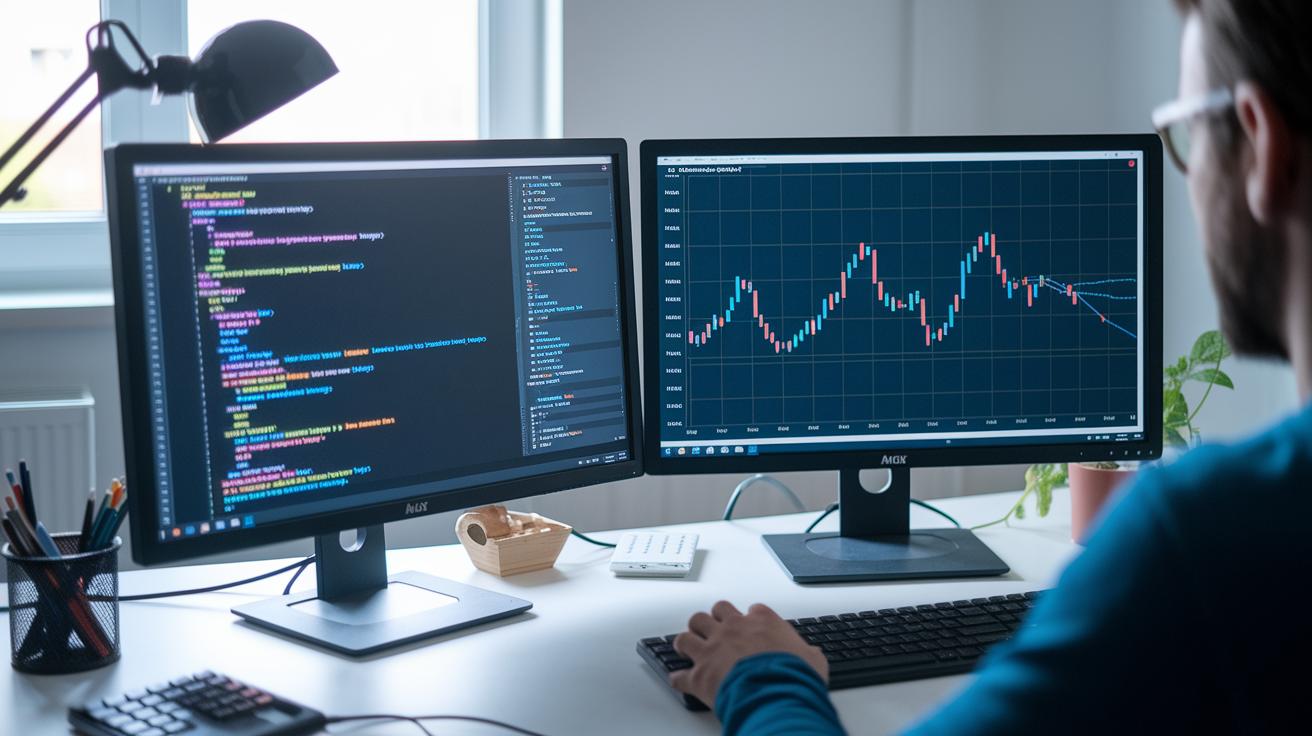
If you love diving into code and tweaking your tests, building custom backtests might be just your style. With tools like Python’s pandas and backtrader, R packages, or even C++ frameworks, you can set up tests that follow your own rules for when to enter or exit trades. Imagine starting simple in Python and then, as you get more comfortable, adding extra features. This path is perfect if you’ve got the coding know-how and want to directly adjust your simulations just the way you like.
On the flip side, turnkey platforms give you a no-code way to test your ideas. Think of platforms like TradingView that let you see your strategies come to life with clear, visual charts. These tools cut out the coding hassle and let you focus on fine-tuning your trading ideas. When you’re looking at these platforms, it’s good to pick one that balances powerful features with a simple layout. Too many complex options might end up distracting you instead of providing clear insights.
Also, don’t forget to check how each tool handles real-world trading conditions. Look at factors like the speed of processing, how easily you can pull in data, and whether it can scale up as you work with bigger datasets. It’s a smart move to explore trusted resources, like the ones you might find on TradeWisely.com, to see how different tools stack up against your trading needs.
Performance Metrics Review in Backtesting Trading
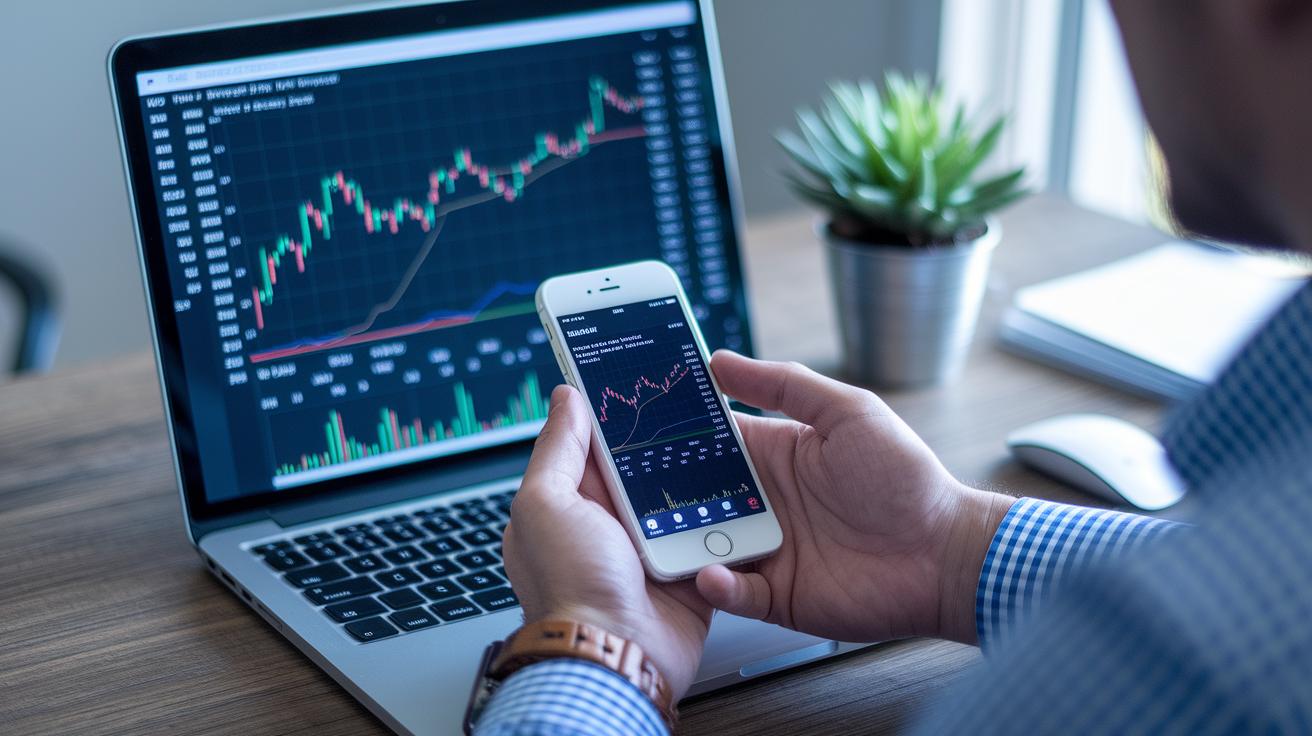
Backtesting gives you a way to check the health of your trading plan. It turns old data into clear, easy-to-read insights. Think of it like looking at your trading report card, where every number tells you a bit more about your gains and risks.
You’ll usually see metrics like:
- Cumulative returns
- Annualized returns
- Annualized volatility
- Sharpe ratio
- Sortino ratio
- Beta
- Maximum drawdown
Each one offers a different look at your strategy. For example, cumulative and annualized returns let you know the profit made over time, while annualized volatility shows you how much asset prices swing, scaled to a yearly basis. Ratios such as the Sharpe and Sortino help you understand what you get relative to the risk you take, sort of like checking if the reward is worth the risk. Meanwhile, beta indicates how much your strategy might move with the overall market, and maximum drawdown tells you about the biggest drop from a high point, highlighting potential exposure to risk.
This collection of metrics provides a well-rounded view of both the strengths and possible weak spots in your trading approach. It helps you fine-tune your strategy before you take it live.
| Metric | Description |
|---|---|
| Cumulative returns | Total profit shown as a percentage over the backtesting period. |
| Annualized returns | The average return per year, adjusted from periodic gains. |
| Annualized volatility | The everyday price changes scaled to provide a yearly measure. |
| Sharpe ratio | A look at risk-adjusted return compared to overall price swings. |
| Sortino ratio | Risk-adjusted return that focuses only on the downside, or bad moves. |
| Beta | A measure to see how much your strategy might move with the broader market. |
| Maximum drawdown | The largest drop from the peak during the time period, showing potential risk. |
System Verification Techniques and Common Pitfalls in Backtesting Trading

Backtesting your trading strategy can sometimes trick you with misleading results. Overfitting happens when your model sticks too closely to past data, which might not work well in new situations. Then there's optimization bias, which makes your strategy seem better than it really is. And don’t forget look-ahead bias, where you might accidentally use future data, plus survivorship bias that only looks at companies still on the field. Imagine testing a plan using only winners, it’s like reading a book with missing pages, leaving you with an incomplete story.
A careful review of your code is essential to avoid these mistakes. Regular debugging and checking to ensure no future data slips in are like double-checking your homework, you want every step to be correct before trusting the answer. A few small tweaks at this stage can save you many headaches down the road.
Robust testing means running your strategy through different market conditions. It’s important to test during calm periods as well as volatile times to make sure your plan can handle any market mood. This kind of diverse, step-by-step testing helps uncover hidden issues, ensuring your backtest is a true reflection of real-world trading scenarios.
Risk-Adjusted Backtesting Trading and Live Execution Tests

When you move from backtesting to live trading, managing risk becomes a top priority. It means you need to be smart about how much money you put on each trade, think 2% of your capital instead of jumping in with 10%. This approach helps protect you from sudden market moves and keeps those stressful feelings at bay. In short, having a clear risk plan is like strapping on a safety belt before a bumpy ride.
Next, try out paper trading or demo accounts. This lets you practice placing orders using fake money, so you can really see how things work without the pressure. You get to watch how orders fill, how delays can happen, and even how trades might only partially complete. It’s like trying out a new recipe without worrying about ruining dinner, you learn firsthand how commissions and slippage can affect your results.
Finally, setting up a strong performance tracking routine is a game-changer. Keeping an eye on real-time equity curves, drawdowns, and other key stats helps you understand how your trades are doing at any moment. Regular checks let you tweak your strategy as market conditions change. In truth, careful record-keeping and honest feedback are what ultimately help you stay ahead and protect your gains.
Algorithmic Strategy Evaluation and Optimization in Backtesting Trading
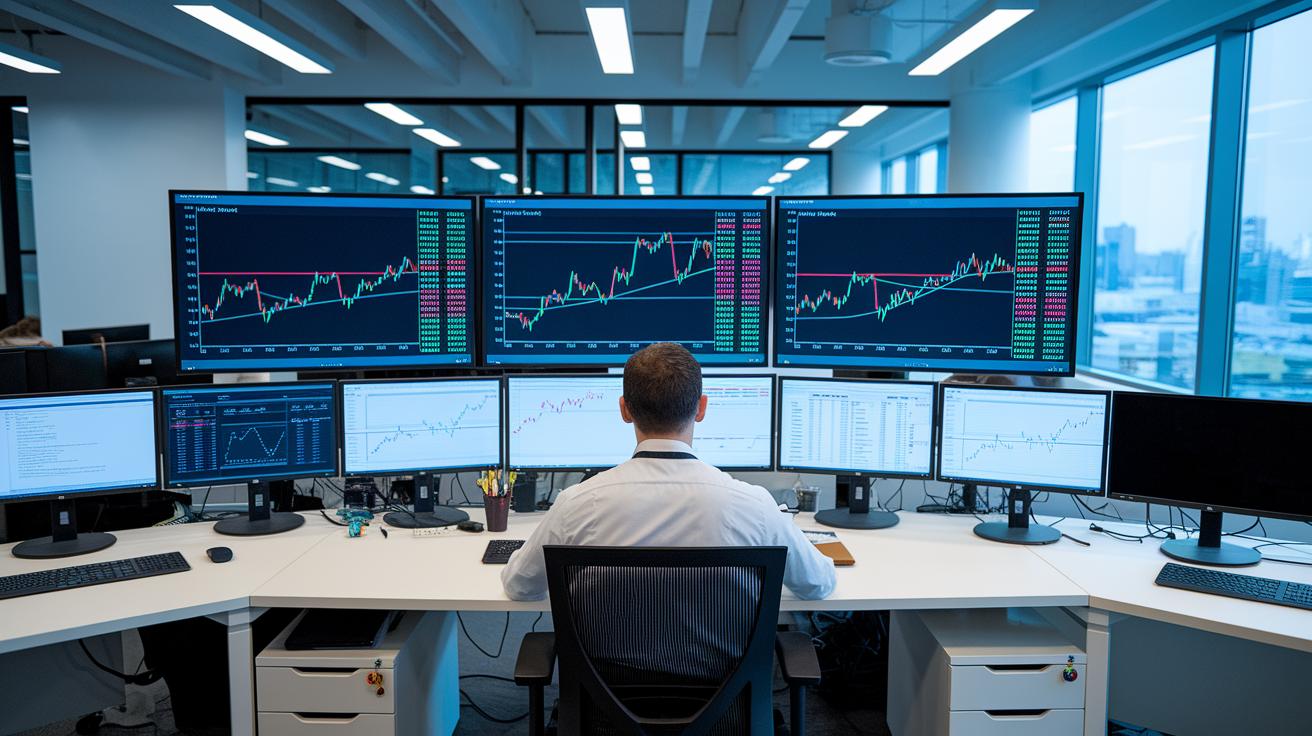
Hypothesis-driven testing means starting with a clear idea. Let’s say you believe stocks breaking their 52-week highs will continue to rise. On the other hand, data mining digs through old data without a clear plan. For example, you might test the idea that "stocks crossing a key level usually show upward momentum" by setting precise entry and exit rules based on that idea. This way, you avoid getting tricked by random coincidences.
Next, you move on to optimization. Once you have set up your trading rules, you test them during different market moods, from strong bull runs to quieter, unpredictable days. Looking at your equity curve gives a tangible picture of performance over time, showing you when your strategy shines and when it might need some tweaks. Imagine testing your rules in both smooth and choppy markets to ensure your risk and reward goals are met. Finding consistent results helps you fine-tune your entry and exit points.
Finally, advanced stress testing methods like Monte Carlo simulation in finance add a strong layer of reliability. This technique creates many random market scenarios to see how well your strategy handles surprises and sudden downturns. Think of it like running your strategy through a series of unexpected challenges to check if its performance holds up over time.
Final Words
In the action, we reviewed the essentials of backtesting trading by validating strategies with clear hypotheses, quality historical data, and precise simulation techniques. The post broke down each step, from defining entry and exit rules to refining performance metrics, while highlighting the importance of risk management and secure execution.
This practical guide emphasizes using proven methods and tools to gain real financial insights and build confidence. Embrace backtesting trading to empower your decisions and keep improving your strategy with every test.
FAQ
Frequently Asked Questions
What does backtesting trading on Reddit mean?
Backtesting trading on Reddit means traders share and discuss using historical data to test their strategies, offering community insights and practical experiences to help refine trading approaches.
How can I access free backtesting software and resources?
Free backtesting software and resources are available on various platforms like TradingView and open-source libraries, letting you simulate past performance without any upfront costs.
How do you perform backtesting using TradingView?
Backtesting using TradingView involves using its charting tools and bar-replay features to apply your entry and exit rules on past market data, helping you assess your strategy’s performance.
What constitutes effective backtesting of trading strategies?
Effective backtesting means applying clear entry/exit rules on high-quality historical data, simulating actual market conditions, and refining your method iteratively to improve confidence in your strategy.
How do I do backtesting in trading?
Backtesting in trading means using historical market data to simulate trading activity with your defined rules, helping you spot potential strengths and weaknesses before going live with your strategy.
What is the 3 5 7 rule in trading?
The 3 5 7 rule in trading typically refers to a guideline for timing or risk management, though its exact definition can vary. It’s best to explore specific explanations from trusted trading sources.
Can ChatGPT backtest a trading strategy?
ChatGPT can guide you through the backtesting process and explain how to use programming tools, but it can’t perform the simulations directly since backtesting requires running data on specialized software.
Is backtesting worth it?
Backtesting is worth it because it helps validate your trading strategy using historical data, allowing you to refine your approach, build confidence, and reduce your risk before live trading.