
Have you ever wondered if emerging markets might be the secret to higher gains? In early 2025, these markets didn’t just keep pace with the S&P 500, they actually outperformed it by 10%. It feels a bit like watching an underdog win a race.
China and Brazil, for example, jumped by 15% while India did not do as well. This shows us that different parts of the global market can offer surprising opportunities. In this conversation, we’ll explore the sectors driving this growth and how smart investments might benefit from these evolving trends.
Emerging Markets Sector Analysis Sparks Dynamic Growth

Emerging-market stocks are really catching up to those in developed countries. Early in 2025, they outperformed the S&P 500 by about 10%. It’s like watching a long-underestimated runner sprint ahead in a race, truly exciting for anyone looking to mix up their investments.
When we look closer at country-specific gains, the story gets even more interesting. In the first quarter of 2025, both China and Brazil enjoyed a solid 15% boost. Meanwhile, India's performance dipped by roughly 4% based on the MSCI India Index. These differences show how local policies and market moods can shape returns in unique ways. For example, the VanEck Emerging Markets Fund earned about +1.97% compared to the MSCI EM IMI’s +1.70% by the end of March. It’s a clear sign that putting money into developing markets can tap into hidden growth, even when some regions face tougher market shifts.
Things like a softer tone from the US Federal Reserve and a weakening dollar have also added fuel to the fire. Lower borrowing rates and easier debt management make it more inviting for investors to dive into these markets. Despite emerging markets only making up about 10% of global indices like the MSCI ACWI, US investors have been putting in just 3–5% of their money there. That gap suggests a fresh opportunity, hinting that the current economic scene is opening new doors for global investment strategies.
Comparative Sector Performance Metrics for Emerging Markets

Looking at emerging markets, we see that performance really depends on the sector. Q1 2025 data from the VanEck EM Fund shows which areas brought gains and which ones slowed things down. For example, Consumer Discretionary, Financials, and Information Technology stepped up and helped drive gains this quarter. On the other hand, Industrials, Real Estate, and Communication Services didn’t perform as well and held back overall results.
It’s also interesting that the benchmark, the msci emerging markets index, shows a similar pattern. Tech-focused markets such as Taiwan (with 80% tech companies) and South Korea (around 40.8% tech) highlight a push towards digital and consumer growth. Meanwhile, India’s market has about 70% of its GDP coming from local spending, which makes it less swayed by changes in global demand and adds a bit of extra stability.
| Sector | Q1 Contribution |
|---|---|
| Consumer Discretionary | Positive |
| Financials | Positive |
| Information Technology | Positive |
| Industrials | Negative |
| Real Estate | Negative |
| Communication Services | Negative |
Overall, this breakdown helps shine a light on cross-border investment trends. It reminds us why spreading out investments – or diversification – is so important in emerging markets. Have you ever thought that a mix of different sectors could be the key to navigating our fast-changing financial world?
Macroeconomic Drivers and Growth Indicators in Emerging Markets

China’s fresh push for economic growth is making waves by easing limits on big tech stocks. Even a tiny drop of 0.1% in prices isn’t a sign of disaster, it can actually point to smart, measured policy moves aimed at keeping key sectors steady.
India is changing its scene with reforms tied to Make in India. These changes aren’t just about quick fixes but long-term strength. Imagine a small shop owner who now gets better access to credit, giving a real boost to everyday business and consumer confidence.
In Brazil, the spotlight is on commodities. The country is leveraging booming exports of iron ore and soybeans to build lasting market trust. Picture a local farmer whose bountiful harvest not only feeds the community but also underpins stable local planning.
Worldwide, softer US dollar conditions are lowering borrowing costs for big projects like infrastructure. It’s a bit like stumbling on a rare discount at your favorite store, suddenly, investing becomes a lot easier when financial pressures ease up.
Risk Factors and Political Appraisal for Emerging Market Sectors
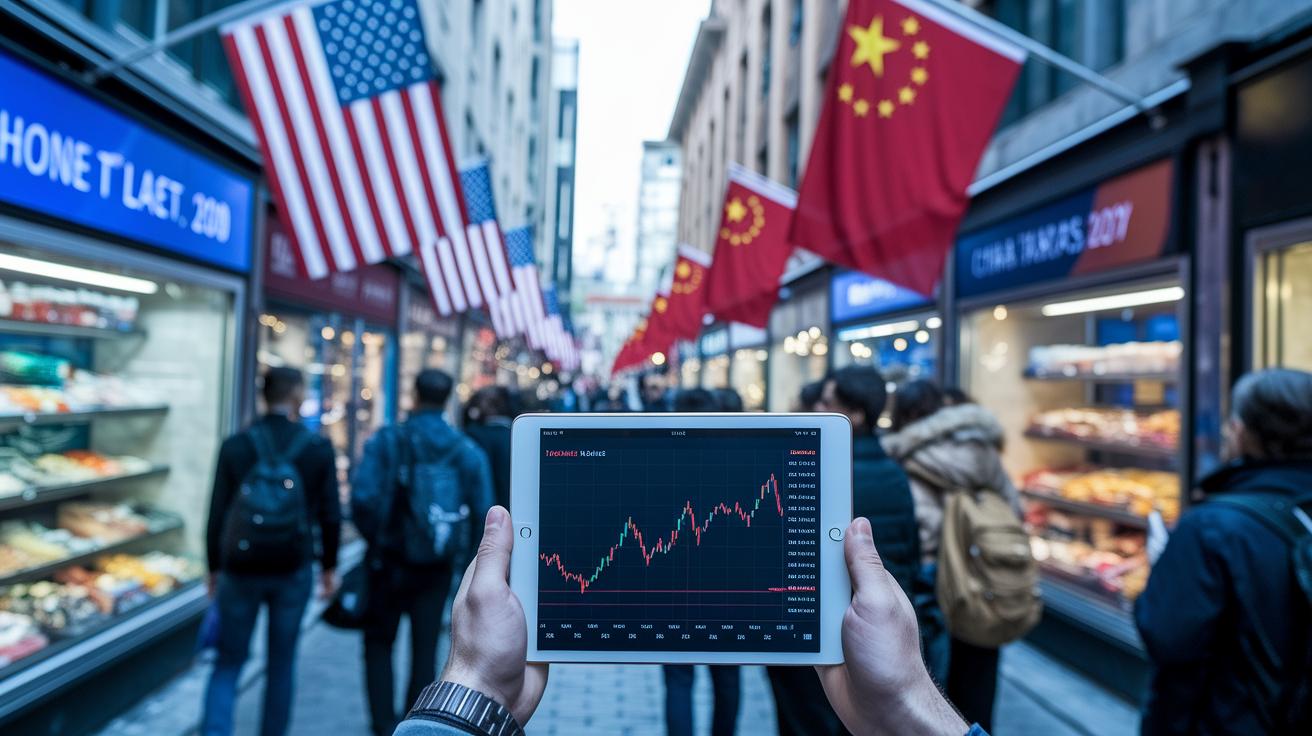
Investing in emerging markets can feel a bit like stepping into a busy bazaar, exciting but full of surprises. There are many risks that add extra layers of challenge. For example, rising tensions between the United States and China, along with talks of new tariffs, have put a lot of pressure on China’s export businesses. At the same time, China’s changing rules mean that companies must keep a close eye on compliance, even though some restrictions have eased recently. In places like Brazil and India, shifts in central-bank interest rates have made borrowing costs and credit growth more unpredictable.
Political changes also play a big role. In the CEEMEA region, Turkey's move toward more traditional policies and strong economic showings in Hungary and Poland remind us that politics can change how stable a market feels. While the US Federal Reserve has taken steps that ease currency pressures, emerging market currencies can still be tossed around by sudden changes. This all means that investors need to watch these shifts closely and be ready to adjust their plans at any moment.
Some of the risks include:
- Trade and tariff shocks
- Political policy swings
- Currency volatility
- Regulatory changes (open banking review)
- Rate-policy shifts
- Supply-chain disruption
In truth, the mix of trade issues, changing politics, and shifting rules makes the landscape for emerging markets quite complex. With central bank moves and currency changes in play, keeping a close eye on these risks and being flexible with your investment strategy is key in today’s ever-changing global market.
Regional Sectoral Insights in Key Emerging Markets

China Sector Dynamics
China’s market is showing more than just a recovery. It now hints at changes in tech rules and smoother supply chains. Investors are noticing simple moves, like factories fine-tuning their production lines, that may lead to fresh growth.
India Sector Dynamics
India’s scene is buzzing with strong local buying and exciting digital finance and renewable energy projects. The word on the street is that fintech startups are getting big support. Think of a small shop owner starting to use mobile payment services, a move that blends everyday business with new technology.
Brazil Sector Dynamics
Brazil is shifting gears from its famous commodity exports to smart tech in farming and energy. Recent updates show more investments in tools like tech-driven crop management and green power. Picture a farmer using a smart irrigation system, a small change that hints at a wider trend toward sustainable growth.
CEEMEA Sector Dynamics
The CEEMEA region is leaving behind past political worries with a boost in digital tools and new trade rules. Countries like Hungary and Poland are diving into fintech and online services, while Turkey’s steady policy tweaks are calming investors. Imagine a community center upgrading its tech, it’s a simple step that shows the region is steadily moving toward modern economic practices.
Portfolio Strategies and Investment Positioning in Emerging Markets

Investors have a real chance to reshape their portfolios by spotting and filling gaps in emerging markets. Take the VanEck EM Fund as an example, Brazil is weighted at 8.7%, far above the index’s 4.2%, and you even see a 3.3% allocation to Kazakhstan, which isn’t in the index. This kind of focused strategy shows how you can target specific markets that seem to be priced at a premium compared to broader benchmarks, hinting at hidden opportunities for growth as global markets shift.
Valuation measures offer more clues for those looking to spread out risk. For instance, emerging market stocks come in with a PEG ratio, a simple way to compare growth to price, of 1.1x versus global markets. Meanwhile, the Global EM Sustainable Fund boasts a lower PEG ratio of 0.8x, with earnings multiples of 11.4x and growth rates of about 13.7%. In plain language, these numbers tell us that emerging market stocks might be attractively priced, which is something to consider if you’re hunting for value in today’s fast-changing investment scene.
Adding emerging markets to your portfolio means bridging an existing allocation gap. U.S. investors, on average, only dedicate about 3-5% of their equity to these regions, even though emerging markets make up roughly 10% of global equity. With key players like China and India showing signs of a rebound and the U.S. dollar getting softer, shifting a bit more focus toward emerging markets could boost diversification and open the door to dynamic global opportunities.
Future Outlook and Growth Forecast for Emerging Market Sectors
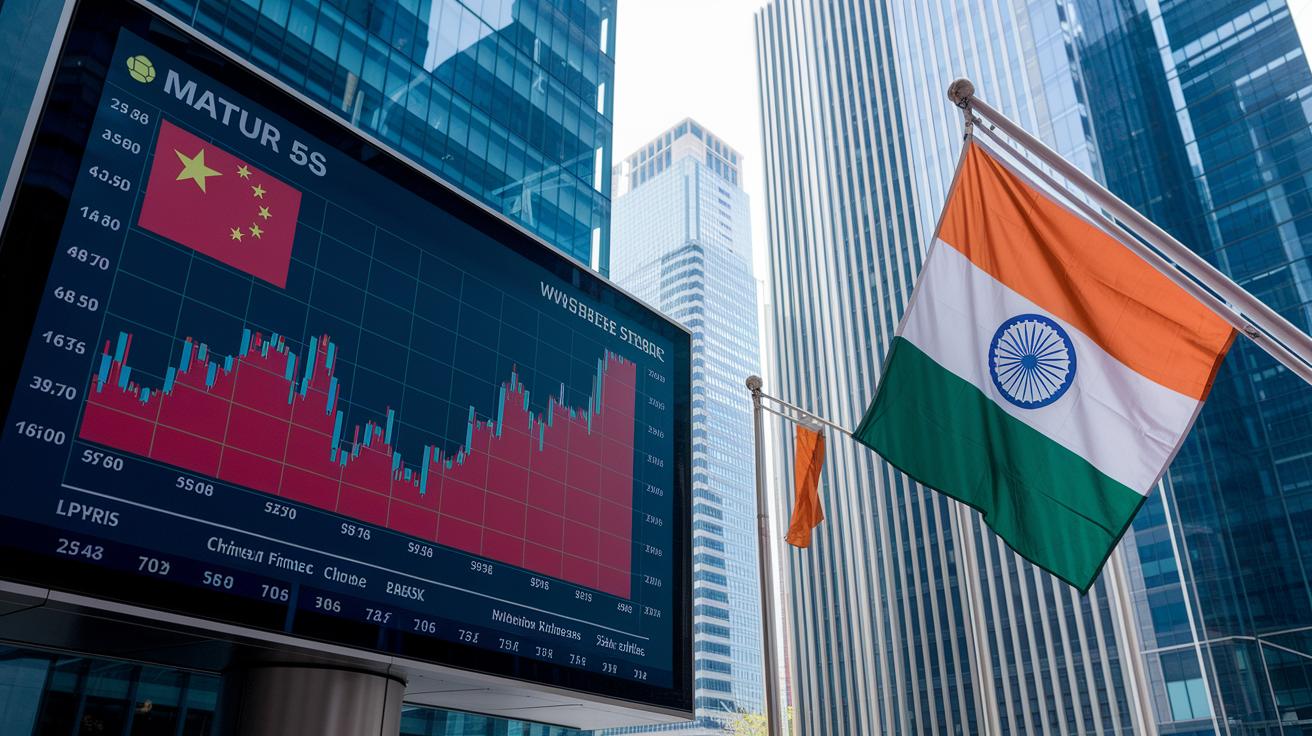
Have you ever noticed how some markets seem to pull ahead, even when things look a bit uncertain? Emerging markets might keep beating developed ones if China and India bounce back and the dollar stays gentle. For example, in China, we’re seeing property prices stabilize, a clear sign that policymakers are softening the rules to help the economy grow. This friendlier money scene has already pushed emerging markets to outdo the S&P 500 by 10% this year, and it might just keep that trend going.
Innovation and technology are really the heart of this growth story. New advances like AI (think of it as machines that learn to make decisions) and digital changes are making businesses more efficient and opening up fresh ways to earn money. In the automotive world, China’s BYD showed off its leadership by selling more electric vehicles in the first quarter than Tesla. With a huge team of 120,000 engineers compared to a competitor’s 25,000, it’s a clear sign that the industry’s balance is shifting.
Then there’s the push for sustainable, long-term growth rather than just quick wins. Better fiscal policies, steady commodity exports, and renewed confidence in local markets are building a solid and balanced economic base. This kind of setup could help ease the bumps from global trade uncertainties, giving these markets a stronger foundation.
Looking forward to 2025 and beyond, if these key drivers stick around, emerging markets might keep their strong performance even if politics or trade issues pop up along the way. It’s an exciting time because innovation, steady government support, and favorable monetary conditions are all working together to keep the momentum going, making these regions very appealing for investors.
Final Words
In the action, we saw emerging markets shine, beating developed peers and showing mixed country performances. We covered sector comparisons, macro factors like easing monetary conditions, and risk areas from regulatory changes to political shifts. Portfolio strategies were discussed, highlighting gaps in U.S. allocations and potential value through valuation metrics. Finally, the forecast for EM relies on resilient growth drivers in China and India. This emerging markets sector analysis offers a clear view to help sharpen your investing toolkit, leaving you with a sense of cautious optimism.
FAQ
What is the emerging market sector?
The emerging market sector refers to countries experiencing rapid growth and evolving financial systems. They offer investors potential rewards as these economies move toward more developed market standards.
What are the top emerging markets, including those in the MSCI list?
The MSCI Emerging Markets Index typically highlights around 26 nations, with markets like China, India, Brazil, Russia, and South Africa often considered top contenders due to their growth potential.
What are the 26 emerging markets?
The 26 emerging markets usually refer to the set of countries defined by MSCI. They span multiple regions, offering a mix of growth opportunities and developing economic infrastructures.
Are emerging markets a good buy now?
Emerging markets can present attractive opportunities due to strong growth and improved debt dynamics, yet investors should remain cautious about political risks and market volatility inherent to these regions.
Where can I find emerging markets sector analysis reports from previous years?
Detailed sector analysis reports for emerging markets in PDF format from 2021, 2022, and other years are available from various financial research outlets, offering data-driven insights and performance comparisons.
What is the IMF emerging markets list?
The IMF emerging markets list classifies nations based on growth potential and economic maturity. It serves as a resource for understanding which economies are transitioning from developing to more stable markets.