
Can global capital markets really bring back trust in our financial system? Think of it like a busy community potluck where every dish adds its own special taste.
In these markets, companies, governments, and institutions join forces to offer stocks, bonds, and many other kinds of investments, each one sparking growth and bringing stability. It’s like mixing the right ingredients to create a meal everyone enjoys.
With smart strategies and careful risk control, these markets build a strong foundation that leaves investors feeling secure about their financial future.
Investment, Trading, and Risk Strategies in Global Capital Markets
Capital markets are like huge gathering places where companies, governments, and institutions meet to get money and trade different types of investments. These investments include stocks, which show you own a part of a company; bonds, where you lend money and earn interest; and derivatives, which get their value from other assets. Imagine a big community potluck where everyone brings a dish, and together, they create a memorable feast.
Investment banking plays a big role in helping companies raise money from around the world. It's a bit like having a skilled event organizer who makes sure all the pieces fall into place. They assist companies in selling stocks or bonds, guide international investors through the process, and arrange deals that cross borders with multiple currencies. Have you ever noticed how important it is for funds to reach the right hands at the right time? That’s what these banks do every day.
Risk management is essential for keeping the market steady and secure. Experts use methods like stress tests, value-at-risk, and scenario analysis to spot potential problems before they happen. Think of these techniques as regular check-ups to ensure everything is working well. New digital tools are also making it easier to get quick access to cash and to carry out trades more smoothly. Plus, Islamic finance is growing in popularity by offering investment options that follow ethical guidelines while still supporting modern funding needs.
Evolution and Structure of Capital Markets in the Global Economy
Public Equity and Bond Markets
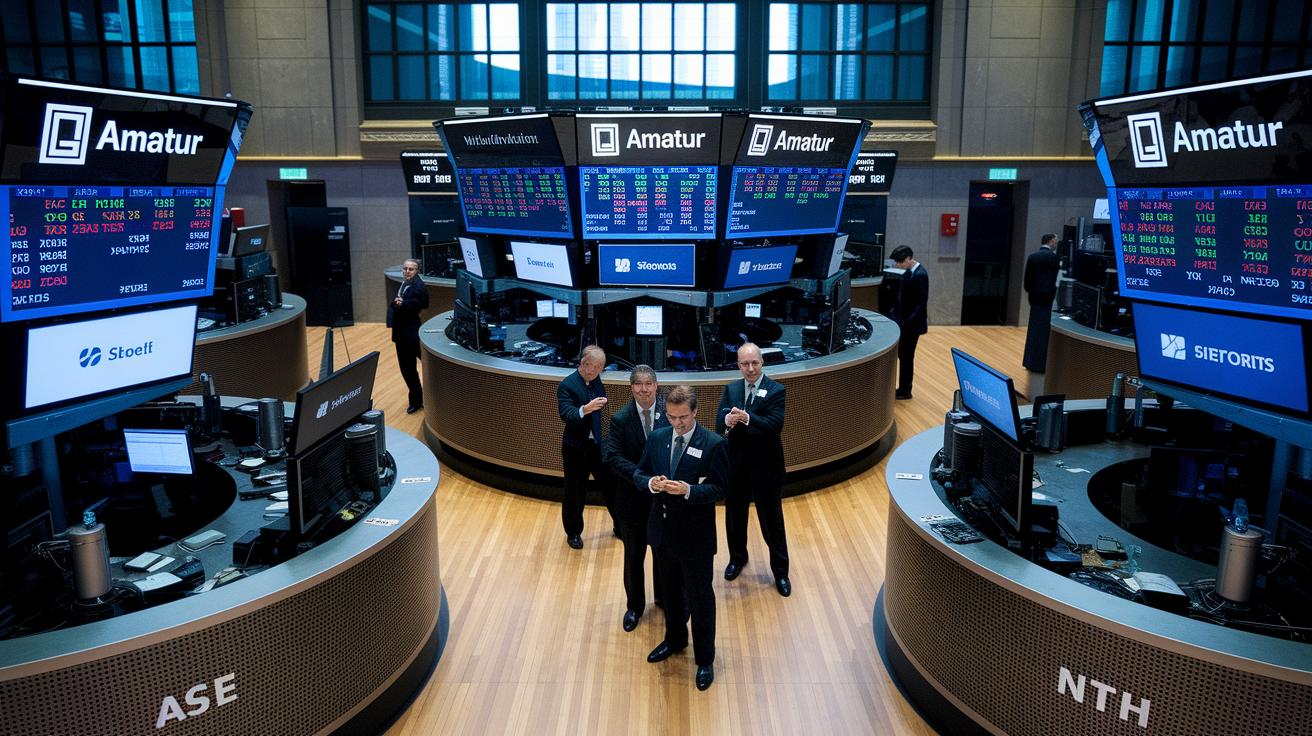
Companies turn to capital markets to raise money by selling shares (public equity) and bonds. In these markets, firms start with an IPO, which is like a store’s grand opening where shares are offered to everyone. Soon after, investors trade these shares, giving the market a lively, ongoing feel. Governments and companies also issue bonds globally to access money from different sources. When experts help set the right price for these bonds, it helps reach many investors, much like arranging a fair sale at a busy market.
Private Equity and Structured Debt
Not all funds come from public markets. Some companies choose private equity, which means getting investments behind closed doors from venture funds or buy-out deals. This method helps businesses grow or change without the public spotlight. Meanwhile, structured debt methods like Sukuk show how finance can blend ideas from both stocks and bonds. To explain briefly, Sukuk are a form of investment following Islamic finance rules, offering a mix of benefits from owning a part of a company (like stocks) and lending money (like bonds). Think of it as putting together a well-balanced meal where each ingredient adds a little flavor to the overall financial picture.
Mergers and Acquisitions in Capital Markets
When companies merge or one buys another, the market changes in big, interesting ways. These deals mix strengths from different companies and form new team-ups that can change market trends. In today’s world, financial institutions often join forces across borders, looking for better ways to grow and support their projects. With clear and strong market performance, investors feel more confident in these bold moves.
Emerging Market Opportunities in Global Capital Markets
Investors are feeling confident as emerging markets work through new challenges. Governments and banks are adjusting their plans to keep up with shifting economic needs. In these markets, countries are mixing creative funding methods with flexible debt tools to help their growth.
Take China, for example. It’s leaning on stimulus measures more than deep, lasting reforms, though soft household spending might slow things down. Meanwhile, Southeast Asia could see a big boost by closing the gender gap, a move that might free up as much as $2.3 trillion in wealth. And look at nations like Chile and Uruguay, which are rolling out more bonds tied to sustainability. This move shows just how adaptable and resilient these markets can be.
- Stimulus versus big reforms in China
- Closing the gender gap in Southeast Asia unlocking vast wealth
- Rising use of sustainability-linked bonds in countries like Chile and Uruguay
- Rethinking debt reshuffling amid challenges faced by private lenders
- The growing impact of Islamic finance on regional growth
Emerging markets are reshaping their financial scenes with a mix of funding techniques and smart debt handling. This blend not only spreads out risk but also builds a lively, diverse investment landscape. Investors appreciate these fresh ideas because they offer flexible support and better ways to handle risks. In truth, this balanced approach may help build trust and make global capital markets even stronger.
Regulatory Frameworks and Policy Reforms Impacting Global Capital Markets

Recently, the U.S. has strayed a bit from the strict Basel III rules. These moves, often swayed by lobbying, have led to new ways of handling liquidity (how quickly an asset can be turned into cash) and protecting investors. As a result, market players are rethinking their risk strategies, and the trust in cross-border capital flows is gradually changing.
Rules on who can join global markets vary by region. In places like the UK, the European Economic Area, Japan, and South Korea, only qualified investors are allowed. These clear-cut rules keep the market boundaries solid and make sure that big transactions are managed by experienced players under well-established legal guidelines.
That’s why strict compliance and regular reporting are becoming the backbone of market trust. New regulatory standards push for thorough audits and frequent disclosures. With detailed documents and consistent updates, investors can clearly see the risks and understand the market’s day-to-day operations.
Clear transparency measures, like precise disclaimers and risk warnings, also make trading safer. These steps help guide investors through potential financial uncertainties and signal that markets are well-regulated. Together, these practices create a stable, trustworthy environment that smart investors around the world can rely on.
Innovative Debt, Equity, and Alternative Financing Instruments in Global Capital Markets
Global markets now offer fresh ways to help businesses grow and share risk. We see new tools that mix the benefits of debt and equity. Think of it like picking the perfect spice for a recipe. For example, sustainability-linked bonds let issuers decide how to use the funds they raise. This flexibility makes them a hit in emerging markets, offering an engaging mix of stability and creativity.
Blockchain and decentralized finance are also shaking up the funding world. These digital systems let transactions happen quickly and safely, which is great for investors who value speed and efficiency. As finance goes digital, more investors and companies are embracing these clear and fast methods over traditional, slower ones.
Hybrid financing models add even more options for market players. Consider Islamic finance instruments like Sukuk, they blend debt and equity qualities to support projects while following ethical guidelines. Below is an HTML table that sums up some of these innovative tools:
| Instrument | Key Feature | Primary Use |
|---|---|---|
| SLBs | Flexibility on proceeds use | Emerging market funding |
| Sukuk | Hybrid debt-equity structure | Ethical investment options |
| Blockchain Platforms | Decentralized transaction processing | Fast, secure capital raising |
| DeFi Protocols | Innovative funding channels | Alternative financing methods |
These diverse financing tools not only widen investment options but also boost investor confidence in a market that is changing fast.
Risk Management and Liquidity Analysis in Global Capital Markets

Risk Management Frameworks and Approaches
When it comes to protecting your investments, a solid risk management plan is like a routine health check for your portfolio. Investors use tools like value-at-risk, stress tests, scenario analysis, and credit risk modeling to get a clear picture of what might go wrong under different conditions. Value-at-risk, for example, gives you an idea of the worst loss you could expect over a set time period, while stress tests show how your portfolio might handle extreme market conditions. These techniques help you plan ahead and make adjustments before problems grow too big.
Market and Credit Risk Metrics
Understanding market and credit risks is easier when you break things down into simple numbers. Volatility measures tell you how fast and how much the market can move, and beta compares your portfolio’s shifts to overall market swings. Credit spreads highlight the extra reward you might need for riskier debt, while duration analysis shows how sensitive a bond is to changes in interest rates. Think of these metrics like the gauges on your car, they give you a quick look at what’s happening so you can steer your investments in the right direction.
Liquidity Management Challenges
Sometimes, differences in local rules make it hard to get cash quickly, which means smart liquidity management becomes essential. Investors keep an eye on ratios like the LCR (Liquidity Coverage Ratio) and NSFR (Net Stable Funding Ratio) to make sure they have enough cash when needed. The repo market also plays its part by offering quick access to funds when the situation calls for it. By diversifying assets, investors can lessen the impact of sudden market changes while ensuring they always have enough cash on hand. This careful approach makes it easier to navigate the ups and downs of global markets with confidence.
Technological Disruption and Forecasting Trends in Global Capital Markets
Digital trading platforms are changing the way we handle market trades. What once took several minutes with careful manual work now happens in just a few seconds. Imagine a trader who used to wait for minutes to get a trade confirmed, now orders go through almost immediately, like checking your watch and seeing the time difference. This upgrade lets investors act on the fly and builds a sense of global, real-time access.
AI tools and smart, automated methods, including algorithmic trading strategies (where computers use math and past data to predict market moves), are turning raw data into clear, helpful forecasts. Picture an AI system that sifts through market trends and historical numbers to give you advice as sharp as a seasoned expert. This helps traders make smarter moves while creating a market that feels both steady and flexible.
Innovation centers are buzzing with new ideas to make our capital work better. By using breakthrough tools like smart contract-based funding platforms and other fintech innovations, investors can enjoy streamlined processes when raising capital. These state-of-the-art technologies quicken how fast trades happen and increase trust by offering reliable, clear market insights, all of which boost confidence in the global capital landscape.
Final Words
In the action, we reviewed essential trading and risk solutions that touch on asset classes, international fundraising, and tech-driven market insights. Each strategy paints a clear picture of managing market volatility and digital trends.
This overview sheds light on securing investments while boosting confidence in global capital markets. Small steps in understanding these insights can lead to smarter decisions and better financial well-being.
FAQ
What are the global capital markets?
Global capital markets refer to the international networks where companies and governments raise funds by issuing stocks and bonds. They bring together investors, traders, and institutions to move money across borders.
How do global capital markets differ from investment banking?
Global capital markets focus on trading and issuing financial instruments, while investment banking centers on advising on deals, structuring transactions, and supporting mergers and acquisitions in financial deals.
What does Global Capital Markets do at Morgan Stanley?
At Morgan Stanley, the Global Capital Markets team manages cross-border funding, asset trading, and strategic market insights, helping clients execute financial transactions with precision and informed market perspectives.
How much does a global capital markets analyst make at Morgan Stanley?
The earnings for a global capital markets analyst at Morgan Stanley typically start in the mid-$80,000 to $100,000 range, with compensation varying based on experience, performance, and prevailing market conditions.
What careers exist in global capital markets?
Careers in global capital markets range from analyst and risk manager roles to traders and strategic advisors. Professionals work at major firms, contributing to asset management, trading strategies, and cross-border financial solutions.
How are global capital markets connected to institutions like BlackRock, Bank of America, and Rutgers?
Global capital markets connect with firms like BlackRock and Bank of America by offering essential trading platforms and financing support. Universities like Rutgers contribute research and education, preparing future professionals for the industry.
Are global capital markets part of investment banking?
While global capital markets work closely with investment banking, they focus on capital trades, asset issuance, and market liquidity rather than advisory services, marking a distinct function within financial services.
How do firms like Morgan Stanley Wealth Management, Goldman Sachs, JPMorgan Chase, UBS, and Citigroup relate to global capital markets?
These firms engage in global capital markets by offering investment products, facilitating international transactions, managing portfolios, and providing market insights, which all help investors make smart, informed financial decisions.