
Ever wonder if emerging markets are taking some big risks in the global finance world? These markets get over $40 billion in aid and handle $3.5 trillion in loans, making them walk a very narrow line between success and trouble.
Global ups and downs or a sudden policy change can quickly tip things over, much like a tightrope walker losing balance. Our easy-to-read analysis shows you both the risks and rewards of this unpredictable market.
Read on to discover how these shifts can spark smart ideas for investors.
Comprehensive Emerging Markets Volatility Overview for Informed Decision-Making

Emerging markets are feeling the heat, even with more than $40 billion in USAID help in FY 2023. These economies juggle about $3.5 trillion in loans from governments and companies, making them very sensitive when global conditions get shaky. It’s like trying to balance on a narrow beam while carrying a heavy load, one misstep could set off a chain reaction of troubles.
Both government and corporate bonds in these areas are under pressure from sudden shifts in U.S. fiscal and trade policies. Much like a trader who sees market confidence vanish in an instant, these rapid changes not only shake up asset prices but also open the door to a host of new risk factors. Normal market moves, such as changes in bond yields and stock sell-offs, now combine with murky loans and currency-swap deals where the details aren’t clear. When straightforward funding steps back, lenders with less transparency tend to fill the gap, deepening the risk of over-reliance on unstable finance sources.
- Economic cycles
- Policy uncertainty
- Currency swings
- Liquidity constraints
- Geopolitical tensions
- Debt burdens
- Nonmarket financing
These seven drivers act like a roadmap to the pressures emerging markets face. For instance, when currency values drop suddenly or funds become scarce, it can trigger a domino effect of risks. If you are thinking about entering these markets, it’s important to weigh both the obvious impacts and the hidden risks tied to debt and less-visible financing. This full picture is key in making smart decisions, especially when the market’s ups and downs seem unpredictable.
Drivers of Emerging Markets Volatility: Macroeconomic, Geopolitical, and Policy Influences

Macroeconomic Shocks
Changes in global interest rates and commodity prices can really shake up emerging markets. For example, when benchmark rates jump by about 1.5 percentage points, available cash tightens. This leaves investors in emerging economies scrambling for funds, which creates a stressful financial scene.
Geopolitical Tensions
Trade disputes and competing claims over resources can stir up asset prices quickly. Recently, tariff announcements have led to asset price swings of around 3% in some emerging markets. It’s a good reminder that even short-lived political moves can create waves across borders, raising concerns for investors everywhere.
Policy Uncertainty
Mixed signals from major economies can spill over into emerging market bonds and currencies. With near-daily updates about tariffs and trade disputes, markets get jittery. In some cases, emerging market indices have jumped as much as 25% during these uncertain times, making it tough for investors to predict future earnings or trends.
Overall, when global interest rates rise, political tensions flare, and policies become unpredictable, these factors join forces to create a ripple effect. This combination makes emerging markets more unpredictable and challenging for investors to navigate day-to-day.
Measuring Emerging Markets Volatility: Indices and Quantitative Models
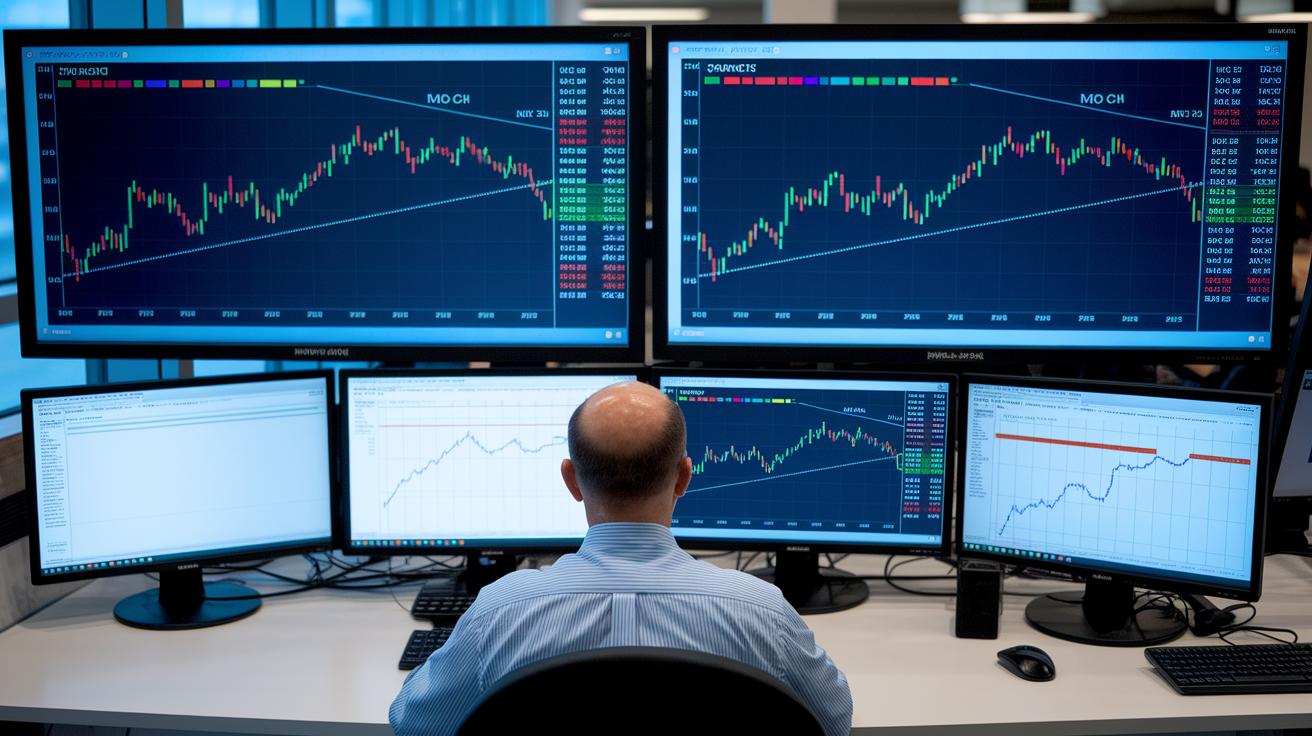
Emerging market volatility gets measured using a mix of benchmark indices and smart statistical models. For example, the MSCI Emerging Markets Index shot up 18.4% from its low on April 9, showing just how quickly market moves can change when things are uncertain. These indices give us a quick snapshot of market mood and act as key markers for tracking big price swings.
| Index Name | Region Covered | 1-Year Annualized Volatility |
|---|---|---|
| MSCI EM | 23 Markets | 21.5% |
| JP Morgan GBI EM | Sovereign Bonds | 18.2% |
| EM-VIX | Equities | 25.0% |
Analysts often use tools like GARCH and EWMA models to forecast future volatility. GARCH looks back at past market ups and downs to help predict future moves, while EWMA puts more focus on recent price changes, making it easier to catch emerging trends. Have you ever been amazed by a prediction? Once, using only the last month’s data, EWMA tipped off analysts about a big market jump, and it turned out to be spot on.
Real-time signal monitoring is another key piece of the puzzle. By constantly feeding fresh market data into these models, experts can adjust portfolios quickly when sudden price changes occur. It’s like keeping a live pulse on market conditions.
Keeping continuous data and live updates close ensures that both short-term spikes and long-term trends are captured. This live flow of information gives investors the actionable insights they need to manage risk in an ever-changing financial landscape.
Low-Volatility Strategies for Emerging Markets: ETF and Fund Solutions

Passive ETFs give you an easy, hands-off way to tap into emerging markets by tracking standard market indexes. They keep things simple and stick to a set formula, which works well if you appreciate consistency and low fees. On the flip side, actively managed funds – like Columbia Threadneedle’s Emerging Markets Opportunity – are designed to quickly adjust when the market shifts. They keep a close eye on prices, valuations, and compliance benchmarks to help shield your portfolio during sudden market swings.
When the market moves fast, actively managed funds bring real-time insights and nimble adjustments into play. While passive ETFs simply follow a benchmark, active strategies let managers switch focus, say, from growth to value, when the situation calls for it. This blend of approaches can help soften losses in rough patches while still aiming for steady long-term gains.
Investors often turn to three ETF strategies to cut down risk. Minimum volatility ETFs zero in on stocks that tend to move less, so they usually offer smoother performance during downturns. Dividend-focused funds aim to generate regular income even when stock prices are unstable. And smart beta ETFs use data to strike a balance between risk and reward. For instance, you might see a minimum volatility ETF with a beta around 0.75, while dividend funds steadily pay out income, and smart beta options boost modest yet attractive returns.
Fund managers also back these strategies with plenty of learning tools. You can join regular webinars, catch updates through a global equities blog, and even access technical training via Adviser Edge. This steady flow of information helps you fine-tune your investments as the market environment changes.
Historical Volatility Trends and Equity Rebound Patterns in Emerging Markets
Back in 2008, emerging markets faced some really tough days. The downturns were dramatic and sent ripples around the globe. Investors saw massive sell-offs followed by a bounce-back that stretched over several months. It was like watching a rollercoaster, just when things looked really bad, markets began to climb again as confidence returned and people were ready to take on risk once more.
Then, in 2020, we saw a similar pattern. At one point, the pressure on these markets hit rock bottom. But once that low was reached, emerging market indexes surged by an impressive 18.4%. It’s a reminder that even when things seem to be falling apart, there’s a chance for a strong rebound if investors come back in at lower prices.
Often, market emotions flip in unexpected ways. When fear is at its height, you might expect everyone to run out, but sometimes, that fear actually sets the stage for new buying. Have you ever noticed how a deep sense of panic can actually become the spark for a turnaround? It shows that market panic isn’t always a warning to exit; instead, it can be a hint that a recovery is about to start.
Looking at these cycles helps us plan for the long run. A smart investor builds a portfolio that can handle the heat during downturns and shine during upswings. By recognizing these patterns, you can stay patient and focused, knowing that even wild market swings might lead to steady, gradual growth.
Risk Management Tactics Amid Emerging Markets Volatility

Strategic Hedging Techniques
When you work with tools like futures, options, and currency forwards, it’s much like carrying an umbrella when you see dark clouds. These instruments are designed to soften the hit if the market suddenly drops. Traders use them to lock in prices and control exposure, especially when economic surprises lead to wild swings in asset values.
Dynamic Allocation Methods
Picture adjusting the sails on a boat to catch shifting winds. That’s what dynamic allocation methods do for your portfolio. Techniques such as volatility-targeting, momentum overlays, and tactical shifts help investors tweak their holdings based on today’s market conditions. By balancing risk and potential gains, these strategies let managers move investments between different asset types to keep performance steady during uncertain times.
Stress Testing and Portfolio Insurance
Stress testing is like giving your portfolio a test drive under tough conditions to ensure it can handle rough patches. Methods like tail risk estimation and protective put strategies act as safety nets to protect against significant losses. For example, you might run simulated market downturns to see how your portfolio responds, much like checking how a bridge holds up under heavy loads. This process highlights any weak spots and guides decisions about adjusting risk exposure.
Combining these tactics with live webinars and hands-on technical training via Adviser Edge, along with secure platforms that deliver real-time market data and regulatory updates, creates a robust risk management framework. This approach equips investors with the right tools to manage market ups and downs while keeping their overall strategy balanced in unpredictable environments.
Forecasting Emerging Markets Volatility: Tools and Expert Outlook
Many experts use math models to predict how volatile emerging markets might be. They rely on tools like scenario analysis and econometric forecasts, which sift through heaps of past and current market data to spot patterns hinting at future shifts. Think of it like noticing early signs of a storm, these models can alert investors when new policies could suddenly stir up market moves.
Some top investment officers point out that splits in global alliances are changing how and where money flows. They say that almost every day, policy hints from major economies add a layer of uncertainty. In simple terms, when countries seem to disagree, it often sends ripples through asset prices and market cycles.
Real-time data is a game changer. By watching live data streams, experts can quickly adjust their predictions as new fiscal policies and trade news come in. This flexible, on-the-go approach not only sharpens risk assessments but also supplies investors with the latest insights they need to manage their portfolios smartly.
Final Words
In the action, we reviewed key stats on emerging market finances, examining risk factors, driver details, and methods to manage portfolio shocks. We broke down market shifts fueled by economic cycles, policy signals, and capital flows, all with real-time data in view. You also saw how benchmark tools and quantitative models help you track emerging markets volatility. These insights build a stronger risk framework while feeding both analysis and strategy updates. Moving forward, keep learning and trust data-backed insights to guide smart financial choices.
FAQ
Q: What do emerging markets volatility charts and yearly trends show?
A: The emerging markets volatility charts show historical trends and yearly shifts in risk. They help investors spot periods of heightened uncertainty and adjust strategies based on visible market fluctuations.
Q: What does the fixed income assets volatility level indicate?
A: The fixed income assets volatility level indicates how bond prices and yields shift with economic updates and policy moves, offering insight into the risk profile of debt instruments.
Q: What does the crude oil implied volatility chart represent?
A: The crude oil implied volatility chart represents expected price swings in crude oil. It signals market sentiment and potential uncertainty for energy investors based on anticipated price changes.
Q: What do volatility indexes like the Treasury and CBOE NASDAQ 100 Volatility Index measure?
A: Volatility indexes, including the Treasury and CBOE NASDAQ 100 indexes, measure market fluctuations and investor sentiment. They track price swings in bonds and tech-focused equities, providing clear risk indicators.
Q: How does the volatility of gold affect investment decisions?
A: The volatility of gold reflects frequent price changes, which can modify its appeal as a safe haven. Investors watch these shifts to decide on adjusting portfolios during varying economic conditions.
Q: Are emerging markets more volatile?
A: Emerging markets tend to be more volatile because economic, political, and currency fluctuations often cause larger price swings compared to more stable, developed markets.
Q: Which market experiences the most volatility?
A: The market with the most volatility can vary, yet emerging markets and tech-heavy sectors often show intense price movements during periods of economic shifts and market uncertainty.
Q: Is 25% volatility high?
A: A 25% volatility level is considered high. It suggests large price swings that can increase short-term investment risk and require careful management of market exposure.
Q: Why might emerging markets be down?
A: Emerging markets might be down due to global economic uncertainties, erratic policy signals, and market fundamentals that lead to reduced investor confidence and price declines.