
What does it take for a growing economy to really blossom? Emerging markets pulse with fast growth, shifting money rules, and changing politics, offering both promise and risk. Imagine these markets as vibrant, living communities that adjust to new financial tools and trends every day. In this post, we're chatting about big ideas like smart money policies, dependable governments, and technology-powered upgrades to help you see what shapes these exciting trends. Ready to discover how a few simple shifts can turn risk into opportunity?
Key Factors Shaping Emerging Markets Performance

Emerging markets are countries on the rise. They shift from being low-income to growing economies with larger middle classes, more foreign money coming in, and big projects to build roads, bridges, and buildings. These nations set up key financial tools like banks, stock markets, and even unified money systems to help buy and sell both loans and stocks. If you want to dig deeper, take a look here: emerging global markets.
Some of the main topics to watch include:
- Macroeconomic growth and fiscal policy (that's how a country manages its money and spending)
- Political stability and government risk (think about how steady or shaky the leadership is)
- Regulatory reforms and legal frameworks (changes in laws that affect businesses)
- Currency and monetary control (how a nation handles its money supply and exchange rates)
- Institutional quality and governance (the strength and reliability of a country's systems)
- Social and demographic trends (shifts in population and society)
- Technological disruption and infrastructure (new tech ideas and the build-out of supportive systems)
- External shocks, like changes in commodities, climate impacts, or global economic cycles
Investors are drawn to these markets because they often show strong growth. Take China for example; its economy is huge, with an $18.3 trillion GDP in 2024 and healthy annual growth. India, too, jumped from a $2 trillion GDP in 2014 to $3.9 trillion in 2024. But with these promising numbers come risks, like unstable politics, wild swings in currency value, and sudden changes in regulations.
In truth, this mix of risk and reward means investors need to be careful. It’s smart to weigh solid fiscal policies and improving market systems against the chance of sudden hiccups, like unexpected policy shifts or external shocks. Keeping an eye on things like controlling the money supply and embracing new technology can really help in deciding where to invest.
By understanding these key factors, investors are better prepared to respond to market changes and come up with strategies that aim for steady gains while keeping volatility in check.
Macroeconomic Volatility Drivers in Emerging Markets

Inflation and growth in emerging markets give us clues about how industrial growth and urban shifts shape economies. When prices go up, central banks typically adjust interest rates to keep things steady, while new policies and city developments help boost GDP. Government moves on spending and debt also stir up market confidence.
| Country | 2014 GDP (USD) | 2024 GDP (USD) | Avg Annual Growth Rate |
|---|---|---|---|
| China | $11.0 trillion | $18.3 trillion | 5.9% |
| India | $2.0 trillion | $3.9 trillion | Approx. 5.0% |
| Brazil | $2.5 trillion | $2.2 trillion | Approx. 0.0% |
| Mexico | $1.4 trillion | $1.9 trillion | 1.5% |
Exports play a big part in shaping trade balances here. More exports usually mean better trade numbers, but they also make these countries more sensitive to changes in global demand and price swings in commodities. Shifts in tax and spending policies can impact how well governments support projects and modernize industries.
Interest rate changes further help smooth out these fluctuations. Central banks tweak rates to keep inflation in check, which then influences how much people borrow and spend. With GDP forecasts often linked to these decisions, it’s smart to keep an eye on these trends. For more details, you can explore the emerging markets outlook at this link (https://cfxmagazine.com?p=35343). In essence, it’s all about striking a balance between fueling growth and managing the ups and downs.
Political Risk Factors in Emerging Markets

Political instability in emerging markets can really shake things up. When governments change quickly, policies and leaders often shift on a dime, making it tough for investors to plan ahead. Corruption only adds to the chaos by mismanaging funds set aside for important projects. When money meant to boost the economy is wasted, public spending loses its punch and foreign investors tend to pull back. All this uncertainty makes investors nervous and can slow down economic growth.
On top of that, government actions can stir the pot even more. Quick changes in policy or moves like nationalizing industries can throw an already shaky market off balance. Take Brazil’s 2015–16 recession, for example, sudden policy shifts led to a steep downturn. Similarly, the 2019 protests in Chile caused credit spreads to widen amid the unrest. These instances remind us that steady, clear policy is key. Investors keep a close eye on these developments, aware that while governments aim to fix problems, their actions can sometimes lead to wild market swings.
Regulatory Policy Impact on Emerging Markets

Regulatory changes play a big role in shaping how emerging markets work. These countries keep updating their rules and oversight, which helps bring in more foreign money compared to less developed places. A steady legal framework can ease risks and give investors the confidence they need when moving money across borders. Did you know that some countries have seen a huge jump in foreign investments just by modernizing old financial rules?
Programs like structural adjustments and reforms in specific sectors have also improved how these markets function. For example, new changes in telecom and finance have helped these countries connect more with the global market. Of course, not everyone likes sudden changes, and sometimes quick reforms can lead to social backlash. When countries take a careful, balanced approach to change, investors feel more secure and confident.
Keeping policy uncertainty in check is a top priority for these economies. By regularly reviewing the effects of new rules and planning reforms ahead of time, they can reduce the risks from sudden legal shifts. This thoughtful management helps markets handle shocks better and keeps the flow of capital steady, encouraging sustainable growth.
Currency and Monetary Control Influences in Emerging Markets
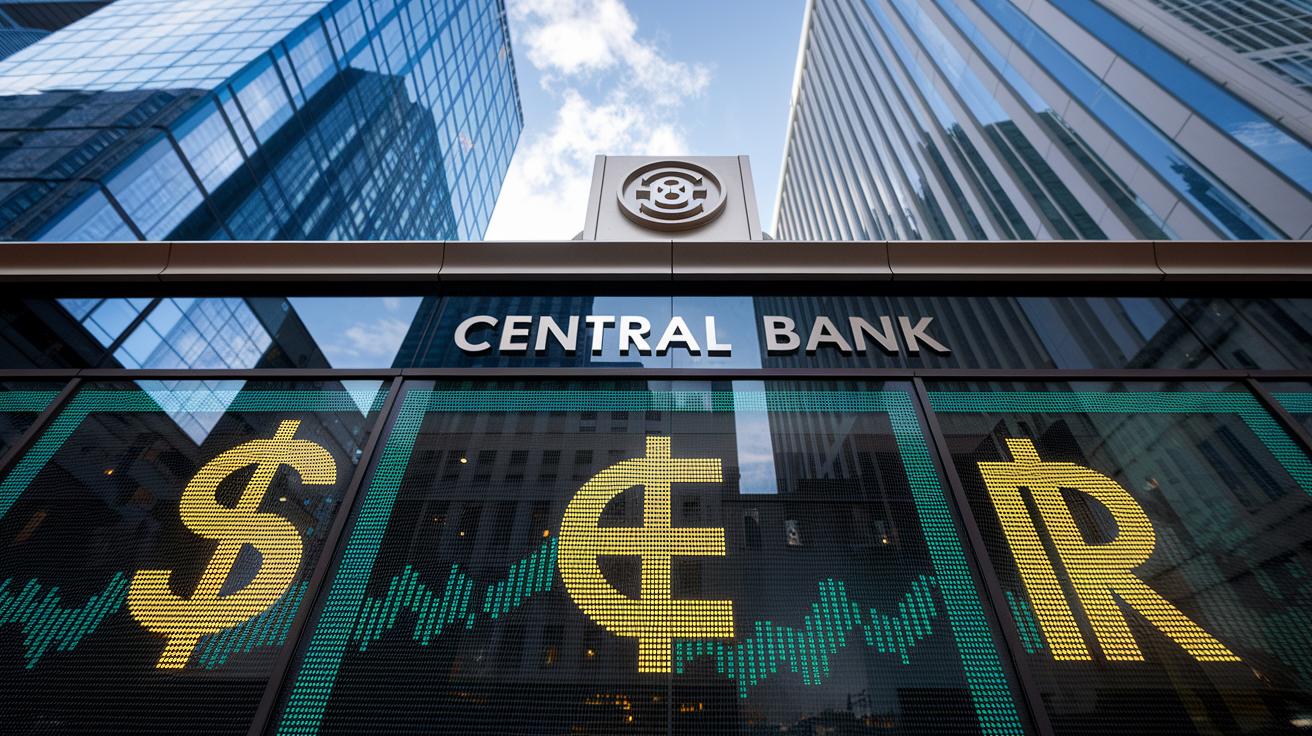
In emerging markets, central banks have to act fast when currencies swing wildly because of sudden changes in capital flows and ongoing trade deficits. They adjust interest rates to keep inflation in check and steady the market. Remember the 2013 taper tantrum? India's rupee felt the pressure when capital rushed out of the country.
When capital leaves quickly, a currency can drop in value almost overnight. Take Brazil in 2015, the real took a big hit when capital flight led to a steep decline. This shows just how sensitive these economies can be.
Central banks are always trying to strike the right balance. They use interest rate tweaks to manage currency ups and downs and to cushion the effects of uneven global demand. With constant trade deficits and unexpected shifts in money flow, local currencies are always on a tightrope. Investors watch these moves closely, knowing that a sharp change in currency value could be a sign of broader economic shifts.
Institutional Quality and Governance Challenges in Emerging Markets

Many emerging markets often struggle because their institutions aren't very strong. This leads to wasted public funds, growing debts, and trouble keeping budgets under control. Weak governance makes it hard to fix fiscal issues quickly and can shake investor confidence. Even small changes to tax policy can have mixed results, sometimes boosting revenue, but often holding back private business growth.
Take Mexico’s energy reform in 2014, for example. At first, it drew in a lot of investment and showed a move toward modern regulations. But legal challenges popped up, delaying projects and highlighting ongoing institutional problems. These reforms, although well-meant, revealed just how tough it can be to align tax tweaks with active private-sector involvement. Slow progress during rollout underscored that even good reforms can stall when the system isn’t fully up to par.
All in all, this shows that fixing weak institutions and governance is key to steady fiscal health. Investors feel reassured when reforms are backed by strong legal and administrative systems, paving the way for smoother economic growth.
Social and Demographic Influences in Emerging Markets

Emerging markets are changing fast thanks to a rising number of young people and a growing middle class. These shifts spark more buying power and influence how businesses adapt. More people are moving from the countryside to cities in search of better opportunities, much like a bustling market that brings new energy and changes the way stores and services operate. This mix of different age groups and backgrounds adds both excitement and challenges to local economies.
At the same time, many of these economies still face tough issues like income gaps and high unemployment, which can sometimes lead to social tension. Quality education plays a key role here because it builds the skills needed in today’s job market. When education improves, it helps close income gaps and makes jobs more stable, giving the economy a stronger foundation overall.
In truth, the social and demographic trends in these regions create a lively, ever-changing landscape. The growing number of consumers and the evolving workforce are reshaping demand patterns and the way jobs are structured for the future.
Technological Disruption and Infrastructure Investment in Emerging Markets

Emerging markets are getting a fresh boost from big infrastructure projects and new technology. It’s like giving a country a major tune-up, upgrading roads, ports, and power grids so that trade can flow more smoothly, much like fixing an old bridge that once made every commute a hassle.
Then there’s the expansion of telecom networks and the rise of the digital economy. With faster internet and wider mobile coverage, more people can now use financial services and join the global market. Take India, for example: between 2020 and 2025, the country set aside about $1.35 trillion to improve connectivity and open up fresh opportunities for startups. Added to this, stronger research and development efforts are drawing in investors, sparking the growth of innovative new businesses.
By putting money into both solid infrastructure and cutting-edge technology, these regions are paving the way for higher productivity and tighter market links. This mix of physical and digital improvements not only makes everyday life better but also attracts investors eager to support economies that are modernizing and reaching out to the world.
External Shock Pressures on Emerging Markets
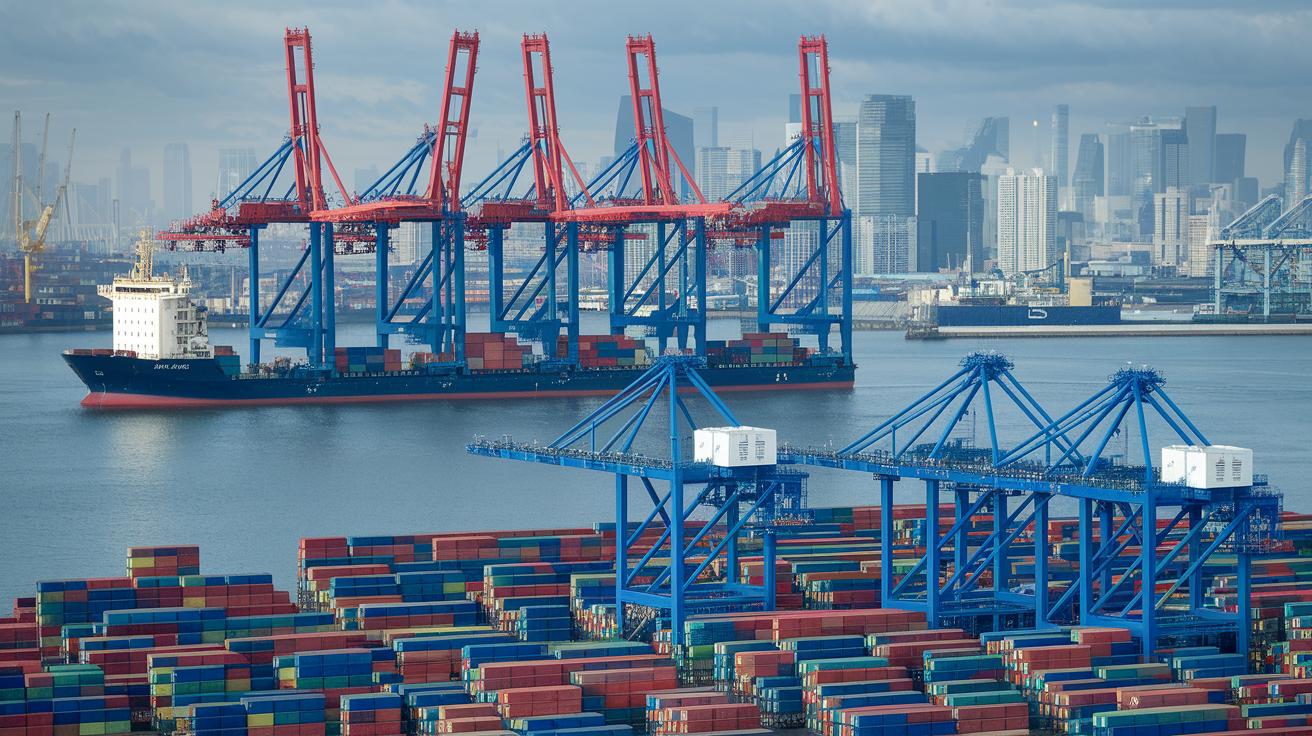
Sometimes, outside forces hit emerging economies in unexpected ways. Think about it: when global oil or mineral prices swing wildly, countries that rely on exports, like Brazil, can feel the pinch right away. A drop in prices can upset their trade balance and cut into government funds. And then there are natural disasters – sudden floods or droughts – that throw a wrench into farming and break essential supply chains.
Then add climate change into the mix, and things get even trickier. More frequent extreme weather events can hike up insurance costs and scare off investors in regions already under pressure. Global recession cycles also play a part by reversing capital flows and shrinking export demand. In truth, these challenges make it clear that managing risk and diversifying economic strategies is more than just smart, it’s necessary.
Governments and businesses are now rethinking how they operate. They’re putting more effort into building stronger systems, setting up early-warning signals, and finding new places to sell their products. It’s a bit like rearranging the pieces of a puzzle to keep the picture stable when things get shaky. I guess you could say that adapting to these shocks is now part of the new normal.
In response, leaders are embracing innovative financial strategies and policy changes aimed at long-term resilience. They’re investing in better infrastructure and crisis planning to soften future blows. It’s a clear sign that in today’s fast-changing world, proactive change isn’t just an option, it’s essential for survival.
Final Words
In the action, the article explored emerging markets with clear focus. We broke down essential areas from fiscal policies and political stability to shifts in technology and external pressures. Each section highlighted how concepts like currency control and regulatory changes shape market pulses.
We tied these elements to real-world outcomes that help everyone from budding investors to active traders. By understanding factors affecting emerging markets, you’re well-prepared to make smart, confident moves.
FAQ
Q: What are the key factors affecting emerging markets in 2021?
A: The key factors affecting emerging markets in 2021 include macroeconomic growth, political stability, regulatory reforms, currency controls, institutional quality, demographic trends, technological change, and external economic shocks.
Q: How do emerging markets compare with developed and developing countries?
A: Emerging markets feature faster growth and more advanced financial systems than developing countries, yet they exhibit higher volatility and risk compared to developed markets, making them attractive but complex investment opportunities.
Q: What examples and lists of emerging markets are available, including notes from the IMF?
A: Notable emerging markets include China, India, Brazil, and Mexico. Institutions like the IMF offer detailed lists based on economic performance and reform policies, offering clear insights on these countries.
Q: What are the five major emerging markets and why are they important?
A: The five major emerging markets—often identified as China, India, Brazil, Russia, and Mexico—are important due to their large populations, rapid industrial growth, strategic resources, and significant influence on global trade and investment trends.
Q: What is a common challenge facing emerging markets?
A: A common challenge facing emerging markets is managing rapid growth amid political instability, regulatory shifts, and currency fluctuations, which can impact overall market sentiment and investor confidence.