
Have you ever wondered if technical analysis is just luck or a smart way to earn profits? For over a hundred years, traders have kept an eye on everyday clues like price and volume to decide when to act.
These hidden signals in past market moves have helped many snag extra returns. In this article, we break down the research behind these methods and show how a steady system can highlight smart moves while keeping risks in check.
Get ready for insights that mix real market actions with a bit of history, like chatting with a friend about strategies to stay ahead in the game.
Technical Analysis Effectiveness: Research-Backed Conclusions

Technical analysis is a way to guess where prices might go by looking at past price movements and trading volumes. Many traders have trusted this method for more than a hundred years to help guide their decisions. Imagine a trader spotting a repeating pattern on a chart that lets him make a smart trade at just the right moment and earn a nice profit. Research shows that this approach was delivering profits in many markets all the way up to the early 1990s.
A 2018 study even found that systems based on moving averages brought in extra returns in markets such as Russia and India. In other words, technical analysis can work well in different market conditions. In the forex world, where you might not have a lot of company details, these technical systems provide clear signals on when to get in or out of a trade. For instance, stocks flagged as “Buy” by well-known technical platforms outperformed the S&P 500 by almost 98.4% last year. That’s a strong sign that these market signals have real accuracy.
Many professional fund managers and hedge funds now use technical analysis as part of their strategies. They take advantage of systematic tools to keep risks in check and perfectly time their trades. Their findings show that, especially in bull markets, technical systems can reduce losses and improve returns. They also provide useful hints about momentum trends that might last anywhere from a month to a whole year before changing course.
All of this real-life evidence and solid research points to one thing: when used with discipline and a bit of skill, technical analysis can be a very profitable tool. If you want to dig deeper into the basics, you might check out "Technical Analysis of the Financial Markets." Its consistent success across various assets, from stocks to forex, keeps it as a trusted part of smart, research-based trading strategies.
Technical Analysis Strengths: Market Evidence

Technical analysis gives us clear trading hints by spotting important price points like support levels and resistance. Imagine seeing a hammer-shaped candlestick pop up right at a strong support level, it’s a signal that prices might rebound, and traders could jump in. This extra clue goes beyond simple trend lines to help you decide when to act.
This method works on many markets, whether you’re checking stocks, forex, or options. When there isn’t much company news, looking at chart patterns can guide you to profitable trades. For instance, if you notice a double top forming on an options chart, it might be a good time to adjust your position. It shows how flexible and helpful these patterns can be across different assets.
Using set rules also takes the guesswork out of trading. When you rely on signals like moving average crossovers or surges in trading volume, you can follow a system without letting personal feelings get in the way. Think of it like using a clear rule: when the 50-day average climbs above the 200-day average with strong volume, it's a cue to buy. This keeps your approach consistent and less biased every time you trade.
Timing is another strong point. With good timing, technical analysis can capture the lasting momentum in the market. When you see a volume spike or a well-marked breakout, it signals the perfect moment to enter or exit a trade. It’s a bit like spotting the spark that lights a fire, those key moments can help you ride a longer, strong move in the market.
Technical Analysis Limitations: Critical Challenges

Technical analysis can hit a wall, especially in markets where all the information is already in the price. In these efficient settings, trying to predict movements with just past data may not give traders the winning edge. Think about it, when news and economic events get priced in fast, the signals from technical indicators might not hold up as well.
Another tricky spot is data-snooping bias. When traders run the same strategy over and over using the same data, a pattern might seem solid when it’s really just a lucky guess from too many tests. What looks promising in backtests can fall apart in live trading.
Transaction costs are another big challenge. Costs like spreads, slippage, data fees, and taxes build up quickly. For instance, moving average crossover strategies in some BRICS markets lost their edge when costs between 2% and 5% were factored in. Suddenly, a strategy that seemed reliable can turn out to be a costly effort.
Then there’s the issue with high-frequency data. In scenarios where trades happen in a flash, the usual technical indicators might not give enough clear signals for quick decisions.
In short, the main concerns include:
| Challenge | Impact |
|---|---|
| Statistical biases and overfitting | Patterns may be just a fluke from repeated tests |
| Transaction costs | Erodes potential gains |
| Fast-moving markets | Weakened signals from traditional indicators |
While technical analysis offers valuable insights, it isn’t foolproof. It’s important to stay cautious and remember that even well-tested theories can face real-world challenges.
Technical vs. Fundamental Analysis: A Side-by-Side Review
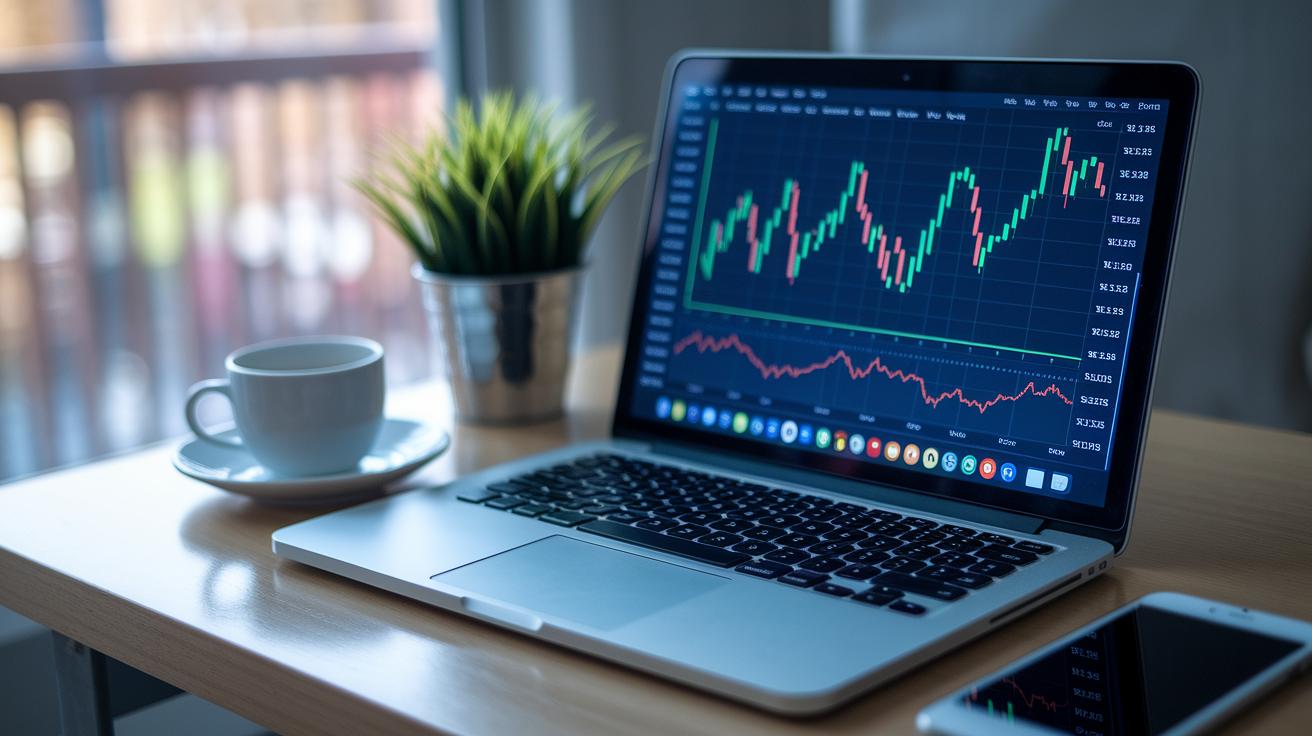
| Criteria | Technical Analysis | Fundamental Analysis |
|---|---|---|
| Data Focus | Looks at price changes, trading volume, and chart shapes. | Checks out financial reports, cash flows, and earnings. |
| Time Horizon | Centers on short to medium-term market moves. | Focuses on the long-term true value of an investment. |
| Decision Basis | Makes calls based on market signals, believing that prices already show what’s going on. | Relies on economic facts and valuation numbers to figure out worth. |
| Tools Used | Uses tools like simple moving averages (SMA), exponential moving averages (EMA), oscillators, and support/resistance zones. | Employs balance-sheet numbers, income statements, price-to-earnings ratios, and discounted cash flow calculations (DCF). |
When talking about technical analysis, think of it like reading the mood of the market by checking out past price moves. It gives you simple signals on when to jump in or step out. For instance, a moving average crossover might hint that it’s a good moment to buy. It works on the idea that market prices already tell you all the known news.
On the flip side, fundamental analysis feels more like getting to know a company on a deeper level. It dives into a company’s financial health by studying reports, cash flows, and earnings details. Investors who lean this way often stick around for the long haul because they believe the market sometimes misses the true value of a company over the short term.
So, whether you like to follow clear market signals or prefer digging into the numbers, this side-by-side guide helps you decide which method fits your style best.
Technical Analysis Case Studies in Stocks, Forex, and Crypto
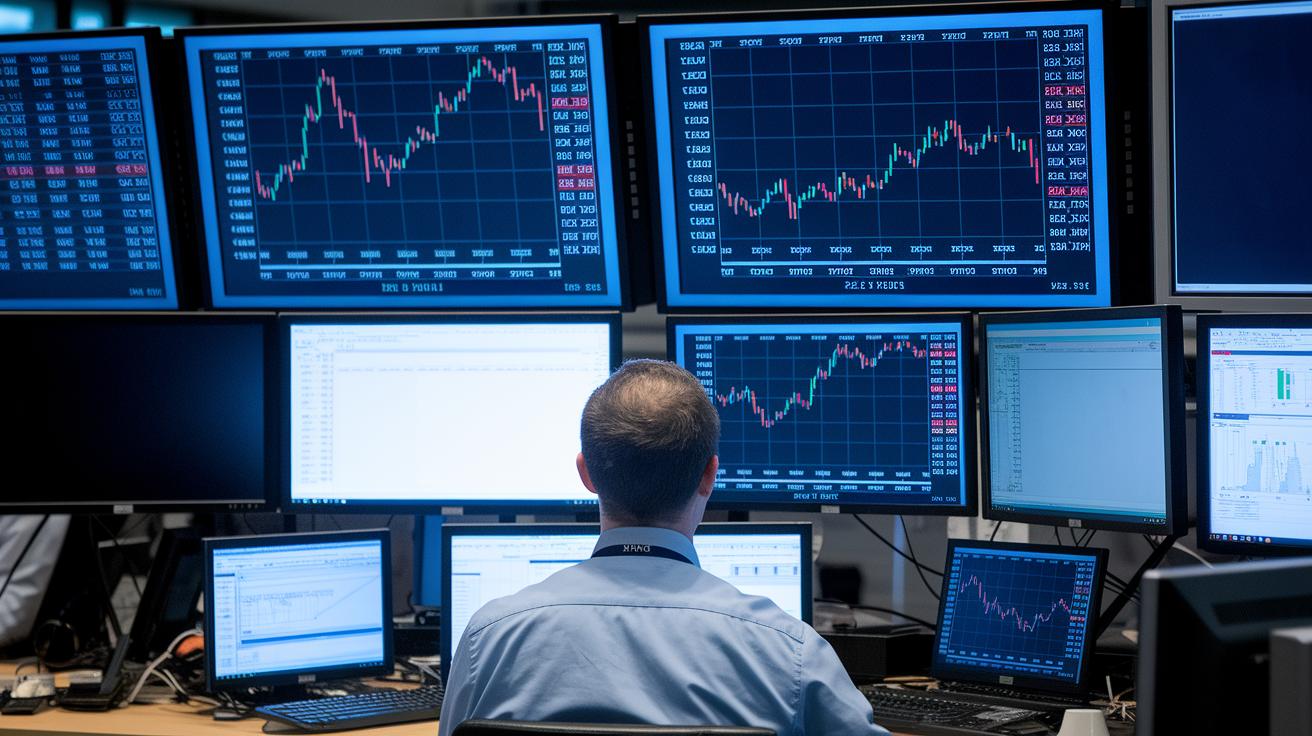
In the stocks market, one case stands out. Some equities, all marked as a “Buy” on a popular technical analysis site, beat the S&P 500 by nearly 98.4% over a year. Traders used simple moving averages (basic averages of price over time) and resistance levels (points where prices may stop rising) to pick the perfect time to buy during dips and to sell as momentum picked up. One trader said, "I remember watching these stocks surge after a clear breakout signal, it felt like catching a perfect wave." This shows that using the right tools and sticking to a plan can lead to impressive gains.
In the forex market, a slightly different approach works. Here, traders use trend-following systems on emerging-market currency pairs. They keep an eye on trend lines, support levels (price points that act as a floor), and oscillators (tools to measure price changes) to grab extra returns compared to standard benchmarks. One trader shared, "The clarity of those breakout signals let me capture returns that were much higher than in more established currency pairs." Even when there’s not much economic data available, these chart patterns can guide smart trading moves.
In the crypto world, tools like moving averages and volume indicators play a big role. Crypto traders check both short- and long-term averages to catch early hints of trend changes in this fast-moving market. One trader mentioned, "Using moving averages gave me quick alerts to adjust my position during sudden market shifts." These examples from stocks, forex, and crypto show that with careful, disciplined analysis, technical tools can help unlock valuable market insights.
Building Robust Technical Analysis Strategies: Best Practices

Backtesting and paper trading let you try out a trading plan using past market data without risking any real money. It’s like practicing a play before the live show. You test your trade signals with old price and volume information, adjusting indicators to cut out false alarms and perfect your entry and exit points.
Risk management is just as important as buckling up in a fast car. By using proper position sizing, setting stop-loss orders, and keeping a healthy risk-to-reward ratio, you shield your capital from sudden market shifts. This careful approach helps you stay in the game even when markets get a bit wild.
Regularly fine-tuning your strategy is essential for long-term success. Keeping a detailed log of your trades lets you see what works and what needs tweaking. It’s like adjusting a recipe until you get the perfect flavor. This ongoing process of checking and refining your approach is the secret to developing a consistently effective trading strategy.
Future Trends in Technical Analysis: Innovations and Automation

Algorithmic and quantitative trading are changing how we look at technical analysis. Today, AI and machine learning tools help spot patterns that were once hard to see. Modern trading platforms let you test indicators live, run tests on the cloud, and even use API tools to automate your work. Picture a tool that instantly checks a moving-average crossover strategy against current data , one trader shared, "This real-time test helped me adjust my trade on the fly."
Research keeps pushing forward, looking at better ways to measure signals and cut down on biases using smart data algorithms. These market prediction tools are getting sharper every day, helping catch small shifts that might otherwise go unnoticed. Imagine a car with sensors that warn you of hazards on a rainy road , that's the aim here, to fine-tune timing and decision-making.
And as these innovations become more common, many traders are turning to automation for their regular analysis. With automated tests, traders can quickly switch strategies based on fresh data, keeping up with the rapid pace of the market. In short, the move toward automation and stronger signals is reshaping technical analysis, promising tools that are more flexible, adaptive, and in tune with market moves.
Final Words
In the action, we explored technical analysis through research findings, practical case studies, and a side-by-side look at fundamental methods. We saw how trading charts, price patterns, and systematic strategies offer clear entry and exit signals and help manage risk effectively.
Our review broke down concepts from automated systems to best practices in risk controls. It leaves you asking: does technical analysis work? The findings spark optimism as market trends and secure practices continue to empower smarter investment decisions.
FAQ
Does technical analysis work for stocks and crypto?
The analysis shows that technical analysis works for stocks and crypto by revealing price trends and market signals used to guide trade decisions. Research finds its strategies deliver measurable returns across asset classes.
What are the types of technical analysis?
The types of technical analysis include chart pattern studies, trend line analysis, support and resistance levels, and volume-based methods. These techniques help traders identify actionable signals from past market behavior.
What assumptions underpin technical analysis?
The underlying assumptions are that historical price and volume data repeat over time and that all available information is reflected in market prices. This helps predict future movements based on past patterns.
Is there evidence that technical analysis works and can it make money?
Evidence suggests technical analysis works, with studies showing profitable outcomes in stocks, forex, and crypto markets. Traders often generate gains by combining clear entry/exit signals with effective risk management.
What is the 50% rule in trading?
The 50% rule in trading refers to the idea that prices often retrace about half of a previous move, offering potential entry or exit points. It serves as a guideline for anticipating partial reversals.
Which indicator is 100% accurate?
No indicator is 100% accurate since each tool has its limits. Traders improve accuracy by using a blend of indicators to confirm signals and better match market conditions.
Where can I find technical analysis examples and PDFs?
Technical analysis examples and PDFs offer clear explanations of chart patterns and trading setups. For further reading, check “Technical Analysis of the Financial Markets” on our website to explore core principles.