
Have you ever wondered if a great futures trading platform might be the key to better profits? Imagine a set of tools that works like a trusty toolbox, each tool designed for a specific trading need.
Smart Picks for Profit covers a range of options that fit every style, whether you’re just starting out or have years of experience. It’s like having a simple recipe for success: explore the features using demo accounts and see what suits you best.
Ready to find your perfect match in futures trading? Take a look and test the features before making any big moves.
Leading Futures Trading Platforms Compared
Step into a world of futures trading where every trader can find their perfect match. Whether you’re just starting out or you're deep into market moves, these platforms bring clear designs, flexible features, and demo accounts so you can test the waters with ease. It’s like having a toolbox where each tool fits a different job.
| Platform | Access Method | Best For | Demo Available |
|---|---|---|---|
| RJO Futures Pro | Desktop Software | Advanced market analysis | Yes |
| RJO WebOE | Web Browser | Free order entry | Yes |
| RJO Mobile Trader | Mobile App | On-the-go trading | Yes |
| CQG Integrated Client | Desktop Software | Advanced charting | Yes |
| CQG API | Integrated systems | Flexible order management | N/A |
Think of RJO Futures Pro as your deep-dive tool for detailed market research and technical analysis, it’s packed with robust features for those who love to get into the nitty-gritty. RJO WebOE skips extra installations to let you jump straight into trading, which is great if you’re after quick, hassle-free order entry. And if you’re someone who trades while on the move, RJO Mobile Trader offers a smooth and responsive mobile experience.
Meanwhile, CQG Integrated Client stands out with powerful charts and plenty of customization options for your analysis. The CQG API also deserves a nod, as it makes it easier to integrate with trading systems if you’re automating your strategies.
If you’re new to derivatives, platforms like RJO WebOE and RJO Mobile Trader are built with simplicity in mind. Their easy-to-navigate interfaces and straightforward order-entry features help beginners trade with confidence. On the flip side, seasoned traders will enjoy the extra layers of analysis that come with RJO Futures Pro and CQG Integrated Client.
So, pick the platform that fits your trading style, and start making smart, confident decisions every day.
Key Features and Tools in Futures Trading Platforms

When you step into futures trading, having the right tools can really boost your confidence. These features help you see the market clearly every day, whether you're just starting out or already a pro.
You'll get live, up-to-the-minute price updates, kind of like having a friend whisper the latest market news in your ear. Plus, interactive charts that show you data across different timeframes make it easy to spot trends and double-check your trading strategies.
You also benefit from AI-powered signals. These smart alerts offer quick, data-backed ideas that help you decide when to trade, so you feel less overwhelmed by all the market noise.
If you’re cautious about risk, there’s a built-in safety net. Options like stop-loss orders and alert systems work together to protect your trades, keeping things steady even on wilder days.
For a bit of hands-on practice, a demo trading simulator lets you try strategies without any real-world risk. And if you love visual details, customizable dashboards turn complicated numbers into clear, easy-to-read charts.
Finally, smooth API integration means you can automate parts of your trading, linking your favorite tools together for a seamless experience. These thoughtful features make it easier for every trader to make smart, informed decisions.
Fee Structures and Account Requirements on Futures Platforms
When you trade futures, platforms usually charge a fee for every contract you buy or sell. These fees can range from $1 to $5 on each side of your trade. Plus, there are extra costs like exchange and clearing fees that can add about 25 to 75 cents per contract. It’s important to keep these costs in mind since they can add up fast with lots of trading.
If you’re just starting out, getting a demo account is really simple. You only need to share a bit of basic personal information, and you won’t face heavy checks. This lets you practice trading without any risk. But when you’re ready to trade with real money, the setup is a bit more involved. You’ll need to verify your identity, deposit a minimum margin, and meet rules like know-your-customer and anti-money laundering standards. These steps are there to protect your money and make sure everything runs smoothly.
For live trading, most platforms ask for a minimum margin deposit of around $2,500. This ensures there’s enough money to cover any risks that come with trading. At the same time, you'll need to provide documents and go through identity checks that meet compliance standards. Together, these measures help secure both your funds and the platform, ensuring that every trade is handled with care and transparency.
Mobile and Web-Based Futures Trading Interfaces

RJO WebOE is a browser-based tool that lets you jump straight into trading without any software installs. With an easy sign-up and clear controls, you can quickly get a feel for the live market trends without any tech headaches. It’s set up so that even if you’re new, you can focus on the important details and start trading futures right away.
RJO Mobile Trader is a friendly, easy-to-use app for both iOS and Android users. It sends real-time alerts, lets you manage orders safely across your devices, and makes settling trades smooth and efficient. The app’s clean design and push notifications keep you in the loop, so you can make smart moves when the market shifts.
Both of these platforms are available around the clock, giving you access to global markets whenever you’re ready to seize new trading opportunities.
User Experience, Support, and Demo Trading Simulators
Demo accounts on platforms like RJO Futures Pro, RJO WebOE, RJO Mobile Trader, and CQG Integrated Client let new traders practice hands-on without risking real money. They provide a safe space to try out different trading strategies, learn how to place orders, and follow the ebb and flow of the market in real time. This approach helps you build confidence before you commit actual funds.
Our educational modules break everything down into simple, step-by-step lessons. They guide you through market basics and show you how to read charts clearly, like piecing together a puzzle. Live trading webinars add another layer by offering expert tips and live demonstrations so you truly see how strategies work in real market conditions.
If you ever get stuck or have questions, help is always close by. With round-the-clock live chat support, you can get instant advice, even during busy trading hours. And if you prefer talking on the phone, our dedicated support line connects you with experienced brokers who offer personal tips and help troubleshoot any issues.
These tools are designed to make a steep learning curve feel more like a series of small, achievable steps. With demo trading simulators and continuous support, beginners can steadily gain the skills needed to move on to live trading, with every practice session marking a meaningful milestone.
Regulatory Compliance and Security Measures on Futures Platforms
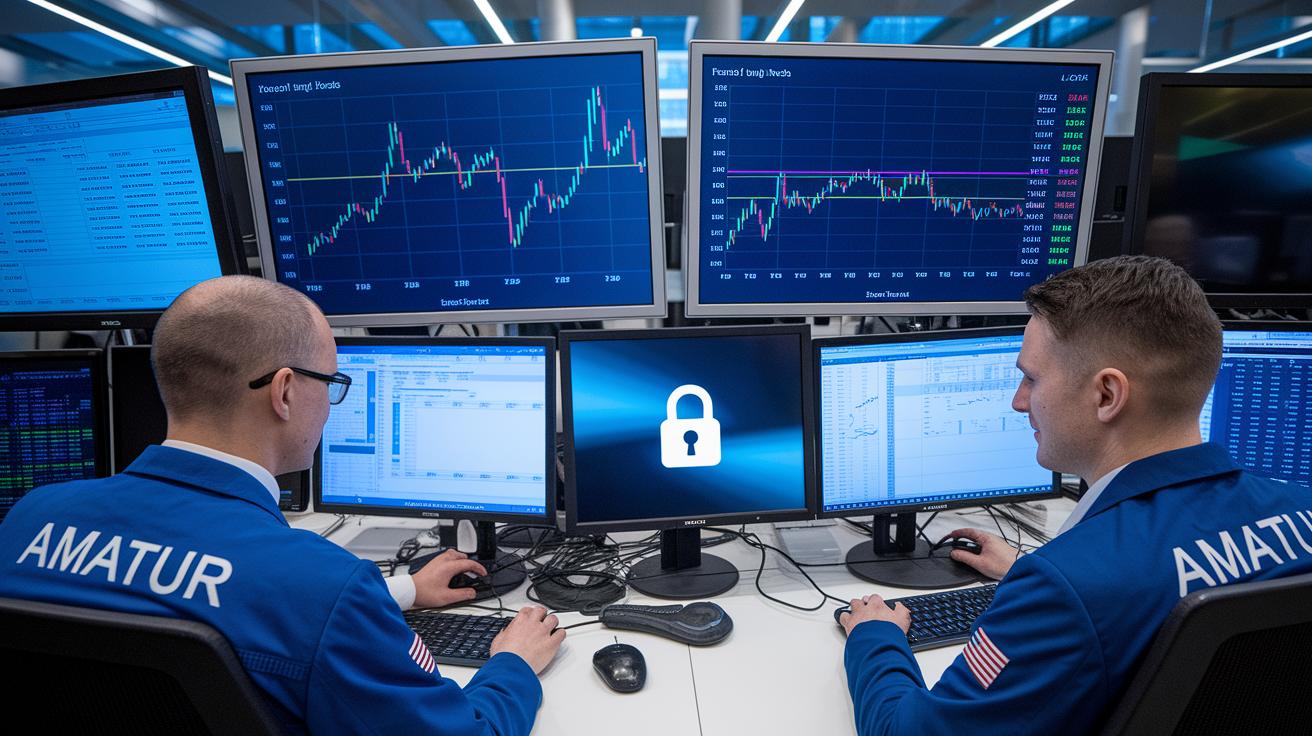
Futures trading platforms are closely watched by regulators like the CFTC and NFA. These groups set clear rules to keep the market honest and fair. Companies must stick to transparent procedures, report properly, and manage risks carefully. This kind of strict oversight helps traders feel confident that every transaction meets high standards of security and accountability, building trust in the market.
To add extra protection, platforms use SSL/TLS encryption (a method that scrambles your data to keep it private) when sending information online. They also have a secure login system with multi-factor verification (asking for extra proof of who you are) to make sure only authorized users get in. Plus, strict know-your-customer (KYC) and anti-money laundering (AML) procedures are in place to verify identities and stop fraud, turning the online marketplace into a safe space for every trade.
Real-time automated risk controls constantly monitor market changes. Orders go through pre-trade compliance checks before they are executed, and margin-monitoring systems keep an eye on sudden shifts in the market. Client funds are kept in separate accounts, ensuring that deposits remain isolated and secure. All these measures work together to give every investor that extra peace of mind.
Final Words
In the action, the article examined top-rated futures trading platforms by comparing key features, fee structures, mobile interfaces, user support, and security measures. It highlighted market tools, demo trading, and risk management strategies that serve both newcomers and advanced traders.
By sharing insights on regulatory safeguards and performance tools, this guide helps you choose the futures trading platform that fits your needs. The discussion empowers informed investment decisions and builds confidence, step by step, you’re set to seize market opportunities.
FAQ
What is the best futures trading platform?
The best futures trading platform depends on your goals. Options like NinjaTrader, Tradovate, Interactive Brokers, and TradeStation each bring different strengths for effective trading.
Are there free futures trading platforms available?
The free futures trading platform, such as RJO WebOE, offers free, web-enabled order entry for testing strategies without an upfront financial commitment.
Which futures trading platform is best for beginners?
The best futures trading platform for beginners features intuitive tools, demo accounts, and clear educational resources to help you build confidence before trading live.
Can I trade futures with a small capital like $100?
The futures trading platform can allow trading with minimal capital by using margin accounts and proper risk management, though most live accounts require a set minimum deposit for security.
Do I really need $25,000 to trade futures?
The futures trading platform does not necessarily require $25,000. Many platforms offer lower margin requirements, meaning you can start trading with a smaller amount based on specific market conditions.
Can I trade futures in the USA?
The futures trading platform is available in the USA when licensed and regulated by bodies like the CFTC and NFA, ensuring compliance and investor protection.
Which platforms are popular for futures trading?
The futures trading platform market features favorites like NinjaTrader, Tradovate, Interactive Brokers, TradeStation, and Thinkorswim, each known for varied features that suit different trading styles.
What is the best crypto futures trading platform?
The crypto futures trading platform concentrates on digital assets, offering robust security and live market data. Check for details on margin, fees, and technology to suit your trading needs.