
Ever wonder if a small policy tweak might spark new investment opportunities? UK stock markets are showing some bright spots, even though they've hit a few slow patches. In 2023, changes in the economy made many investors pause and rethink their portfolios. Data tells us that stocks are still valued lower than many expected, which leaves us questioning what future gains might look like, especially with rising inflation and tighter money policies.
This mix of careful moves and the chance to catch real-time trends might just open up smart opportunities for those keeping an eye on the market. Have you considered how these shifts might influence your next move?
UK Equity Markets: Real-Time Data, Trends, and Key Metrics

UK equity markets had a year of ups and downs. In 2022, they were shining bright, but come 2023, things slowed a bit. Rising inflation and tighter monetary policies nudged investors to rethink their portfolios. Data gathered from Bloomberg, Factset, and Investec as of December 31, 2023 shows that UK valuations are still lower than what investors might expect in the long run. This has sparked friendly debates about market risks and potential gains. Have you ever wondered how a shift in policy can change the game so quickly?
Investors are keeping an eye on key benchmarks like the FTSE All-Share, FTSE 100, FTSE 250, and FTSE SmallCap. Daily changes and year-to-date returns help paint a picture of market momentum. Sometimes the indices tick up, and at other times they dip slightly. It’s much like listening to the pulse of a busy market, where local events and global pressures dance together in a unique rhythm.
| Index | Latest Value | Daily Change% | YTD Change% |
|---|---|---|---|
| FTSE All-Share | 7,500 | +0.35% | +2.1% |
| FTSE 100 | 7,200 | +0.20% | +1.8% |
| FTSE 250 | 17,500 | -0.15% | -0.9% |
| FTSE SmallCap | 1,200 | +0.50% | +3.0% |
These numbers mirror the broader economic scene. Inflation worries, rate hikes by the central bank, and a drop in local demand create a mix of challenges and chances. This blend of factors means that keeping up with trends and adjusting your strategy in real time isn’t just smart, it’s essential. Next time you check the market, think of it as tuning in to the steady hum of an ever-changing rhythm.
UK Equity Markets: Bright Trends Ahead
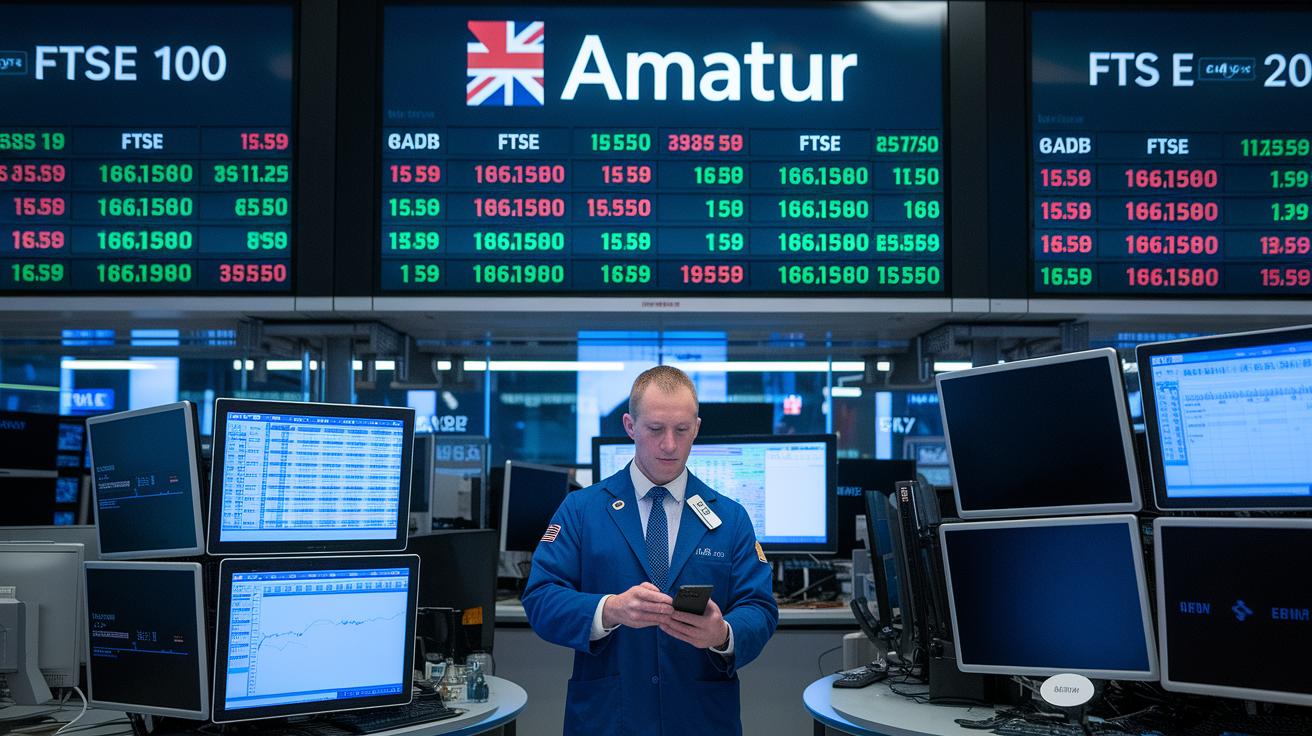
In the UK, the FTSE 100 and FTSE 250 act as key signals of market strength and investor mood. They show us how changes in the economy and decisions by companies affect overall market trends. These benchmarks help us easily spot steady dividend payouts, fair pricing, and shifts in investor behavior, giving a clear look at the market’s heartbeat.
FTSE 100 Trend Analysis
FTSE 100 companies have consistently offered around a 4% dividend yield over the past ten years. That’s quite impressive compared to global standards like the S&P 500, which has about a 2% yield. This steady payout, along with solid long-term pricing trends, tells us that these companies are built to last. It’s like saying, “Even when things are uncertain elsewhere, there’s a commitment here to reward investors.” For anyone thinking about long-term investments focused on steady income and safety, this part of the market really stands out.
FTSE 250 Performance Review
The FTSE 250 has had a tougher ride recently, especially with higher mortgage rates and slower consumer spending in 2023. These challenges have led to noticeable ups and downs, particularly in sectors like consumer services. Many investors are seeing that rising household costs are directly shaping market trends, which means it’s worth taking a closer look at these shifts. As the market works to align itself with an overall economic recovery, keeping an eye on these drivers can help guide smarter investment decisions.
Historical Trends in British Equity Markets

Between 2008 and 2021, the number of UK companies on the stock market fell by almost 40%. This drop shows how businesses are changing by merging or buying back shares to become leaner and more competitive. In 2012, one major merger cut down market clutter, setting the stage for smarter, more focused growth.
For 13 straight months, real wages have been on the rise, easing cost pressures for families and companies alike. Think of it like a gentle stream of extra income that helps smooth over tough market times and keeps investor confidence high.
The mix of industries in the market is shifting too. For example, technology makes up just about 1% of the FTSE All-Share, even though it accounts for around 32% on the global stage since 2010. This difference reminds us to look at local market trends closely when comparing them with the broader global picture.
UK Equity Markets: Bright Trends Ahead

This year, energy and financial stocks have been outperforming the overall market. Their strong run has boosted investor confidence. At the same time, UK tech stocks are still lagging behind their global peers. When we check dividend yields and benchmarks, the market seems steady, even though there are hints of hidden strengths.
Sector Analysis and Rotation Signals
Energy stocks have been climbing by a few percent, and financials are not far behind, thanks to solid loan numbers and better asset quality. Industrial companies are also making modest gains. Imagine a local investor who saw a small energy stock jump by 5% and get excited about the sector – that’s the kind of spark we’re seeing.
There are clear signs of funds shifting from slower areas to those with fresh momentum. Investors are moving their money into energy, financial, and industrial stocks. This trend gives us a clear picture of both the big market trends and the details within individual sectors.
Trading Dynamics: Volume, Liquidity, and Price Movements in UK Equity Markets

In the UK equity scene, market activity really kicks into gear during big events when trading volume surges and the order books run deep. You often see FTSE indices spike as major news drops, meaning more shares are swapping hands. This busy trading tightens the bid-ask spreads, the small gaps between what buyers offer and sellers ask, kind of like haggling at your local market. At the same time, high turnover gives us a clear look at liquidity, which is just a slick way of saying how easily an asset can be turned into cash without shaking up the price too much.
Price signals also have a big say in investor moves. Many traders keep an eye on simple tools like the 50-day and 200-day moving averages to catch overall trends. Others check out the RSI momentum readings, which help point if a stock might be overbought or oversold. These straightforward signals make it easier for investors to decide when to buy or sell, striking a healthy balance between risk and opportunity in today’s market.
Market Drivers: Economic Indicators and Brexit Impact on UK Equity Markets

In 2023, rising prices and interest rate hikes by the Bank of England really shifted how stocks are valued. Investors saw stock prices drop because borrowing money got more expensive and people cut back on spending. Think of it like a sudden gust of wind that throws off a boat's sail, it's a clear sign that even steady markets feel the push from these changes.
After Brexit, the flow of money took a different route and shifted investments across various sectors. Changes in trade rules and investor confidence mean that some sectors face tougher competition while local companies adjust to new conditions. For instance, many businesses have reexamined their supply chains and tweaked their strategies to deal with new regulations. This shift might cause some short-term ups and downs, but it also opens up fresh opportunities for those who keep a careful eye on the market.
For thirteen months straight, wages have been on the rise, easing the pressure on household budgets. This steady increase in pay helps keep consumer spending solid, even when other parts of the economy are struggling. It not only supports daily spending but also builds a more hopeful outlook for UK stocks.
Corporate Actions and Dividends in the UK Equity Markets

UK companies have been steadily rewarding their investors over the years. For the past decade, the FTSE All-Share has averaged a dividend yield of about 4%, while buyback yields have inched near 6%. This shows a two-pronged approach: giving steady cash payouts and also buying back shares with an aggressive strategy. Think of a reliable dividend like a cozy cushion that helps soften the blow during market dips.
Here are a few key points:
- Rising dividends help create a smooth, regular income stream.
- Big buyback announcements signal that companies are confident about their future.
- M&A deals can boost short-term valuations, with some potentially removing around 10% of FTSE 250 value in just nine months.
- A proposed extra £5,000 ISA allowance could channel an additional £4 billion (about 0.2% of the market cap) into equities.
- Yield comparisons clearly show the gap between dividend and buyback returns.
Together, these actions work like a sturdy bridge for investor confidence. Investors get a clear message that money is being smartly shifted to keep returns stable and, at times, to boost them even more. It makes the market a friendly place for those looking for long-term growth and steady earnings.
Investment Strategies and Risk Assessment for UK Equity Markets

Valuation discounts in UK shares often highlight great long-term growth opportunities. It's like finding a bargain that can really pay off if you mix value with smart diversification. Think of it as balancing a mix of steady dividend-paying stocks with assets that are built for growth. This approach not only chases returns but also eases the ups and downs by spreading your risk across large, mid, and small companies.
Here’s a quick roadmap:
- Core large-cap allocation
- Mid-cap growth exposure
- Dividend yield targeting
- Periodic rebalancing
- Volatility and risk monitoring
By following these five steps, you can build a portfolio ready to face market swings while still catching new opportunities. Tools like beta (which shows how much a stock might move compared to the market) and drawdown analysis (which tells you the biggest drop from a recent high) add an extra layer of safety. This strategy not only helps protect your investments in rough times but also sets you up to grab emerging chances, so you can feel confident about your long-term plans.
Regulatory Landscape and Compliance Updates for UK Equity Markets

Right now, UK regulators are keeping a close eye on how the market operates. The Financial Conduct Authority, along with local London oversight teams, sets clear rules that companies must stick to for honest reporting. Listed companies now face tougher rules that require them to share more details about their finances and everyday operations. This change helps build trust in the market and makes sure everyone plays by the same rules.
Looking forward, some big changes in governance are coming our way. Starting in 2025, updates to AIM Rule 26 will change annual reporting deadlines. These tweaks will make financial reports more consistent and in line with global standards. Investors and market players are watching these changes closely, knowing that a more streamlined system can lead to clearer communication and smarter investment decisions.
Online Trading Platforms, Tools, and Resources for UK Equity Markets

When picking a trading platform, investors usually want something easy to use that also packs smart features. Many top UK brokers give you real-time charts, low fees, and handy mobile apps so you can check your portfolio wherever you are. Think of it like choosing a car that not only drives smoothly but also comes with modern safety features. Start by listing the features you truly need, like a straightforward interface and fast, reliable trade execution.
Mobile trading apps have become a hit with investors because they offer quick access to market trends and timely notifications. Imagine getting an alert that says, "A stock you follow just hit a key resistance level" – that kind of immediate update can really boost your confidence. These apps are made to be user-friendly and efficient, even in the rush of busy trading times.
For those who love digging into details, advanced analytic tools and charting features can change the game. Some third-party services offer helpful extras like algorithmic APIs, sentiment scanners, and interactive dashboards. Picture setting up a dashboard that tracks specific market signals, much like a pilot keeping an eye on instrument panels for any sign of change. It’s a practical way to catch trends as they happen.
Final Words
In the action of dissecting the numbers, we explored live data, index trends, and sector movements. We took a close look at dividend yields, trading volumes, corporate actions, and risk management steps.
Breaking down macroeconomic drivers and regulatory updates gave us a clear picture of how the market functions, while practical strategies highlighted ways to manage risk.
The insights shared pave the way for smart, confident decisions in the uk equity markets. Enjoy the positive momentum and keep striving for informed, balanced investments.
FAQ
What are the main UK stock markets?
The main UK stock markets include indices like FTSE All-Share, FTSE 100, FTSE 250, and FTSE SmallCap, reflecting various company sizes and sectors in the United Kingdom.
What is the UK version of the Dow?
The UK version of the Dow is most commonly associated with the FTSE 100, which comprises the top 100 companies listed on the London Stock Exchange and serves as a key market indicator.
Is the FTSE 100 just UK?
The FTSE 100 represents companies predominantly based in the UK, although many are internationally active, making it a vital benchmark for UK market performance.
What does “UK equity markets today” refer to?
“UK equity markets today” refers to real-time data, including live metrics, index changes, and headline trends that depict current stock market activity within the United Kingdom.
What is the 7% rule in stock trading?
The 7% rule in stock trading involves a guideline that helps traders set acceptable limits on gains or losses, assisting in risk management during trades.
What information do UK equity market graphs and charts provide?
UK equity market graphs and charts offer visual insights into index levels, daily fluctuations, and historical trends, enabling investors to quickly gauge market activity.
How can I get live UK stock market news and updates?
Live UK stock market news and updates deliver real-time price movements, index changes, and headlines via digital platforms, keeping investors informed about ongoing trading activity.
What is the London Stock Exchange index?
The London Stock Exchange index tracks the overall market performance on the exchange, reflecting trends and the sentiment of major listed companies.
What do UK share prices signify?
UK share prices indicate the current market value of individual companies and shed light on investor sentiment and economic conditions that affect trading volumes.