
Have you noticed how global equity markets are changing? Markets from Asia to America have experienced some surprising ups and downs. This mix tells us that every region brings its own flavor of risk and reward. In our blog, we explain the shifts that are shaping today’s investments. We'll show you who is thriving and who is falling behind, so you can understand the trends that really matter. Let’s explore these changes together.
Global Equity Overview in World Equity Markets

Global markets have been a bit like a roller coaster lately. The Hang Seng, for example, has been lighting up the trading floor with its steady climb, while the NYSE US 100 has taken a noticeable dip. If you're curious to get a broader view, check out the global markets insights for more details.
Across the globe, shifts in investor mood and changes in commodity prices are making a real impact. Markets in South America, such as Brazil’s Bovespa and Argentina’s Merval, have shown mixed results. Simple changes in oil and metal prices have pushed some sectors up while leaving others behind, showing just how different parts of the world react to the same economic signals.
Investors are continuously tweaking their portfolios to keep up with emerging trends. In this ever-changing environment, taking a moment to review benchmark performance can help spot the winners and recognize the laggards. Keeping a close eye on these global equity trends is a smart way to manage risk and discover new opportunities.
Overall, this overview brings together the technical and fundamental elements of international share performance. From the busy markets in Asia to the sometimes unpredictable moves in North America, it’s clear that these ups and downs are part of the regular market cycle. Staying updated with these trends can really help you shape an investment strategy that matches today’s fast-paced world.
Regional Market Insights for World Equity Markets
Around the globe, stock markets show different trends in each region. In South America, markets like Brazil's Bovespa and Argentina's Merval are moving in unique ways because oil and metal prices are always changing. Even small shifts in these prices can change the market, so investors need to look carefully at each country.
Over in the Asia-Pacific, things are buzzing. China's Hang Seng has been on a roll, outperforming many of its more established peers. This fast-changing scene makes traders stay alert, mixing fresh opportunities with the tried-and-true safety of mature markets.
Meanwhile, European stocks have posted modest gains. Some countries enjoy steady and clear economic policies, while others are still working through new fiscal rules. Even small tweaks in regulation or the economy can make a big difference in returns, showing that no market is entirely risk-free.
On the flip side, major U.S. companies haven't kept the same pace as those in other parts of the world. This gap has many investors rethinking their strategies, as concerns over new economic policies here are slowing down growth for these giants.
All in all, the mix of emerging and established markets offers both opportunities and challenges. Investors can learn from strong gains in one region while opting for a safer approach in another. It’s a solid reminder that paying attention to local details is key to making smart and balanced financial decisions.
Comparative Equity Index Analysis in World Equity Markets
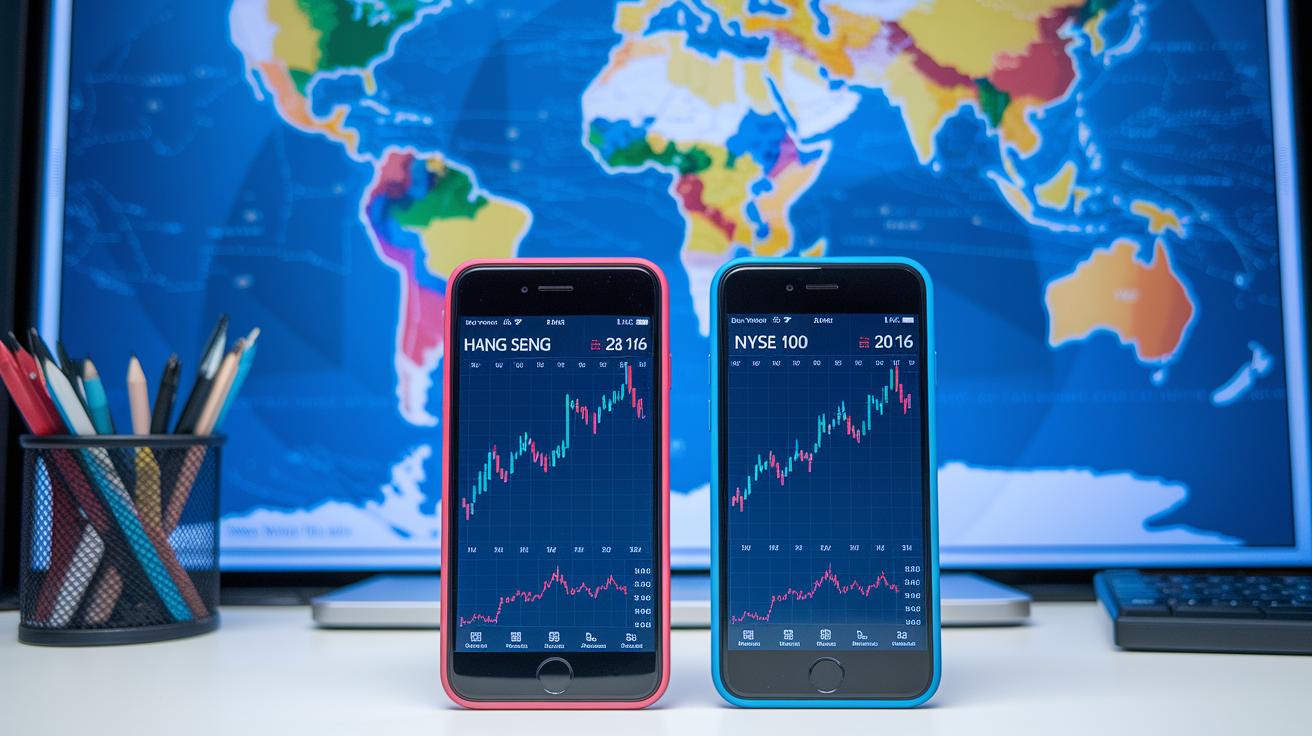
We've been looking at global equity markets and noticed some interesting differences. For example, the Hang Seng made a strong gain while the NYSE US 100 saw a decline. It shows that even big, well-known markets can behave very differently in a short time.
We combined this analysis with our broader Global Equity Overview and Regional Market Insights to give you one clear, easy-to-follow view without repeating what we shared before.
Economic and Geopolitical Drivers in World Equity Markets
Lately, the global market has been stirred by influences that go well beyond usual economic activities. Oil prices fell after news broke of a cease-fire between Iran and Israel, which helped calm the ups and downs in energy stocks. Meanwhile, many traders found themselves stuck with extra copper stocks they had built up before a planned 50% US tariff vanished, putting pressure on the related commodity shares.
These changes have made investors shuffle their positions across different sectors. Tensions near the Strait of Hormuz combined with US strikes on Iranian targets have led many to reconsider their exposure in regions hit by political instability. It’s almost as if the market is a domino setup, one event triggers another, each adding its own twist to the mood of the investors.
Some key drivers shaping these shifts include:
- Oil price ups and downs
- Imbalanced commodity inventories
- Regional geopolitical strains
- Changes in fiscal policy
- Fluctuating currencies
Each of these factors mixes together to create a complex environment. Their interplay often leads investors to quickly adjust their strategies, always trying to balance the risks with the opportunities that pop up on the global stage.
Historical Trend Analysis for World Equity Markets
Looking back, past equity cycles teach us a lot about the unexpected twists in the market. In 2018, many traders braced for heavy US tariffs, only to be taken aback by a sudden surplus of copper. It’s a bit like putting together a puzzle and finding a piece has changed shape, making you pause and rethink your strategy.
Commodity trends often reflect bigger shifts in the economy, so staying alert becomes key. Sometimes, even the best trend-spotting techniques miss a beat, reminding us that markets can surprise us at any moment.
Today, many investors lean on model-driven analysis to predict long-term growth. For instance, Citigroup’s forecast that gold might drop to $2,500 per ounce by 2026 shows how these models blend different economic ideas to spot potential trends. It’s like watching a visual pattern come to life over time, giving you a clearer picture of what might happen next.
By mixing historical data with real events, investors build a solid plan to navigate the ever-changing global equity market. And that blend of numbers with life’s real ups and downs can boost confidence as we prepare for whatever shifts lie ahead.
Strategic Investment and Allocation in World Equity Markets
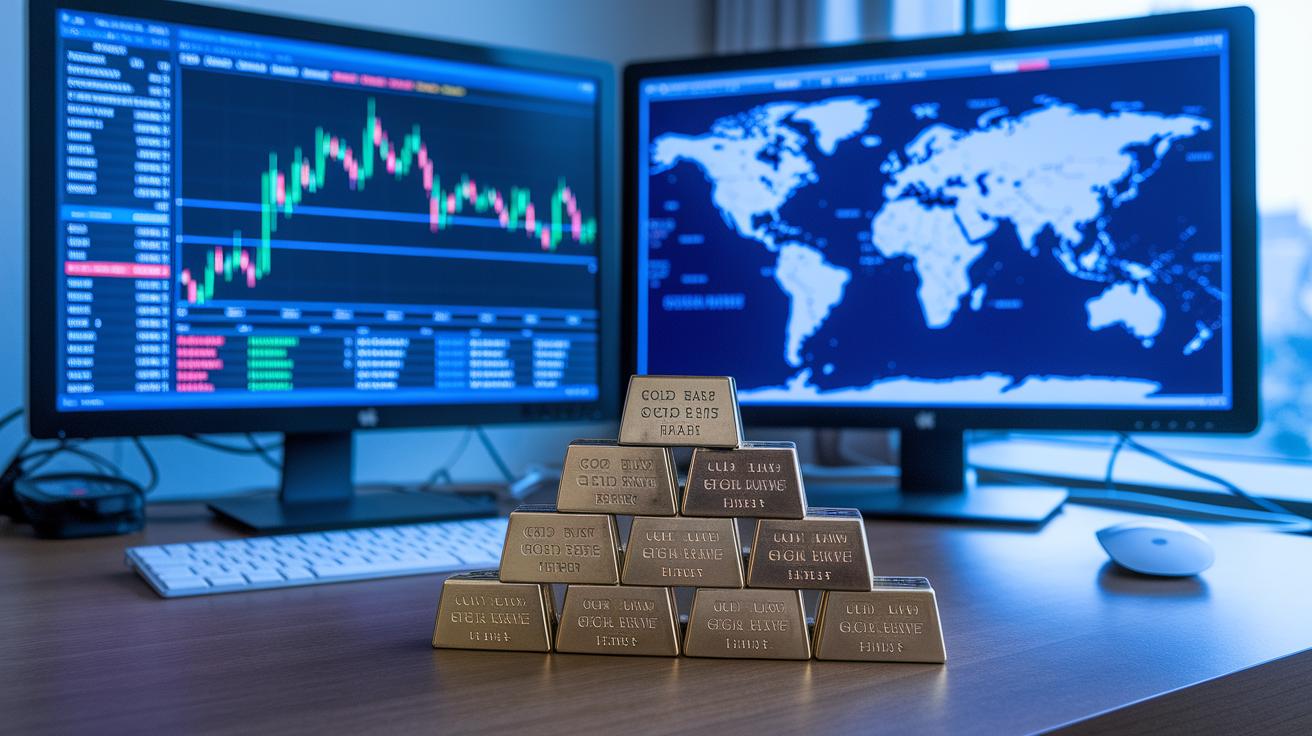
If you're aiming for steady growth, it's smart to rely on time-tested asset allocation methods and solid portfolio management. By spreading your investments across various stocks, you can cushion yourself from sudden market swings. Citi analysts mentioned that worries over gold are nudging investors toward safer and growth-focused areas. And with the Hang Seng and NYSE US 100 moving in different directions, many traders are rethinking their strategies.
Advanced trading techniques can really help manage risk when things get choppy. In fact, even seasoned investors have adjusted their portfolios after unexpected market changes. For insights on international tactics, check out strategies for global markets, and learn how to refine your steps with a detailed portfolio management process.
To build a robust plan, start by keeping an eye on market signals and spreading your investments across different sectors. Simple ideas like rebalancing and making targeted adjustments offer a clear way to handle sudden shifts. By blending careful analysis with quick decision-making, you can create a portfolio that stays strong even when surprises pop up.
In truth, following these best practices not only helps you seize opportunities but also supports you during downturns. It all comes down to being prepared and confident in your strategy, so you can take on market challenges with ease.
Outlook and Risk Management for World Equity Markets

We've updated our approach to managing risk by using fresh data to measure liquidity (how easily an asset can turn into cash) and by applying new projection models. These new methods check how fast assets can be converted into cash, imagine paying at a store and noticing how quickly the cashier works. The faster the change, the lower the risk in choppy markets.
Investors now mix detailed liquidity information into models that catch small shifts before they grow into bigger problems. By using daily snapshots of market performance, these models give us a clearer picture of how the market might handle stress. We also take a fresh look at how fiscal policies and economic plans could shake things up, helping us see the bigger story behind market stability.
Final Words
In the action, this article provided a snapshot of global performance in world equity markets, comparing market movers from Asia-Pacific to U.S. indices. It highlighted key economic shifts, regional insights, and historical trends that shape today’s financial decisions. We saw how factors like oil price shifts, policy changes, and evolving market dynamics influence investment strategies. The discussion sharpens our view on asset allocation and risk management. Stay confident and curious as you apply these insights to secure and smart investment choices.
FAQ
Q: What is the current status of world equity markets today and what is the world stock market doing today?
A: The current status of world equity markets shows a mix of gains and declines. Regions like Asia-Pacific often lead, while U.S. large-caps sometimes lag behind, offering a dynamic picture in global trading.
Q: Where can I view a graphical representation of global stock market trends?
A: Graphical tools like live charts and graphs display key indices and trends, making it easier to track market movements and compare global equity performance in real time.
Q: What is the latest global market news?
A: Global market news covers key shifts in indices, updates on economic drivers, and reports on major moves that shape the overall flow of international equity markets.
Q: How is the U.S. stock market performing today, and where can I see a live chart?
A: The U.S. stock market often shows varied trends with real-time live charts available to track its performance and monitor rapid shifts in major indices throughout the trading day.
Q: What defines a global market index?
A: A global market index measures a select group of stocks from various exchanges, offering a snapshot of worldwide equity performance and reflecting diverse market segments.
Q: Which are the major world stock markets?
A: The major world stock markets include the NYSE, Nasdaq, London Stock Exchange, Hong Kong Stock Exchange, and Tokyo Stock Exchange, serving as key hubs for international trading.
Q: Which equities market is the largest globally?
A: The largest equities market is typically the U.S. market, driven by exchanges such as the NYSE and Nasdaq, with high trading volumes and broad investor participation.
Q: How extensive is the world equity market?
A: The world equity market spans trillions of dollars in market capitalization, bringing together diverse sectors and regional performances that fuel global investment trends.