
Ever wonder how some businesses seem to get market changes just right? They use trend analysis, which is like putting together a puzzle from past numbers to see clues of what’s coming. It turns raw data into simple ideas that help make smart choices.
By looking at everyday numbers along with changes that happen with the seasons, you can notice early hints of shifting trends. In this post, we break everything down in plain language so you can see how these clues create a roadmap for making decisions in a busy, data-rich world.
Understanding Trend Analysis: A Clear Definition

Trend analysis is really all about spotting patterns in past numbers so you can guess what might happen next. It uses time series data, which means taking regular snapshots, like looking at numbers every day or every hour. For example, an analyst might check daily sales to see if there are any quick jumps and then look at monthly figures to catch seasonal shifts. This way of looking at data is key in finance, accounting, and market research because it paints a clear picture of how things went before.
Next, you start by digging into old data to pick out trends that could guide future decisions. Analysts clean up, sort, and study the numbers using simple trend lines or even some more advanced tools. This helps them notice repeating patterns and small changes over time. In short, this careful process turns raw data into easy-to-understand insights, giving decision-makers the clear direction they need in a fast-paced, data-filled world.
Role of Trend Analysis in Forecasting and Decision Making

Trend analysis is a smart way for businesses and financial experts to see what’s been happening in the market. By looking at past numbers, you get a clear picture of performance that helps guide better decisions. Using historical data means you can spot early signs of market shifts and find opportunities that you might otherwise miss. This method is handy for both predicting financial trends and quickly adjusting your strategy so you spend your resources wisely and confidently.
- It uses past data to help predict future trends.
- It can lower risks by spotting downturns before they hit.
- It steers your resources toward the most promising areas.
- It helps catch trends early for maximum benefit.
- It backs investment choices with solid, historical evidence.
For example, some companies study detailed market data to refine their financial models, which improves their forecasting. Have you ever thought about how catching a trend early could change your strategy?
Trend Analysis Types: Accounting, Technical, and Fundamental Insights

When it comes to reading market trends, there isn’t just one way to figure things out. In fact, many businesses lean on three main methods, accounting, technical, and fundamental analysis, to peek into past performances and shape future plans. Each approach shines a light on different parts of a company’s numbers, giving you a full picture of the market’s heartbeat.
Accounting trend analysis is all about crunching the numbers on income statements. This method, often called horizontal analysis, compares critical details like revenue and the cost of goods sold over time. It helps spot small shifts that might mean big changes in a company’s health. Think of it like watching a plant grow, each new leaf tells you something important. Tools from sites like TradeWisely.com make these calculations much easier.
Technical trend analysis, on the other hand, examines the actual stock price movements and trading volumes. By looking at these short-term changes and cycles, you can notice patterns that might signal key moments for trading. For instance, if you see trading volumes spiking repeatedly, it could be a sign that investors are getting excited. This type of analysis is more about reading the energy in the market right now.
Then there’s fundamental trend analysis, which mixes hard numbers with context. This method digs into financial documents and meshes them with the bigger market picture. It’s a long-term view that treats numbers like clues, you piece them together with things happening in the world to get a clearer idea of a company’s true value. It’s like putting together a puzzle to see the whole scene.
| Type | Focus | Typical Timeframe |
|---|---|---|
| Accounting | Income statements and cost analysis | Quarterly/Annual |
| Technical | Stock prices and trading volume | Daily/Hourly |
| Fundamental | Financial documents and market context | Long-term |
Procedural Steps for Conducting a Trend Analysis

Trend analysis is like piecing together clues from the past to help you make smart decisions today. You start by gathering figures from various spots, sales numbers, website visits, customer feedback, and then you give the data a little cleaning so it’s spot on.
Once your data is neat, you pick the numbers that really matter and use methods like regression (a way to see how things change over time) or moving averages (which smooth out the bumps). This helps you figure out how strong a trend really is.
Here’s a simple way to break it down:
- Collect your data.
- Clean and normalize your data.
- Choose the key numbers you want to measure.
- Pick a statistical or chart method to use.
- Interpret what the trend shows.
- Report your findings.
Before you dive in with any numbers, it’s smart to double-check that your data is complete and error-free. Even tiny mistakes can throw off your whole picture. Tools like Excel or Google Sheets can make repetitive calculations easier and help avoid manual errors.
It’s also a good idea to experiment a bit. Try out different methods, maybe a trend line, or regression, or a moving average, to see which one shines the clearest light on the patterns you need. Keeping your process clear and systematic helps you catch the real trends and not get sidetracked by random ups and downs.
This careful approach gives you a better shot at making reliable predictions and guiding solid decisions, even when market conditions shift unexpectedly.
Industry Applications of Trend Analysis Across Sectors
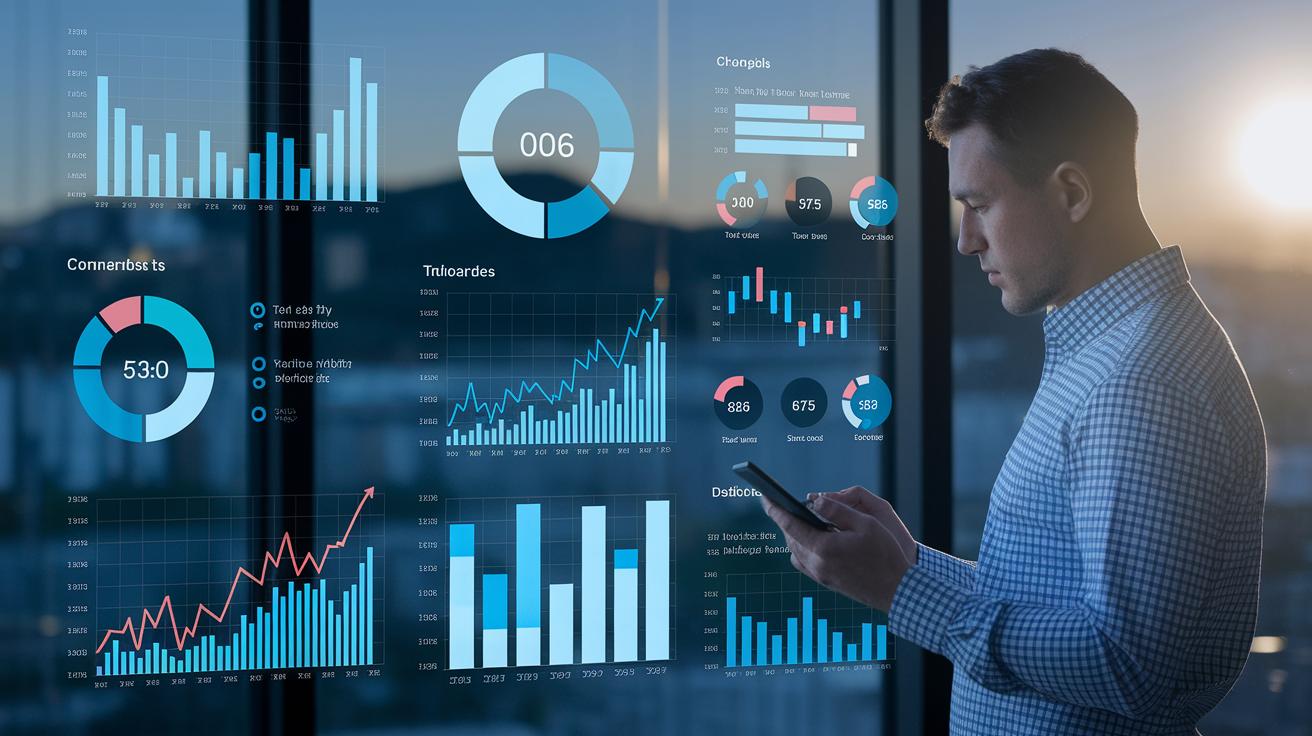
Trend analysis is a handy tool that helps businesses see patterns in customer behavior and market shifts. It gives companies, whether they’re big or small, a chance to adjust their plans and be ready for what comes next. Have you ever seen how a retailer figures out seasonal changes? The very same idea helps a financial advisor tweak investment strategies when the economy takes a turn.
- Retail Forecasting: Retailers keep an eye on sales patterns to understand what customers prefer at different times of the year and adjust their stock accordingly.
- Portfolio Management: Financial advisors use trend insights to shape investment portfolios, watching for shifts in the economic cycle to make smarter choices.
- Accounting Audits: Audit teams rely on these techniques to spot unusual activity that could signal errors or even fraud.
- Market Research: Analysts dig into trend data to get a clear picture of overall market performance and changes in consumer behavior across various industries.
When companies use these methods, they’re not only ready for quick ups and downs but also set up strong plans for the future. Looking at past patterns gives them a solid base to plan new initiatives and manage resources wisely. Over time, these insights help sharpen business models, improve daily operations, and support decisions with clear, data-backed evidence. In truth, having a good grasp of trends is crucial for building a resilient, well-prepared organization.
Advanced Tools and Visualization Techniques for Trend Analysis
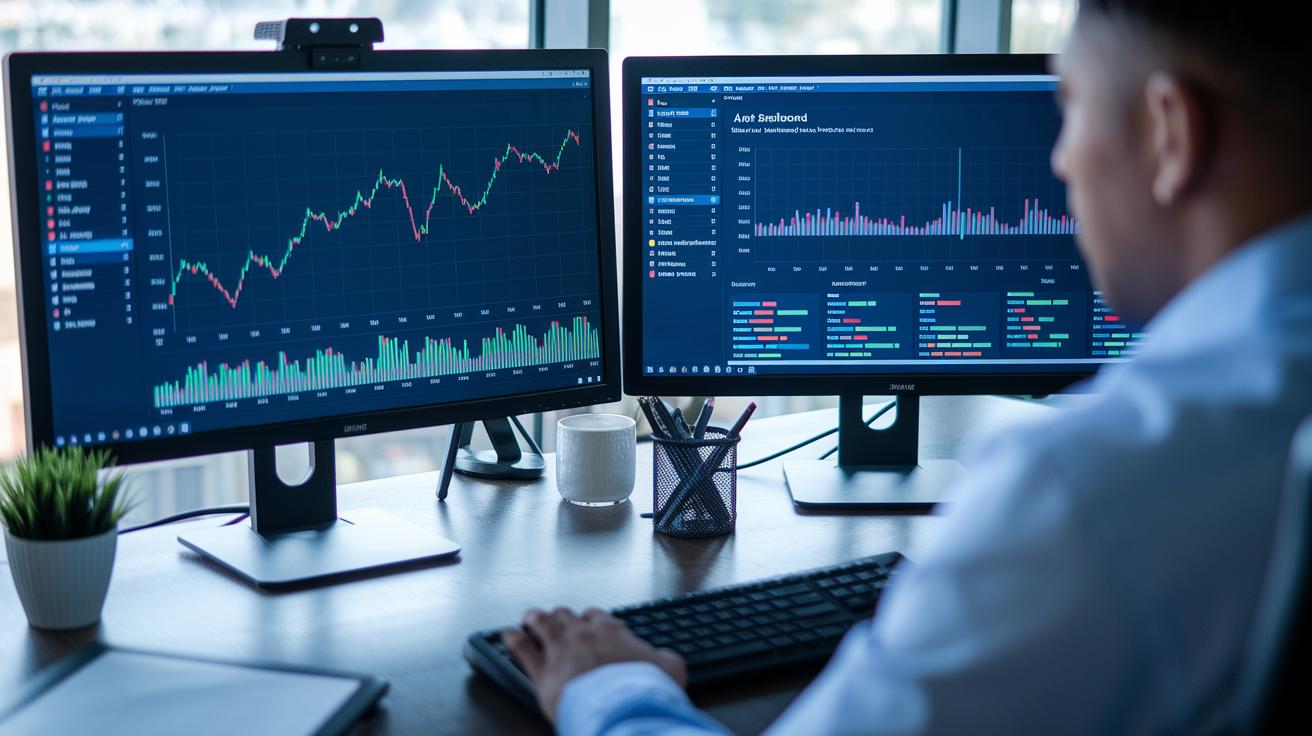
When you're analyzing trends, picking the right tool can really change how clear things appear. Simple tools like Excel work well for basic calculations and fixed formulas, but they often can't catch the more advanced patterns.
Specialized software, on the other hand, usually includes features like regression models (a method to fit lines to data points), ARIMA time-series analysis (which helps predict future trends by studying past data), and even machine-learning forecasts (where computers learn from data to predict outcomes). These methods use statistical processing and automation to give you a sharper view of the trends.
Visualization strategies also play a big role. Tools like interactive dashboards and line charts with moving averages help break down complex data into clear images. For instance, an analyst might switch from a basic spreadsheet chart to a dynamic visual that updates in real time, making it easier to spot shifts as they happen.
| Tool | Technique | Use Case |
|---|---|---|
| Excel | Linear Regression | Basic forecasting |
| Specialized Software | ARIMA Analysis | Time-series insights |
| Interactive Dashboard | Moving Averages | Visual trend clarity |
When choosing your tools, think about how complicated your data is and how deep you want your insights to be. For simpler tasks, a spreadsheet might do the job, but for large data sets and subtle patterns, advanced software is the way to go. Tailor your approach to fit your goals and enjoy a clear, effective view of the trends in play.
Final Words
In the action, we explored trend analysis definition and its role in forecasting. We broke down how historical data helps us see patterns that inform smart investment choices.
We also reviewed the methods, types, and steps needed to work with trend analysis. Plus, we saw its impact in various sectors and how advanced tools can make insights clearer.
Stay curious and positive, each bit of insight helps you shape better financial decisions.
FAQ
Q: What does trend analysis mean in economics and business?
A: The trend analysis means tracking past data to spot patterns and predict future performance in fields like economics and business. It uses historical time-series data to uncover steady changes over time.
Q: What is trend analysis in accounting?
A: The trend analysis in accounting involves comparing financial statement figures over periods. It tracks changes in revenue and expenses to help assess a company’s performance over time.
Q: What is a trend analysis example?
A: The trend analysis example could be reviewing monthly sales figures over a year to reveal seasonal patterns and overall growth trends that guide business planning.
Q: What is the trend analysis formula?
A: The trend analysis formula often calculates percent change or uses slope equations to measure how data points vary over time using basic spreadsheet functions.
Q: How can I conduct trend analysis online?
A: The trend analysis online means using digital tools like Excel, Google Sheets, or dedicated software that automates data processing to identify consistent patterns efficiently.
Q: What is trend analysis in financial statement analysis?
A: The trend analysis in financial statement analysis uses multiple periods of financial reports to assess performance trends, helping highlight improvements or potential issues in a business.
Q: Where can I find trend analysis PDF resources?
A: The trend analysis PDF resources are downloadable guides that offer detailed instructions, examples, and templates to help you understand and apply trend analysis techniques.
Q: What are the six steps in conducting trend analysis?
A: The six steps in conducting trend analysis involve data collection, cleaning, metric selection, choosing analytical methods, interpreting results, and reporting findings to inform decisions.
Q: What best describes trend analysis?
A: The best description of trend analysis is a methodical evaluation of past data to reveal patterns that aid in predicting future behavior, making it useful across different industries.
Q: What are the three types of trend analysis?
A: The three types of trend analysis include accounting, technical, and fundamental methods. Each focuses on distinct data aspects such as financial statements, market graphs, and quantitative-qualitative evaluations, respectively.