
Could the stock market be ready for a big jump? Lately, large companies are making rapid moves while smaller ones steadily catch up.
Imagine major tech stocks like runners in a relay race, each passing the baton and pushing forward. For example, the Russell 2000 recently rose by 7.50%, and experts predict steady progress over time.
It kind of reminds you of the thrill of a well-timed trade, steady growth mixed with bursts of quick gains. In this post, we'll break down these trends and explain why many investors are feeling optimistic about what's ahead.
Equity Markets Outlook: Bright Prospects Ahead
Markets have been buzzing with energy recently. The S&P 500 peaked at 6,532 before dipping to 6,475 in a quick swing, showing just how lively big companies can be. In contrast, the Russell 2000 has been climbing steadily, rising by 7.50% over the last month, while the S&P 500 and Nasdaq posted smaller gains of 2.08% and 2.40%.
Big tech stocks, often called the Magnificent Seven, have really driven strong returns over the past decade. Think of it like a relay race where one team passes the baton smoothly every time, giving them a steady lead compared to others by about 6 percentage points on an annual basis.
According to simulations from the Vanguard Capital Markets Model as of June 30, 2025, analysts are expecting steady 10-year nominal returns with moderate ups and downs. For those who want to dive deeper into the details, you can check out more at this future financial markets link. This long-term outlook gives investors a clear picture of balanced growth paired with manageable risk.
There’s also an interesting split between large-cap and small-cap stocks. While the strong performance of mega-cap tech stocks lifts the whole market, smaller companies, even when measured by return on invested capital, tend to trade at lower valuations. It’s a bit like watching two teams in a game: the big players set a fast pace, but sometimes the smaller ones come through with surprise moves.
Investors today have a mix of short-term opportunities and long-term potential to consider. With global forecasts suggesting balanced gains, this is a time to blend the excitement of quick trades with the assurance of steady, ongoing returns.
Economic Drivers in Equity Markets Outlook: Policy, Rates, and Inflation

U.S. GDP growth is expected to be around 1.5%, so businesses might expand slowly in the next few months. Core inflation is coming in at about 3%, which means prices for everyday goods and services are rising at a steady pace. Picture it like watching a small stream gradually fill a pond, you notice the change, little by little. It’s a bit like seeing your grocery bill inch up month by month, reminding you that prices are on the rise.
Tariff changes are part of the picture too. Experts believe that by the end of the year, the effective tariff rate will settle at around 17%. This shift affects not only what you pay at the store but also the costs for those making the products. Many in the market are taking these changes into account when planning their next moves.
Interest rates add another twist to market sentiment. Recently, the yield on the 10-year Treasury fell by eight basis points to 4.08%. This small drop hints that people are beginning to expect different borrowing costs in the near future. On top of that, markets are already considering about a 10% chance that we might see two rate cuts at the September FOMC meeting.
Fiscal policy matters as well. Government spending and changes in taxes can influence all these numbers. For a closer look at how these factors shape our growth outlook, you might want to check out the article on fiscal policy impact on economic outlook.
| Metric | Estimated Value |
|---|---|
| U.S. GDP Growth | ~1.5% |
| Core Inflation | ~3% |
| Tariffs by Year-End | ~17% |
| 10-Year Treasury Yield | 4.08% |
| Fed Rate Cuts Probability | ~10% |
Altogether, these factors form a clear picture of where the market is headed, helping investors and businesses plan for the future with a bit more insight and confidence.
Sector Outlook for Equity Markets: Technology, Energy, and Financials
Technology is still leading the way in the stock market. In the Russell 1000, tech stocks account for about 37% of the exposure, while in the Russell 2000 they only make up around 12%. It’s a bit like a marathon where the big runners carry the tech torch forward with constant innovation and solid earnings. Imagine a tech company that transforms the way you work – its growth really lifts the entire sector.
Meanwhile, energy and financial stocks have taken a bit of a hit recently. Last week, energy stocks dropped by 2.22% and financial stocks slipped by 1.80% after talks by OPEC+ on boosting oil production. It’s like having a rainy day during a picnic – a setback that everyone notices but might not last long. Investors are watching these shifts closely as the sectors adjust to fresh production targets and evolving market conditions.
Some small companies, especially those earning over 20% on their investments, are trading at lower prices compared to their bigger peers. Think of it like finding a local store that offers the same great quality as a big brand but at a friendlier price. This relative discount might hide a real gem for those looking to invest wisely, suggesting that these niche strategies could lead to a strong rebound over time.
Regional Perspectives on Equity Markets Outlook: Developed vs. Emerging
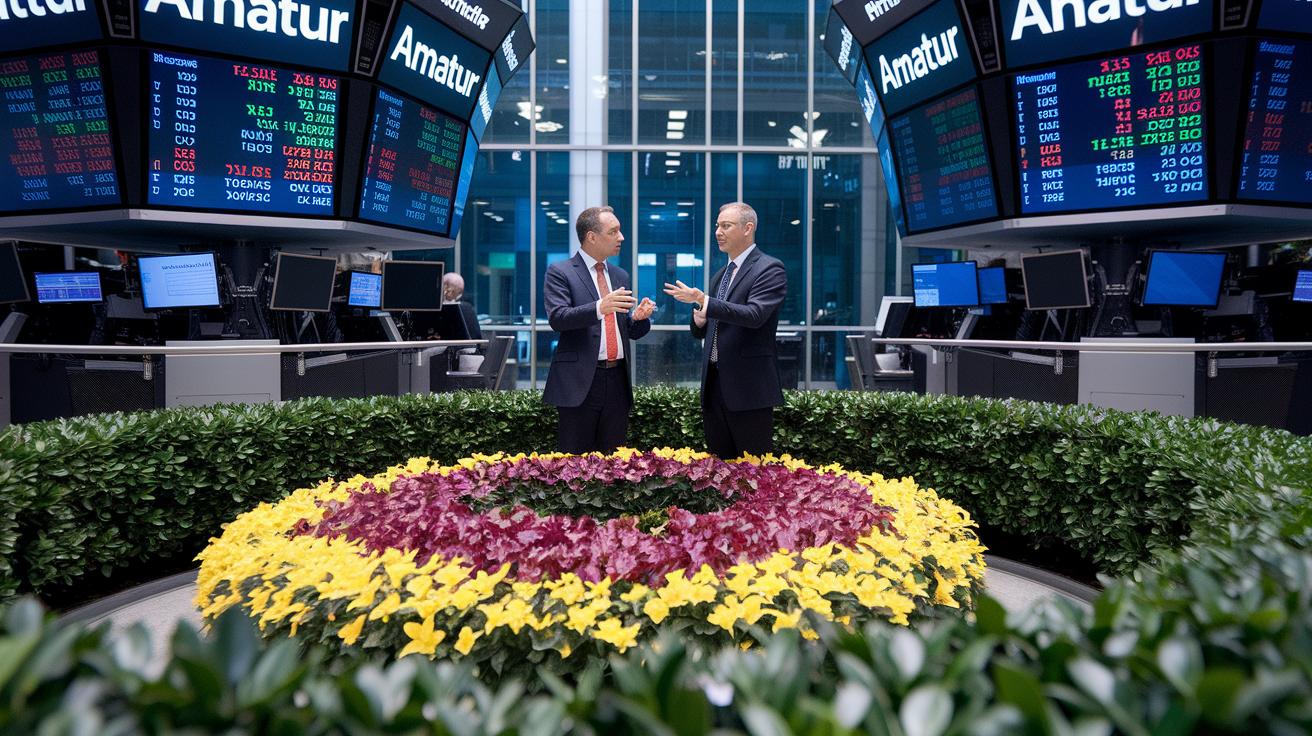
Developed markets are known for their strong institutions and steady financial systems. Lately, central banks in these areas have been taking different approaches when it comes to setting monetary policy. Investors are keeping a close eye as Europe and North America respond in their own ways to these policy shifts. This difference in strategy can open up little pockets of opportunity because solid rules help shield these markets from sudden global shocks. Some even liken these markets to a carefully maintained garden, each part flourishing with its own kind of attention.
Emerging markets, however, are walking a tighterrope between challenges and hidden promise. Global growth is slowing, which puts pressure on these regions, but many countries are now seen at historically low valuations. In parts of Asia, Africa, and Latin America, markets are adjusting to changes in international trade and political risks. New economic ties, especially between the U.S. and key Asian trading partners, are shifting where capital flows, making trade a key factor in these evolving scenarios.
Here are some clear points to keep in mind:
| Market Type | Key Point |
|---|---|
| Developed Markets | Enjoy stable rules and strong financial systems. |
| Emerging Markets | Face more risks but can offer attractive valuations. |
| Overall | Global trade changes add layers of strategy and opportunity. |
If you're looking for more ideas on how different regions strategize their positions, check out the detailed insights at the link provided. It’s a good reminder that market conditions can vary widely depending on a region’s economic stage and geopolitical climate. Have you ever noticed how these differences can make the market feel like a shifting landscape, always full of surprises?
Valuation and Earnings Forecasts in Equity Markets Outlook
Right now, the S&P 500 is showing a high price-to-earnings ratio compared to what we’ve seen in the past. This means investors are willing to pay a premium for companies known for their strong and steady performance. It’s a bit like choosing to pay full price for your favorite snack because you trust its quality, even though there might be a cheaper option available. But remember, if the market slows, these high values could drop quickly.
Smaller companies that earn more than 20% on their investments are trading at lower prices than their larger counterparts. Think of it as spotting a hidden gem in your neighborhood store that offers much better value than you expected. Analysts now predict earnings growth of about 8% to 10%, which suggests that profit margins might gradually improve. This steady boost is giving many a reason to feel optimistic about managed profit gains.
Dividend yield projections are also drawing attention. Forecasts point to an average yield between 1.5% and 2.0% over the next year, offering investors a reliable stream of income, kind of like having a part-time job that helps support your main earnings.
- Key Point: S&P 500 P/E ratios are running above historical averages.
- Key Point: Small-cap stocks with strong returns on invested capital seem undervalued.
- Key Point: Dividend yields are expected to stay around 1.5%–2.0%, with earnings growth between 8% and 10%.
Equity Markets Outlook Risk Assessment: Volatility and Sentiment Indicators

Have you ever noticed how some stocks seem to be riding a steady wave while others lag behind? Right now, about 67.13% of the S&P 500 stocks are trading above their 200-day moving average. Meanwhile, only 51.19% of Nasdaq stocks and 63.23% of Russell 2000 stocks hit that mark. It feels like the big companies are doing well, but not everyone is on the same page.
There’s also a little signal called the Relative Strength Index (RSI). Even though prices are climbing, the RSI is dropping. In plain language, that could mean a short pause is ahead. Investors might grab their gains and wait a bit before the next big move.
Then we have the VIX, often nicknamed the market’s “fear gauge.” It’s gone up by 5% in the last two weeks, which shows that some investors are feeling a bit uneasy. A rising VIX usually means folks are reconsidering their investments, just in case there’s a sudden market drop or even hints of a recession.
Let’s sum up the key points:
| Indicator | Value |
|---|---|
| S&P 500 (above 200-day moving average) | 67.13% |
| Nasdaq (above 200-day moving average) | 51.19% |
| Russell 2000 (above 200-day moving average) | 63.23% |
| VIX Change | 5% increase in 2 weeks |
In truth, while many of the larger companies keep a strong pace, these signals suggest we should be a bit cautious. Keep an eye on these trends, they might just be the signal you need to prepare for a natural pause in a busy market.
Strategic Allocation for Equity Markets Outlook: Portfolio Implications
If you’re trying to mix growth with a bit of steady safety, you might want to add a small boost of high-ROIC small-caps to your portfolio. Think of it like a dash of spice, it’s not a lot, but it can really brighten up your overall mix. These small-cap stocks often trade for less compared to bigger companies, so even a little extra exposure can help firm up your portfolio, especially if interest rate cuts come into play.
One simple approach is to keep about 60% of your core equity portfolio in large-cap stocks. They’re like the solid base of a building, reliable and steady. The other 40% could be split among high-ROIC small-caps, international stocks, and alternative investments. This mix is similar to carrying an umbrella on a rainy day; it helps cushion you during market downturns.
Risk management is also very important. Tools like stop-loss orders or checking your portfolio every few months can help keep one area from taking over. For example, by reviewing your allocations every quarter, you can catch small shifts before they turn into bigger problems.
You might also find useful tips from trusted sources on portfolio weighting. By combining quality, undervalued small-caps with the dependable strength of large-cap stocks and added variety through international and alternative assets, you set up your strategy to capture new growth while staying well-protected against market ups and downs.
Final Words
In the action, our post walked through current market trends, spotlighted benchmark index moves, and compared large-cap and small-cap shifts. We explored key economic drivers like policy, rates, and inflation while breaking down sector dynamics across tech, energy, and financial services. Regional perspectives and valuation forecasts rounded out our view, with a keen eye on risk signals and portfolio strategy. This snapshot of the equity markets outlook aims to spark smart moves and leave you feeling upbeat about the path ahead.
FAQ
What is the stock market forecast for the next six months?
The stock market forecast for the next six months projects moderate volatility as trends reflect current economic data and sector performance, guiding investors to prepare for possible short-term fluctuations.
How does the equity markets outlook appear in 2025?
The equity markets outlook in 2025 indicates steady growth influenced by fiscal policy and global trends, with experts expecting consistent returns, manageable volatility, and evolving contributions from various market sectors.
What are the stock market predictions for the next five years?
The stock market predictions for the next five years suggest gradual growth punctuated by periodic corrections, driven by long-term earnings growth, valuation trends, and shifts between small-cap and large-cap performances.
What do stock market predictions for tomorrow indicate, including insights from CNN?
The stock market predictions for tomorrow point to short-term fluctuations, where technical indicators and sentiment measures guide expectations, with CNN highlighting current investor behavior and market momentum as key signals.
What is the stock market forecast for the next three months?
The stock market forecast for the next three months expects short-term volatility shaped by economic drivers, policy adjustments, and sector rotations, suggesting investors stay alert to rapid changes in market dynamics.
When is the next stock market crash predicted?
The next stock market crash prediction remains uncertain, as rising volatility and sentiment shifts signal potential risks without a specific timeline, encouraging investors to maintain cautious strategies and diversified portfolios.