
Ever wondered if a few clicks could give your business a real boost? This case study shows how Digital Trends turned everyday data into a tool that chopped weeks of work down to just a few hours. Working with Omni, they took a flood of numbers and turned them into clear insights that helped teams in finance, editorial, and partner reporting tighten up their plans.
This smart move proves that targeted trend analysis can really fire up your strategies and lift sales. It’s like turning raw data into the engine that drives growth. Let’s take a closer look at how these practical steps transformed simple data into a powerful growth tool.
Real-World Application of Trend Analysis: A Case Study Overview
Digital Trends welcomes 125 million unique visitors each month, making it a top spot for tech and lifestyle content. With such a huge crowd, the need for up-to-the-minute and honest analytics really stands out. Think of it like a busy city street where every click adds to a growing story. The team needed a smart and efficient way to collect and understand these numbers for different groups like Editorial, Finance, and Partner reporting.
They had limited resources and needed to do more with fewer hands, so Digital Trends decided to work with Omni. In meetings with the Omni crew, it quickly became clear that Omni’s clean, self-serve analytics could go toe-to-toe with tools like Looker. Best of all, it fit perfectly with their lean setup. Imagine cutting weeks of work down to just a few hours, partner reports now take less than 24 hours thanks to Omni’s all-in-one platform.
The project set clear goals from the start:
| Objective | Description |
|---|---|
| Unified Data Access | Make data easy for every team member to reach. |
| Streamlined Editorial Planning | Simplify planning for content creation. |
| Accelerated Finance Reporting | Speed up financial data insights. |
| Improved Partner Reporting | Deliver better dashboards for partners. |
| Cost Efficiency | Lower overall expenses on analytics. |
These clear targets not only boosted efficiency across departments but also paved the way for a bold goal: using trend analysis to boost sales by 30%. Digital Trends’ story shows how sharp analytics and clear data insights can power up a business even in the fast-paced digital world.
Trend Analysis Case Study: Data Collection and Quantitative Techniques
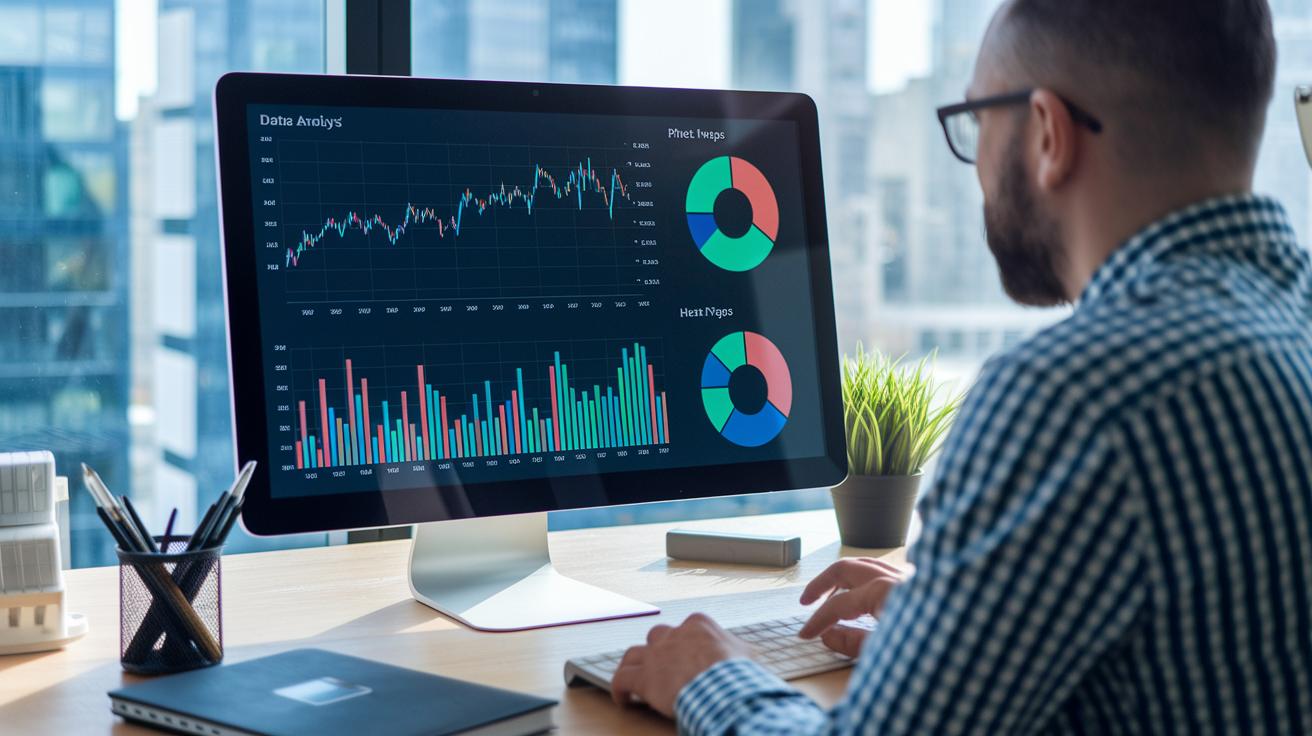
Over two years, we gathered a wealth of data from many sources, like web analytics logs, revenue records, and partner performance metrics. This steady flow of information built a strong base for using simple, number-based methods to track market trends and shifts.
By watching the data closely over time, our team noticed small changes in user habits and revenue flows. It was like seeing the monthly heartbeat of the market, with each metric telling its own story.
| Method | Description | Use Case |
|---|---|---|
| Time Series Analysis | Follow numbers over set time gaps | Monthly traffic and earnings trends |
| Mann-Kendall Test | Spot significant changes | Notice rising or dropping user activity |
| ARIMA Model | Guess future figures | Forecast next quarter’s revenue |
To make sure our methods were solid, we ran rolling checks that compared our forecasts to real results. Using well-known financial tools like those at TradeWisely, our analysts compared predicted numbers with what actually happened. This step-by-step check made it clear that our time series analysis captured monthly market rhythms, while the Mann-Kendall Test reliably flagged real changes in user engagement. At the same time, the ARIMA model proved its worth by clearly and accurately predicting future earnings. Integrating these methods into our reporting tools meant our management dashboards stayed up-to-date, allowing for fast and smart decisions. All of this rigorous testing and real-time updating helped turn a mountain of data into clear, actionable insights.
Trend Analysis Case Study: Visualizing Market Patterns
We used line charts, heat maps, and moving average overlays to turn our data into easy-to-understand stories. The line charts showed the gentle beat of trends over time and seasonal cycles so our team could quickly see how the numbers changed. Heat maps, with their bright color cues, let us know exactly when users were most active, kind of like having a color-coded schedule. And the moving average overlays smoothed out the sharp ups and downs, filtering away the daily noise to reveal the true direction. One analyst even said, "It’s like seeing the market’s heartbeat in real time" when comparing messy raw data with the smooth curves.
We then combined these visualizations into interactive dashboards built right into our CMS. During editorial meetings, team members could instantly spot new content ideas by checking the dashboards against the heat map data, timing posts exactly when user activity peaked. Meanwhile, the Finance team connected revenue trends with market behavior through these dashboards, which helped them adjust spending plans quickly. In the end, these real-time tools turned raw numbers into clear insights, empowering our teams to act fast on emerging content and revenue opportunities.
Trend Analysis Case Study: Sentiment Analysis in FMCG and Retail
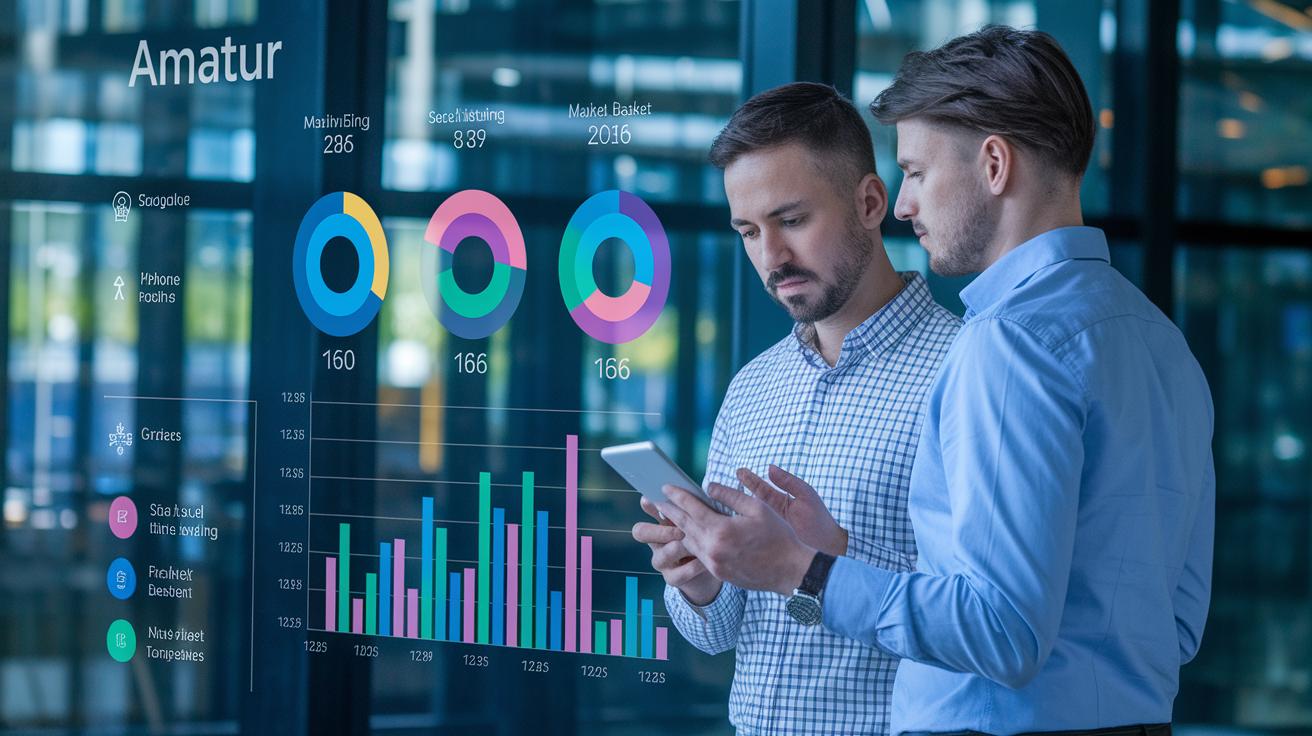
Social listening and text analytics have been game changers for big FMCG brands like L’OREAL and NESTLÉ. Our team kept a close watch on online chats and measured how folks felt, reaching about 90% accuracy. For example, tuning into social media buzz let us see real-time emotions and get a clear idea of how consumers saw the brands.
Market basket analysis also played a big part in retail success, especially for brands such as TOMMY HILFIGER. By looking at past shopping patterns, our analysts could spot which product pairs were popular and hinted at buying habits. This method helped us figure out which products worked best together and sharpened the overall retail strategy.
Bringing together insights from social listening, expert surveys, and market basket analysis really transformed how we planned promotions and product launches. The combined data showed new trends and helped us pick the best moments to launch products. Marketing teams could then align releases with consumer excitement and design promotions that hit the mark. This all-in-one approach made every campaign more timely and focused, boosting brand strength and driving sales in competitive market times.
Trend Analysis Case Study: Outcomes and Business Impact
Sales jumped by 30% after our trend-based strategies kicked in. It’s amazing to see how clear data insights can lift a company’s profits. Plus, tasks like partner reporting that used to take weeks now wrap up in under a day.
Finance saw big wins too. By taking a closer look at revenue streams, income from site traffic grew by 18%, and our editorial planning got 25% more on target. These improvements aren’t just quick wins, they’re real shifts in how teams work smarter and faster every day.
Linking these results to smart planning made all the difference. Trend analysis wasn’t just about chasing numbers; it opened the door to smarter business decisions. Clear metrics helped streamline our operations so teams could react immediately to market shifts. Finance knew exactly where to improve, editorial fine-tuned content strategies, and partner teams quickly acted on shared insights. Over time, this coordinated approach boosted overall performance and sharpened our competitiveness. Essentially, aligning our performance metrics with strategic goals set the stage for nimble decision-making and steady growth across every department.
Trend Analysis Case Study: Lessons and Future Directions

This case study showed a few big hurdles that slowed progress. Data silos made it hard for teams to share and mix information, almost like trying to fit square pegs into round holes. On top of that, the models focused too much on old data noise rather than real, meaningful trends. And, some team members were hesitant to trust the new statistical methods. Ever tried using a tool only to find its pieces just don’t match? These challenges really put the project’s flexibility to the test.
The fix was surprisingly simple. A clear research framework gave everyone a solid starting point. Teams set up regular checks on their models to catch mistakes early, preventing small errors from growing into big problems. They also ran forecast accuracy tests regularly, which made the predictions line up better with real-world results. One team member even said, "Regular checks turned our assumptions into actionable data." In plain terms, these steps helped smooth out the bumps and build trust in the process.
Looking ahead, trends suggest that AI-driven predictive models together with big-data platforms are set to revolutionize trend analysis. These tech advances can spot deeper patterns and scale up analytics, automatically shifting strategies as the market changes. Curious to see more? There’s more out there on market analysis examples to explore. This forward-thinking method is paving the way for the next generation of clear, data-driven decision-making in our digital age.
Final Words
In the action of the article, we saw how Digital Trends partnered with Omni to overcome resource constraints and achieve impressive outcomes. The case study broke down key quantitative methods, clear visual tools, and thoughtful sentiment analysis. It showed how a focused trend analysis case study can drive sales up by 30% while cutting partner reporting times. The story offers a friendly reminder that smart market insights lead to smarter investment decisions and a secure financial future. Stay positive and keep learning from every market shift.
FAQ
Frequently Asked Questions
What does a trend analysis case study example include?
A trend analysis case study example includes real-world data collection, detailed quantitative methods, clear visualizations, and measurable outcomes. It shows how market trends drive strategic business decisions and improved performance.
How do you present trend analysis?
Presenting trend analysis means using clear charts, such as line graphs and heat maps, alongside interactive dashboards. This approach highlights seasonal patterns and emerging opportunities, making complex data easy to understand.
What is a trend analysis framework?
A trend analysis framework is a structured approach that integrates data collection, quantitative analysis, visualization, and outcome evaluation. It guides businesses in spotting patterns, refining strategies, and achieving growth targets.
How do I write a case study analysis?
Writing a case study analysis starts with outlining the business context and challenges, describing the solution steps, highlighting key results, and sharing lessons. This method offers clear insights for future financial strategies.
What are the 6 steps in trend analysis?
The 6 steps in trend analysis typically include gathering data, applying quantitative techniques, visualizing trends, assessing sentiment shifts, evaluating outcomes, and summarizing lessons to guide next steps.