
Have you ever thought that a little insight from your business data might lead to big changes? New trend analysis now mixes classic methods with fresh tools like AI and huge amounts of data. This approach gives companies a clearer view of what might happen next. It picks up on small market shifts, almost like a soft whisper before it turns into a shout. When you really look at your data, you can make smarter decisions and boost your performance. Simply put, the future of trend analysis shines bright, inviting you to see everyday details in a whole new way.
Emerging Innovations Defining Future Trends in Trend Analysis Techniques
Imagine a business that sees up to 30% more sales simply by studying past data. That’s what happens when companies use trend analysis, checking out old numbers to spot clues on how customers behave and how the market changes. Think of it like noticing tiny hints in the everyday buzz of receipts and sales. For instance, consider the surprising fact about Marie Curie; before she became famous, she used to carry test tubes with radioactive material, not knowing the risks. It shows that even small insights can lead to big discoveries.
Now, new forecasting methods are shaking things up in how we gather and handle data. By mixing in tools like AI and big data (huge amounts of information), these methods help us see market changes faster and with more detail. It’s a bit like being able to hear a whisper before it turns into a shout. New techniques can pick up tiny shifts in trends and mix old records with live data to give you clear, useful advice for the future.
With smart algorithms and huge sets of data, trend analysis today paints a clearer picture of how customers are changing their minds. This lets companies tweak their plans quickly to stay ahead of the game. In short, using both tried-and-true models and fresh data tools creates a strong system to boost market performance. And as these tools keep getting better, we can expect even faster choices in our ever-changing business world.
Novel Predictive Models Shaping Future Trends in Trend Analysis Techniques

These new methods are changing how we keep an eye on market trends. You know, when we use math-based models like time series analysis, we spot patterns over time by checking data in order. A good example is the Mann-Kendall trend test, it looks for steady increases or decreases over a period. Picture reviewing monthly sales that gently climb; that steady rise signals a positive market move. And then there's the ARIMA model. It peeks into the past to guess what might happen next, giving us a sound basis for planning.
On the qualitative side, fresh techniques are becoming essential. Think of focus groups as casual chats that gather real customer opinions, so you get a sense of everyday experiences. And with social listening, companies keep tabs on online conversations about their brands, catching public feelings almost as they happen. Plus, surveys with expert insights mix seasoned advice with new trends, sort of like a reality check. It’s like when you notice a recurring comment about a design flaw; businesses grab the chance to fix it fast.
Together, these predictive models blend solid, number-crunching techniques with insightful human feedback. This balanced approach gives a clearer picture of the market and helps businesses respond quickly in a constantly changing world.
Integrating AI and Machine Learning in Future Trends in Trend Analysis Techniques
AI-powered platforms like Quid Discover and Quid Predict are changing how companies find hidden trends in huge datasets. They sift through billions of data points using smart algorithms and easy-to-read visuals such as charts, graphs, and maps. This way, even subtle shifts in how the market behaves get noticed early, almost like spotting the first hint of sunrise in a quiet room.
Machine learning tools are great at catching unusual patterns quickly. They work like a friendly guide, pointing out odd data you might otherwise miss. And generative AI keeps learning from new inputs, sharpening its predictions so companies can try fresh approaches in studying trends.
These systems also use experimental momentum derivations to boost their performance. They catch early signs of new trends and deliver real-time insights that let companies adapt fast. Paired with clear visuals, this speedy analysis gives a real edge in busy markets. By mixing smart AI with practical market know-how, businesses are better able to ride out small shifts and seize new opportunities.
These modern methods make complex data easier to understand while offering clear, actionable insights. In short, they help pave the way for smarter business strategies.
Industry‐Specific Applications of Future Trends in Trend Analysis Techniques
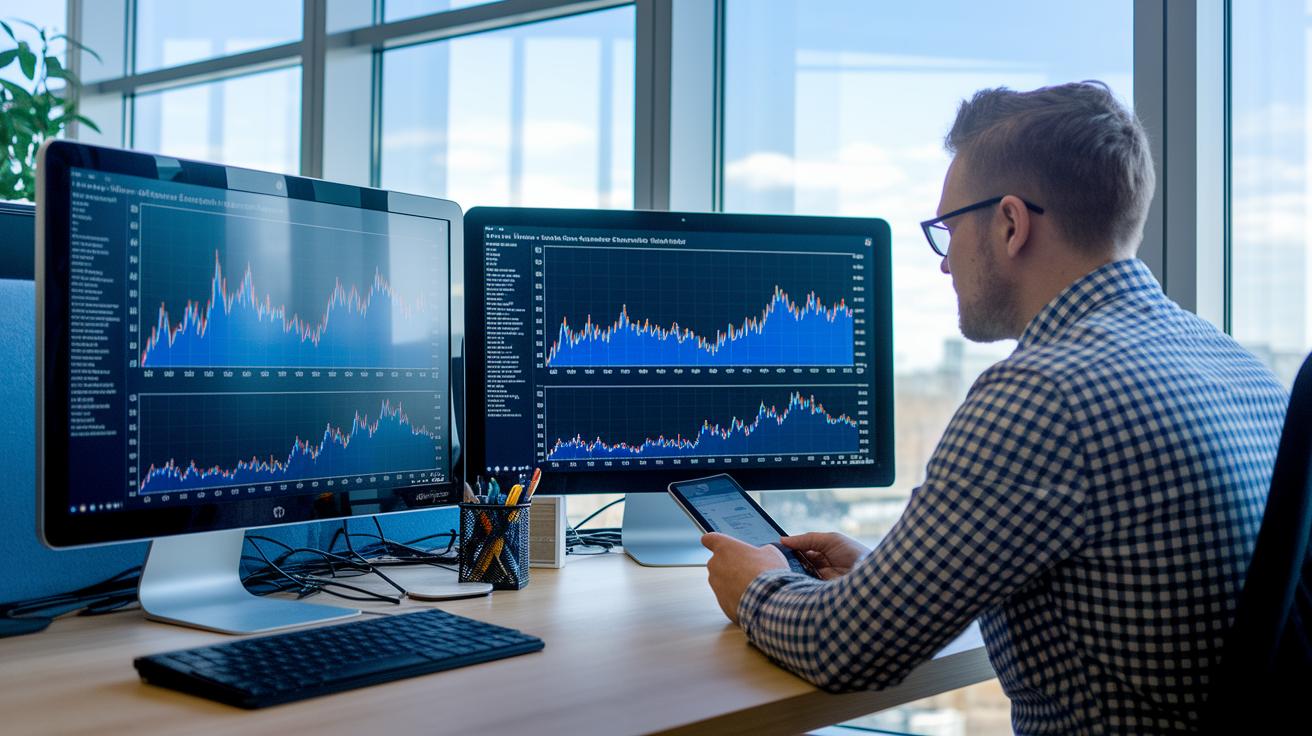
Companies in everyday industries like consumer goods, finance, media, and travel are stepping up their game with new trend analysis methods. Think about it: McDonald’s taps into old sales numbers to inspire fresh menu ideas, much like a chef who tweaks a recipe using familiar ingredients. It shows how looking back at past data can spark exciting new strategies.
In healthcare, fresh techniques are changing how services are delivered. For example, more people are leaning toward health-at-home testing. About 26% of consumers want vitamin tests, 24% prefer cold and flu tests, and 23% are interested in screening for cholesterol. Even more interesting, 35% of users in China like the idea of testing at home instead of visiting a doctor. This tells us that different fields need to work with unique customer wishes to keep up with change.
Real-life examples also point to big shifts in society. Take May 2024, for instance: 175 climate activists were detained while more than half of the people surveyed said they worry about climate change on a regular basis. These observations blend with careful outcome reviews to build a smart, responsive plan that helps businesses navigate an ever-changing market.
Advanced Metric Calculations and Projection Algorithms in Future Trends in Trend Analysis Techniques
Today’s metric calculations use real-time data and smart statistical tools to give us a clearer picture of market movements. For example, a study in higher education used projection algorithms that adjust with the seasons to predict changes in college enrollment. Think of it like capturing a quick snapshot of shifting moods in the fashion world, trends can flip in days, and these models catch that rhythm fast.
These projection tools work by sorting out everyday noise from the meaningful signals. They use refined time series techniques, such as models that can spot when conditions change and methods that examine how much variability exists over time. Researchers found these methods noticed shifts that simpler models just missed.
| Method | Distinct Element |
|---|---|
| Advanced Time Series Analysis | Uses smart filters and picks up on changing trends |
| Dynamic Projection Algorithms | Build in seasonal changes and high-frequency data |
| Quantitative Case Studies | Uses real data to make forecasts clearer |
Best Practices and Tools for Adopting Future Trends in Trend Analysis Techniques

When you dive into smart trend analysis, it’s like turning a big, messy puzzle into a clear picture. Start by creating simple visuals that explain complex numbers, picture sketching a line that shows how a stock’s price moves over time. Each dot on the chart becomes a small story of change.
The main steps are simple:
- Update your models regularly to catch new signals in the market.
- Build solid processes to sift through raw data and pull out useful insights.
- Keep improving your method every time you learn something new from the market.
Figuring out when things change in real-time, like spotting the lowest point in a stock’s cycle, can be tricky. That’s where modern tools come in handy. You can use survey platforms to get direct feedback from customers, Excel for quick number crunching, and tools like Tableau or Zappi to bring your data to life with visuals. For deeper dives, statistical programs like Stata and SPSS are great for extra detail.
Imagine it this way: just as checking a pulse ensures a patient’s health, regular updates to your models can keep your business on track. Using all these techniques together helps you build a smooth, efficient system that finds trends early and sets a unique benchmark for smart, forward-looking strategies.
Final Words
in the action, we explored emerging forecasting methods, innovative predictive models, and AI-powered analysis that bring clarity to financial dynamics. We took a close look at the tools and practices that help manage risk and secure investment data while staying ahead of market shifts.
By examining real-world examples and advanced metric calculations, we witnessed how future trends in trend analysis techniques can guide smarter decision-making. Every insight shared here brings you closer to a more informed and confident investment approach.
FAQ
Q: What do future trends in trend analysis techniques encompass?
A: Future trends in trend analysis techniques include using AI and big data to spot patterns faster and more accurately, boosting insights that help companies better predict market movements.
Q: What are examples of future trends in trend analysis techniques?
A: Examples of future trend analysis techniques involve next-gen estimation procedures, advanced signal extraction, and improved time series models—all designed to refine forecasting and decision-making across industries.
Q: What types of trend analysis are commonly used?
A: Common types of trend analysis include quantitative methods like time series analysis, qualitative methods such as consumer surveys, and basic statistical models that help identify market patterns.
Q: What are some trend analysis examples in practice?
A: Trend analysis examples in practice involve using historical sales data to adjust marketing strategies and tailoring menus based on past performance, demonstrating real-world applications across sectors.
Q: Why is trend analysis important?
A: Trend analysis is important because it helps companies predict consumer behavior and market shifts, leading to smarter decisions and, in some cases, up to 30% higher sales growth compared to competitors.
Q: How is trend analysis applied in accounting?
A: In accounting, trend analysis involves reviewing historical financial records to spot patterns over time, assisting in forecasting future revenue and identifying shifts in financial performance.
Q: Where can I find trend analysis PDFs and resources?
A: Trend analysis PDFs and related resources are available through industry research reports and whitepapers that detail emerging methodologies like AI-driven forecasting in dynamic markets.
Q: What are the five types of trends identified in analysis?
A: The five types of trends include upward trends, downward trends, cyclical patterns, seasonal fluctuations, and random variations, each offering valuable insights to guide strategic planning.