
Have you ever wondered why even the most exciting stocks can drop so quickly? Sometimes, high-growth stocks take wild turns that can shake even the savviest investor. News comes in fast, shifting prices in the blink of an eye, and it can be hard to catch the perfect moment.
But here’s the twist: those sudden swings can also set up unexpected chances for big rewards. In this post, we're taking a close look at how the ups and downs of the market can affect your gains and losses. We'll share real-life examples and easy-to-understand insights to help you see the bigger picture.
How Market Volatility Shapes Returns on High Growth Stocks
Market volatility means that prices can jump up and down because of events like economic reports, world news, interest rate changes, and shifts in how investors feel. It can really catch you off guard. For instance, one time after an important economic announcement, the market dropped suddenly and even seasoned investors felt a moment of panic. Yet many of them quickly saw a chance to buy at a lower price. High growth stocks feel these swings even harder since their prices can change very quickly. In simple terms, these ups and downs add an extra layer of uncertainty that every investor needs to watch closely.
High growth stocks promise exciting rewards, but they also come with extra risk. When you see these stocks soaring, there’s also a chance they might tumble just as fast. It’s a bit like riding a roller coaster, the thrill is real, but one wrong twist can lead to a steep drop. The trade-off is clear: great potential returns come with equally strong swings in price. For example, investing in emerging tech stocks might give you the chance to double your money, but if you miss the right moment to buy, it might cost you dearly.
Some real numbers show how important this is. Missing the 10 best market days over 30 years can cut S&P 500 returns by 50%, and skipping the top 30 days might drop returns by as much as 83%. Even more interesting is that about 78% of the market’s best days happen during downturns or at the start of bull markets. This means that even a $10,000 investment in the S&P 500 from 1950 to 2024 benefits from long-term growth, even though there's always the risk of losing some of the initial investment.
Historical Volatility Impact: Bear and Bull Market Cycles
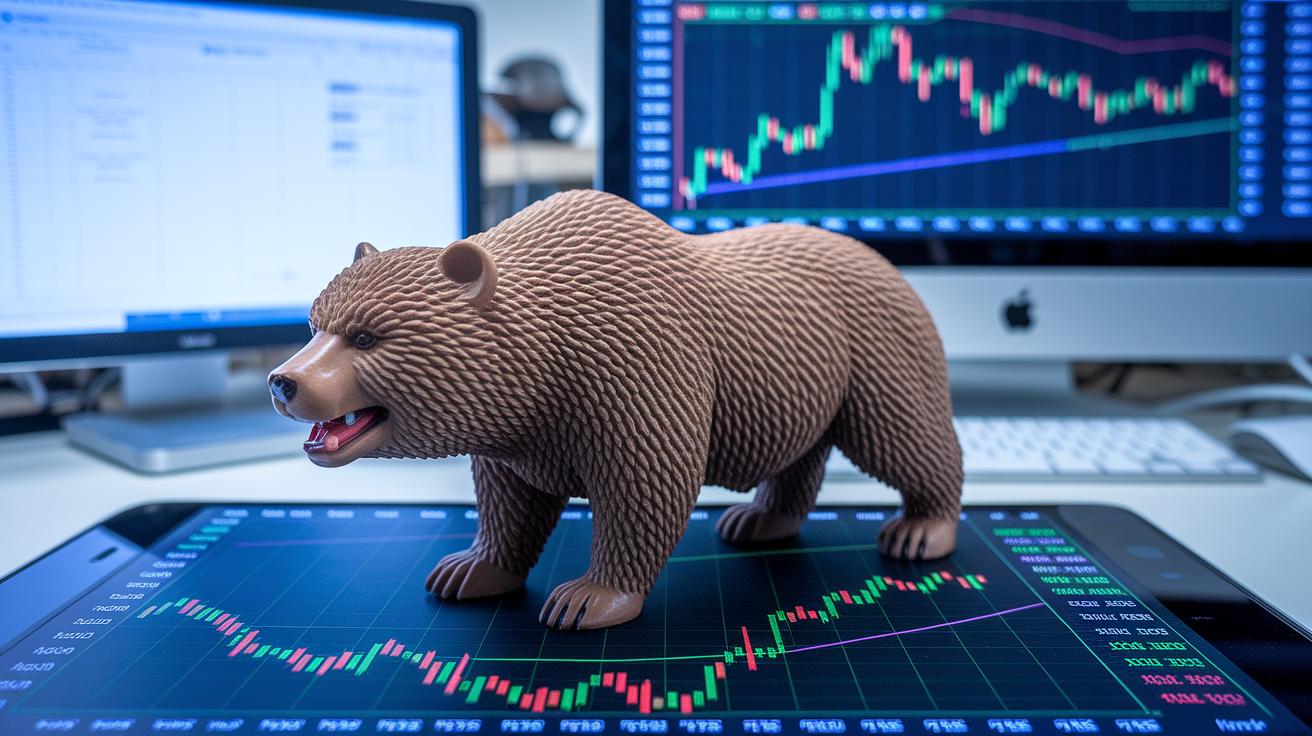
Market cycles aren’t one-size-fits-all. In bear markets, uncertainty and fast price drops can really shake things up, leading to high volatility. Then you’ve got early bull phases where, despite some big swings, the market often rebounds strongly, catching investors off guard in a good way. When bull markets mature, the growth becomes steadier and the ups and downs start to smooth out. It’s like watching the market find its rhythm as sentiment shifts from low to hopeful.
| Cycle Phase | Volatility Level | Average High Growth Return |
|---|---|---|
| Bear | High | Big spikes during recovery |
| Early Bull | Moderate to High | Strong upward push |
| Mature Bull | Low to Moderate | Steady and reliable |
This table makes it clear: the most dramatic gains tend to happen when the market is most volatile, whether in a bear market or during those early bull phases. While mature bull cycles offer predictability, it’s often the wild swings at the start of a recovery that set the stage for those high-growth periods. Have you ever noticed how the biggest opportunities can come from the most uncertain times?
Measuring Volatility: Financial Stability Metrics and Return Dispersion Metrics
Numbers tell a big story when it comes to spotting market jitters and the booming moods of high-growth stocks. Investors use these figures to see just how much returns can jump around and how closely a stock’s movements tie into the overall market. In simple terms, tracking these changes helps spot risks, like sudden bursts in trading or odd pricing moves, which might hint at trouble with trading ease. Keeping an eye on these clues means you’re better ready for when the market gets choppy.
Here are some key metrics:
| Metric | What It Shows |
|---|---|
| Standard deviation of returns | How much a stock’s price bounces away from its usual level |
| Beta versus benchmark | How sensitive a stock is to the ups and downs of the market |
| VIX index | An indicator of market stress, almost like a mood ring for trading |
| Return dispersion | Differences in how various stocks perform compared to each other |
| Liquidity spreads | How easily assets can be bought or sold, even when markets are wild |
Each measure adds a layer to the big picture. Standard deviation shows you the price swings, while beta helps pin down how a stock reacts to overall market changes. The VIX gives a peek into market nerves, and return dispersion tells you where stocks are straying from each other. Watching liquidity spreads rounds it out by letting you know how smooth trading might be during wild days.
It’s kind of like having a friendly guide that helps you decide your next move when markets get unpredictable. Have you ever felt that rush when a small shift in data changes your whole strategy?
Behavioral Drivers: Investor Sentiment Movements and Confidence Declines

Market ups and downs can really stir our emotions. When stocks with high growth start to leap in price, it’s common to feel a mix of excitement and worry. Sometimes, a steep drop can spark fear, pushing people to sell even when things look fundamentally strong. This snap decision might just keep you from future gains.
Selling on a whim when prices fall can be a real setback. If you sell during a dip, you lock in losses and miss out when the stock bounces back. On the flip side, buying when prices drop, getting quality stocks at a bargain, can work in your favor later. Imagine waiting for that sweet low-price moment and then watching your investment regain its strength.
Sticking with a long-term plan can be a lifesaver in choppy markets. Patience lets you ride out the short-term shocks, and over time, reinvested earnings add up. Sometimes, chatting with a trusted advisor can help keep those emotional biases in check. Think of a careful investor who, with a little expert insight, stays on track even as market moods swing wildly. A solid game plan can keep you calm and steady through the ups and downs.
Modeling Return Patterns: Price Movement Sensitivity and Predictive Return Fluctuations
Market timing can be tricky, you know. Even a small error in when you buy or sell can change your returns a lot. When you try to hit that perfect moment, being a few minutes off might mean missing a big upward move. High growth stocks, which move fast, show this clearly. They react to market news with sharp, sometimes wild shifts – kind of like trying to catch a falling knife. One small mistake, and the outcome can change dramatically.
Simulations tell us that the best days really matter. Imagine missing the top 10 market days over 30 years; your overall return could drop by half. If you skip the 30 best days, you might lose as much as 83% of your returns. These figures make clear that even little timing errors can add up over time. It reminds us that chasing every dip and rise is not only hard but can make you miss those key days that drive most of the gains.
Predictive modeling digs into these ideas even further with what we call earnings elasticity patterns. High growth stocks often jump or drop when there is earnings news or quarterly surprises. Even a small change in reported performance can lead to notable price swings. By including these earnings elasticity factors in predictive models, investors get a clearer picture of possible return changes. It really helps to understand how sensitive these stocks are to earnings news.
Risk Management and Strategy: Diversification Strategies and Risk Management Adaptations
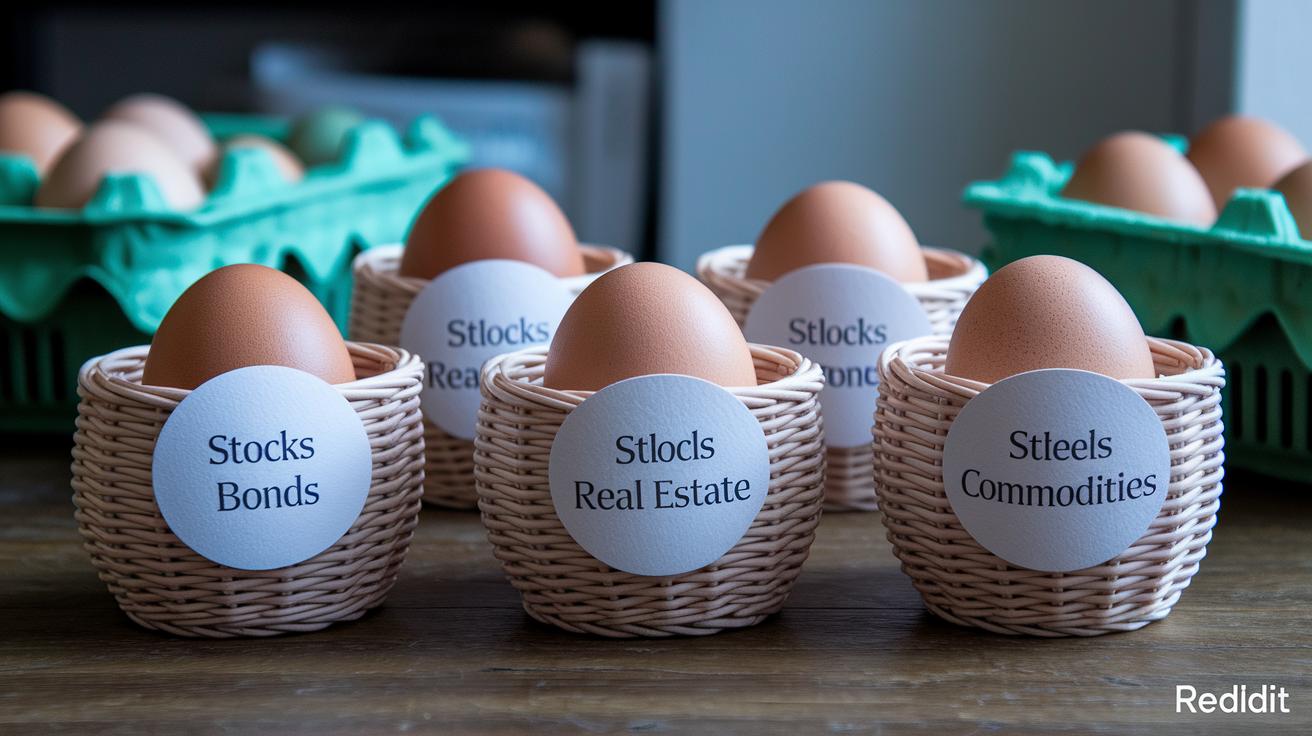
Diversification is a smart way to guard against the ups and downs you see in high-growth stocks. By spreading your money across different areas like stocks, bonds, real estate, and even commodities, you lower the odds that one bad investment will pull your entire portfolio down. Think of it like not putting all your eggs in one basket. This approach helps you manage risks that are unique to each sector while still keeping open the chance for better returns.
Regular check-ins on your portfolio and a bit of rebalancing go a long way in keeping your investments on track with your comfort level and financial dreams. These quick reviews help you catch when a market shift or a change in one part of your portfolio might upset your balance. It’s a chance to tweak your holdings so you’re ready for everything, whether the market is calm or a bit stormy.
Using methods like hedging and targeting volatility can also help steady your returns when trading gets wild. For example, dynamic hedging lets you offset potential losses in high-growth stocks by taking counter positions. Such long-term defensive moves can even tie in with strategies like value investing during volatile times, helping you manage risk while aiming for a steady stream of returns.
Empirical Case Studies: Sector Reaction Variances and Relative Performance Drift
Market events remind us that high growth stock returns can change quickly when investor moods or economic conditions shift. Think back to the dotcom bubble, the 2008 financial crisis, and the COVID-19 shock: each one shows us how the buzz of the market can lead to very different results across sectors. It’s clear from these stories that keeping an eye on how benchmarks perform is key to understanding how different sectors react and how their performance drifts over time.
Dotcom Bubble Case Study
During the dotcom bubble from 2000 to 2002, tech stocks, those that were all about rapid growth, took a hard hit. In many cases, tech stocks lost more than 75% of their highest value, while the overall market fell by about 50%. This tells us that when the market gets overly excited and then quickly corrects itself, high growth sectors can suffer far more than broader, more balanced indices. It’s a good reminder that these stocks can be extra sensitive to swings in investor optimism.
2008 Financial Crisis Reaction
The financial crisis of 2008 is another vivid example of market stress impacting high growth stocks. During this tough time, high growth sectors dropped an average of roughly 55%, compared to a 38% dip for the S&P 500. These figures show that high growth stocks tend to be more volatile. When external shocks hit, or when market sentiment shifts rapidly, these stocks can fall faster and deeper than the overall market.
COVID-19 Volatility Shock
Between February and March 2020, the COVID-19 shock displayed another interesting pattern. After plunging hard, many high growth stocks bounced back by nearly 50% within just three months. This speedy recovery shows that even after a severe drop, strong high growth stocks can quickly catch their footing. Of course, not every industry recovers at the same pace, but the resilience in many cases is still impressive.
In truth, these examples remind us that timing and specific sector factors often play a big role during volatile periods. It’s a neat lesson on balancing risk and reward, one that suggests a cautious approach when investing in high growth stocks during uncertain times.
Final Words
In the action, we covered how market fluctuations drive price changes and affect high growth stocks. We looked at the forces behind volatility, measured risk, and examined investor behavior during turbulent times.
We also explored diversification, rebalancing tactics, and real case studies that illustrate the ups and downs of market cycles. With these insights, managing risk becomes a more clear process, even when facing the impact of market volatility on high growth stock returns.
FAQ
How does market volatility impact high growth stock returns?
Market volatility impacts high growth stock returns by causing rapid price swings that can boost potential rewards and elevate risks. It influences both short-term fluctuations and long-term compounded growth.
What does high volatility mean?
High volatility means that prices move quickly and widely. It reflects frequent, sizable fluctuations in stock values, signaling both risk and the possibility of higher returns.
How is stock market volatility measured over time?
Stock market volatility over time is measured by tracking price swings across different periods. This measurement highlights patterns influenced by economic shifts, news, and investor sentiment.
Is high volatility good in stocks?
High volatility can be favorable for investors ready to take risks for higher returns. It offers chances for sharp gains while also requiring careful risk management to avoid significant losses.
Why is the stock market so volatile today?
The stock market is volatile today due to shifting economic conditions, global events, and changing investor moods. These factors create a dynamic environment with rapid price changes.
What is the stock volatility formula?
The stock volatility formula uses the standard deviation of returns to quantify price fluctuations. It shows how much a stock’s return deviates from its average, indicating its risk level.
What does low volatility mean in chemistry?
Low volatility in chemistry refers to substances that have minimal pressure or evaporation under normal conditions. This meaning differs from financial volatility but similarly indicates stability in value or state.
How is stock market volatility this week assessed?
Stock market volatility this week is assessed by monitoring current trading day price changes. It reflects the immediate impact of recent news and events on market movements.
How does volatility affect stock returns?
Volatility affects stock returns by creating opportunities for large gains and significant losses. It directly influences the risk-reward balance, impacting long-term growth and overall investment performance.
What is the 7% rule in stock trading?
The 7% rule in stock trading suggests that a typical day may see a stock move up or down 7% from its opening price. This rule offers a rough gauge of daily price dynamics for traders.
What does Warren Buffett say about volatility?
Warren Buffett sees volatility as a chance for disciplined investors to capitalize on market overreactions. His perspective encourages a long-term view, where short-term price swings create buying opportunities.
Should more volatile stocks have a higher return?
More volatile stocks often present the possibility of higher returns as compensation for increased risk. Investors generally expect extra rewards for enduring greater uncertainty in market movements.