
Have you ever wondered if computers could outplay human traders? Algorithmic trading uses fast computer programs that spot key market signals and make lightning-fast decisions, almost like a race beginning at the sound of the starter's gun.
This approach changes the game for investors. It quickly turns market signals into clear profit opportunities in today's busy stock market. Next, consider how this technology is reshaping the way we trade and invest. Isn't it fascinating how a simple system can open up a whole new world of possibilities?
How Algorithmic Trading in Equity Markets Works
Algorithmic trading uses computer programs to automatically buy or sell stocks when certain conditions are met. For example, if a short-term trend like a 5-day moving average goes above a longer 20-day one, the system quickly triggers an order, just like a race starts the moment the gun fires.
Today’s trading systems can process orders for shares, ETFs, and even new IPOs at amazing speeds. Investors can watch real-time updates of their gains and losses and keep an eye on key market movers. This live data flow makes a huge difference in smart, data-driven investing.
The journey to faster trading is truly remarkable. Back in 2001, delays of several seconds were common, but by 2012, they dropped to mere nanoseconds. In fact, by 2009, computers were handling over 60% of U.S. equity trades. It really shows how much optimizing speed has reshaped the way stocks are traded.
Modern platforms also let traders set up automatic orders to adjust instantly to market changes. Imagine seeing your order update as quickly as you check your phone, this seamless blend of real-time monitoring and automation turns complex market shifts into clear opportunities for action.
Core Strategies in Algorithmic Trading in Equity Markets
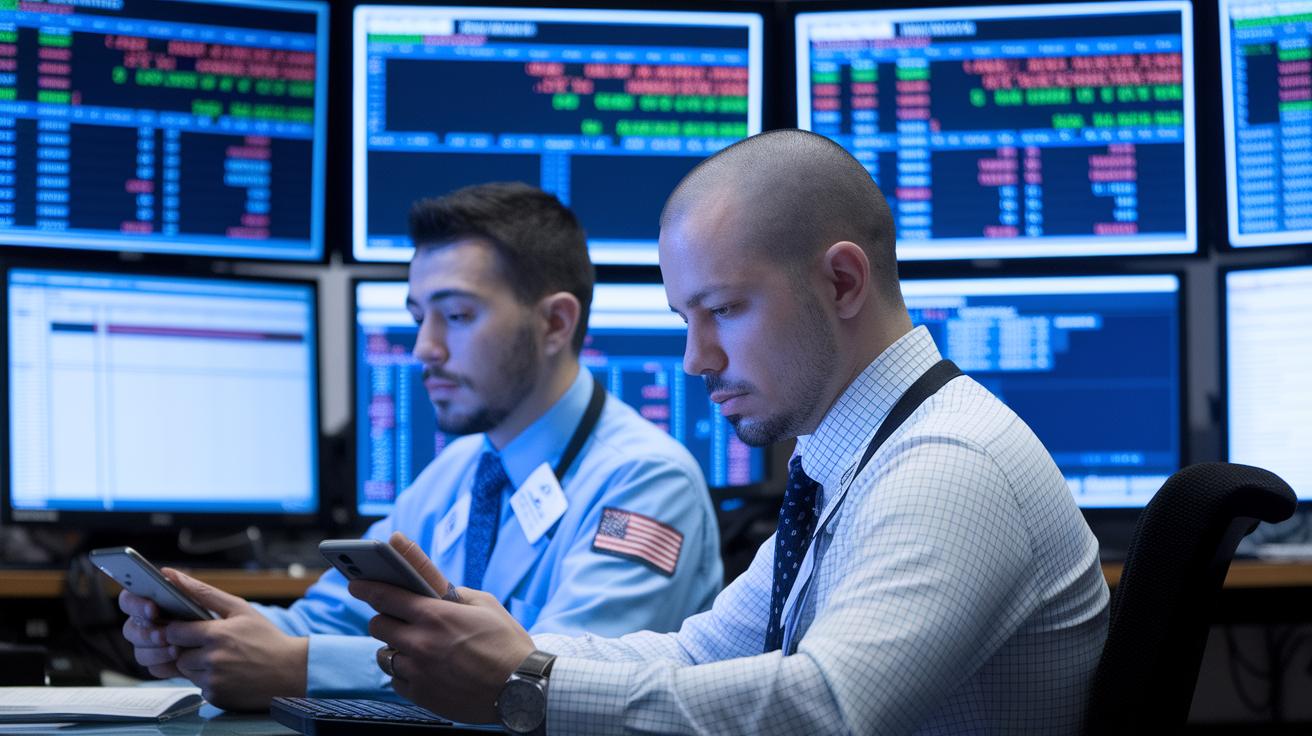
Algorithmic trading in equity markets uses clever, fast techniques to catch market moves almost instantly. At its heart, these strategies rely on statistical arbitrage, which means using math-driven methods to spot small price differences between stocks that usually move together. Imagine this: one algorithm noticed a tiny price gap between two familiar stocks and jumped in within milliseconds, earning a profit before the market could even blink.
Mean reversion strategies are another big part of the picture. These methods work by watching common indicators, like MACD, SMA, EMA, and RSI (simple tools that tell us when prices might be reverting to their normal range). For example, when the RSI drops below 30, it’s like a warning light that could trigger an automatic buy order, much like your car’s alert when something’s off.
Signal generation systems play a key role too. They collect data on prices, trading volumes, and past trends to create clear, actionable signals. These systems often include high-speed trading methods called scalping, where trades happen in the blink of an eye. It’s a true race against time, with algorithms sending off orders almost faster than you can imagine.
Then there are trend analytics frameworks. They use statistical models and historical data to continuously fine-tune trading strategies. Quantitative trading depends on these frameworks to build models that adjust as market trends shift. Some systems even use machine learning, employing deep neural networks and similar tools, to improve with every trade, much like a student learning from each test.
- Statistical arbitrage models
- Signal generation systems
- Trend analytics frameworks
Together, these strategies form the backbone of modern algorithmic trading. They help traders make smart, quick decisions in a fast-paced market environment.
Case Study: Algorithmic Trading Success in Equity Markets – Renaissance Technologies
Renaissance Technologies is a great example of how smart, computer-driven trading can really change the game. Founded by James Simons, the firm grew to manage $130 billion in assets by April 2021. Its Medallion Fund delivered an amazing 66% annual return before fees over many years. And it’s not magic, it’s all thanks to a never-ending push for better, faster computer models.
The shift from human floor trading to automated systems completely transformed how fast trades could be done. In 2001, trade orders took seconds to process, but by 2012, technology had cut that time down to mere nanoseconds, which is like almost no time at all. Imagine ordering your morning coffee and having it ready even before you step outside your door! By 2009, computer algorithms were handling over 60% of U.S. equity trades, showing just how much can be achieved with fast, accurate execution.
At Renaissance, advanced math models are at the heart of their process. These models continuously tweak trading strategies to keep up with tiny price shifts, so profits can be captured before others even notice. This case study shows that with innovative computer models and a focus on speed, a company can build robust returns and stand out as a market leader.
Software and Infrastructure Requirements for Algorithmic Trading in Equity Markets
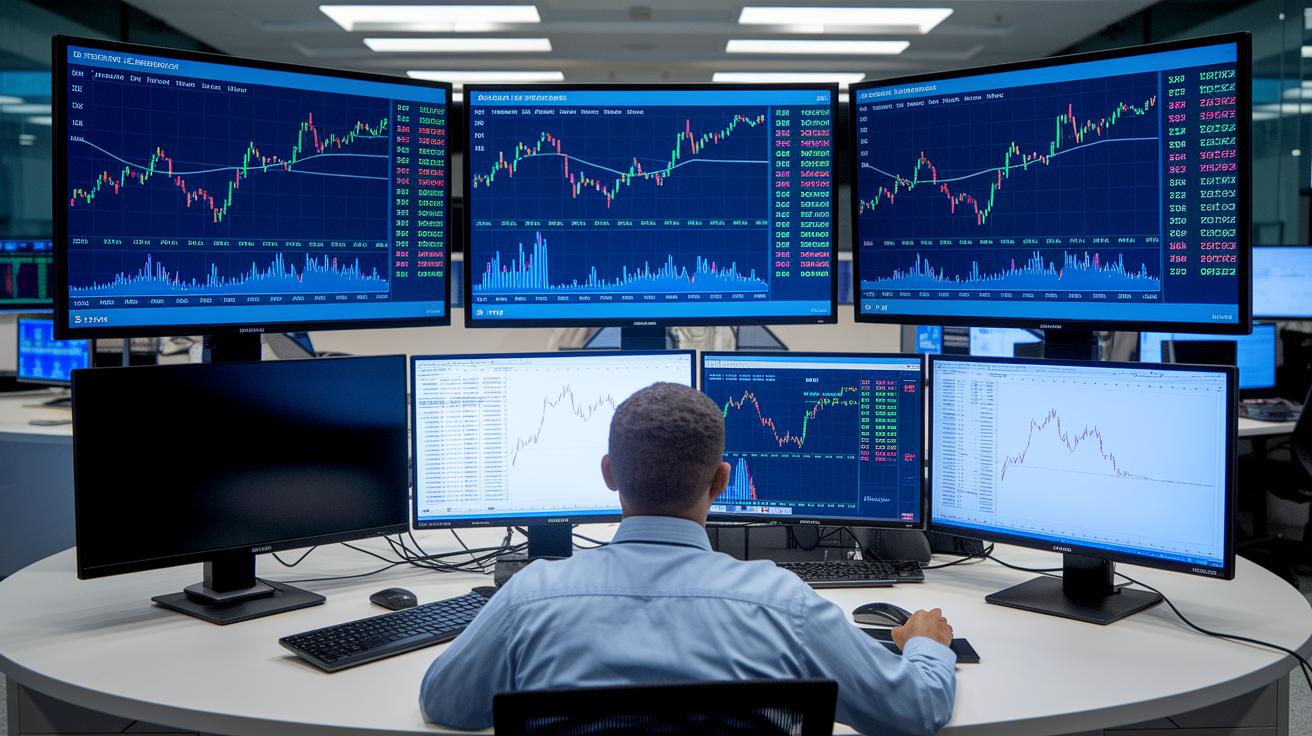
Trading on equity markets is all about speed and staying right in the moment. A top-notch algorithmic trading platform must have fast, reliable data feeds that give you both today’s numbers and historical insights without any noticeable delay. They use smart tricks, like placing servers in the same location as the exchange (colocation) and fine-tuning network settings, to cut down on any lag. Think of it like watching your favorite sports game on a live scoreboard that updates almost instantly.
At the heart of these systems are unified trading terminals. These are clean, streamlined dashboards that mix together charts, technical signals, order entries, and watchlists, with extra tools like option-chain analysis. This setup lets traders get a full picture of the market in one quick glance, almost like having all your financial tools neatly laid out on your desk.
Connecting directly with various trading venues is another must-have feature. These platforms use special API trading modules, which are often written in popular programming languages like C, C++, or Python, to talk straight to exchanges. Picture this: when a specific market condition is met, the system automatically sends an order with precision. It’s a bit like having a pre-set rule that says, “If the price reaches a set point, act right away.”
There are also built-in tools that help traders plan and review their strategy. Embedded calculators for margin, brokerage, and SIP, as well as robust backtesting modules, let you simulate your methods against past market data. This way, you can fine-tune your approach and build the confidence to trade live.
- Fast and real-time market data feeds
- Integrated dashboards for trading and analysis
- Direct exchange connectivity through API modules
- Handy calculators and backtesting tools
Backtesting and Strategy Validation in Algorithmic Trading in Equity Markets
Backtesting modules let you run your trading ideas on old price and volume data to see how they might have worked in the past. This is like taking a car for a spin before you buy it, it builds your confidence that your strategy can handle different market moments without putting your money at risk.
By replaying historical data, you get to see if your set rules deliver the results you expect. If something seems off, you can tweak your approach. It’s a bit like adjusting a recipe until it tastes just right.
Next, strategy validation comes into play using what’s called walk-forward optimization. Picture testing your plan on different chunks of old data, one after another. This method helps ensure that your strategy stays solid even when market conditions shift. Along with that, model calibration, fine-tuning your numbers so your model isn’t just performing well on old data but also in real-life trading, is essential. In simple terms, overfitting happens when a model works great on past data but falls apart when facing new challenges.
Key metrics such as the Sharpe ratio (a measure of risk-adjusted return), maximum drawdown (the biggest drop from a peak in your account), and profit factor (the ratio of gross profit to gross loss) help gauge how well your strategy is doing.
- Backtesting techniques check that your trading rules are sound.
- Strategy validation ensures your system works smoothly across different market phases.
- Historical data simulation mirrors real trading conditions.
- Model calibration tweaks the approach for the best performance.
By running these iterative tests and making adjustments along the way, you build a model that doesn’t just shine in simulations but also delivers reliable, real-world results.
Risk Management and Regulatory Framework for Algorithmic Trading in Equity Markets
Algorithmic trading systems can sometimes run into sudden technical glitches or data mix-ups that lead to unexpected trades. When the market takes a sharp turn, prices can swing quickly, making things a bit wild for these automated systems. Agencies like the SEC, FINRA, and SEBI have stepped in with rules like message-rate limits, kill switches, and limits on order cancellations to keep trading fair.
Firms dealing with these risks add extra control measures into their systems. Many use real-time monitoring and simple anomaly detectors to stop or adjust trading strategies when something seems off. Think of these tools as an extra set of eyes that catch unusual market behavior right away.
In these automated systems, risk management often blends human oversight with built-in alerts. If an algorithm starts acting strangely, automatic controls can pause the system until someone can check what’s going on. This mix of tech and oversight helps cut down the uncertainty of computer-driven trading.
| Risk Measure | Description |
|---|---|
| Regulatory compliance measures | Keep trading algorithms running within strict rules. |
| Uncertainty mitigation protocols | Quickly flag data errors or sudden market events. |
| Dynamic risk controls | Pause trading algorithms during unexpected market moves. |
| Live surveillance systems | Monitor trading in real time to catch irregular activity. |
Together, these strategies build a trading environment that feels more secure, managing system glitches and wild market moments in a careful and balanced way.
Performance Metrics and Cost Considerations in Algorithmic Trading in Equity Markets
Algorithmic trading systems use smart tools to measure how quickly orders are processed, from the time data is received until a trade is executed. For example, one system found that cutting delay from 5 milliseconds to 2 milliseconds helped reduce unwanted price slippage (when the price you get differs from your expectation), resulting in much more accurate trade prices. It’s all about speed, because even tiny lags can change the end result.
When checking out a trading platform, understanding its costs is key. This means looking at clear fees like commissions and exchange charges and also those sneaky extra costs like the impact on prices or the way orders are routed. Think of it like reviewing your restaurant bill, every extra fee can eat into your profit.
Another important piece is how the platform's performance stacks up against common benchmarks. By comparing their trade results with standard market indexes or peer strategies, traders get a good sense of how well they're doing, or in other words, if they're earning extra returns. Keeping an eye on trading activity also means watching fill rates, sudden delays, and any unexpected fees that might pop up.
- Smart tools track and reduce lag time.
- Cost checks cover both direct fees and hidden charges.
- Performance comparisons show how returns measure up to market standards.
These clear steps help traders fine-tune their strategies, ensuring they trade both fast and cost-efficiently.
Future Developments in Algorithmic Trading in Equity Markets
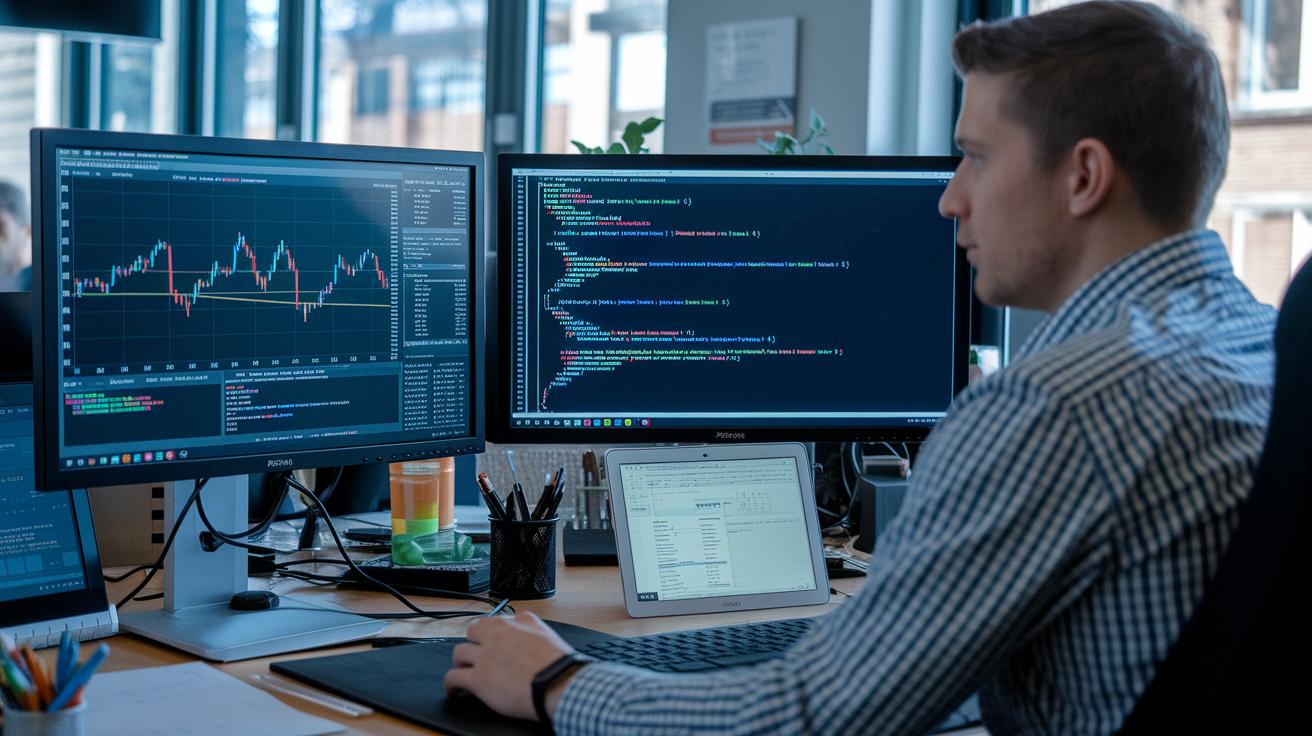
Advances in artificial intelligence are changing how trades happen every day. Today's systems can tweak their settings in real time, much like a smart thermostat that adjusts when the room temperature shifts. They adapt on the fly, matching market moods as they come.
Even everyday retail traders are tapping into these tools. Using open-source libraries such as Zipline and Pandas, essentially free software that helps analyze data, small investors can now use high-level analytics. Imagine having a tool that scans market data and offers advice, like a savvy friend who spots trends before they become obvious.
Techniques like event-driven insights and anomaly detection are also gaining ground. In simple terms, these systems work like an early warning alert that lets you know when unexpected market news or shocks occur. This means you can change your trading strategy in time, giving you a new edge.
This shift in technology means it’s a good idea to update your skills too. Learning Python, refreshing your knowledge of statistics, and getting comfortable with system debugging are becoming crucial. As our markets evolve, these adaptable methods and smart tools are set to make trading even more efficient and responsive. Isn't it exciting to think that these new developments might bring a level of precision to your trading that we haven’t seen before?
Final Words
In the action, this article broke down how code-driven plays are reshaping equity trades. It explained how algorithmic trading in equity markets uses fast data, strategic models, and backtesting to spark smart moves. We saw a real-life example with Renaissance Technologies, explored tech essentials, and discussed ways to manage risk and costs. The post also looked ahead to AI-driven trends that could improve our trading edge. It leaves us with a clear picture, taking well-measured steps can brighten our financial future while keeping worries at bay.
FAQ
Q: What is an example of algorithmic trading in equity markets?
A: The algorithmic trading example in equity markets involves using coded instructions that automatically trigger stock orders when indicators, like moving averages, cross specific thresholds.
Q: What kind of software is used for trading algorithms?
A: The trading algorithms software uses advanced programming languages and real-time data feeds to automate trading decisions, making it possible to execute orders in milliseconds.
Q: How can I access algorithmic trading strategies PDFs and examples?
A: The algorithmic trading strategies PDF and examples often detail models like statistical arbitrage and trend analytics, providing step-by-step insights for setting up automated trading systems.
Q: What are some of the best trading algorithms and algorithmic trading platforms?
A: The best trading algorithms combine statistical models with technical analysis, while algorithmic trading platforms offer real-time data monitoring and automated order execution for efficient market performance.
Q: How do algo trading apps work?
A: The algo trading app operates by connecting to live market feeds and executing pre-coded strategies, offering a user-friendly interface that simplifies monitoring and order management.
Q: Is algo trading profitable?
A: Algo trading profitability is influenced by strategy design, market conditions, and execution speed, with many models achieving robust returns when backed by thorough risk management and backtesting.