
Ever wonder if you're really picking up on the signals our economy sends? Looking at trends in key numbers can change the way you see what’s happening. Think of it like watching a car’s dashboard, you get a clear look at whether things are speeding up or taking a breather. We use simple tools like moving averages, which help smooth out little bumps in the data, and regression analysis that makes sense of the overall picture. This guide shows you how to spot those trends so you can make smarter choices with your money. Dive in and see how these techniques can help you stay on top of your financial game.
Trend Analysis for Economic Indicators Sparks Smart Insights
Economic indicators help us understand how a country's economy is doing. Think of them like a set of gauges that show whether things are rising or falling. We learn more by smoothing out the bumps in the data using something called moving averages. It’s a bit like polishing a rock until its true shine is revealed.
Regression analysis is another tool in our kit. This method shows how one change, such as a shift in the Federal Funds Rate, might affect something else like the unemployment rate. Imagine drawing a straight line through a scatter of points to see a hidden pattern.
Seasonal adjustments step in to help when data naturally rises and falls over the year. This way, we don’t mistake a usual seasonal bump for a big market change. Volatility measurement, meanwhile, checks how much the data wiggles around so we can spot how steady or jumpy the market really is. For instance, even if winter shopping makes the numbers look high, adjusting for this can show us the true level of inflation.
By combining these techniques, we build a clearer picture of the economy. In truth, it’s like stitching together pieces of a puzzle that reveal important signals. For example, you might notice a 2.8% growth in GDP during the first quarter of 2025, a 3.5% unemployment rate in April 2025, and an increase of 1.5% in industrial production in February 2025.
Economic Indicator Data Visualization and Trend Analysis Tools
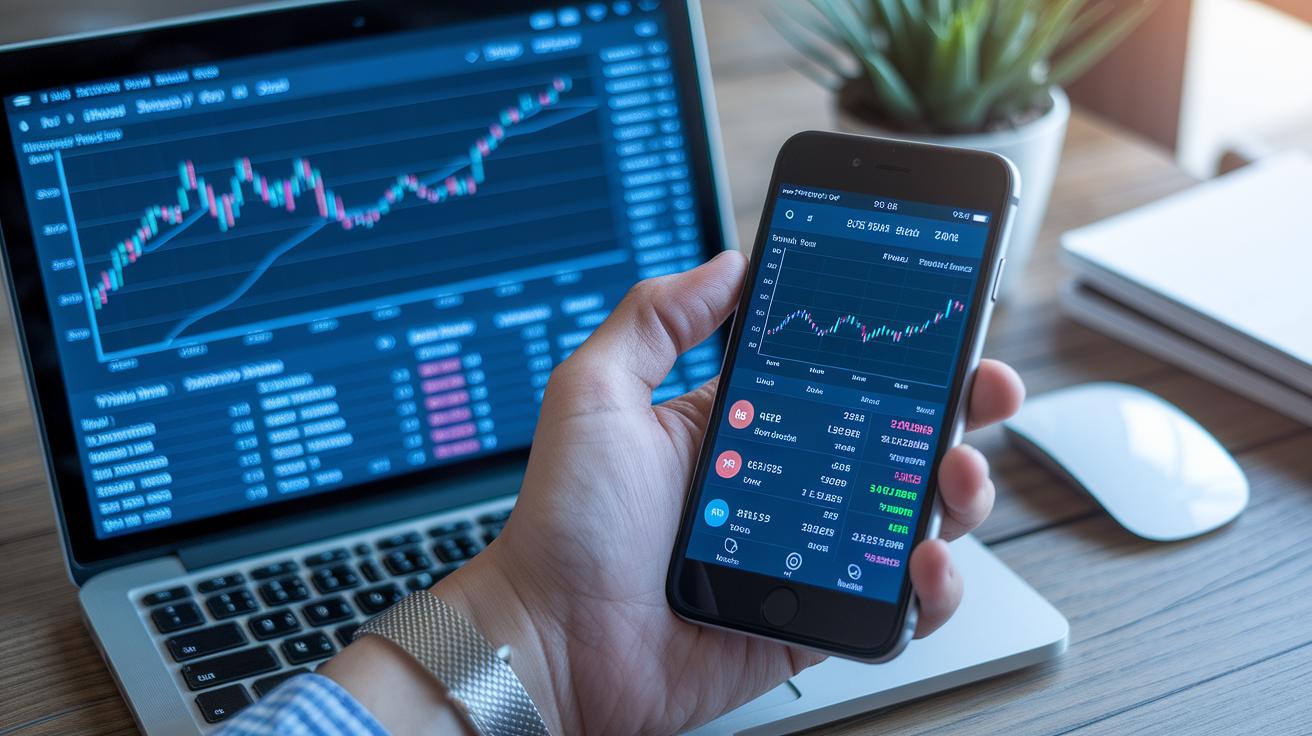
Modern analytics platforms now bring interactive dashboards to your fingertips, letting you explore a whole range of economic data effortlessly. Imagine logging in to see a mix of charts, tables, and time-series data that clearly show trends from everyday indicators like CPI to bigger ones such as GDP. For instance, a line graph with seasonal adjustments can uncover small shifts in job numbers, making even complex data feel much simpler.
Interactive dashboards also let you compare data across different periods with ease. Picture checking how this month’s GDP compares side-by-side with past quarters. Behind the scenes, tools like composite benchmarks and data normalization help numbers from various times or regions line up nicely. You might even see an indexed bar chart highlighting shifts in industrial production, giving you a quick snapshot of the market's movement.
Real-time alerts add another level of security by keeping you instantly informed. Imagine your dashboard sending you a prompt if it spots an unexpected spike in inflation, allowing financial advisors to act quickly and turn those numbers into smart, actionable insights.
And then there are heat maps. These visual tools use vibrant colors to flag sudden changes in consumer spending, drawing your attention right where it's needed most. In truth, such tools are changing how we monitor economic indicators, making trend analysis both smarter and more dynamic.
Statistical and Econometric Models for Economic Indicator Trends
When creating models to track economic indicators, the journey usually starts with using ARMA and ARIMA time-series analysis. These tools help us predict trends in areas like GDP, the Consumer Price Index (CPI), and job numbers. It’s pretty fascinating to think that before the digital age, experts calculated employment changes by hand and relied on printed charts, hardly imagining that smart, automated models would soon transform accuracy.
Next up is regression. This means you set up your model first and then dig into the details by looking at various coefficients and checking key metrics like R² (which tells you how well your model fits) and p-values (which indicate if your results are statistically significant). Think of it like tuning a musical instrument, each little adjustment brings your overall prediction into a smoother harmony.
These days, predictive modeling has become even more powerful by combining AI and machine learning with traditional methods like moving averages and time-series decomposition. This blend helps test and confirm which factors really matter, ensuring your model isn’t just chasing random noise. Curious to learn more? There are plenty of resources out there that dive into model selection and validation practices in financial forecasting.
Sometimes the numbers need a human touch, too. Qualitative methods, like gathering insights from Delphi panels, let experts contribute their practical experience, complementing the hard data. Meanwhile, techniques for measuring volatility show just how much the numbers can bounce around, giving us a clearer picture when unexpected market shifts happen.
Finally, time series decomposition comes into play by breaking down complex data into its trend, seasonal, and irregular parts. By unraveling these layers, you can focus on the core trends amid the market noise, making your economic forecasts clearer and boosting confidence in your decision-making.
Trend Analysis Case Studies: GDP Growth, Inflation Rate, and Unemployment Patterns
Steady growth in GDP shows that the economy is picking up speed. Instead of reusing old percentages, notice how each small gain boosts overall market confidence. It's like watching a team score one goal at a time, each point builds up the momentum.
Looking at inflation, there’s more to it than just the headline numbers. Keep an eye on the shifts in core prices and commodity costs because even a small change can hint at tighter monetary actions ahead. Think of it as a thermostat that adjusts the room temperature ever so slightly, these little changes can mean a lot.
Unemployment trends complete the picture. A slight change in job numbers, when paired with increasing industrial output, gives us a better sense of the market’s overall health. By combining these indicators, advisors can see how various factors work together.
| Indicator | Key Insight | Market Signal |
|---|---|---|
| GDP Growth | Shows steady boosts in economic activity | Builds market optimism |
| Inflation Rate | Tracks small shifts in price levels | Hints at possible tighter monetary policy |
| Unemployment Patterns | Reflects changes in the job market | Signals future consumer activity |
Analyzing Fiscal and Monetary Policy Effects on Economic Indicator Trends
When prices rise, central banks often change the Federal Funds Rate to help keep things in balance. This little move affects how much money you pay on loans and can ripple through the whole economy, touching everything from GDP to jobs. For example, if your bank raises its rates because inflation is high, you might notice higher interest on your loans, which can make spending and hiring decisions change.
Fiscal policy also plays a big role in the economy. Simple actions like cutting taxes or offering government benefits can quickly boost spending and encourage businesses to grow. Imagine a small business expanding its staff after a tax cut – that’s a clear sign of how government moves can spark new growth. Analysts measure these changes by looking at how GDP reacts when different policies are put into place.
Experts often look at special studies and use models that separate out the impact of a single policy change from other market movements. These tools help pinpoint which decisions – be it a tax break or a rate change – are behind the shifts we see in the numbers. This clear-cut approach makes it easier to understand how and why the economy is moving in a certain direction.
By looking carefully at these trends and testing different what-if scenarios, financial advisors take complex economic clues and turn them into simple, useful advice. In the end, this helps them adjust their strategies, so you can feel more confident about your investments in today’s changing financial landscape.
Real-Time Trend Analysis and Early Warning Signals in Economic Indicators

Real-time monitoring is like keeping your finger on the pulse of the economy. It lets you watch for shifts, such as a sudden jump in unemployment claims or changes in PMI trends, and helps advisors act quickly. For instance, if unemployment claims spike unexpectedly, a fast alert lets you dive into analysis to avoid potential portfolio risks.
Predictive analytics, powered by AI, makes it easier to spot when GDP or inflation rates might catch everyone off guard. Imagine getting a heads-up about a possible GDP change, a clear sign that the market might be preparing for a shift. That extra bit of insight really empowers you to make decisions right when they matter most.
Early warning signals borrow lessons from past downturns, like what happened in 2008. Think of signs like a yield-curve inversion (when short-term interest rates are higher than long-term ones, which is unusual) or widening credit spreads (when lenders charge more because they see more risk). These signals work together with dashboards that keep track of everyday changes in consumer spending and business confidence.
Putting it all together with real-time dashboards and market forecasts gives you a full view of what's happening. When you blend dynamic data measures with quick forecasts, financial advisors can tweak strategies even before traditional indicators show big shifts. This approach helps limit risks while also opening the door to new opportunities, so you stay one step ahead in today's ever-changing economy.
Addressing Challenges and Improving Reliability in Trend Analysis for Economic Indicators
Analyzing economic trends can sometimes feel like solving a tricky puzzle. Data can jump around because of sudden shifts, odd values, or unexpected revisions. For example, a new policy might change things so quickly that traditional models just don’t catch it. In these moments, simple tests like the Chow test or Bai-Perron tests help us spot when the core data really changes.
When a few extreme numbers mess up the overall picture, it’s like a stray note spoiling an otherwise nice tune. Tools such as Z-scores, IQR filters, and robust regression help clean out those outliers. Think of it as tuning a guitar: you remove what’s off-key so that the real melody can shine through.
Smoothing out the data is another handy trick. Methods like the Hodrick-Prescott filter work like a soft brush, clearing away random noise so that the true trend is easier to see. But you also need to keep an eye on other issues, like seasonal differences or later corrections in the numbers. It’s a bit like taking a photo that might suddenly blur due to changing light, so extra checks are needed.
By using these extra tests and checks, analysts ensure that unexpected data shifts don’t throw off the whole trend analysis. In truth, these careful steps build a strong base for data-driven investing. They help turn complex numbers into a story you can trust when making smart financial decisions.
Final Words
In the action, we explored key methods that put economic trends under the microscope. We broke down how different indicators, like GDP, CPI, and unemployment, shape our view of the market while showcasing practical tools and models for real-time insights.
Every section highlighted the role of data visualization and rigorous statistical approaches in risk management. Trend analysis for economic indicators helps keep us alert and confident, empowering informed decisions as the market pulse drives us forward.
FAQ
What does a trend analysis for economic indicators example look like?
A trend analysis example shows how moving averages, seasonal adjustments, and regression can track data like GDP or employment over time to signal changes in economic activity.
What are some common economic indicators and which ones are key?
Economic indicators examples include GDP growth rate, CPI, unemployment rate, nonfarm payrolls, and the Federal Funds Rate. Many analysts focus on GDP, CPI, and unemployment as the three most essential.
How do you analyze economic trends and what is economic trend analysis?
Economic trend analysis means reviewing historical data using time series methods like moving averages and regression to spot cycles and shifts, helping investors and analysts understand changes in business activity.
How can trend analysis be done online?
Trend analysis online involves using digital tools and dashboards that display real-time data, interactive charts, and alerts, making it easier to monitor and compare economic indicators.
What does trend analysis in accounting involve?
In accounting, trend analysis reviews financial statements over time, comparing figures to identify patterns or shifts which help in budgeting, forecasting, and making strategic decisions.
What are the six steps typically used in trend analysis?
The six steps in trend analysis involve gathering data, cleaning it, selecting an analysis method, applying statistical tools, validating the results, and extracting actionable insights.
What roles do agencies like the Bureau of Economic Analysis and Bureau of Labor Statistics play in trend analysis?
These agencies provide essential, reliable economic data—such as GDP figures, employment statistics, and more—that analysts use to build models and assess trends in economic performance.