
Have you ever felt like you might be missing out on trends that could really change your business? With automated trend analysis, you get a clear picture of hidden patterns in your numbers. Imagine a smart helper pointing out when a little boost in interest is about to turn into something big. By using past data, it turns confusion into clear, actionable steps. It’s a great tool that lets you act fast and keep up with a constantly shifting market.
Automated Trend Analysis Fundamentals and Benefits
Automated trend analysis cuts through market noise by using data to reveal hidden patterns. It leans on past information to help us understand what’s happening now. Think of it like having a map that guides you through tricky market changes. Imagine a small bump in customer interest turning into a big leap in product demand.
This method gives decision-makers an early heads-up about emerging trends and takes some of the guesswork out of market changes. It’s like a trusted friend who says, "Hey, something big is coming!" Here’s how it helps:
| Benefit | Description |
|---|---|
| Early Trend Spotting | Catching new trends early lets you plan ahead. |
| Lower Risk | Watching market shifts helps reduce investment risk. |
| Better Forecasting | Accurate forecasts mean you can adjust products or campaigns wisely. |
| Competitive Edge | Timely insights keep you one step ahead of the competition. |
By quickly sorting through large amounts of data, automated trend analysis helps businesses respond faster to changes in consumer habits and market shifts. It turns guesswork into a smart, clear plan, letting companies seize opportunities while sidestepping risks. This approach lays down a strong path for future success.
Core Algorithms and Methodologies in Automated Trend Analysis
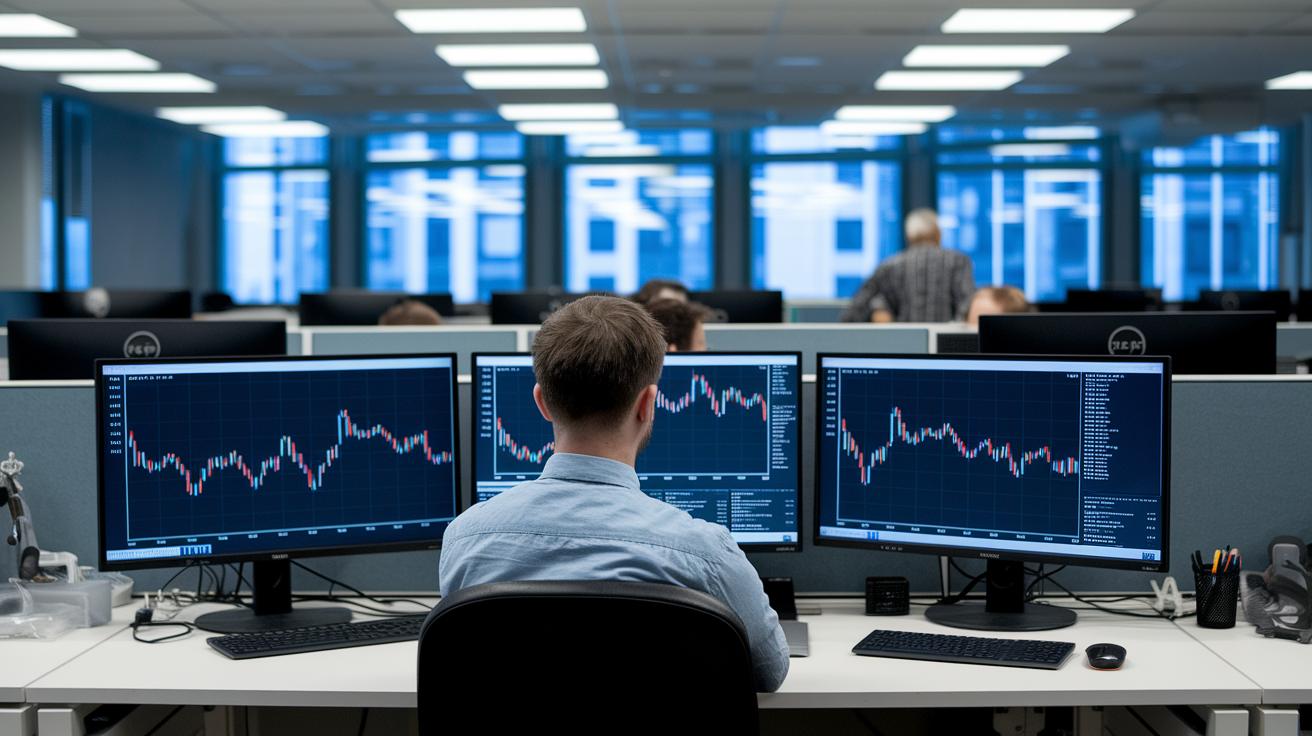
Time series forecasting is a key tool that helps us predict what might happen next by looking at past data combined with important market drivers. Think of it as putting together a puzzle where each piece, or past trend, gives you a better idea of the picture emerging ahead. It’s a bit like checking yesterday’s weather patterns to guess if it might rain tomorrow. It doesn’t tell you everything, but it definitely helps steer your decisions.
Pattern recognition is another important method in trend analysis. It carefully sifts through large amounts of data to pick out repeating themes and subtle shifts that simple checks might miss. Imagine you’re watching a steady flow of stock prices and you notice a small dip, this little change might hint at a bigger trend later on. It’s those small clues that can lead to smarter, more informed decisions.
Regression analysis takes things a step further by measuring and connecting relationships between different market factors. It shows us how one element, like a change in consumer habits, might influence another, such as seasonal spending. It’s like connecting dots in a simple drawing, which helps create a clearer forecast over time.
Algorithmic signal detection is the final piece. It scans huge datasets to catch early signs of change or unexpected shifts. Picture it as a watchful helper that alerts you when a familiar trend starts to stray from its usual path. This early detection allows us to make quick adjustments and plan for long-term stability.
Essential Tools and Platforms for Automated Trend Analysis
When you're exploring automated trend analysis, it means tapping into platforms that pull data from many different sources and turn raw numbers into clear, real-time insights. These systems help companies keep an eye on market shifts and new topics by automating data collection. For example, tools like SolveXia simplify data gathering and cut down on tedious manual work, letting businesses focus on understanding what the trends really mean.
Modern platforms make work a whole lot faster, sometimes speeding up processes 100 times with far fewer mistakes. They handle everything from pulling data, cleaning it up, building models, checking accuracy, and storing information safely. With these solutions, organizations can make smart decisions quickly and avoid the risks of delays. They also cover tasks like managing financial data, meeting reporting rules, and matching records, all of which are essential in today's fast-moving market.
Here are some popular tools to keep an eye on:
- Google Trends (check out these big data analytics tools at https://ebusinessplanet.com?p=6283)
- Exploding Topics API
- SolveXia
- Tableau
- Power BI
Each of these solutions brings its own benefits, whether it’s deep data analysis or quick, clear visual reports. By weaving these tools into everyday operations, businesses can see market trends and competitive changes more clearly. This helps them build strategies that stay agile as market signals evolve, ensuring decisions are backed by solid, up-to-date data.
Implementing Automated Trend Analysis: A Step-by-Step Guide
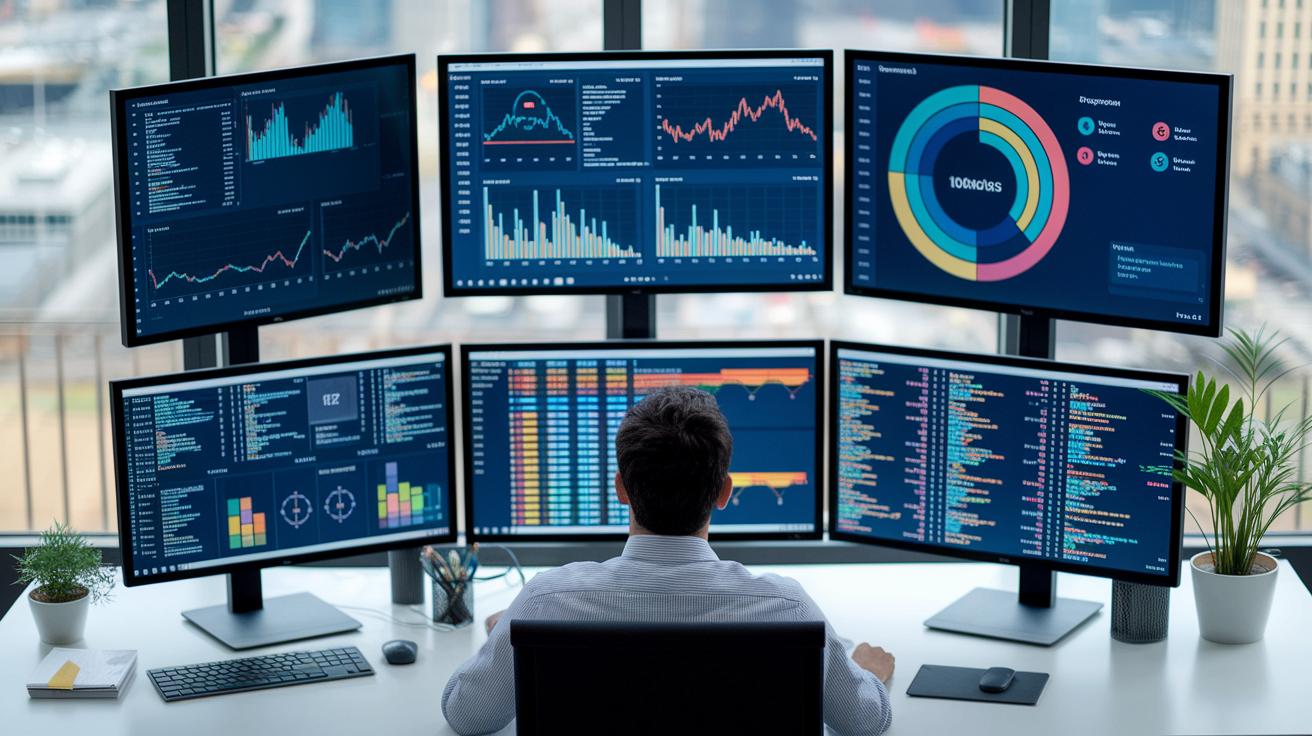
Step 1: Data Ingestion and Storage
Start by gathering data from shared drives, SAP, or other core systems. Think of it like collecting puzzle pieces, each bit of data helps complete the picture. Every month, new numbers add to your growing archive, so later you can look back and see clear, recurring patterns.
Step 2: Data Cleaning and Transformation
Once you’ve got the data, the next move is to clean it up. This is just like tidying a cluttered room: you remove errors and inconsistencies to clear the way for understanding. You also transform the data, turning it into a format that's reliable and ready to work its magic in the next phases of analysis.
Step 3: Trend Modeling
Now, roll up your sleeves and start building models that capture the market's pulse. Here you use techniques like regression analysis (which checks how numbers relate to each other) and time series forecasting (predicting what comes next based on past trends). Imagine it as following a simple recipe where every ingredient, data, trend, and market driver, comes together to help you forecast future moves.
Step 4: Model Validation and Control Cycles
Next comes the check-up phase. Regularly compare the predictions from your model against what actually happens, just like glancing at a map to make sure you're headed in the right direction. This continuous check (or control cycle) helps catch any shifts early on and keeps your model accurate over time.
Step 5: Reporting and Continuous Monitoring
Finally, convert all that heavy modeling into clear, everyday insights using dashboards and detailed reports. This makes decision-making easier for managers and stakeholders by turning complex data into something simple to understand. With constant monitoring, your system remains up-to-date, freeing up time and reducing mistakes, all while keeping pace with a rapidly changing market.
Measuring Forecast Accuracy and Performance in Automated Trend Analysis
We keep our models reliable by often comparing what they predicted with what really happened. We run regular checks to spot any differences early on, so we can quickly tweak the model. This simple routine helps us feel confident that our models stay strong over time.
We also measure how accurate our forecasts are using easy numbers. Metrics like RMSE, MAE, and MAPE (each one shows a different side of the error: RMSE gives us the big picture of overall error, MAE tells us the average error, and MAPE shows the average percentage error) help us see where our predictions might be off. These figures make it clear which parts of our models need a little extra attention.
| Metric | Definition | Use Case |
|---|---|---|
| RMSE | Shows overall prediction error magnitude | Spotting large differences |
| MAE | Calculates the average absolute error | Checking typical forecast differences |
| MAPE | Represents the average percentage error | Seeing error in percentage terms |
We also use backtesting, which means comparing old forecasts with what really happened. This method helps us find areas that need improvement. By combining these checks with smart, automated tools in financial forecasting, we have a strong way to improve our predictions continuously. This ongoing cycle boosts our confidence in making decisions, keeping risks low and our forecasts useful.
Overcoming Common Challenges in Automated Trend Analysis
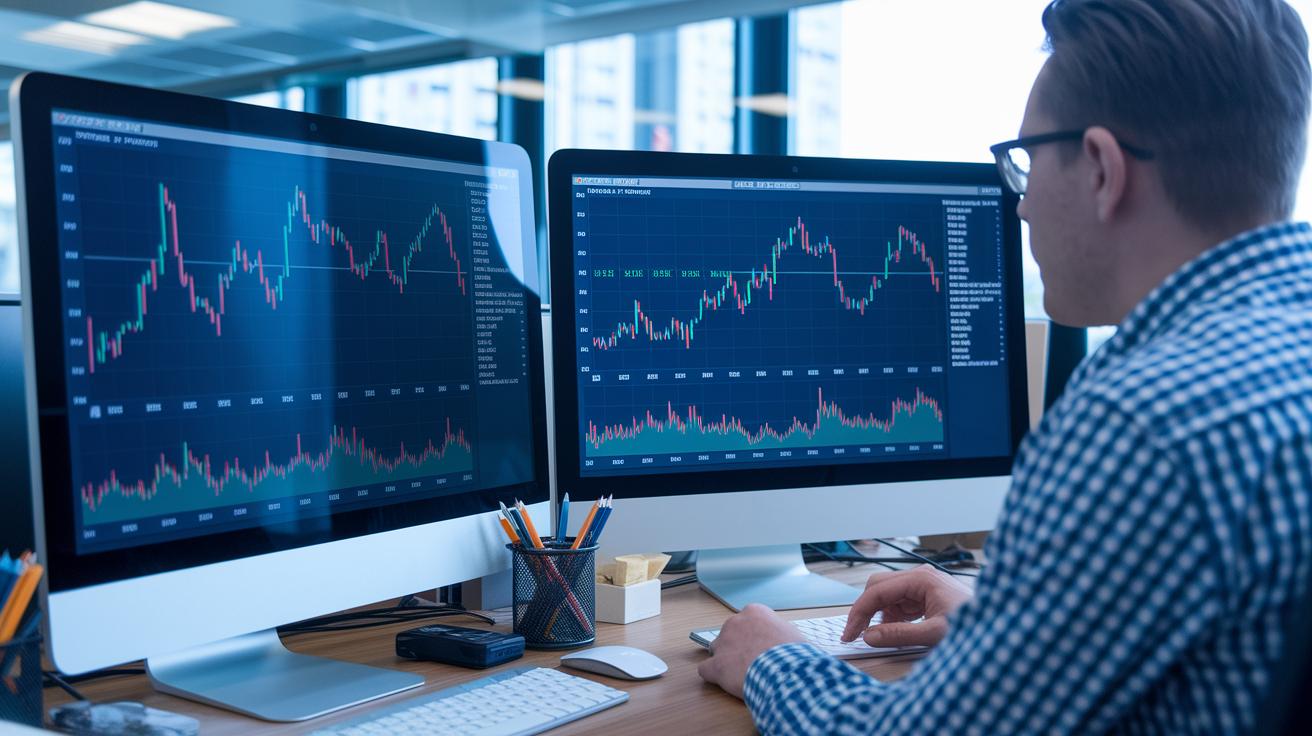
When you work with automated trend analysis, you often run into issues like poor data quality, overfitting (when your model is too tuned to a specific set of data), and tricky parameter tuning. Sometimes, fitting data into your core systems can feel like putting together a puzzle where one imperfect piece can throw the whole picture off.
At times, your system might flag normal ups and downs as big trends, false alarms that waste time and energy. These misleading signals happen when a small fluctuation is mistaken for a major change. By keeping a close eye on version control and managing parameters carefully, you can reduce these errors and make sure every alert counts.
Regularly retraining your models and troubleshooting issues is essential for staying on track. Think of it like giving your system a routine check-up to catch when it starts to drift off course. This steady attention not only minimizes mistakes but also builds trust in the insights that drive your business decisions.
Future Innovations and Next-Generation Automated Trend Analysis
Looking forward, automated trend analysis is getting a major boost from AI-driven forecasts that adapt in real time. These smart systems learn from every market twist and turn, making each prediction feel like it was made just for you.
New innovations adjust their models using fresh, live data. Imagine having a partner that grows smarter every day, getting better at spotting market shifts and reacting with just the right touch.
Emerging tools are also set to use hyperautomation and cloud computing to blend different streams of information into one flexible system. This means businesses can enjoy a clearer view of changing trends and make moves that really work.
By 2025, personalized forecasts will stretch across various fields like toys, healthcare, and beauty products. With AI tailoring the forecasts, companies will better understand what consumers want and design products and campaigns that truly connect.
In short, this evolution in trend analysis lays a strong foundation for making smart and proactive decisions in a fast-changing market.
Final Words
in the action, we explored how automated trend analysis works. We looked at its core methods, essential tools, and step-by-step implementation to sharpen your investment decisions.
This guide to automated trend analysis shows you how data can cut through market noise to spot trends early. It highlights risk management, accurate forecasting, and the power of modern platforms. Keep moving forward with confidence, smart strategies lead to secure, positive financial growth.
FAQ
Guide to automated trend analysis example
The guide to automated trend analysis example illustrates how historical data is used to uncover patterns that inform strategic decisions. It walks you through setting up data workflows from ingestion to reporting.
Guide to automated trend analysis excel
The guide to automated trend analysis in Excel explains how to configure spreadsheets for importing, cleaning, analyzing, and visualizing market trends. It offers practical steps for setting up effective financial models.
Trend analysis tools (free)
The trend analysis tools (free) answer describes online platforms like Google Trends and various open-source options that let you evaluate market shifts without incurring extra costs. They support basic assessments for business planning.
Google Trends
The Google Trends answer shows how this free tool monitors search interest over time. It helps you see market demand patterns, making it a handy resource for informed strategy adjustments.
Mann-Kendall test
The Mann-Kendall test answer explains that this statistical method identifies trends in time-based data without assuming a specific distribution. It’s useful for spotting steady market shifts during analysis.
Time series analysis
The time series analysis answer highlights that this method reviews past data points over time to predict future movements. It forms a core part of automated trend analysis for forecasting market behaviors.
What are the 6 steps in trend analysis?
The answer on the 6 steps in trend analysis outlines a process that typically includes data collection, cleansing, analysis, modeling, validation, and reporting. This complete framework supports efficient, data-driven decisions.
What is the best method for trend analysis?
The best method for trend analysis answer suggests combining techniques like time series forecasting, regression analysis, and signal detection. This integrated approach provides strong data insights for effective market evaluation.
How to use AI to predict trends?
The how to use AI to predict trends answer notes that AI processes extensive historical data, learns from existing patterns, and refines its predictions over time. It makes trend forecasting faster and more accurate for financial planning.
What are the three types of trend analysis?
The answer about the three types of trend analysis explains that you typically look at directional trends, cyclical patterns, and seasonal variations. Each type offers specific insights to help guide strategic market moves.