
Have you ever noticed that your morning coffee sometimes costs a bit more? In a market economy, everyday choices and the natural pull of supply and demand decide prices. Think about your local coffee shop, it might change its prices as the cost of coffee beans goes up or down.
In this system, buyers and sellers decide what gets made and how much it should cost. These small, everyday decisions send clear signals that shape our entire financial world.
In this article, I'll explain what a market economy is and why it works the way it does.
Market Economy Definition: Clear, Concise Insight
A market economy is a system where buyers and sellers decide what is made and at what price based on supply and demand. Imagine a small coffee shop that adjusts its menu prices when the cost of coffee beans goes up. Everyday transactions set the scene, much like chatting with a friend about what is needed around town.
In this kind of economy, government involvement is very light. People trade only when both sides agree, so prices act like little signals. When something is hard to find and lots of people want it, its price goes up, nudging producers to make more. For instance, think of a small artisan who suddenly boosts production as customer interest climbs, no government orders needed.
At its heart, this system lets individuals and businesses make their own decisions. There is no central boss dictating production or prices. Every transaction sends a clear message about what consumers want and how much is available.
This free enterprise model shows how natural market forces can create a flexible and efficient environment. Buyers and sellers keep reshaping the economy to match changing tastes, all while keeping outside control to a minimum.
Fundamental Principles of a Market Economy
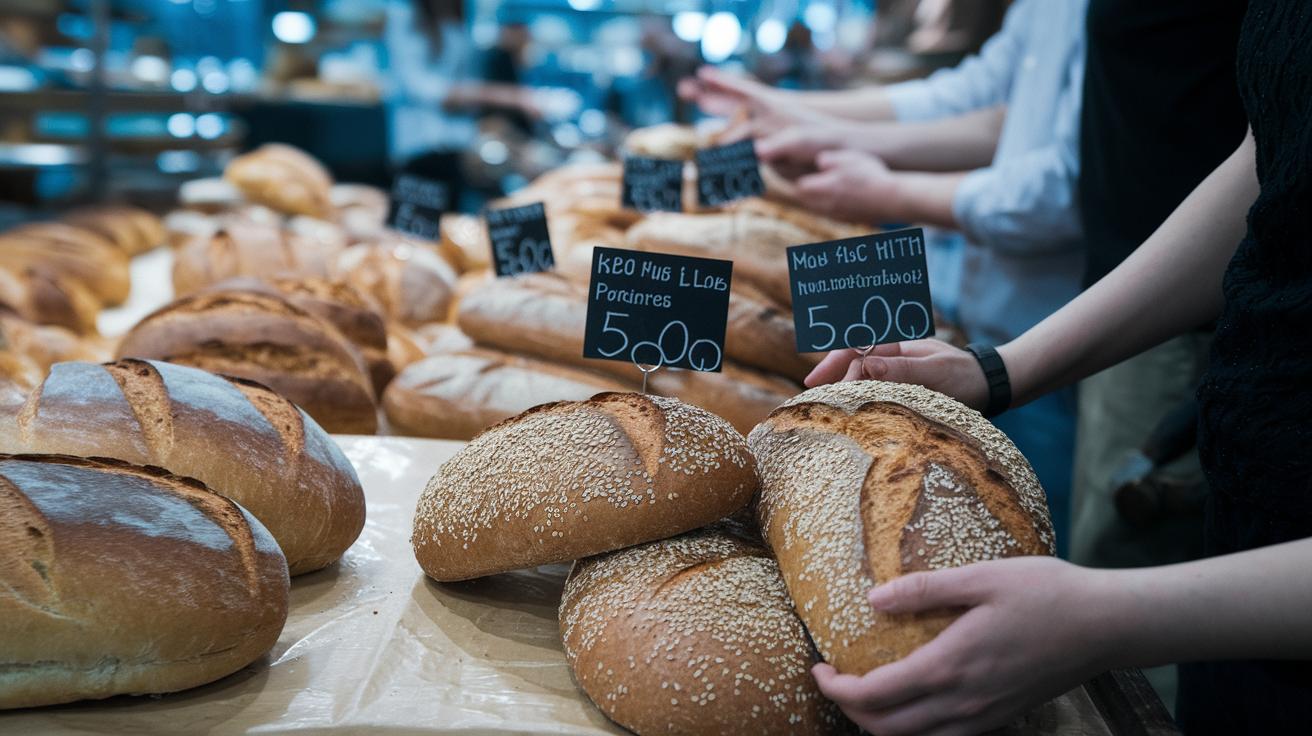
In a market economy, prices are set by how much of something is available and how much people want it. When an item is hard to find but many folks are after it, sellers naturally raise the price. Think about a local bakery that bumps up the price of its fresh bread on a busy morning when everyone seems to want a slice.
Producers notice these price signals and adjust what they do. They might change the amount they produce, try out new treats, or tweak their prices a bit. For instance, at a local festival, vendors saw a surge in demand, raised their prices, and even added unique flavors to attract more customers. It’s a great example of how sellers individually make choices based on what the market is telling them.
At the same time, consumers have a big role. When you head to a bakery and pick the bread that fits your taste and budget, you’re making a choice that helps shape what gets made. Your everyday decisions influence production trends and guide where resources go.
The idea of the "invisible hand" is a neat way to see how it all fits together. Every decision, whether buying bread at your favorite shop or sampling festival treats, adds up to make the market work efficiently. It’s like each choice is a piece of a puzzle, creating a bigger picture of a smoothly responding economy.
| Market Signal | Example |
|---|---|
| Rising Prices from Scarcity | A bakery hikes bread prices on busy mornings |
| Voluntary Trade Response | Festival vendors adjust prices and add new flavors |
| Consumer Choice | Shoppers pick what they love, influencing trends |
In truth, a market economy works because consumers, producers, and market signals all team up. Your everyday choices and observations, along with smart moves by producers, keep the system lively and responsive, almost like a friendly chat where everyone has a say.
Key Characteristics of a Market Economy System
In a market economy, companies react quickly to what the market tells them. For instance, a small startup might change its product features after noticing a sudden shift in customer tastes. It’s a bit like a food truck swapping out menu items on the spot based on live feedback.
This system thrives on flexibility. Instead of following a fixed plan, businesses and households adjust right away when raw material costs or spending habits change. Think of a manufacturer that ramps up production as soon as input prices drop. This approach helps keep disruptions short and the system fluid.
Here are some key takeaways:
- Fast responses to unexpected changes
- Independent players coordinating naturally
- New ideas sparked by real-time customer behavior
- Built-in fixes for market surprises
These points show that a market economy is much more dynamic than simply following preset plans or profit rules.
Market Economy vs. Other Economic Systems

Market economies work by letting buyers and sellers make choices freely. In these systems, people decide what to make, how much to make, and what price to charge by simply interacting in everyday trade. It’s like watching the steady pulse of market activity, where supply and demand set the stage for every deal.
Command economies, however, are a whole different story. In these systems, a central authority directs almost every move, from what to produce to how to divvy up resources. The government lays out detailed plans and tells businesses what to do. It can feel like someone is calling all the shots, leaving little room for individual creativity.
Then there are traditional economies. These lean on time-honored customs and cultural practices. Decision-making here follows long-established ways and changes happen very slowly, much like following an old family recipe that’s been passed down through generations.
Mixed economies bring together the best of both worlds. They blend free-market choices with some government oversight to smooth out bumps in the market and address social needs. Many modern countries, like the United States, Germany, and Canada, use this approach, mixing market signals with planned actions to inspire stability and growth.
| Economic System | Decision Maker | Government Role | Resource Allocation |
|---|---|---|---|
| Market Economy | Buyers & sellers | Limited involvement | Based on supply and demand |
| Command Economy | Central authority | High regulation | Planned by the government |
| Traditional Economy | Customs and heritage | Minimal to none | Based on historical practices |
| Mixed Economy | Both private and public sectors | Balanced regulation | Blends market signals with planning |
Imagine a local farmer deciding which crops to plant based on market trends, while in a command economy, the government would set that planting schedule. Looking at these differences side by side really shows why many places today choose a mixed system. It lets them enjoy the benefits of a free market while also keeping an eye on public welfare.
Advantages and Disadvantages of Market Economies
Market economies boost efficiency and help production grow by letting people make choices about how to use resources and create new products. Producers ramp up output when price signals are clear, which sparks innovation in these free systems. For instance, a local electronics store might start selling the latest gadgets when customers show lots of interest. This lively response not only drives growth but also gives consumers a broad range of options and competitive prices that inspire creativity and improved quality.
But there are some downsides too. Sometimes, strong market forces can stifle healthy competition, opening the door for monopolies that shrink consumer choices. Bigger companies may push out smaller ones, which can increase economic inequality. And with little regulation, labor standards and working conditions might slip during tough economic times. Imagine one giant company taking advantage of deregulation to edge out competitors and control prices, that’s a clear look at the darker side of free-market trade.
| Advantages | Disadvantages |
|---|---|
| Efficient production growth fuels innovation and provides a wide variety of quality products. | Monopolistic practices can limit choices, increase inequality, and lead to market instability during downturns. |
Final Words
In the action, this article broke down a market economy definition by exploring how supply and demand drive production, pricing, and voluntary trade. It also highlighted the economic freedom and decentralized choices that shape our financial world.
Each section painted a clear picture of how free enterprise works compared to other economic models. The insights shared can help anyone understand the key traits and debates around this system. Stay curious and keep gaining financial insight.
FAQ
What is a market economy in simple terms?
The market economy in simple terms is an economic system where supply and demand guide production and pricing with little government interference, allowing buyers and sellers to engage in voluntary trade.
What is a mixed economy?
The mixed economy definition means an economic system that combines free market practices with government oversight to address market gaps, balancing private enterprise with public interests.
What are some market economy examples and the best example of one?
The market economy examples include countries like the United States and Germany, where private business and minimal government regulation let supply and demand shape market prices and innovation.
What are the advantages and disadvantages of a market economy?
The market economy advantages include efficiency, innovation, and abundant product choices, while its disadvantages can involve income inequality and less protection for workers during economic shifts.
What are the key characteristics of a market economy?
The market economy characteristics include decentralized decision-making, profit-driven production, consumer choice, and minimal government control that encourages entrepreneurship and competitive pricing.
How does a command economy differ from a market economy?
The command economy concept means a system where central planning dictates production and pricing, in contrast to a market economy where private decisions and price signals drive economic activities.
Where can I find a market economy definition in PDF format?
The market economy definition PDF typically offers a detailed, downloadable explanation covering how supply and demand operate with minimal government control, widely available from educational or financial sites.
Which countries operate under a market economy system?
The market economy countries, such as the United States, United Kingdom, and Canada, predominantly use free enterprise models where market forces and consumer choices lead economic decisions.
What does the term “market” mean in economics in simple terms?
The market in economics means a setting where buyers and sellers interact through voluntary exchange, using price signals generated by supply and demand to allocate resources efficiently.