
China is taking a bold step by pumping nearly RMB 1 trillion into its economy. This huge boost might be just what’s needed to overcome slowing growth. When early signs of a tired economy appeared, the government stepped in with a plan to free up money and encourage banks to lend more.
They quickly relaxed some money rules and supported key sectors to help jump-start investments. This plan combines fast financial actions with long-term reforms, laying a solid foundation for future growth.
It’s like giving the market a fresh burst of energy when it needs it most. Have you ever noticed how a timely push can change everything?
Understanding China’s Economy Stimulus Package: Goals and Details
China took action in September 2024 to counter a slowing economy. They quickly rolled out a stimulus package designed to spark growth when signs of economic fatigue were clear. This plan focuses on boosting cash flow fast and lending support to key sectors, especially when both local and global challenges test the nation’s strength. You might be surprised to learn that nearly RMB 1 trillion (US$137 billion) was injected in essential liquidity, a move that’s quite rare these days.
This package mixes money moves and government spending to steady the market and encourage investment. On the money side, the People’s Bank of China cut the reserve requirement ratio by 0.5 percentage points. This step freed up funds for banks, letting them lend more and keep the market calm. At the same time, the plan targets the property market by lowering mortgage rates and fine-tuning important indexes, making it easier for consumers and businesses to borrow. Some experts are even talking about a much bigger push, a RMB 10 trillion fiscal package financed through ultra-long-term government bonds to fund public services, affordable housing, and infrastructure projects.
There are still some details waiting for lawmakers’ approval, with a meeting set for early November to iron them out. While the central bank’s action has already made a noticeable mark on the financial markets, the full benefits rely on a quick legislative nod. In truth, this balancing act between immediate relief and long-term reforms lays the groundwork for more recovery efforts and an evolving economic plan heading into 2025.
Monetary Easing in China’s Stimulus Package
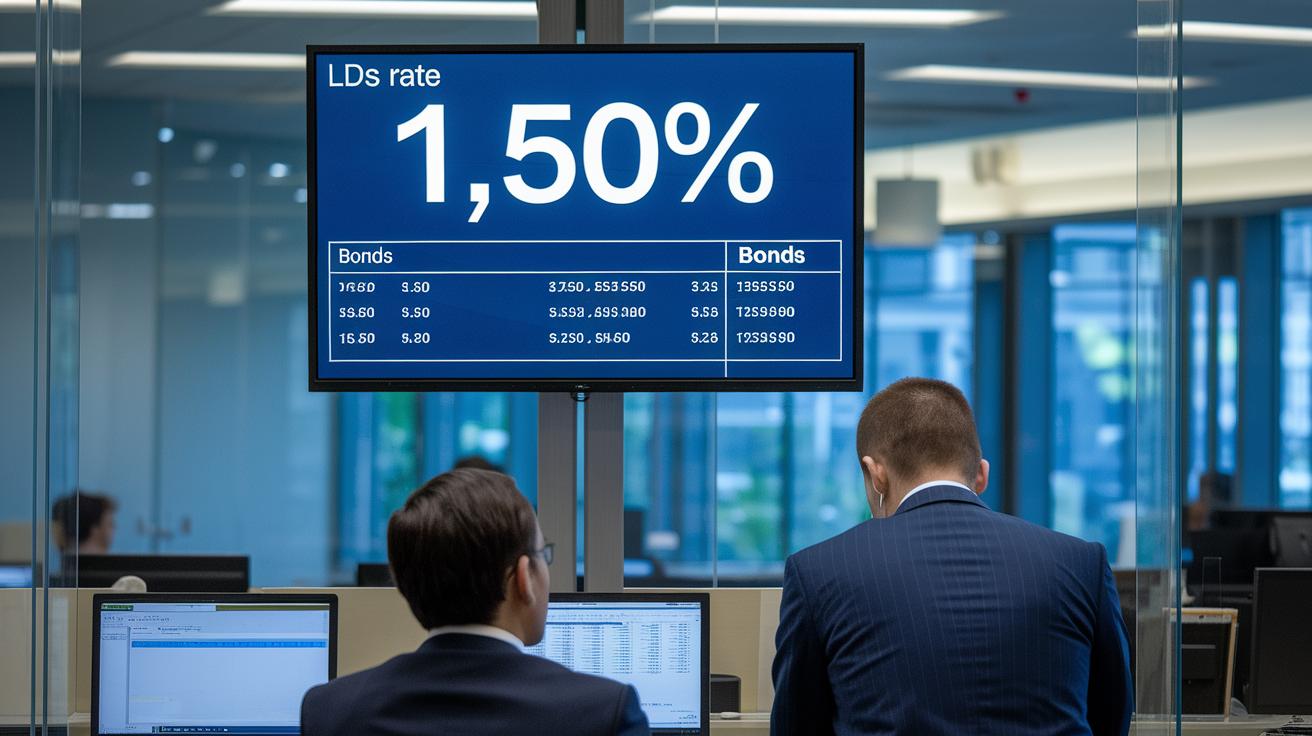
The People’s Bank of China is stepping in to help banks get extra cash during a slow market. They’re offering targeted support to meet immediate cash needs without rehashing the large liquidity moves from before.
Recently, the bank lowered the seven-day reverse repo rate by 20 basis points, which now sits at 1.50%. This rate cut is designed to make it easier for banks to access funds quickly. There are also hints that the bank might reduce the reserve requirement ratio by another 23 to 50 basis points, meaning banks would be allowed to hold less cash in reserve.
- Seven-day reverse repo rate cut of 20 basis points, now at 1.50%
- Potential further reserve ratio cuts between 23 and 50 basis points
Analysts warn that if consumers don’t start spending more, these monetary measures might not be enough to spark a durable boost in economic growth.
Fiscal Policy Actions in China’s Stimulus Plan
China is rolling out a huge fiscal push, a RMB 10 trillion stimulus funded by bonds. They’re using long-term government bonds to spread the repayment over many years. Think of it like a city choosing to rebuild roads and bridges gradually instead of facing a huge bill all at once.
The plan will funnel money into public services, affordable housing, and infrastructure projects in smaller and mid-sized cities. At a press conference in October 2024, officials mentioned a one-time life allowance for low-income households, a focused relief effort within this broader initiative to uplift communities.
Lawmakers will finalize the budget during the November session, tying spending details directly to community benefits. This step is all about making sure everyone knows where the funds go, whether it’s public services, housing, or roads and bridges.
Property Market Support in China’s Economy Stimulus Package

The government has introduced fresh measures to help the property market right away. They’ve cut mortgage rates on existing homes by 0.5 percentage points, which means homeowners could save about RMB 150 billion in interest costs.
They’re also making it easier to buy a home by lowering the minimum down-payment required for a second home from 25% to 15%. For instance, a family looking to upgrade their home could save significantly on upfront costs, making their dream home more achievable.
| Measure | Impact |
|---|---|
| Mortgage rate cut | RMB 150 billion in interest savings |
| Down-payment reduction | Improved affordability for buyers |
These steps aim to steady the housing market by lowering borrowing costs and boosting consumer confidence. As homes become more affordable, this could spill over into other areas of the economy, like retail spending and urban development projects.
Market Response to China’s Economy Stimulus Package
On the announcement day, major stock indexes surged with the CSI 300 climbing 4.3% and the Shanghai Composite jumping 4.15%, its highest rise in over four years. This vibrant reaction shows how ready investors are for new growth opportunities, driven by the government’s supportive steps.
Sectors like banks, insurers, and consumer-focused companies led the charge. Investors felt a boost of confidence as these areas performed well, hinting at a broader wave of optimism. With more cash in the market and smart fiscal moves, this momentum might just light the path for a lasting recovery.
China Economy Stimulus Package: Fueling Robust Growth
China is taking bold steps to fuel its economic growth. The World Bank predicts a 4.8% rise in GDP for 2024, thanks to smart stimulus measures. This extra push comes from more money in the market and careful government spending. Think of it like lighting a small spark that can grow into a bright flame.
That quick bump in growth, however, isn't the whole story. For a lasting recovery, China needs to keep spending steadily while also making big changes in its industries. It’s a bit like fixing a leaky faucet, you start by stopping the drip and then repair the whole system to make sure it runs smoothly. Boosting consumer confidence and supporting weak areas are key steps here.
Looking further ahead, there are deeper issues to address, such as high debt and low consumer demand. The goal now is to mix quick wins with long-term plans. Policies that spark new ideas and encourage more spending are essential. In short, keeping a close eye on these challenges will help steer the economy toward a strong, sustainable future.
Global Impact of China’s Economy Stimulus Package on Asian Markets
China’s latest stimulus package is starting to make waves in global trade and commodity markets. When China ramps up its spending, it stirs up more demand for industrial goods and services. Picture bustling harbors and busy shipping yards as nations work extra hard to keep up with the new demand. In a nutshell, this extra push can boost exports and help smooth out supply chains in countries linked to China’s booming industry.
Asian stock markets are feeling a positive vibe from these changes too. Investors are watching closely as better access to cash and more export opportunities bring renewed hope to the region. It’s a bit like seeing a friend find their footing again, you can’t help but feel encouraged. For example, early signs from key markets show trends that remind us of China’s own strong domestic scene, sparking a ripple effect of confidence across emerging sectors.
Looking ahead, these shifts might also strengthen global market stability. With tighter supply chains and smoother money flows, future economic shocks could be easier to handle. Plus, as countries take cues from China’s proactive steps, we may see more coordinated moves on policy around the world. Investors and policymakers are keeping their eyes peeled, hopeful that these spillover effects will build a sturdier foundation for the global economy.
Final Words
In the action, we examined China's bold move to tackle an economic slowdown. We broke down the central bank’s liquidity boost, detailed the fiscal expansion and property market support, and highlighted the significant market response. The discussion continued with growth projections and global implications, all tied together under the spotlight of the china economy stimulus package. This dynamic overview leaves us with a clear picture and a sense of optimism, knowing that every financial move brings opportunities for smart investments.
FAQ
What is China’s economic stimulus package?
China’s economic stimulus package blends monetary easing and fiscal expansion with property market support to boost growth, tackle slowdown, and foster confidence through measures like liquidity injections and regulatory adjustments.
What is an economic stimulus package?
An economic stimulus package involves government actions such as increased spending or policy changes intended to jumpstart economic growth during slowdowns by boosting liquidity and encouraging spending.
What are the latest updates on China’s stimulus package for 2024?
The 2024 package features measures like a 0.5 ppt reserve requirement ratio cut and a hefty liquidity injection, targeting property relief and market stabilization to counter a slowing economy.
What is China’s stimulus plan for 2025?
China’s 2025 plan envisions further fiscal expansion with significant bond-funded investments and ongoing liquidity support, subject to legislative approval, to sustain economic recovery and market confidence.
How did China respond to the 2008 financial crisis?
In 2008, China introduced fiscal packages and credit support measures that helped protect its economy from global shocks, setting the stage for robust recovery during turbulent financial times.
How much is the stimulus per person in China?
No specific per-person figure exists; instead, China channels stimulus broadly through systemic liquidity enhancements, property market measures, and fiscal policies aimed at overall economic rejuvenation.