
Has Argentina finally found its balance? The country had a rough patch and shaky trust, but new signs hint at a steady comeback. For example, a low June inflation rate of 1.6 percent shows progress in a simple way. The government is taking clear steps to keep the market in check, and that gives many people hope. Key numbers point to gradual growth and actions that ease the peso's loss in value. Can these careful fiscal moves bring lasting optimism? Let’s take a closer look and see if these early gains mark a true turnaround for Argentina.
Argentina Economy Sparks Optimistic Progress
Argentina's economy has been a wild ride lately. Even though the country has faced major challenges and a crisis that lingers despite tough "shock therapy" reforms, there are signs things could be turning around. The stock market took a hit and dollars are quickly leaving the country, showing us there's a lot to fix. Still, some key numbers hint at a gradual recovery. Just picture it, a June inflation rate of 1.6% suggests that price controls might finally be working.
The government is getting serious. They've stepped in to stabilize the foreign-exchange market in hopes of slowing down the rapid devaluation of the currency. This move is all about keeping those wild exchange rate swings at bay and helping investors feel more secure. One standout effort has been the IMF's review of the Extended Fund Facility, which has unlocked a $2 billion disbursement. This support is a big vote of confidence in the government's aim for a zero overall deficit, reassuring everyone that fiscal discipline is on track.
Economists are watching these indicators closely. The IMF is forecasting a growth of 5.5% for this year, even as the government tightens spending. It seems clear that smarter fiscal policies and focused reforms are setting the stage for gradual progress. Here's a quick look at some of the key numbers:
| Indicator | Value/Trend |
|---|---|
| Monthly Inflation | 1.6% |
| Annual Inflation | Under 21% (projected drop below 20%) |
| IMF Growth Forecast | 5.5% |
| Dollar Outflow | Rising |
All in all, the mix of central bank actions and targeted fiscal policies gives hope for a steady, cautious recovery ahead. Have you ever seen a comeback take shape right before your eyes? In Argentina's case, every small improvement adds up, lighting the way toward a more stable future.
Historical Context of Argentina’s Economy and Past Crises

Argentina’s economic story is one of ups and downs. For many years, the country has seen cycles of booming growth followed by deep downturns. The early 2000s were a wake-up call – when the collapse hit, high inflation and unchecked public borrowing shook confidence across the nation.
During those tough years, signs of recession were clear. Public debt climbed high and trust in the market fell fast. At times, the government tried to protect the economy by imposing controls and other measures, but these steps often made it harder for Argentina to connect with a broader recovery.
After every crisis, the road to recovery has been steep. In the aftermath, records show that reckless borrowing and aggressive political moves only made things worse. The lessons from those challenging times remind us that steady and careful management of the nation’s finances is key.
These reflections help us understand why Argentina still struggles with instability today. They show the need for clear, smart policies that support growth and protect the economy when storms hit.
Government Policies and Structural Reforms in Argentina’s Economy
Argentina’s leaders are taking strong steps to steady a shaky economy. They’re using a “shock therapy” plan, which means making quick, bold changes to lower prices and spark growth. Under President Milei, the government is committed to a zero-overall deficit. Think of it like tightening your ship's sails in a storm, each small change aims to keep things steady.
One big move was an IMF review that unlocked a $2 billion payment. This isn’t just a stopgap, it supports a broader push for careful budgeting and strict rules for spending. The country is also rolling out a new plan to invite more foreign investment. Imagine a local business owner getting the funds needed to grow because the government has cut red tape. It’s a small change that might make a big difference.
The government is also cutting down on agribusiness export duties and reducing import tariffs. These steps help local products compete better and show that the market is being renewed. Removing old, confusing rules has paved the way for smoother and healthier money moves. It’s a bit like clearing obstacles on a runner’s track, every reform helps boost speed.
- Quick-action plans are being used to stabilize prices.
- A strong focus on balanced budgets is helping build trust.
- Simplified rules are attracting new investments.
These reforms are steadily changing Argentina’s economic landscape, one thoughtful step at a time.
Inflation Trends and Monetary Policy in Argentina’s Economy
New numbers show prices rising about 1.6% each month. This figure is key because it tells us that the government is working hard to bring stability back to everyday costs. The Central Bank is busy too, adjusting interest rates and tightening money rules to help control rising prices. Think of it like a train operator gently slowing down to keep the ride smooth.
The Central Bank’s goal is to keep prices stable. They’re managing the exchange rate carefully so that the peso doesn’t lose value too quickly. It’s a bit like a homeowner shoring up their roof before a storm hits, taking small steps now can prevent big problems later.
Interest rate changes are another important tool. These adjustments help calm the sudden jumps in prices that can unsettle local markets. The approach is a mix of old reliable methods and new tactics, such as:
| Method | Purpose |
|---|---|
| Adjusting key rates | Controls overall demand |
| Managing exchange rates | Keeps currency stability |
| Calibrating monetary tightening | Reduces inflation pressure |
All these steps together show Argentina’s steady effort to win back confidence in both local shops and the broader market.
Public Debt and Financial Markets in Argentina’s Economy
Argentina’s growing public debt is capturing investor attention as fiscal challenges continue. US Treasury officials have hinted that every available lifeline will be considered to support the country. This move reflects deep worries about the risk of a sovereign default. In simple terms, the country's mounting debt is slowly eroding confidence in the market, and credit rating pressures are becoming a real concern.
IMF support has stepped in with a recent fund disbursement to help cover near-term financial needs. While this assistance eases some pressure off government finances, the local bond market remains turbulent. Investors are closely watching changes in credit ratings, aware that these shifts could indicate even more complex issues ahead in managing and restructuring the debt.
- Rising public debt is increasing worries about a sovereign default.
- The IMF’s recent funds help meet short-term financial needs.
- Fluctuations in local bond markets highlight ongoing credit rating challenges.
Global financial moods and domestic credit market behavior remind us that steady fiscal discipline and thoughtful policy decisions are essential to keep Argentina’s economy on track.
Trade Imbalances and Sectoral Drivers in Argentina’s Economy

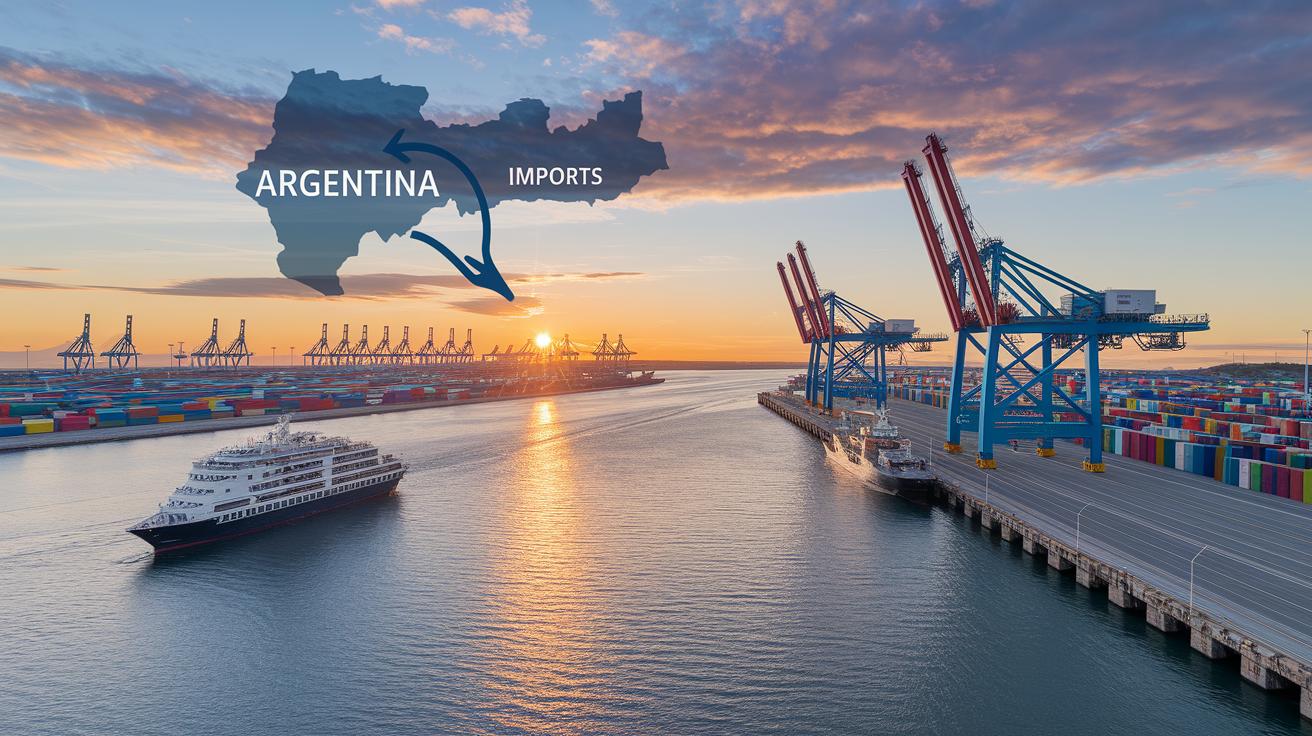
Argentina's recent policy changes are starting to clear up some trade issues. They cut export fees for farmers and lowered import taxes to help smooth things out, kind of like tidying up a crowded room so every item finds its proper place. This makes the market work more efficiently.
Key industries such as agriculture, mining, and energy are now driving a comeback through strong commodity exports. In simple terms, these sectors are making Argentina more competitive by helping local businesses meet global demand. For instance, when tariffs go down, as noted on the tariffs stock market page, it creates a level playing field that supports both imports and exports.
- Lower tariffs ease supply chain snags.
- Commodity exports boost growth in major sectors.
- Simpler import rules strengthen international trade ties.
These steps are slowly addressing long-standing trade imbalances and boosting Argentina’s export strength. Even small regulatory tweaks are sparking noticeable changes in market behavior. Have you ever felt that rush of excitement from seeing a well-planned policy light a fire under the market?
Future Outlook and Long-Term Projections for Argentina’s Economy
Experts are now zeroing in on factors that didn’t get much attention before. They say that options from US lifelines, along with steady flows of private capital, could give the market a helpful boost over time. These benefits might just help Argentina close the gap as it tackles long-standing issues with policy ups and downs and shaky fiscal management.
Think of it like putting together a puzzle. Every piece matters, from policy changes to incoming capital. For instance:
- US lifeline options might bring in more stability.
- Private capital inflows could lift investor spirits.
- Ongoing policy ups and downs are still a real challenge.
- Lasting reforms are crucial for lasting strength.
Final Words
In the action, we explored market trends, policy shifts, and inflation measures that shape today’s argentina economy. We reviewed historical challenges, fiscal reforms, and adjustments in debt and trade that investors keep a close eye on. This breakdown helps active traders and informed beginners pinpoint risk management strategies and market opportunities. Every step, from stock behavior to budget fixes, builds a clearer picture of future possibilities. There's real promise ahead, and the insights we've shared empower you to take confident steps forward in the market.
FAQ
How is Argentina’s economy under Milei?
Argentina’s economy under Milei shows signs of crisis despite shock therapy reforms. The government is actively intervening to slow currency devaluation and manage inflation.
What is fueling Argentina’s current economic crisis?
Argentina’s crisis is rooted in long-standing fiscal challenges, high inflation, and persistent cycles of boom and bust, even with recent policy efforts targeting stability and growth.
What details are there about Argentina and US bailouts?
Argentina has secured financial lifelines, including a bailout involving a $2 billion disbursement backed by US and IMF efforts, aimed at easing its fiscal pressure and restoring stability.
How is inflation affecting Argentina’s economy?
Inflation in Argentina is slowly easing, with a 1.6 percent monthly rate and annual figures trending under 21 percent, as the central bank adjusts interest rates and controls exchange fluctuations.
What type of economy does Argentina have?
Argentina features a mixed economy with significant government intervention. It combines market elements with state policies, leading to cycles of rapid growth and sharp downturns.
Why is the US providing 20 billion to Argentina?
The US support aims to offer critical financial backing to help Argentina manage its debt and signaling confidence in its reform measures, all while easing market pressures amid fiscal challenges.
What is the average income in Argentina?
The average income in Argentina is modest compared to many developed countries. It reflects local living standards amid ongoing economic restructuring and inflation pressures.
How does Argentina’s GDP performance and outlook look today?
Argentina’s GDP performance remains modest amid reduced government spending and tighter fiscal policies. The IMF expects gradual growth as reforms take hold and market confidence slowly builds.