
Have you ever wondered how a small number can really shake things up? Right now, the prime rate is 7.25%. This number is like the starting point for banks when they decide on rates for loans, credit cards, and lines of credit. Even a tiny shift in this rate can change your monthly payments or how much you earn from your savings.
In this chat, we'll break down what this key benchmark means and how it works for your money. So, have you ever felt the excitement when good financial news comes your way? Today's solid rates are sparking a sense of confidence in the financial world, and it's something worth thinking about.
Current Prime Rate: Today's Benchmark Interest Rate
Right now, the prime rate is set at 7.25% starting May 03, 2023, based on announcements from the Federal Reserve and FOMC. This rate is like the nation’s starting point for interest, and banks use it to decide rates for loans, credit cards, and lines of credit.
Usually, banks add around 3% to the federal funds rate to come up with rates for personal loans, mortgages, and credit cards. Before many people jump into home loans, they often don’t realize that even a small bump in the prime rate can change monthly payments quite a bit. It’s a neat reminder that little shifts can have a big impact on how much you borrow.
In truth, the prime rate affects both your borrowing costs and the returns you get on savings. Banks use it as a baseline and then tack on extra percentages that consider your individual risk profile and market conditions. So when you see a mortgage or credit card rate, remember it starts at that 7.25% mark with a little more added on top. That’s why it’s such a key number to understand in today’s financial world.
Federal Reserve’s Role in Setting the Current Prime Rate
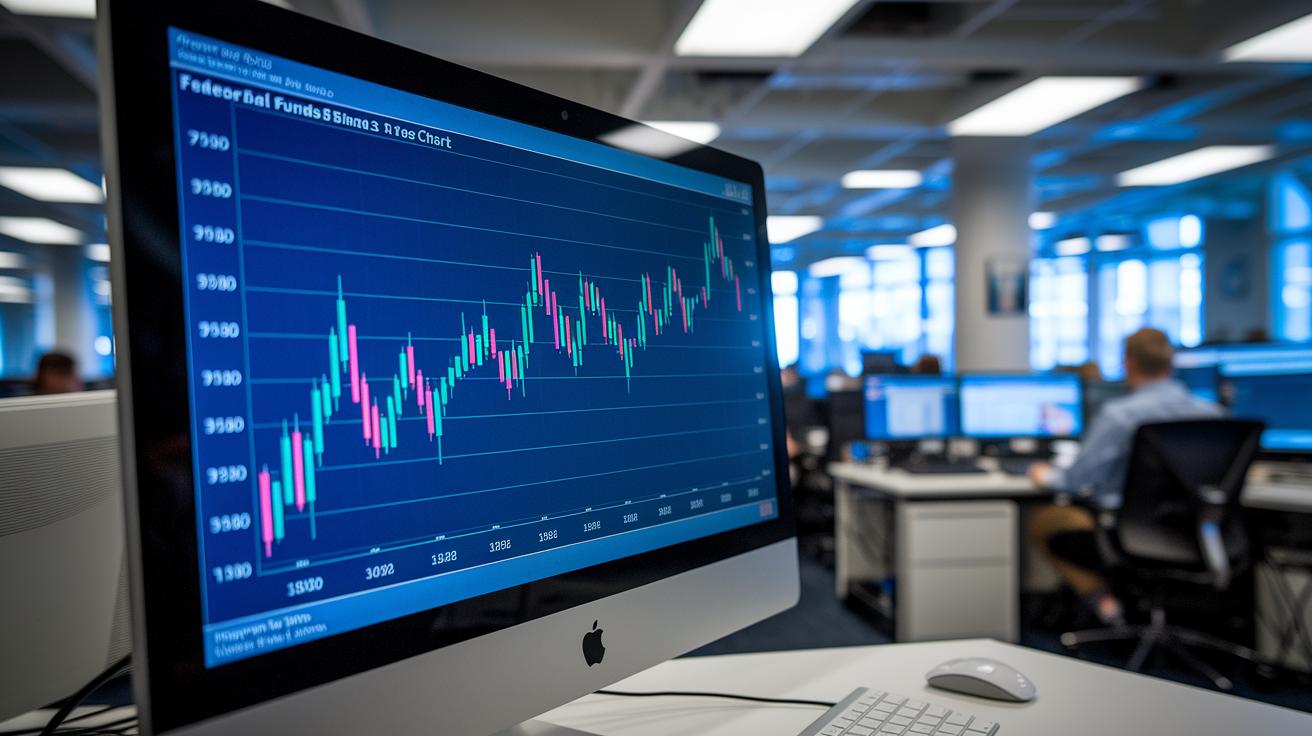
The Federal Reserve sets the tone for the prime rate by managing the federal funds rate, a key number that banks use as a guide. Every six weeks, the Federal Open Market Committee (FOMC) gets together to review economic trends and decide on this rate. Once they set it, banks typically add about a 3% margin to cover extra costs when offering loans and credit products. Lower rates can boost borrowing during slow periods, while higher rates help keep inflation in check when the economy heats up.
Federal Funds Rate vs. Current Prime Rate
Banks figure out the prime rate by taking the federal funds rate and adding roughly 3%. Think of it like your favorite store pricing an item with a fixed mark-up to cover additional expenses. This consistent spread offers a clear benchmark for understanding borrowing costs. It’s a simple formula that neatly shapes loan offers across the board.
FOMC Meeting Schedule
The FOMC meets every six weeks to sift through economic data and assess market conditions. Their decisions on the federal funds rate directly guide banks on how to adjust their prime rates. Each meeting is a key event, watched closely by investors and everyday borrowers alike, because even a small change can affect everything from personal loans to mortgage rates.
Current Prime Rate and Borrowing Costs for Consumers
The prime rate is like the starting line for many borrowing products. Banks set their rates by adding a fixed percentage on top of this prime rate. So, when the prime rate changes, it directly affects the cost you pay for loans. For example, even a small rise in the prime rate can make your adjustable-rate mortgage or personal loan a bit more expensive. On the flip side, when the rate drops, you might find a great chance to refinance at a lower cost.
This shift in the prime rate can change your monthly payments on various credit products. If the rates change, many borrowers take a second look at their loan terms to see if refinancing might help lower their costs. Even though some loans lock in a fixed rate or use another benchmark like SOFR (which shows how quickly assets can be turned into cash), most consumer loans follow the ups and downs of the prime rate.
Here’s a quick look at how different loans are priced:
| Loan Type | Rate Calculation Method |
|---|---|
| Adjustable-rate mortgages | Prime + 2.5% |
| Home equity lines of credit | Prime + 1.5% |
| Personal loans | Prime + 3.0% |
| Credit cards | Prime + 4.0% |
| Auto loans | Bank-determined rate (prime rarely used) |
If you have a strong credit score, you can often get a lower margin added to the prime rate. In other words, a good credit record might help reduce the extra charge you face. When the prime rate is on a downward path, many people jump on the chance to refinance, locking in better deals and lowering their monthly payments. Keeping an eye on your credit report and following market trends can really pay off by helping you manage your loans more wisely.
It’s all about being proactive, watching those numbers and knowing when to act can save you money and build your confidence when making financial decisions.
Historical Trends of the Current Prime Rate Since 2006
When you look at how the prime rate has changed since 2006, you see a story that mirrors our economy. In good times, rates were high, and when trouble hit, they took a sharp dive. It kind of shows how banks adjust their lending rules to match what the economy needs.
| July 2023 | 8.50% |
| Dec 2022 | 7.50% |
| May 03, 2023 | 7.25% |
| March 2020 | 3.25% |
| Jan 2007 | 8.25% |
Back in the mid-2000s, rates generally stayed between 8.25% and 9.50% as the economy pushed for steady growth. Then, in March 2020, the prime rate suddenly dropped to 3.25% to help ease economic stress. Later, rates rose again, to 7.50% in December 2022 and then to 8.50% in July 2023, as a way to combat rising inflation.
This back-and-forth is a clear example of how banks and the market adjust to changes. It shows that even big numbers like the prime rate can be a well-tuned tool for both consumers and banks to plan their next move.
Forecasting the Current Prime Rate: What’s Next?
The outlook looks bright. Lately, more and more chatter in the market suggests that the prime rate might soon drop. Many experts now think we could see it slide down to about 6.75% by the second quarter of next year. This small change could make borrowing cheaper, which is great news for both consumers and investors.
Economists point out that steady GDP growth and softer inflation are key reasons behind these predictions. Recent numbers in the CPI and unemployment rates show that the economy is finding its balance. With the Fed keeping its messages clear and steady, it seems likely that lower borrowing costs will slowly affect many types of loans. It’s a bit like watching dominoes fall – when one piece moves, the next one follows.
Investors are keeping a close eye on every Fed statement and economic update. These regular check-ins help set clear expectations about what’s coming next. Even a slight dip in inflation or good news on jobs could encourage lenders to lower the prime rate, making their offerings more attractive. This possibility is giving many borrowers the idea to start thinking about refinancing.
Key Economic Indicators to Watch
Key drivers include inflation levels, job numbers, GDP growth, and steady Fed updates. Together, these figures help outline how the rate might shift.
Economists’ Projections for Prime Rate Moves
Many financial institutions now expect the rate to drop by mid-year. They base their forecasts on steady policy messages and strong economic data. These ideas are helping shape a new view of what borrowing might look like in the coming months.
Current Prime Rate vs Other Lending Benchmarks

Right now, the prime rate sits at 7.25%, which really makes it stand out compared to benchmarks like SOFR, which is around 5.30%, and the effective federal funds rate. Each of these numbers plays its own role in capital markets. For example, since LIBOR is being phased out, many commercial loans now lean on SOFR or Treasury yields. This mix of rates helps investors and banks get a clearer picture of overall yield trends.
Different financial products lean on different benchmarks. Mortgages often follow Treasury benchmarks, while auto and consumer loans use spreads that banks set on their own. Think of it like each rate having a special job, some track short-term money movements, and others help set rates on longer loans.
The prime rate remains the top dog because it has a direct impact on lots of borrowing costs. It’s a trusted marker that both lenders and borrowers rely on. Even though other benchmarks have their own roles, the prime rate’s steady mark-up and broad use keep it at the center of how lending conditions are set.
Final Words
In the action, we examined today’s benchmark interest rate, covering its role in setting personal loan rates and shaping borrowing costs. We discussed how the Federal Reserve influences the current prime rate, presented historical shifts, and compared it to other lending benchmarks.
We also looked ahead with forecasts based on key economic indicators. This insight helps you see how the current prime rate plays a crucial role in everyday financial decisions, making it easier to plan smart, secure investments.
FAQ
What is the current prime rate?
The current prime rate is 7.25% as of May 03, 2023. This rate sets the benchmark for loans, meaning banks add a margin above it when pricing personal loans, mortgages, and credit cards.
How does the prime rate compare with the Fed rate?
The prime rate stays about 3% above the federal funds rate. Banks use the Fed rate as a baseline, then add a margin to determine loan rates, making it a key figure for borrowing costs.
What do historical trends and WSJ prime rate charts show?
Historical trends and WSJ charts reveal that the prime rate has fluctuated significantly over the years—from rates in the mid-2000s to dramatic drops in March 2020—mirroring shifts in economic conditions.
What is the forecast for the prime rate, even looking toward 2025?
Forecasts suggest the prime rate might decline to around 6.75% if inflation eases, with prospects shaped by key economic indicators. Analysts look at such trends to predict future borrowing costs.
What is the relationship between the Fed interest rate and bank prime rates today?
The Fed interest rate influences the prime rate by serving as the base for banks’ lending rates. When the Fed adjusts its rate, banks typically modify their prime rate, impacting rates on a wide range of consumer loans.