
Ever thought about how one small change in a country can move billions of dollars around the world? Policy shifts and market swings mix up our daily money habits, changing the way we save, invest, and shop. With $68 trillion passing between generations, these global trends are more than just numbers, they help us make important decisions. In this post, I’ll share clear insights and simple examples to show you how big money moves can give your financial plans a boost.
Global Financial Impact Overview: Key Drivers and Worldwide Monetary Influence
When we zoom out to see the whole money picture, we notice that policy changes, new rules, and market ups and downs all tie nations together. Right now, changes in central bank rates and trade tariffs shift investment flows, while swings in the market affect how people shop and how businesses plan. For example, did you know that $68 trillion in wealth is moving between generations? It really highlights how global money trends can reshape wealth around the world.
These global shifts ripple right into our day-to-day financial choices, making government policies and investor moods closely connected. With billions still learning the basics of money management, it’s a real challenge to keep up. This kind of big-picture look pushes everyone, from investors to business leaders, to lean on clear, data-driven insights when mapping out future steps.
By comparing data from different countries and keeping track of budget trends, experts can better predict how markets might move next. This approach cuts through the complexity and helps craft strategies that work in our fast-changing economic times. In truth, mixing smart policy analysis with steady market monitoring is key to using global money trends for growth.
Global Market Fluctuations and Economic Disruption Case Studies
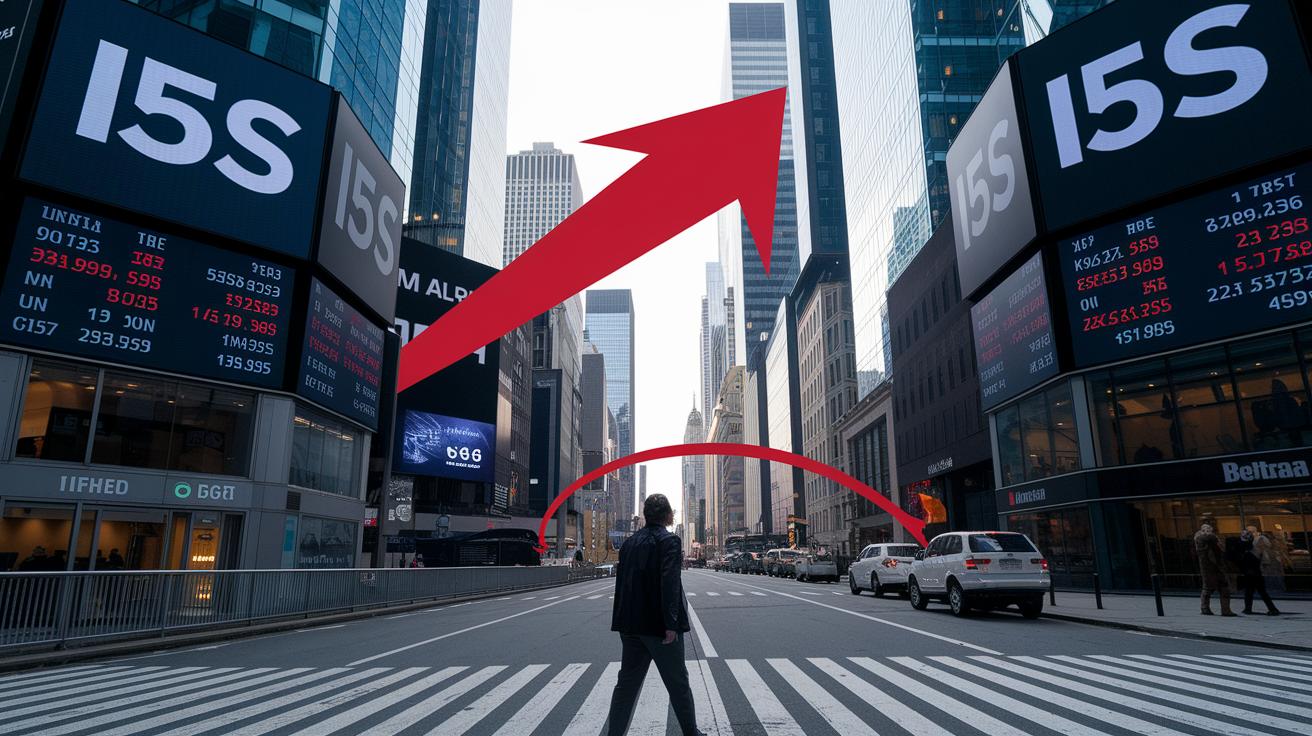
The ups and downs of global markets remind us that even solid economies can get knocked around by sudden shocks. Think about the 2008 crash, banks failed, home values dropped, and investors everywhere got a hard wake-up call. When government and bank leaders don’t step in quickly, panic can spread, and asset prices can fall across the globe.
The COVID-19 downturn made this even clearer. Almost every industry felt the pinch, from factories to tech companies. Businesses scrambled to adjust, making more online deals, much like learning new tricks during tough times. During that peak, some companies saw revenue tumble by 40% because supply chains broke down and consumer habits shifted abruptly.
Looking back at past crashes, we see that recovery isn’t the same everywhere. Some places bounced back fast with creative financial plans, while others struggled much longer.
Key lessons from these case studies include:
| Lesson | What It Means |
|---|---|
| Swift Government Action | Early moves by government and banks can calm the market. |
| Diversified Income | Spreading out revenue sources helps companies handle surprises. |
| Strategic Planning | Having a solid plan is key for bouncing back after tough times. |
In truth, these real-world examples give us valuable insights for growth. They guide both policymakers and investors through sudden changes while helping build a stronger, more resilient economy.
Global Financial Impact: Bold Insights for Growth
Today’s fast-changing world means that the way governments and regulators operate is constantly evolving. Central banks adjust money policies, governments roll out tax changes, and fiscal support programs are updated almost every day. Even regular training sessions for compliance now get updated in 2024, showing a fresh push for clear rules and transparency. For example, when new trade duties come into play, they can quickly change how investors feel and spark fast shifts in the market.
Across the globe, leaders are updating economic policies to support both families and businesses in uncertain times. They’re carefully changing interest rates and adding tax breaks to help soften the blow of economic shocks. These policy moves are part of bigger team efforts that keep markets steady while encouraging slow and steady growth. New reforms focus on getting rid of outdated ways and improving the security of digital money moves, which builds a more reliable financial system. This clear focus gives investors a better sense of what to expect over the long run.
Policymakers are taking a smart, structured approach to manage risks. They watch for sudden changes, like quick shifts in trade rules or interest rates, and then take action to prevent a downturn. They check the pulse of different markets and adjust policies in real time. This hands-on approach not only protects assets but also helps keep investor trust strong across borders. As countries refine their strategies, these ongoing policy updates play a big part in supporting the enduring strength of our global financial system.
Global Cross-Border Investment Trends and Capital Flow Dynamics

These days, investing across borders has become a key part of many financial plans. Big international banks help move money from one country to another, looking for better gains and lower risks. Think of it as building a bridge between different economies, trust and know-how keep these investments secure and growing.
A few reasons drive these shifts. One big factor is that global banks mix local know-how with worldwide standards. They set up strong networks that make transferring money overseas feel like a well-coordinated team game, with each player aiming for steady growth.
Next, changes in rules and trade policies also shape how money is spread around the world. New regulations and fresh market opportunities encourage more investors to try their luck abroad. When people see clear, safe chances for profit with trusted partners, they become more willing to invest outside their home country.
Finally, fast-changing market conditions and modern tech in our financial systems mean that transactions happen quicker and tracking is easier than ever. For a closer look at how international funds are structured, check out the article on the european investment fund.
All in all, these trends offer a clear roadmap for anyone who values both growth and smart risk management on a global scale.
Currency Exchange Volatility and Interest Rate Impacts on Global Finance
Foreign exchange rates and interest rates are like two sides of the same coin that shape global trade and affect asset prices around the world. Banks and governments use tricks in monetary policy to steer these rates, which can make imported products either cheaper or pricier. Think about it this way: if a currency suddenly loses value, a company might suddenly find it easier to buy goods from abroad or, on the flip side, face stiffer competition.
When interest rates go up, borrowing money gets more expensive for businesses, which can put a damper on new projects or expansion efforts. On the other hand, lower rates can make loans more affordable and spark a wave of investment, boosting confidence in the market. These moves don’t just affect borrowing costs, they can also stir up fluctuations in currency values, as investors change their bets based on where they think the money will grow best.
Imagine a scenario where a country’s central bank unexpectedly hikes up interest rates. In that case, the prices of that country’s assets might suddenly look attractive to investors, drawing in extra cash even though the risks might also go up. Here are a few takeaways to keep in mind:
- Planning ahead to manage the risk of changing currency values
- Keeping a close eye on how interest rate shifts can rework the financial landscape
- Tweaking your trade strategies as the market moves in real-time
Being on top of these changes and managing them wisely is key for any business wanting to stay competitive in today’s fast-moving global market. It all comes down to smart, flexible planning that helps drive growth over time.
Emerging Market Challenges and Global Debt Dynamics

Emerging economies are facing hard times as they deal with growing debts and credit pressures. Many of these countries borrow a lot to finance their projects for growth, which makes them more sensitive to changes in global interest rates and market moods. Courses like Emerging Markets Overview and Country Risk Ratings show that high borrowing can leave a nation open to unexpected downturns.
Rising debt levels bring with them challenges in managing government bonds. When these markets take on expensive high-interest loans, even a small economic setback can lead to wider credit issues. Imagine it like trying to walk a tightrope without a safety net, one small slip in investor confidence can have serious consequences, much like a slight tremor upsetting a delicate stack of cards.
Key points to watch include:
| Issue | Impact |
|---|---|
| Higher borrowing costs | Puts pressure on national budgets |
| Dependence on foreign investment | Can vanish quickly in tough times |
| Maintaining strong credit ratings | Becomes challenging during global stress |
Many emerging markets also struggle to adjust their financial policies in today's fast-changing global arena. Their challenges not only slow local growth but can also affect the international financial landscape. Investors and policymakers need to keep a close eye on the mix of debt and credit risks, as these issues play a big role in the health of global finance.
Lessons from Past Crises and Global Economic Forecasting Approaches
Experts now predict the future by using methods that change as new information comes in. They watch everyday details like job trends and what people spend money on. This fresh data shapes the forecasts as soon as it appears. And yes, it’s a big shift from old, fixed methods.
Take 2008 for example. A small shift in credit conditions changed the game, nudging experts away from rigid models. That change sparked the rise of dynamic forecasting, a way to keep predictions current and more reliable.
Key parts of this new approach are:
| What They Do | Why It Matters |
|---|---|
| Real-time updates with fresh data | Helps catch trends and signals as they happen |
| Scenario planning with multiple outcomes | Prepares for different risks and possibilities |
| Using detailed economic indicators | Makes forecasts more grounded and clear |
This hands-on approach links how policies, markets, and risks interact. Smart leaders use these methods to build forward-thinking strategies, much like the way enterprise risk management frameworks work. Have you ever thought about how a simple change in data could lead to big insights?
Final Words
In the action, this blog unraveled the interplay between market disruptions, policy shifts, and investment trends that shape our world. We broke down key drivers behind global financial impact, examined case studies of economic stress, and discussed cross-border flows and currency swings.
Each section helped show how past crises and emerging challenges mold today’s market. By focusing on clear analysis and real-world examples, we aim to boost smart moves in these dynamic times.
FAQ
What is the current update on the Global Financial Impact company lawsuit?
The lawsuit update for Global Financial Impact shows recent legal proceedings and ongoing investigations. Details may change as new filings are made and case reviews continue.
Is Global Financial Impact a legitimate financial services company?
The legitimacy of Global Financial Impact is supported by regulatory compliance and industry oversight, but mixed reviews suggest checking official records and credible news for the most current information.
How much does Global Financial Impact pay, and what are the career opportunities like?
Global Financial Impact salary figures vary by role and experience. Reviews on platforms like Glassdoor also highlight diverse career opportunities and employee insights about company culture.
What does the Global Financial Impact logo represent?
The logo of Global Financial Impact serves as a clear identifier for the company, reflecting its brand identity and commitment to financial services across various platforms.
How do I access the Global Financial Impact Login portal?
The Global Financial Impact Login portal allows secure entry for managing accounts and accessing financial information. It uses user authentication protocols to protect sensitive data.
What do reviews and Glassdoor feedback reveal about Global Financial Impact?
Reviews and Glassdoor feedback offer a mix of employee and customer perspectives. They provide valuable insights into workplace culture and service quality, guiding future applicants and clients.
Who owns Global Financial Impact?
Ownership of Global Financial Impact is linked to key leadership figures. Official announcements and public records provide information on the individuals who govern the company.
What services does GFI Financial offer?
GFI Financial delivers a range of financial services focused on global market analysis and monetary management. The company works to manage capital flows and provide insightful financial data.