
Is Japan's economy starting to pick up steam? Even with a small dip in real GDP, things are looking up. Prices are getting easier and wages are climbing, which brings a little hope to everyday markets.
A softer yen is also helping exports, giving a strong boost to growth. Sure, there have been a few slow days, but overall, Japan's market shows steady energy and potential worth watching.
Stick around as we dive into what these shifts mean for one of the world's key economies.
Overview of Japan’s Economic Performance
Japan’s economy shows a mix of steady growth with a few spots that need a closer look. Nominal GDP hit USD 4,211 billion in 2023, a sign of a big and deep-rooted market. But real GDP dipped slightly by 0.2% between Q4 2024 and Q1 2025. It’s interesting to note that while the overall economy stays solid, that small decline is a reminder that even leading economies can have off days.
Inflation slowed to 3.5% year over year in May 2025, down from 4% in January. This drop in price increases tells us that rising prices are calming down, even as everyday folks keep an eye on how much money they’re actually spending. And get this, the annual wage negotiations, or shunto, bumped up pay by 5.3%, the best boost since the 1990s, aiming to help households and stir up economic activity.
Employment kept a steady pace too, growing 1.1% year over year in May 2025. Labor-force participation reached 64%, and unemployment held firm at 2.5%. Meanwhile, a softer yen has helped make Japanese exports even more competitive during 2024–25.
| Key Indicator | Figure |
|---|---|
| Nominal GDP (2023) | USD 4,211 billion |
| Real GDP Change | -0.2% (Q4 2024 to Q1 2025) |
| Inflation (May 2025) | 3.5% YoY |
| Wage Increase | 5.3% |
These figures give us a clear snapshot, balancing solid growth with a note of caution. They also show how exchange rate changes play a big part in how the overall picture of Japan’s economy is shaped.
Japan Economy: Dynamic Growth Sparks Optimism
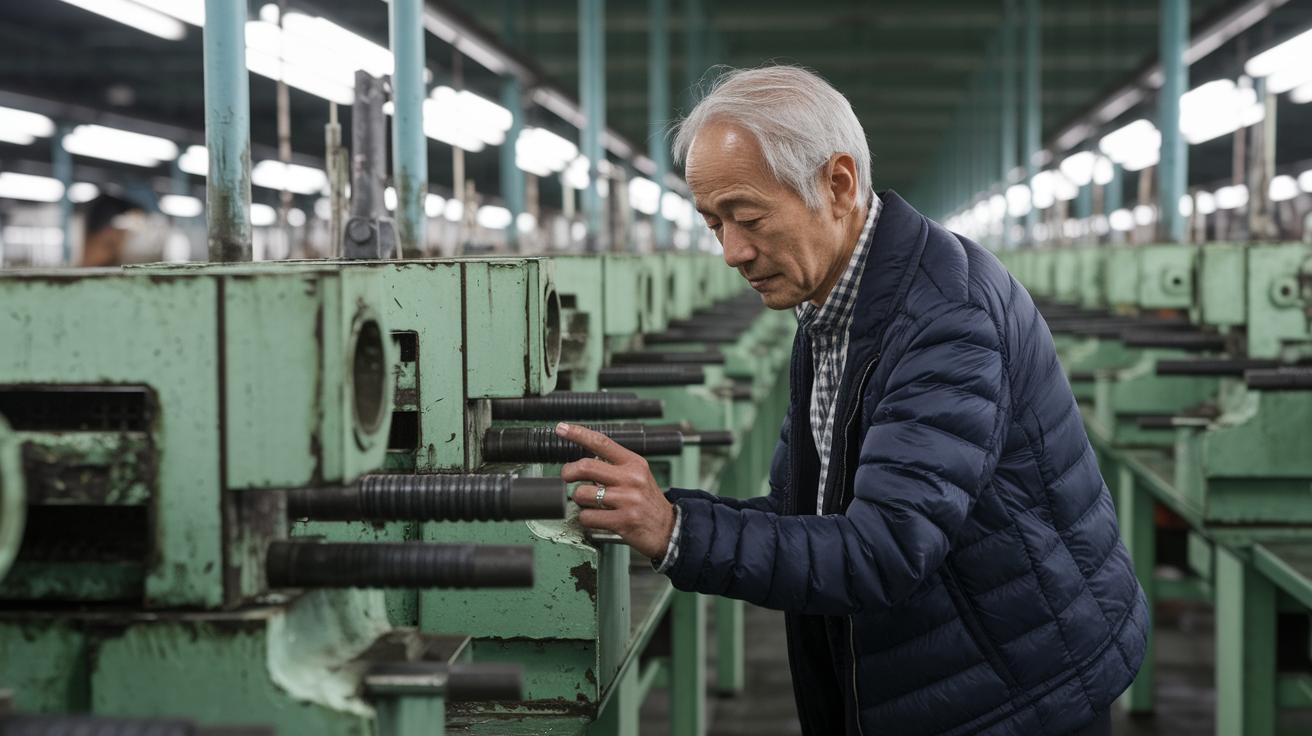
Japan's economic journey has seen its ups and downs. After World War II, the country experienced a booming industrial surge where factories buzzed with activity and new ideas sparked growth. But by the late 1990s, this fast pace began to slow. Japan started relying on older industries and companies that struggled to stay competitive.
At the same time, the country’s population is changing. The number of working-age people has dropped to its lowest level since 1973. In fact, seniors now make up over half of that group. Imagine a country where older adults outnumber workers, it really shakes up the traditional view of an economy. Plus, Japan’s low birth rate, ranking 13th lowest globally, adds more pressure.
In response, Japan has embraced reform efforts, building on the legacy of Abenomics. These changes focus on sparking innovation and balancing out the economy. The aim is clear: to revive dynamic growth and set a course for a stronger, more competitive future.
Sectoral Dynamics in the Japan Economy
Japan's strong manufacturing sector is a key pillar of its market performance. FocusEconomics breaks down GDP by industry, and manufacturing clearly stands out. Imagine a busy factory line where hundreds of motor vehicles roll off in a single shift, the sheer speed and efficiency capture the heart of Japan's export strength.
At the same time, the service industry is on the rise. Companies are adopting digital tools that boost internal demand and add extra value to the economy. Together, the growing service sector and robust manufacturing work hand in hand to create a market that's both productive and flexible.
Goods exports make up around 17% of GDP as of 2024, highlighting Japan's strong role in global trade. Key exports like motor vehicles and semiconductors drive revenue, and investors watch these trends closely to see how shifts in global demand might sway overall economic performance.
Breaking down non-US exports from May 2025 shows a mixed picture:
These figures point to diverse challenges and opportunities across different markets. All in all, Japan blends the timeless strength of domestic production with a forward-thinking approach to global trade, a dynamic mix that keeps its economy both resilient and adaptable.
Japan’s Trade Balance and External Sector Influence
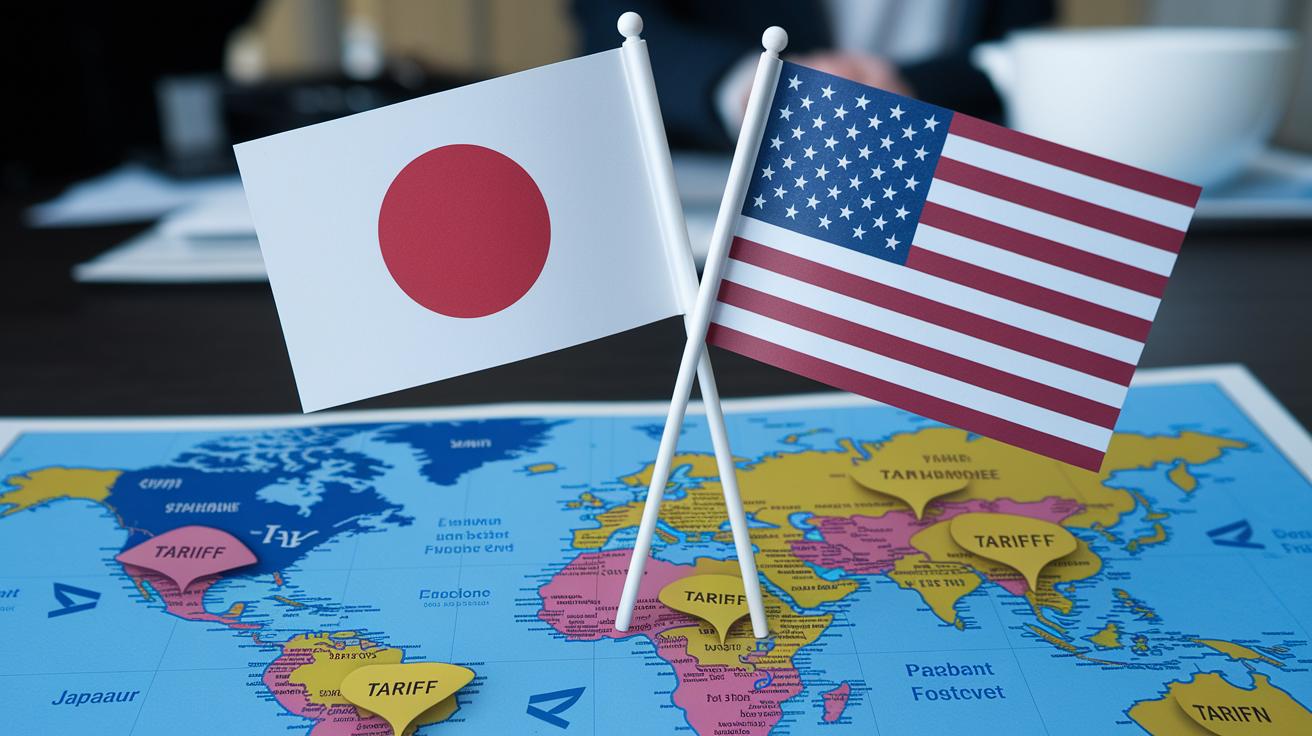
In 2024, Japan sent more than ¥21 trillion in exports to the United States, showing its strong bond with global markets. Even without a free trade deal, Japanese goods face a 10% tariff on many items and a big 25% tariff on cars. Even with these extra costs, Japan’s exports keep moving ahead, proving their competitive strength.
After the pandemic, a weaker yen made Japanese products cheaper for buyers overseas, which helped boost export numbers. But not every region followed the same trend. In May 2025, exports to the European Union grew by 4.9% and those to ASEAN edged up slightly by 0.1%. On the flip side, China’s imports of Japanese goods dropped by 8.8%, showing some challenge in that key market.
| Region | YoY Change |
|---|---|
| EU | +4.9% |
| ASEAN | +0.1% |
| China | -8.8% |
All in all, these figures show that Japan continues to adapt and thrive, even when facing tariff challenges and market shifts. It remains a key player in international trade, keeping its edge despite a tough global landscape.
Government Policy and Reform Impact on the Japan Economy
Japan’s government plays a huge role in keeping the economy humming along. Did you know that at the September 19 meeting, the Bank of Japan voted 7–2 to stick with its current plan? That slim vote shows even top officials had different opinions before finding common ground to create a steady monetary path.
Next, think about Japan’s mixed economic system like running a business that blends free market excitement with a built-in safety net. Companies get the freedom to try new ideas while also receiving support during tough times, almost like having an extra layer of protection when the market feels stormy.
Japan is also eyeing fiscal reforms to tackle challenges, such as rising public debt. Future plans suggest that each new generation could chip in around ¥50 million, much like every new member of a community adding a bit to keep the neighborhood strong and secure.
Meanwhile, smart spending measures and targeted subsidies are being put in place to boost growth without letting the debt spiral out of control. By focusing help exactly where it’s needed, the government is balancing today’s needs with tomorrow’s opportunities. These moves not only ease short-term bumps but also build a resilient framework for the future.
Demographic Shifts and Labor Market Trends

Policymakers are now focusing on the changing face of the job market. Instead of rehashing old numbers about demographics, they’re busy reworking work policies to give more women a chance to join in and to offer flexible work options. Take a tech company that shifts to remote work: employees can pick hours that fit their lives, which sparks more creativity and keeps steady productivity.
Different industries are facing their own challenges too. In sectors like manufacturing and services, companies are trying new work schedules, like part-time or staggered shifts, to draw in workers who might have stepped away from the job scene. Imagine a factory that uses staggered shifts to help workers balance family and job duties. This kind of setup not only keeps production steady but also creates a friendlier, more inclusive work environment.
Looking at other aging economies, we see that smart policy changes can boost both productivity and new ideas. As businesses adjust to these new labor trends, we could be heading toward an economy that’s more resilient and dynamic.
- More women participating and flexible work options are changing how workplaces work
- Unique challenges in different industries are met with tailored solutions
- Lessons from other aging economies hint at improved productivity and fresh innovation
Financial System Overview and Capital Markets in the Japan Economy
Japan's financial system mixes modern banking services with a busy capital market where investors closely watch bank lending rates, stock movements, and bond yields. FocusEconomics collects more than 61 key indicators every year and quarter. These cover important financial numbers and commodities that help us see what’s really happening in the market. Think of checking lending rates like taking the economy's pulse, if they rise, borrowing might slow down, which could impact growth.
The stock market plays a big role in showing how confident investors are. Many people keep an eye on the Tokyo Stock Exchange because shifts in stock prices often hint at changes in corporate profits and overall market trust. Did you know that before modern algorithms took over, floor traders had to make fast decisions based solely on instinct during wild trading sessions? It’s a neat reminder of how much trading has evolved over time.
Bond markets also offer clear clues about risk and reward. Bond yields can show us how investors feel about taking on debt and help set borrowing costs for companies and the government. Even a small shift in these yields can signal changes in market expectations and global sentiment, nudging both businesses and policymakers in new directions.
Investors often compare stock trends with movements in bond yields to balance their portfolios. This mix of financial signals gives a full picture of market ups and downs. Resources like "Japan Equity Markets" and "Bond Market" break down these trends in detail. By using data from these key indicators, investors can better weigh risks and rewards, keeping their strategies nimble in a dynamic economic landscape.
Future Projections and Sustainable Growth Models for the Japan Economy

New data shows that Japan is shifting gears. Businesses are embracing fresh practices and smart technologies that reshape the economy. Instead of rehashing old debates about government policies, many are focusing on smarter, greener ways to work. Imagine a small factory revamping its outdated equipment to save energy, it's surprising how one change can create waves in a whole community.
The private sector is sparking a lot of these changes. Big ideas and renewable investments are opening doors to new market spots. Investors and business owners alike are exploring strategies that bring innovation to the forefront. It’s a good reminder that sometimes the best growth comes from fresh thinking.
Recent trends point to growth in green energy, smarter factories, and local production methods. These steps lay out a clear plan for a more sustainable future in Japan. There’s a reassuring sense that innovation could lead to lasting, eco-friendly progress in the market.
Final Words
In the action, this post captured Japan’s economic performance with clear data, from GDP trends and inflation shifts to sector differences and trade dynamics. We reviewed government policy impacts and demographic changes that shape labor trends, while highlighting future projections for the japan economy. Each section provided a focused snapshot of market movements. It’s a detailed look that brings together the numbers and the everyday reality of financial shifts. Stay optimistic as the market continues to evolve, offering opportunity and growth.