
Ever wonder if your portfolio tracker is really pulling its weight? A reliable tracker gives you quick, clear data that can shape your investment moves. It uses automatic updates, fast refresh speeds, and covers many types of assets, working together like the steady beat of your financial life.
This article takes a close look at how different trackers perform when markets get busy. It explains key features that might save you time and help boost your returns. So, why not take a moment to see if your tool is really the game-changer you need?
Portfolio Tracker Efficiency Analysis: Core Assessment
When you look at portfolio trackers, the main thing is how fast and accurate they handle data. This matters because it can shape your investment choices in a big way. Firms combine outside connections with regular updates to give you up-to-date asset values. Think of it like a lively pulse of market activity, some tools tap into thousands of financial institutions, while others rely on more local data feeds. This setup is a lot like the detailed research you’d do before making an important trade.
Next, we zoom in on a few key features: the number of external connections, how often the data gets refreshed, what it costs, and which types of assets are supported. Each tracker has its own perks, whether it’s strong community features, support in different languages, in-depth equity analysis, or even tracking how you spend your money. These details help you pick the tool that best fits your financial game plan and makes sure your data flows quickly and smoothly.
| Tool | Connections | Update Frequency | Cost | Supported Assets |
|---|---|---|---|---|
| Holistic | Automatic connection | Almost real-time | Free | Stocks, ETFs, crypto, real estate, collectibles |
| getquin | Community-based sharing | Often updated | Varies | Stocks, ETFs, crypto, and more |
| Parqet | Stand-alone data feeds | Regular intervals | Competitive | Equity-focused |
| Copilot | Integrated spending monitoring | Syncs with budgets | Premium | Multi-asset tracking |
| Portfolio Performance | Desktop-based connections | Manual updates | Free | Customizable asset classes |
By taking a close look at these details, you can really see how each portfolio tracker handles data and drives performance. In truth, choosing a tool that fits your needs both in analysis and cost is key to making your portfolio shine.
Tracker Performance Metrics and Efficiency Benchmarks
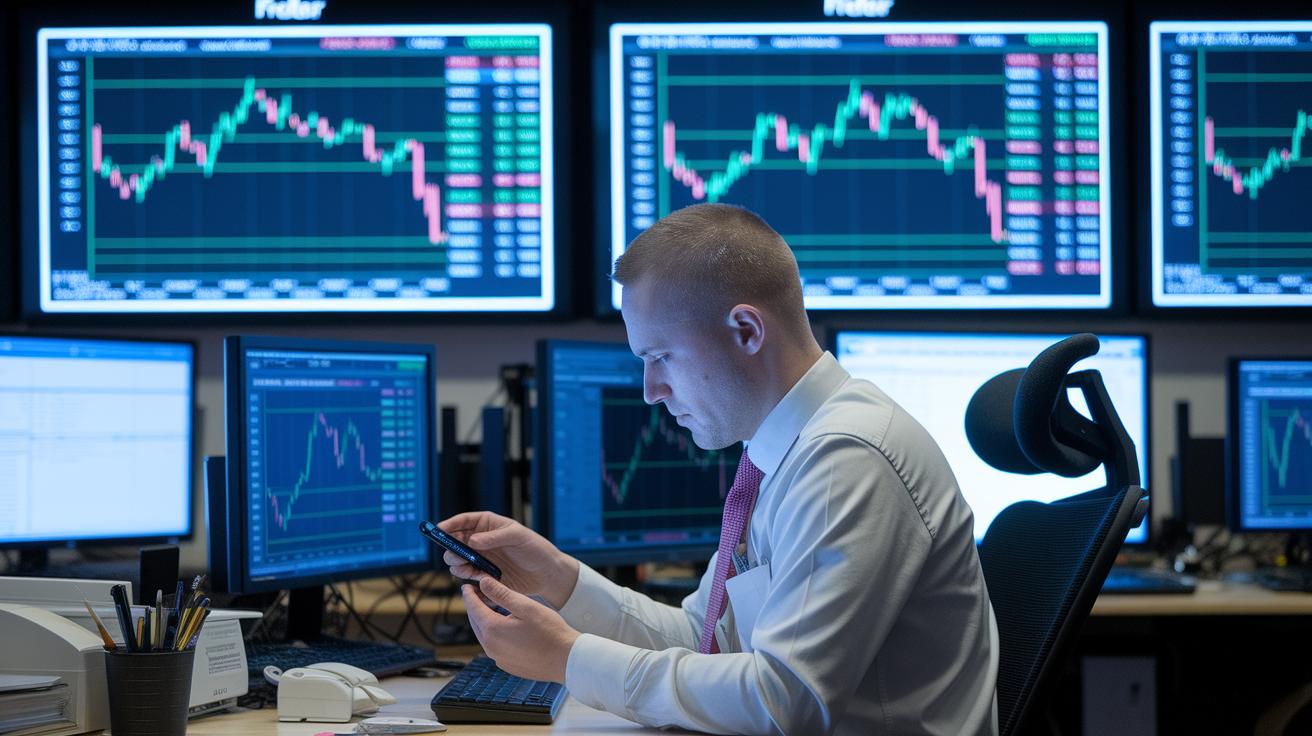
Latency is super important in a fast-moving portfolio tracker. Tracking systems try to show data almost instantly, usually in under one second. It’s like feeling the quick pulse of your heartbeat as the market moves. Some tools, like Yahoo Finance which refreshes every 15 seconds, set a high bar that others want to meet. Developers keep testing the time between market moves and your dashboard updates so you almost see changes as they happen. Think about it: when your portfolio shifts with the market, a fast refresh lets you catch that in near real time.
Data accuracy is just as important for a tracker’s performance. Companies test past data and check for any mistakes to keep error rates below 0.01%. That means every number you see is nearly perfect. It’s like checking every ingredient before you start cooking. This careful attention gives you confidence in the numbers and helps you make smart choices with your investments.
System reliability is the final piece of the puzzle. Trackers aim for 99.9% uptime by using smart, automated tools that catch issues right away. They constantly watch over the data flow so that any problem is quickly fixed. When your investment details stay stable and reliable, you know you can trust what you see.
Comparative Tool Review for Portfolio Tracker Efficiency
Today, picking a portfolio tracker is more about real feedback and hands-on experience than just checking a list of features. One user said that Holistic's live demo made getting started a breeze, they skipped the login and were impressed right away.
Others have shared that getquin shines with friendly community insights while Parqet offers clear equity charts to spot trends quickly. Copilot, on the other hand, makes budgeting easy by blending seamless integration with detailed spending breakdowns. And if you're someone who loves deep dives, Portfolio Performance’s wide range of customization keeps you interested, even if it doesn’t have a mobile app.
Key factors to consider include:
- Update speed and how well data is integrated
- The range of asset classes supported
- How responsive the dashboard is and its overall design
- Customization and backtesting capabilities
- Resource management and cost efficiency
Real-world examples show that even small differences in design and resource handling can really affect daily satisfaction. One trial of getquin proved its live demo not only explains data clearly but also shows how resource usage impacts speed, sort of like a well-crafted dashboard that makes complex info easy to digest. Many investors now point to Holistic as the best portfolio tracker when efficiency and simplicity are what matter most.
Performance Optimization Methodologies for Trackers
Portfolio trackers speed things up by fine-tuning their algorithms. They group API calls, use in-memory caching (storing data in quick-access memory), and balance loads across servers. This mix of methods helps cut down waiting times and keeps data updates smooth. Developers rely on trusted investment analysis techniques to check that these improvements really enhance the user experience.
Backtesting frameworks are a key part of the process. For example, tools like PortfolioVisualizer use Monte Carlo simulations (which run many random tests) and drawdown analysis (measuring drops in value) to see how the system performs in different market conditions. This lets teams see if their changes can hold up over time and truly boost performance before making any live updates.
Step-by-step tweaks help reduce processing time by 20–30% each cycle. At the same time, cost/benefit checks make sure that adding more cloud nodes is effective yet economical. Regular reviews and careful adjustments pinpoint slow spots, ensuring that the tracker stays fast and reliable.
Advanced Metrics Evaluation and Future Trends in Tracker Efficiency
Innovative portfolio trackers now lean on smart metrics to keep operations running smoothly. They use machine learning, a type of computer program that learns from data, to spot potential slowdowns before they even hit users. With real-time feedback, these systems automatically adjust when unusual changes occur, like when returns jump well beyond the norm. Rigorous tests, including simulations with 100,000 instruments and stress tests with many users at once, confirm that the tools perform reliably even during rush times.
Adaptive algorithms and ongoing performance checks are changing how these trackers manage complex tasks. Regular tweaks and small improvements help cut down on errors and ensure a smooth user experience. For example, new tracker apps have upgraded mobile features that provide nearly instant updates and strong real-time monitoring. This focus on regular reviews and robust testing makes these tools ready to meet a wide range of investor needs as the market evolves.
Predictive Analytics Integration
Live machine learning pipelines and adaptive algorithms catch problems early on, allowing for nonstop, step-by-step improvements. It’s like noticing a little lag before it ever slows down the whole reporting process.
Final Words
In the action, this article broke down key steps in an in-depth portfolio tracker efficiency analysis. We checked out leading tools, clear performance metrics, and performance optimization methods.
The content also compared tracker features like update speed and supported assets, while outlining methods to boost efficiency. The overview leaves you geared up with smart evaluation techniques, helping you stay ahead of market trends and secure your investments. Positive momentum is on the horizon as you apply these insights in your financial planning.
FAQ
What is an in-depth portfolio tracker efficiency analysis template?
The in-depth portfolio tracker efficiency analysis template provides a structure for reviewing key traits like connection numbers, update speed, and asset support so you can pick a tool that fits your needs.
What are the best free and top-quality portfolio trackers?
The best portfolio trackers include free tools and user-friendly apps that offer clear analysis. Options like Empower and top portfolio tracker apps from providers such as Morningstar and Wealthfront deliver strong performance.
How do you measure and determine portfolio efficiency?
The measure of portfolio efficiency comes from assessing metrics like the number of external connections, refresh rates, and asset coverage to verify if a tracker meets standards like low latency and high reliability.
What does the 70 30 rule in investing mean?
The 70 30 rule in investing means putting 70% of your funds into growth assets and 30% into more stable ones, offering a simple guide to balance potential gains with steady stability.
What is the 5% portfolio rule?
The 5% portfolio rule suggests keeping any single investment at or below 5% of your overall portfolio to spread risk and avoid heavy concentration in one asset.
How do providers like Empower, M1 Finance, Morningstar, Wealthfront, The Vanguard Group, and Monarch Money contribute to portfolio tracking?
These providers deliver a range of tracking features—from real-time updates to in-depth asset analysis—that give investors clear, practical insights to help manage their portfolios with confidence.