
Have you ever wondered why bonds start trading at 9:30 a.m. Eastern Time? Think of it as the moment when the market wakes up, much like seeing the first hint of sunrise after a dark night. Bonds, much like U.S. stocks, kick off early to set the pace for the day and they adjust on holidays or when trading runs short. In this post, we'll break down how these set times work and what they mean for anyone looking to make smart fixed income moves. Ready to see how timing can shape your trading plan?
When Do Bond Markets Open: Bright Hours Ahead
If you’re curious about the U.S. bond markets, they follow a schedule much like U.S. stocks. Trading gets going at 9:30 a.m. Eastern Time (that's 6:30 a.m. Pacific) and winds down by 4:00 p.m. Eastern (1:00 p.m. Pacific). This window is your go-to period for placing trades and watching the market’s movements.
On a typical day, the market lights up at 9:30 a.m. like a sunrise, launching a day full of energetic price shifts. Even on days with a partial holiday, trading still starts at 9:30 a.m., but wraps up early at 2:00 p.m. Eastern, following SIFMA guidelines. And on major holidays, such as New Year’s Day or Independence Day, trading isn’t on at all, orders wait in line until the market reopens, which might mean different transaction prices.
It’s smart to be mindful of time-zone differences and holiday schedules when planning your fixed income trades. Historical trends, like those projected by SIFMA through 2029, can offer a useful roadmap for what to expect.
When Bond Markets Open on Partial Holidays and Early Close Schedules

On days when the market observes a partial holiday, U.S. bond trading kicks off at 9:30 a.m. ET and wraps up early at 2:00 p.m. ET, following SIFMA rules. One trader mentioned that on these early-close days, he makes his trades in the morning to grab as much liquidity as he can before the market takes its pause.
For details on full holiday shutdowns, please check the main article so we don’t repeat the same information.
When Do Global Bond Markets Open: Time Zone Variations
Global bond markets open at various times because each country follows its own local holidays and rules. Since every nation runs its bond market on its own schedule, you might see a market in one country open at a completely different time than another. Take Japan and the United Kingdom for instance: they close their markets based on local holidays, so their trading hours can be very different from those in the U.S.
If you're trading bonds, you need to change local times to match your own time zone. This guide is really important when planning your trades. One small tip: check your local exchange calendar like you would a daily planner to avoid any timing mistakes. Always double-check each exchange's schedule so you know when they start and when they take breaks.
• Japan: Local holidays might change the market opening times, affecting daily trading sessions.
• United Kingdom: Their hours adjust based on local holidays and regular break periods.
Keeping these details in mind helps you pinpoint the exact opening times and plan your trading strategy better across different international schedules.
How to Check If Bond Markets Are Open and Order Execution Rules

Before you make any trades, it's smart to check whether the bond market is currently open. On market holidays, trading completely stops, so any orders you place will just sit in line until the market reopens, which might change the execution price. For a real-time update, check your brokerage platform or live exchange feeds. Bond and Equity Markets Overview
Checking the market’s status is pretty straightforward. First, use your brokerage's market status tools to see if trading is live. Then, look at the live quotes and session indicators from exchange feeds. Finally, confirm holiday closures and early session ends by checking the official market calendars.
By taking these simple steps, you can avoid placing orders on days when the market is closed and better manage execution risks. And if you're ever unsure, a quick check with your platform makes sure your trading plan matches the actual market hours, reducing the chance of unexpected price changes.
Official Calendars for When Bond Markets Open
SIFMA puts out a yearly bond market holiday calendar that shows estimated closure dates right through 2029. This helps you plan your trades with confidence. Exchanges like NYSE and ICE also offer PDF schedules you can download and even API feeds that update session times and alert you to any special events. Think of it like checking your school timetable before class – you know exactly when the market is up and running.
Using these trusted calendars means you're working with reliable information for fixed income trading. One trader mentioned, "I double-check the exchange’s calendar every morning to avoid any surprises." This simple habit can save you from unexpected changes on holidays or altered sessions. By keeping an eye on these clear, official calendars, you can fine-tune your trading window, decide smarter when to place your orders, and better manage any delays on off days.
Trading Strategies for Bond Markets Openings and Holiday Sessions
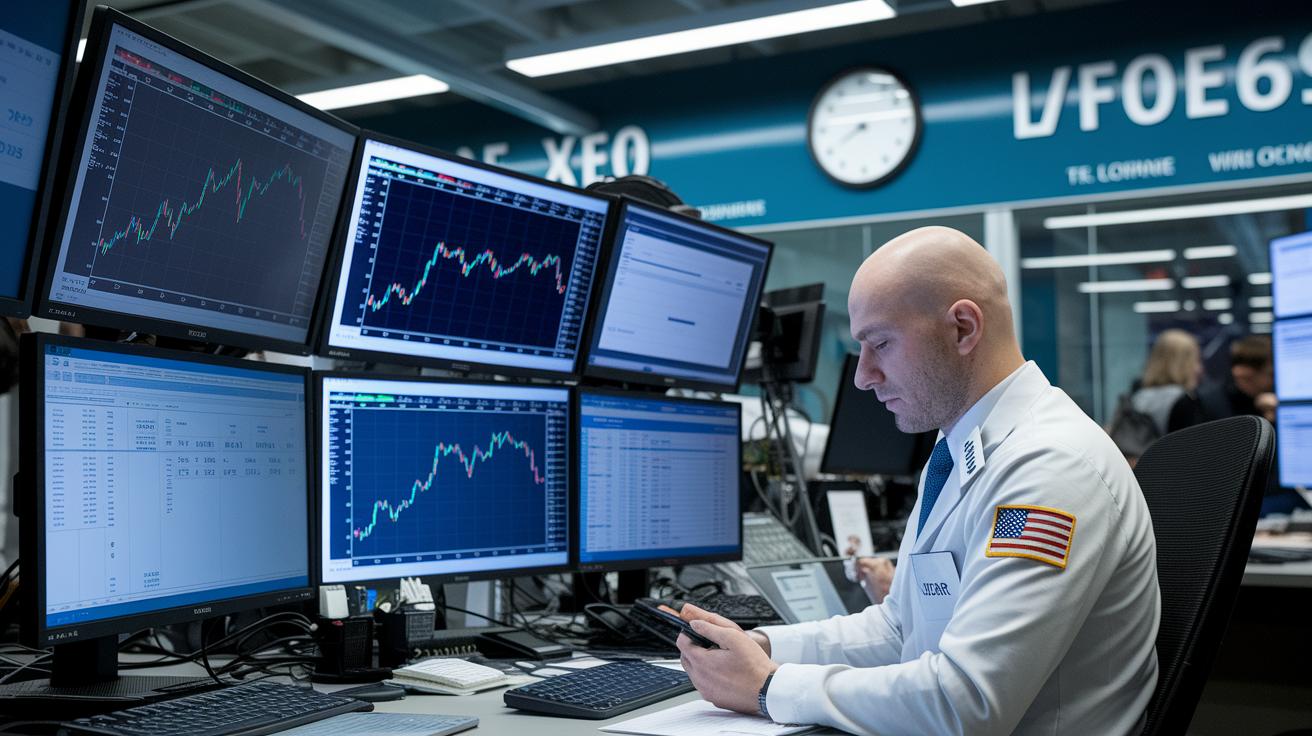
When you plan your trades on days with an early close at 2:00 p.m. ET, remember that you’re working within a tighter window. This means the market moves faster and prices can shift quickly, much like trying to catch the perfect wave.
The busiest trading period is often right after the 9:30 a.m. ET open. Trading during this first hour can boost your chances of getting a good price. One trader even mentioned, "Placing orders at 9:45 a.m. gave me the best price action," showing how timing can really make a difference.
On days when the market wraps up early, it’s smart to adjust how you trade. Here are some tips to keep in mind:
- Order Timing: Try to place your trades early to steer clear of the rush at the end.
- Liquidity Management: Consider making smaller trades when there’s less activity.
- Execution Strategy: Use market orders at the start and switch to limit orders later to help control unexpected price moves.
Remember, any orders placed on holiday sessions might sit in line until the market reopens, which can lead to prices that are different from what you expected. This is why it’s important to rethink your trading plan and order types on both regular and early-close days. Have you ever seen prices jump right before the session ended? It’s a clear sign to take a closer look at your timing.
Final Words
In the action, we examined U.S. bond market operating hours, holiday trading sessions, and even global time zone variations. We broke down how official calendars and live feeds help you check if orders can execute smoothly.
Our discussion also shed light on the impact that early-close days can have on trading. Keep these insights in mind when planning your trades and next time you wonder, "when do bond markets open," you'll be ready to act confidently.
FAQ
When do bond markets open and close in the U.S.?
The U.S. bond market opens at 9:30 a.m. Eastern Time and closes at 4 p.m. Eastern Time, following the same hours as U.S. equities. Partial holidays feature an early close.
What are U.S. Treasury bond market hours?
U.S. Treasury bonds trade with the same session as bonds overall, opening at 9:30 a.m. Eastern Time and closing at 4 p.m. Eastern Time, with early closures on designated partial holiday dates.
Is the bond market open today or tomorrow?
The bond market’s open status depends on the holiday calendar. On federal holidays, trading does not occur, so orders queue until trading resumes at the next session.
What time does the U.S. stock market open and close?
The U.S. stock market opens at 9:30 a.m. Eastern Time and closes at 4 p.m. Eastern Time, mirroring the trading window for bonds during regular sessions.
Does the market open at 8 or 9?
Both bond and equity markets officially open at 9:30 a.m. Eastern Time, not at 8 or 9, ensuring a synchronized start to the trading day.
Do U.S. Treasuries trade 24 hours?
U.S. Treasuries trade during the standard session from 9:30 a.m. to 4 p.m. Eastern Time, although certain electronic trading platforms may allow limited outside-hours activity.
Does the market open at 9 or 9/15?
The official market opening is at 9:30 a.m. Eastern Time for both bonds and stocks, with no separate opening at 9 or 9:15, ensuring consistency across trading sessions.