
Have you ever noticed how some investors keep earning money even when times are tough? Think of it like a favorite restaurant that always serves that signature dish you love. This steady earning comes from smart dividend investing, which means choosing stocks that pay out regularly and slowly grow over time.
Imagine your portfolio as a balanced meal, it gives you a little fuel for now and helps you build a foundation for the future. In this article, we share top ideas that let you enjoy cash returns today while planning for long-term gains.
Stick around, and you'll learn how to pick reliable income stocks that give you the kind of financial peace of mind that feels just right.
Core Strategies for Best Dividend Investing
Consistent dividends matter because they show you a company reliably shares its profits over time. When a business raises its dividends year after year, it usually means its earnings are steady and its financial practices are sound. And if a company keeps paying dividends even through rough patches, it builds trust that your income stream could remain solid long-term. Think of it like your favorite restaurant that always serves its signature dish, you know what to expect.
Another key point is comparing yield and growth. Yield tells you the immediate cash return you get as a percentage of the stock price, while growth shows how those dividends can increase over time. Balancing both gives you a portfolio that meets today’s income needs and sets you up for future gains. Ever notice how some investments feel like a perfectly balanced meal? That’s because you’ve mixed the right ingredients for both now and later.
- Use online brokers or free stock screeners to spot dividend stocks.
- Compare high yields with those of similar companies and check if they’re sustainable.
- Invest your money based on your own risk tolerance.
Take Two Harbors Investment Corp (TWO) as an example. With a forward dividend yield of 16.02%, it shows the potential rewards of following these steps, while also reminding us to look closely at high yields for long-term stability.
Selecting Top Dividend Stocks in Best Dividend Investing

When you're on the hunt for solid dividend stocks, it's not just about the biggest yield. You need to dig a bit deeper and see if a company’s finances are healthy and if they've paid dividends reliably over time. In simpler words, look for signs of both current profit and long-term stability.
Some key things to check include:
- A steady history of payments
- A payout ratio under 100% (this means the company doesn't pay more in dividends than it earns)
- A consistent rise in dividend payout
- Strength in its industry
- A healthy balance sheet (like a report card for the company's financial strength)
Using stock-screening tools can really help simplify this search. Many online brokers and free screeners let you filter stocks based on these factors. For instance, you might discover a company that has bumped up its dividend every year for 20 years. That tells you it’s serious about rewarding its shareholders. Picture it like checking the maintenance records when buying a car, the right history often means the car (or company) is built to last.
It’s also smart to compare these numbers to industry averages. Sometimes, a really high dividend growth rate might appear tempting, but it only makes sense if the company’s overall financial health backs it up. This careful approach helps you choose stocks that offer not only attractive returns today but also a promise of steady income down the road.
Dividend Funds vs Individual Stocks in Best Dividend Investing
When it comes to dividend investing, you usually have two roads to travel. You can choose dividend-focused funds or handpick individual stocks. Some investors prefer Exchange-Traded Funds (ETFs) or dividend mutual funds because they offer a mix of simplicity and diversification, helping to smooth out market ups and downs. With these funds, you get passive management, which means you spend less time digging into every asset.
On the other hand, picking individual stocks can sometimes bring in higher income, but it means you really need to dive deep into each company's financial details. It's kind of like choosing between a ready-made meal and cooking one from scratch, you go for the ease or the customized flavor.
| Fund Type | Pros | Cons |
|---|---|---|
| Dividend ETF | Instant diversification, passive management, reduced volatility | More general exposure with less control over specific yields |
| Dividend Mutual Fund | Professional management, broad portfolio, consistent income | Higher fees and less personalized asset choices |
| Individual Stock | Potential for higher income, targeted investment choices | Requires deep research and carries greater risk |
It all comes down to what fits your style and goals. If you like keeping things simple and predictable, a dividend ETF or mutual fund might be your best bet. But if you're ready to put in some extra effort to pick specific stocks, that approach might suit you better. Both choices can help create a steady income stream as the market shifts over time.
Risk Management and Performance Tracking for Best Dividend Investing
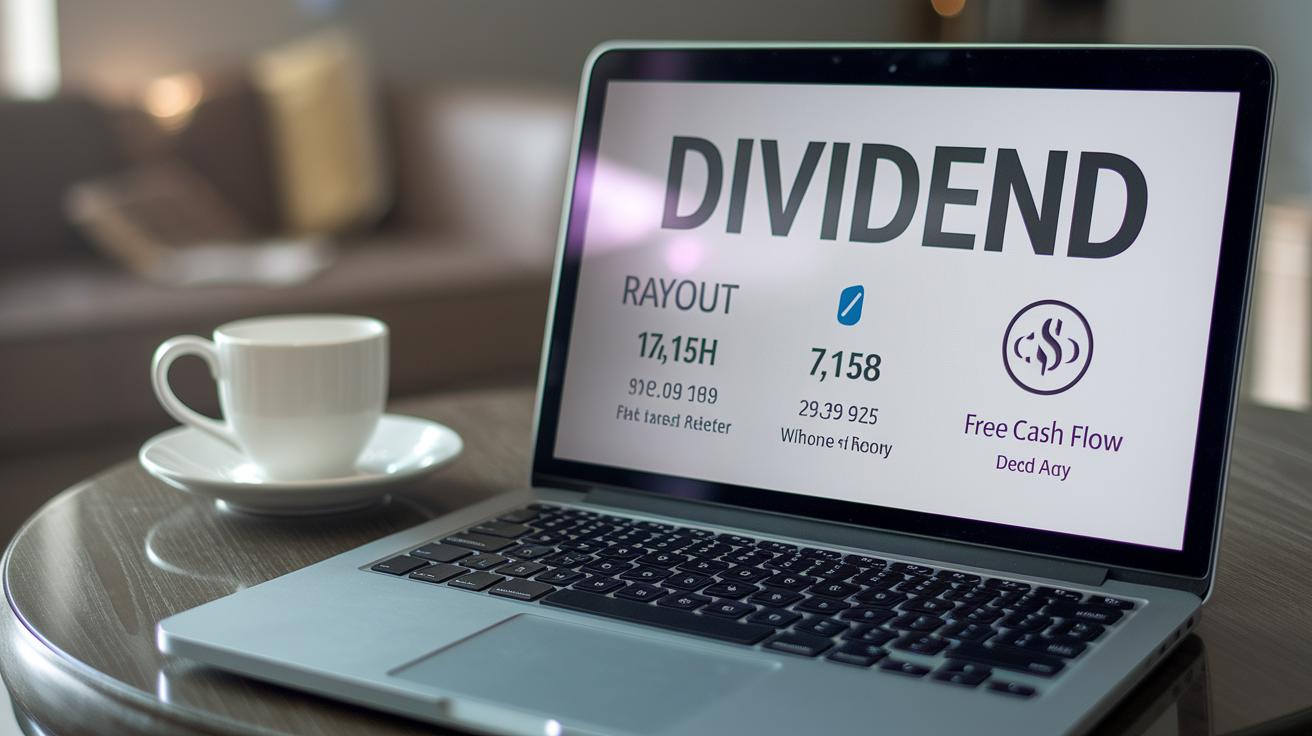
When you're investing in dividend stocks, it's important to watch the numbers that really matter. For example, a payout ratio under 100% usually shows that the company isn’t overcommitting on dividends, which can give you confidence that they’re balancing earnings and payouts well. Also, keeping an eye on free-cash-flow coverage is key because if free cash tightens up, the company might have to cut back on those dividend payments, making your income less predictable.
Don't forget to look at the overall market trends too. Sometimes, shifts in certain sectors can push dividend stocks into risky territory. A sudden jump in yields in one sector might be a hint that things are heating up a bit too fast. Regularly reviewing performance lets you catch these warning signs early, which means you can adjust your investment mix before small issues turn into bigger problems.
Here are a few simple ways to stay on top of your dividend investments:
- Keep a straightforward spreadsheet for regular yield snapshots.
- Set up broker alerts to catch any sudden dividend changes.
- Use a dividend calendar to stay ahead of payout dates and review times.
- Rely on sector trend tools to spot any unusual shifts in performance.
By rebalancing your portfolio every few months, you’re more likely to keep your income steady. These routine check-ups help you tackle risks early on so they don't end up hurting your dividend income later.
Building a Long-Term Best Dividend Investing Portfolio
Ever thought about setting up a portfolio that not only pays you regular dividends but also grows over time? It’s a bit like putting together your favorite balanced meal, where every ingredient adds a unique taste. By choosing your investments carefully, you can enjoy steady dividend income now while also preparing for future growth.
When you build this kind of portfolio, you might lean toward blue-chip stocks for their reliability, REITs because they often offer higher payouts, dividend ETFs to give you a broad mix, and even select individual stocks to target extra income. It’s all about mixing different flavors so that if one part of the market isn’t doing well, the others help keep things steady.
To keep your portfolio robust, here are five simple ways to diversify:
• Spread your money across different industries.
• Invest in companies from various regions.
• Combine funds with individual stock picks.
• Include companies of all sizes, big, mid, and small.
• Choose stocks that offer a range of dividend yields.
| Asset Class | Allocation % | Expected Yield |
|---|---|---|
| Blue-Chip Stocks | 30% | 3-4% |
| REITs | 20% | 4-6% |
| Dividend ETFs | 25% | 2-3% |
| Utility Stocks | 15% | 3-5% |
| Emerging High Dividend Stocks | 10% | 5-7% |
An added strategy many investors appreciate is the Dividend Reinvestment Plan (DRIP). This plan lets you automatically use your dividend payments to buy more shares, turning each payout into a stepping stone for growing your investment base. Imagine it as using each small reward to serve up an even bigger portion later.
Looking back at historical trends, balanced yield portfolios have often outpaced simple cash returns by around 4–6% a year over more than a decade. Pairing DRIPs with a well-rounded mix of investments can turn modest, steady income into a powerful long-term asset.
Essential Tools and Platforms for Best Dividend Investing

Digital tools make dividend investing both smart and efficient. Nowadays, online brokers and mobile apps are designed to help you screen dividend stocks and place trades quickly. These user-friendly apps deliver real-time updates and seamless trade execution so you can act fast. Plus, investing calculators show you projected yields and even estimate tax impacts, giving you the confidence to plan your investments.
Portfolio trackers with dividend-focused dashboards simplify watching your cash flow and tracking your performance over time. By tapping into these digital resources, you can quickly analyze market data and adjust your approach as needed. Here are a few standout tools that many investors trust:
- Mobile App for Dividend Screening: Provides quick access to the latest dividend data and sends you trade alerts.
- Dividend Yield Calculator: Offers an easy-to-use tool for tax projections, much like a financial planning calculator.
- Portfolio Tracker: Features a special dashboard that makes tracking dividend performance a breeze.
- All-in-One Trading Platform: Combines stock screening, detailed analysis, and real-time market updates in one simple interface.
Using the right digital tools can really boost your investment efficiency and help maintain a steady, smart income stream.
Final Words
In the action, we explored core strategies for best dividend investing by reviewing dividend consistency, yield versus growth, and the three key steps for identifying strong dividend winners.
We then compared stock picks with funds and examined risk management methods and portfolio construction tips that can help stabilize returns.
Finally, we reviewed must-have digital tools designed to simplify research and tracking. Each insight builds your confidence for smart investing with the best dividend investing approach. Keep refining your strategy and enjoy watching your income grow.
FAQ
Best dividend investing reddit
The inquiry about the best dividend investing reddit points to seeking active subreddit communities that share dividend strategies, stock picks, and real-life experiences. r/dividends is a popular choice among investors.
Top dividend stocks including Top 25 dividend stocks, top 20 highest dividend-paying stocks in world, and Best dividend stocks to buy and hold
The question on top dividend stocks means looking for established companies with a stable payout history and growth potential. Using free screeners and comparing metrics can help identify strong, long-term dividend candidates.
Highest dividend-paying stocks in world and Highest dividend-paying stocks in U.S.
The inquiry on highest dividend-paying stocks globally and in the U.S. involves comparing established firms with solid free-cash-flow and sustainable payout ratios. Financial tools can help benchmark yields for informed choices.
Best dividend stocks 2025
The query for best dividend stocks in 2025 points to expecting companies that consistently increase payouts and show strong financial fundamentals. Investors should target firms with sound income stability and future growth potential.
Best dividend ETF
The question on the best dividend ETF focuses on funds that offer a mix of diversified dividend-paying stocks. Dividend ETFs provide steady income while lowering risk through diversified exposure to quality companies.
How do I make $1000 a month in dividends?
The question about making $1,000 a month in dividends suggests building a portfolio with stable, high-yield stocks or ETFs. Calculating the required portfolio size based on yield percentages is key to achieving this income.
How much would $100,000 make in dividends?
The inquiry on how much $100,000 would yield in dividends depends on the portfolio’s average yield. For instance, at a 4% yield, $100,000 might generate roughly $4,000 annually in dividend income.
How much do I need to invest to make $5000 a month in dividends?
The question on earning $5,000 monthly in dividends involves determining the necessary portfolio size relative to yield. At around a 4% yield, investors may need approximately $1.5 million to reach that goal.
How to earn $500 a month in dividends?
The query about earning $500 per month in dividends focuses on constructing a diversified portfolio with reliable dividend-paying stocks or ETFs. Reinvesting dividends and monitoring yield progress can help achieve this target.