
Ever wondered if a computer can pick your winning stocks? Imagine a tool that sifts through market news and millions of data points faster than you can blink an eye. That's the promise of an AI stock screener. It reads headlines, follows trends, and spots opportunities quicker than any person could.
In this post, we're chatting about how these smart screens can change your investment game. They save you time and build confidence with every trade. By turning vast amounts of data into clear signals, they could just give you the extra edge you need in the market.
How Artificial Intelligence Stock Screeners Enhance Investment Decisions
Artificial intelligence stock screeners are smart tools that use clever computer programs to analyze millions of data points as they happen. Unlike older tools that rely on basic filters, these screeners scan a huge amount of market information every few seconds. They even use something called natural language processing, which means they can read news headlines and earnings transcripts just like a person. This way, they catch even the smallest clues about what might happen next. Have you ever noticed how a headline can hint at a big change before it really hits? AI screeners pick up on these hints much faster than manual research.
One big advantage of these tools is that they offer real-time analysis, predictive alerts, and automatic checks of market mood. The AI market scanner watches price patterns and suggests when trends might shift, which can cut down the hours spent on research. Some users have mentioned it saves them nearly 90% of their time. Plus, with a built-in trading analysis engine working quietly in the background, traders receive timely buy or sell signals that help reveal hidden opportunities.
By taking over the heavy lifting of data analysis, AI stock screeners make it easier to make smart investment decisions. They lighten the load for analysts and lower risks by offering up-to-date signals and insights based on real data. In short, this intelligent system supports investors in making clear, informed choices while keeping a close eye on the market’s pulse.
Key Features of AI Stock Screening Platforms

Modern AI stock screening platforms refresh market data every few seconds, much like the steady pulse of a bustling trading floor. This continuous update lets traders quickly spot emerging opportunities and react to subtle shifts in the market. With real-time equity analysis, the system keeps a close watch on trends, allowing you to catch early clues that may signal bigger changes ahead.
The platform uses advanced natural language processing to scan through news feeds, SEC filings, and analyst reports. In plain terms, it reads all the important documents and headlines to pick up hints that others might miss. Even a small headline dip can trigger a flag, so if a short news snippet sets off a sudden spike, the tool alerts you within seconds. It’s like having a trusted friend who never misses a beat, giving you solid ideas you can act on with confidence.
People really appreciate the option to customize security filtering according to their investment style. Whether you’re targeting growth, dividend yield, or managing risks, you can tailor your settings to get the insights that best match your goals. Plus, instant alerts push buy or sell signals straight to you, making decision-making a snap.
The platform also works smoothly with popular charting suites and APIs, crafting a unified workflow that feels natural and efficient. Even if you encounter a few false signals, you can always verify them using traditional analysis. In the end, real-time AI equity analysis like this empowers investors to act swiftly while keeping risks under control.
Machine Learning and Algorithms Powering Advanced Market Screening Software
Stock screeners powered by artificial intelligence mix different machine learning techniques to look at past trends and current market conditions. These systems use smart screening methods that blend regular data analysis with modern neural network evaluations. By using deep learning tools that search for security signals, these platforms offer clear insights into how markets are turning.
Supervised Learning Models
These models use techniques like regression and classification to guess future price movements based on history. Think of it like noticing patterns in the weather before a big storm. The approach helps build a strong forecast for market trends and supports trusted predictions.
Ensemble Methods
Ensemble methods, such as random forest and boosting, work like gathering advice from several experts. Each part of the method adds a unique view, which makes the overall prediction process more reliable and less likely to be thrown off by a single error.
Deep Neural Networks
Deep neural networks are trained with more than 20 years of data, including both basic company information and technical details. They handle huge amounts of unstructured data and turn it into clear, context-rich insights. It’s like having an experienced analyst who can read and explain complex market reports in simple terms.
Reinforcement Learning
Reinforcement learning builds and tests trading strategies by mimicking real market conditions. It learns from its mistakes and successes, much like a sports player who practices to perfect every move. This method helps the system adjust and make smarter investment decisions over time.
Together, these advanced methods help AI stock screeners give fast, accurate, and thorough market analysis. Combining a mix of machine learning techniques gives traders a smarter tool to spot trends and manage risks effectively.
Comparing Top AI-Driven Market Scanners: Pricing and User Reviews

Looking for an affordable, AI-powered screening tool? For traders and investors, it’s important to compare these automated equity screening solutions by checking both their prices and the unique features they offer. Imagine testing a tool with a free plan to see if it clicks with your investing style, that’s the kind of flexibility you need.
Below is a clear rundown of the pricing plans, free trial options, and standout AI capabilities each platform brings to the table:
| Platform | Price | Free Plan | Key AI Feature |
|---|---|---|---|
| Zen Ratings | Free basic; $1 two-week trial; $19.50/mo Premium (annual) | Yes | Neural network trained on 20+ years of data |
| TrendSpider | Starts at $54/mo | No | Dynamic multi-timeframe analysis & price-action alerts |
| Trade Ideas | $89/mo | No | Real-time backtesting & AI-driven trade ideas |
| Tickeron | Free limited; Paid plans from $30/mo (annual) | Yes (limited) | Pattern recognition for trend predictions |
| Seeking Alpha Premium | $4.95 for first month then $299/yr | No | Integrates transcripts & analyst forecasts |
Each platform offers a different mix of technology and cost. Some, like Zen Ratings and Tickeron, let you test the waters for free or with limited access before you fully commit. Others, such as TrendSpider, Trade Ideas, and Seeking Alpha Premium, deliver more advanced features, which might mean paying a bit more each month.
In reality, the best free AI screening option might not have every cool feature you need. Investors should think about both the initial cost and the long-term gains, like getting real-time alerts and deep data insights. Have you ever felt that quick satisfaction of finding the right tool for your strategy?
This guide is meant to help you narrow down your choices so you can find the automated equity screening solution that best fits your investing approach. Enjoy exploring your options, and happy trading!
Integrating an AI-Powered Stock Picker with Portfolio Management Tools
Imagine being able to send your AI-driven stock picks directly into your go-to portfolio tracker. With API endpoints and CSV exports, it's as easy as moving files from one folder to another, ensuring your data flows smoothly. And thanks to plugins and Zapier workflows, you can even set up quick alerts that pop right up on your trading platform or as simple chat notifications.
This smart system works like a little market wizard, always assessing the latest info and feeding it into your investments. It even comes with rule-based triggers that automatically rebalance your portfolio. In plain language? Your AI tool mixes its signals with key financial numbers and handles the grunt work for you.
Pairing these AI insights with well-tested allocation methods really fine-tunes your strategy. Regular backtesting, think of it as giving your system a test drive before hitting the highway, makes sure the signals you get are solid. Using these tools together means you can adjust your investments with confidence, knowing that both live data and past performance play a part in your strategy.
Limitations and Best Practices for Intelligent Equity Evaluation Systems
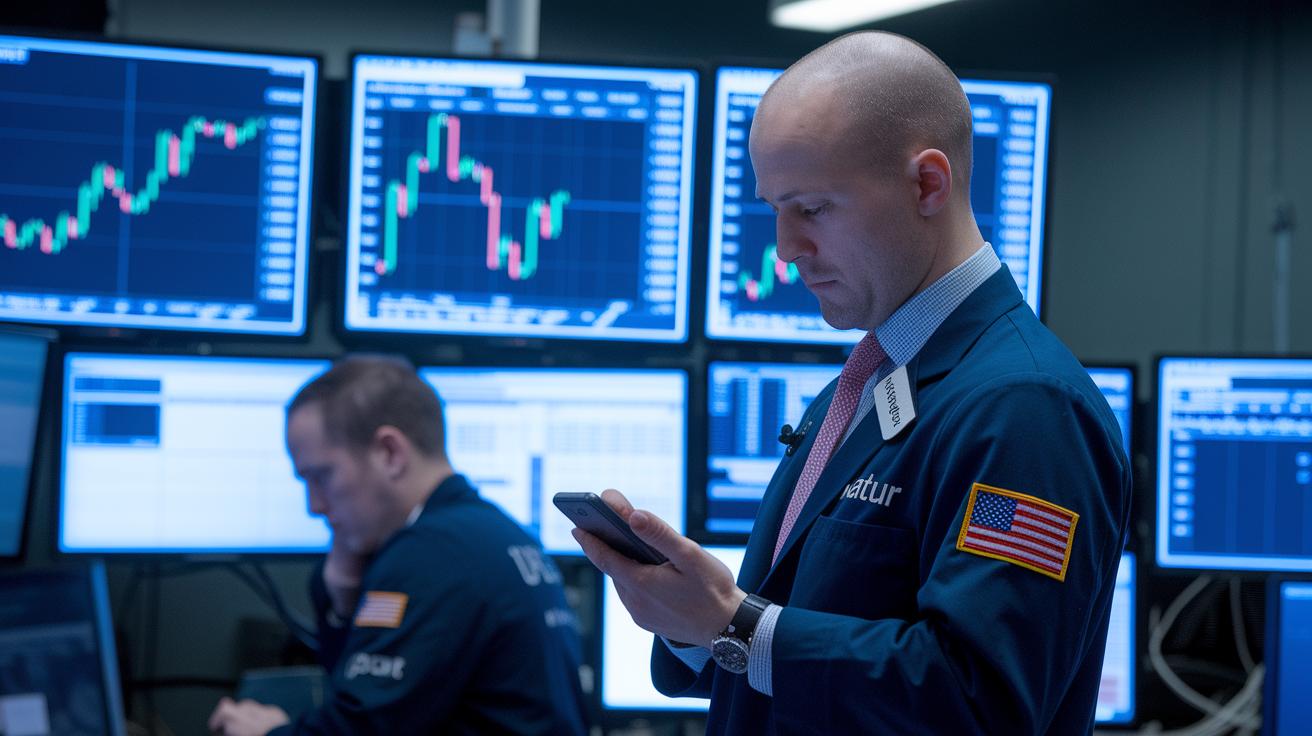
Sometimes smart equity evaluation systems hit bumps that can make their advice less reliable. For example, one common issue is overfitting. That means the model learns past data too well, which might trigger false alarms when trading live. And when data comes in incomplete or noisy, imagine trying to listen to your favorite song with a lot of static, it can really mess up the results and hide important market hints.
Then there’s the challenge of AI-based technical analysis. You might get recommendations from a tool that’s hard to understand, like it’s working inside a mysterious “black box.” And unexpected market events or macro shocks might not be fully covered by the data the system was trained on. So it makes sense to double-check AI suggestions with regular, traditional fundamental analysis. Have you ever wondered if an extra layer of human judgment might help?
Here are five straightforward tips to boost these systems’ effectiveness:
| Tip | Description |
|---|---|
| Diverse Data Sources | Gather data from multiple places to cut down on the problems caused by missing or messy inputs. |
| Regular Backtesting | Test your model under live market conditions often to catch recurring false signals. |
| Fundamental Analysis Check | Pair AI insights with traditional methods to confirm the signals are solid. |
| Clear Risk Limits | Set simple, clear rules for risk, and adjust your filters based on performance feedback. |
| Trusted Risk Techniques | Lean on established risk assessment methods (for example, Risk Assessment Techniques at this link) to ensure robust analysis. |
At the end of the day, blending smart technology with a bit of old-school analysis can give you a more reliable tool, and isn’t that what we all want when navigating the steady pulse of the market?
Final Words
In the action, this piece showcased how an artificial intelligence stock screener processes vast amounts of data, offering real-time signals and predictive alerts. It broke down key features, such as NLP signal generation and smart integration techniques with portfolio tools, while noting some limitations that remind us to verify data with traditional approaches.
These insights aim to empower investors to reduce guesswork and make clearer, more informed decisions. Here’s to advancing with confidence and precision using your artificial intelligence stock screener.
FAQ
Q: What is the best artificial intelligence stock screener?
A: The best artificial intelligence stock screener automates vast data analysis with real-time updates and predictive alerts, helping investors pinpoint promising opportunities swiftly and accurately.
Q: How do artificial intelligence stock screeners in India compare and what options exist?
A: Artificial intelligence stock screeners in India combine advanced algorithms with local market insights, aiding users in identifying top picks, penny stocks, and stocks listed on major exchanges like the NSE.
Q: Is there a stock screener that uses artificial intelligence and which stock is best for such technology?
A: A stock screener with AI employs machine learning and natural language processing to analyze trends and sentiment, while the best stock for AI investing depends on individual risk tolerance and market dynamics.
Q: What is the most accurate AI stock predictor?
A: The most accurate AI stock predictor uses advanced models such as deep neural networks and ensemble methods, scoring stocks on various dimensions to deliver reliable, data-driven signals.
Q: What is the 7% rule in stock trading?
A: The 7% rule in stock trading is an empirical guideline advising investors to cut losses near 7% below the purchase price, which helps manage risk during market declines.
Q: Which are the best free AI stock picker, trading apps, and analysis tools available?
A: The best free AI stock picker and trading apps combine user-friendly interfaces with AI-driven analysis and real-time market data, offering accessible tools that assist both beginners and active traders without heavy costs.