
I earlier said you’ll 100% miss out next cycle if you’re stuck using centralized exchanges (CEXes). Here’s a practical game plan: use a hardware wallet (Ledger) paired with the MetaMask browser extension — hardware wallets give best-in-class security while MetaMask provides universal DApp connectivity. Connect Ledger to MetaMask to sign trades everywhere with the safety of a hardware key. For swaps use DEX aggregators: RocketXexchange ($RVF) stands out for routing across DEXes and even executing on CEXs without deposits; Chainge Finance ($CHNG) is the best mobile all-in-one for non-hardware users; DeFiLlama swap is a fee-free aggregator alternative. Bookmark this guide.
Why Being Stuck on CEXes Will Make You Miss the Next Cycle

I earlier said you’ll 100% miss out next cycle if you’re trapped on centralized exchanges. The short play: custody + connectivity. A Ledger hardware wallet keeps your private keys offline and hugely reduces rug, hack and insider risk, while MetaMask gives you universal DApp access. Connect Ledger to MetaMask and you get the best of both worlds: trade on almost any DEX while keeping keys offline. For routing and best price discovery use aggregators , RocketXexchange, Chainge Finance and DeFiLlama were top picks in the thread. Learn the tools, practice small trades, and don’t let custody limit your opportunity.
Rabby: Heard Great Things but I Haven’t Fully Switched Yet
Rabby keeps getting namechecked, and for good reason: it offers a pleasant UX and security-focused features. Personally I haven’t fully migrated because my current flow has been flawless. The reality is adoption and compatibility matter as much as features. Until Rabby is recognized everywhere, switching can introduce friction. Try Rabby for experimentation on low-value transactions, and keep MetaMask (or MetaMask+Ledger) as a fallback for mission-critical trades. New wallets need time to achieve parity with MetaMask’s pervasive web3 presence , give them a run but don’t abandon what’s proven.
OTC DEXs and Big-Order Routing: Why Traders Love Them

OTC-style DEX features come up because they solve a core problem: moving large sizes without massive slippage. For institutional-size or whale trades, private routing and cross-venue execution aggregate liquidity and can deliver better net fills. When someone calls an OTC DEX “one of the best,” they mean for size-conscious traders who need predictable pricing. Best practices: inspect routing transparency, compare fees across sources, verify settlement mechanics, and understand counterparty risk. Prefer aggregators that show fee breakdowns and consider splitting very large orders. And always use hardware wallets for custody protection during big ops.
Rabby’s DEX Support Gap: A Real-World Deal Breaker

A recurring complaint: Rabby isn’t yet supported by every web3 site. Most dApps still assume a MetaMask injection and expose a MetaMask connect button; if Rabby isn’t detected you’ll hit failed connects, missing approvals, or manual workarounds. For traders who need frictionless, instant access during launches and tight windows, that’s a deal-breaker. The pragmatic approach is to keep MetaMask as a parallel option (ideally attached to a Ledger) while reporting integration issues to Rabby and the dApps you use. Broader adoption requires both product polish and explicit dApp integrations.
Token Utility vs. Rumour: When Fee Discounts Aren’t Enough

Many protocol tokens start with limited utility , small fee reductions or staking perks. A reply in the thread noted a token with modest utility today but hinted at revenue-sharing possibilities soon. That’s the pivot to watch: on-chain revenue-sharing, buybacks, or fee distributions can convert a simple utility token into a revenue-bearing asset. But don’t buy the rumor , wait for on-chain mechanics, legal clarity, and transparent governance. If a project implements genuine revenue flow or profit sharing, token economics can materially change. Until then, prioritize product adoption metrics over token hype.
Multi-chain Coverage: Why ‘100+ Chains’ Matters (and What to Watch)

Support for more than 100 chains sounds impressive , and it can be real advantage. Broad chain coverage means access to niche liquidity, cheaper rails and cross-chain opportunities that single-chain tools miss. The downside: bigger attack surface, fragmented liquidity and extra complexity when configuring wallets, chain IDs and token addresses. If you rely on multi-chain aggregators, test common flows first and verify bridge fees, route transparency and confirmations. For hardware wallet users, confirm device compatibility per chain. Multi-chain is powerful, but it requires disciplined procedures to avoid costly mistakes.
Chainge Finance: The Mobile-All-In-One Pick
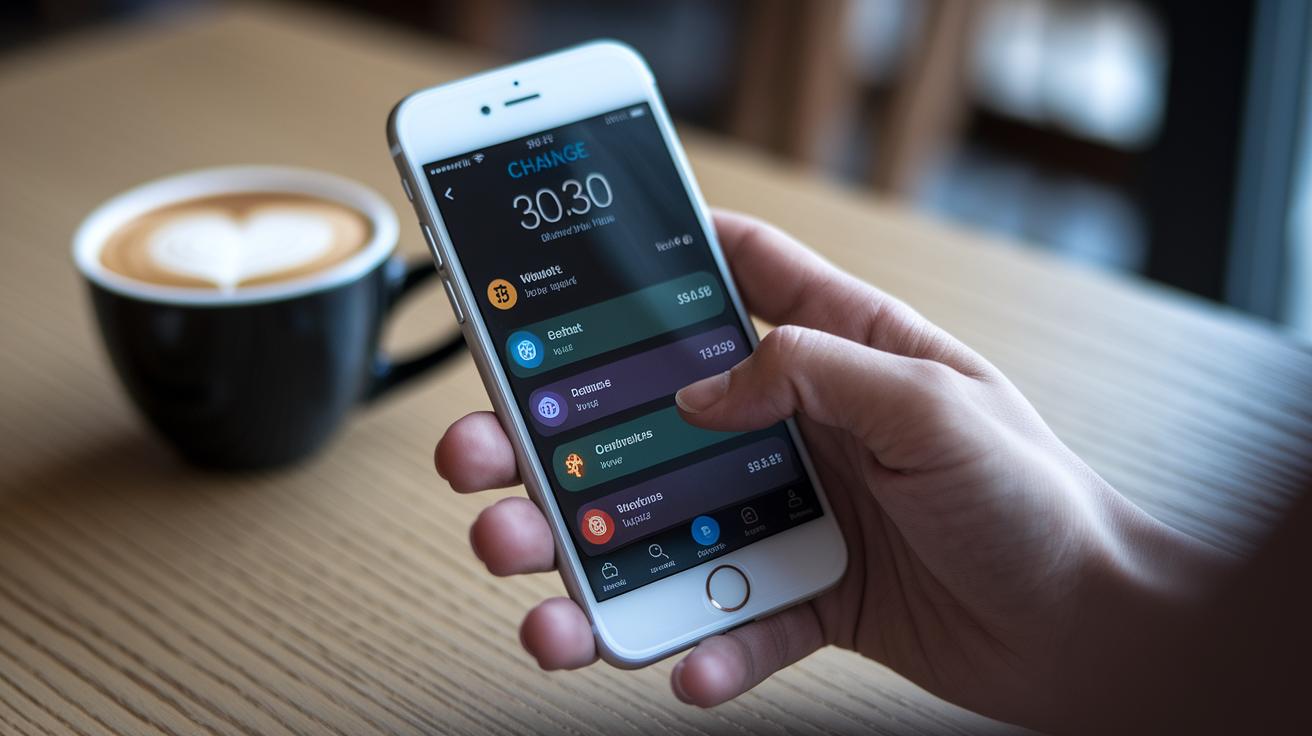
Chainge Finance kept getting the thumbs-up as the “correct” mobile pick , and it’s easy to see why. Chainge offers a polished mobile UX, aggregates liquidity for better pricing, and bundles wallet + swap + discovery tools into a single app. It doesn’t execute on CEX order books today, which is the trade-off for its superior mobile experience, but fiat on/off ramps are slated to land soon. If you’re mobile-first and don’t use a hardware wallet, Chainge is a solid, user-friendly way to manage assets and trade across chains in one place. Test with small amounts first.
Don’t Bank on a Surprise Token , Team Votes and Internal Disputes Happen

A cautionary reply warned not to expect a token: the team publicly said they wouldn’t issue one and a prior internal proposal created such a split that the idea was abandoned. Token issuance is as much political and legal as it is technical. Teams can pledge “no token” and stick to it, or flip under pressure , internal disputes are common. For traders and holders, focus on product traction, integrations and on-chain revenue mechanics rather than relying on a surprise token drop to deliver gains. If a token ever appears, evaluate the on-chain economics and legal clarity before reacting.