
Have you ever noticed how some traders always land the winning move while others miss out repeatedly? Trading tools aren’t just fancy gadgets, they help you react quickly when the market shifts. Think about platforms to buy and sell stocks, software that draws out charts, programs to manage risk, and even simulators that let you practice. Each tool gives you a clearer picture of what’s happening. When you learn to use these smart aids, you can make more confident and timely decisions that boost your success in the market.
Core Categories of Trading Tools for Market Analysis
A good set of tools can help you make smart, on-time moves in the market. These tools come in various categories, and each one plays its own part in helping traders see the big picture and make confident decisions. For more details, you can visit TradeWisely.com.
-
Brokerage platforms: Think of these as your online gateway for buying stocks and managing your trades. They give you access to essential features like trade order management and execution management, making it easier to act on market opportunities.
-
Charting software: This tool lets you see real-time market data in clear visuals. It helps you draw trendlines and understand price movements so you can get a good feel for what the market is doing.
-
Screening systems: With these, you can sift through mountains of market data to find promising opportunities. They work like performance trackers, highlighting trades that match your chosen criteria.
-
Automation modules: These are designed to speed up your trading process. They handle the order execution automatically, reducing the need for manual intervention and saving you valuable time.
-
Risk management suites: Safety is key, and these tools help keep your trades secure. They include features like portfolio management, accounting, and commission management to ensure your trades stay within set guidelines.
-
Simulation environments: This is your practice arena, it lets you test your trading strategies without any real risk. You get to refine your approach in a virtual setting before moving to live trades.
Each of these categories makes market analysis simpler and supports better decision-making by bringing together real-time data, automating repetitive tasks, and helping you test new strategies with ease.
Charting Trading Tools for Technical Analysis

Top-notch platforms like TradingView Pro+, TC2000, and eSignal are favorites among both new traders and seasoned pros. They pack in handy tools such as moving averages, RSI (which helps show if a stock might be too low or high), MACD, and Bollinger Bands, all built right in. Plus, they include features like drawing trendlines and adding notes, so you can quickly mark key price levels. For example, you might jot down that when the RSI dips below 30, it could be a sign of oversold conditions – a great tip for spotting entry points.
The platforms also display well-known chart patterns like ascending triangles, head and shoulders, triple tops, and triple bottoms clearly. Check out this link for more on charting in technical analysis: https://clientim.com?p=1970. They even let you keep an eye on several charts at once, whether you’re tracking different timeframes or various trading instruments. This means you can see market shifts as they happen without missing a beat.
Imagine using a multichart setup to compare a stock’s daily moves with its weekly trends, or using a volume profile analyzer to see trading activity at different price points. On top of that, many of these tools let you tweak standard settings in custom indicator libraries, so you can tailor the charts to fit your own trading style. This flexibility can make all the difference between catching a subtle trend and missing an important signal.
Trading tools: Smart aids for market success
Traders now get the benefit of smart tools that screen for potential opportunities and show live market data. Platforms like Benzinga Pro and TradingView Pro+ offer dashboards where you can set up your own alerts and screen for data in a way that suits your style. They help you keep an eye on things like minimum volume, price ranges between $2 and $20, volatility (how much the price jumps around), gap percentages, and momentum rates, ideal for strategies like Gap and Go or Momentum Day Trading.
Real-time alert systems quickly let you know when a stock hits your set criteria, so you’re ready to act when the market shifts suddenly. Plus, an integrated economic calendar makes sure you never miss major events, like earnings reports or Fed announcements, that can change market trends in a snap.
Forex screening tools work in much the same way for currency trading. They scan currency pairs to show trends, volatility, and correlations. This helps you balance your portfolio by keeping an eye on both stocks and international markets.
| Key Metrics |
|---|
| Minimum Volume |
| Price Range |
| Volatility Threshold |
| Gap Percentage |
| Momentum Rate |
These smart tools lay a solid foundation for keeping up with the market’s pace. They help traders react quickly to fresh data, much like having a reliable guide right by your side.
Automated Trading Tools and Algorithmic Strategy Testing
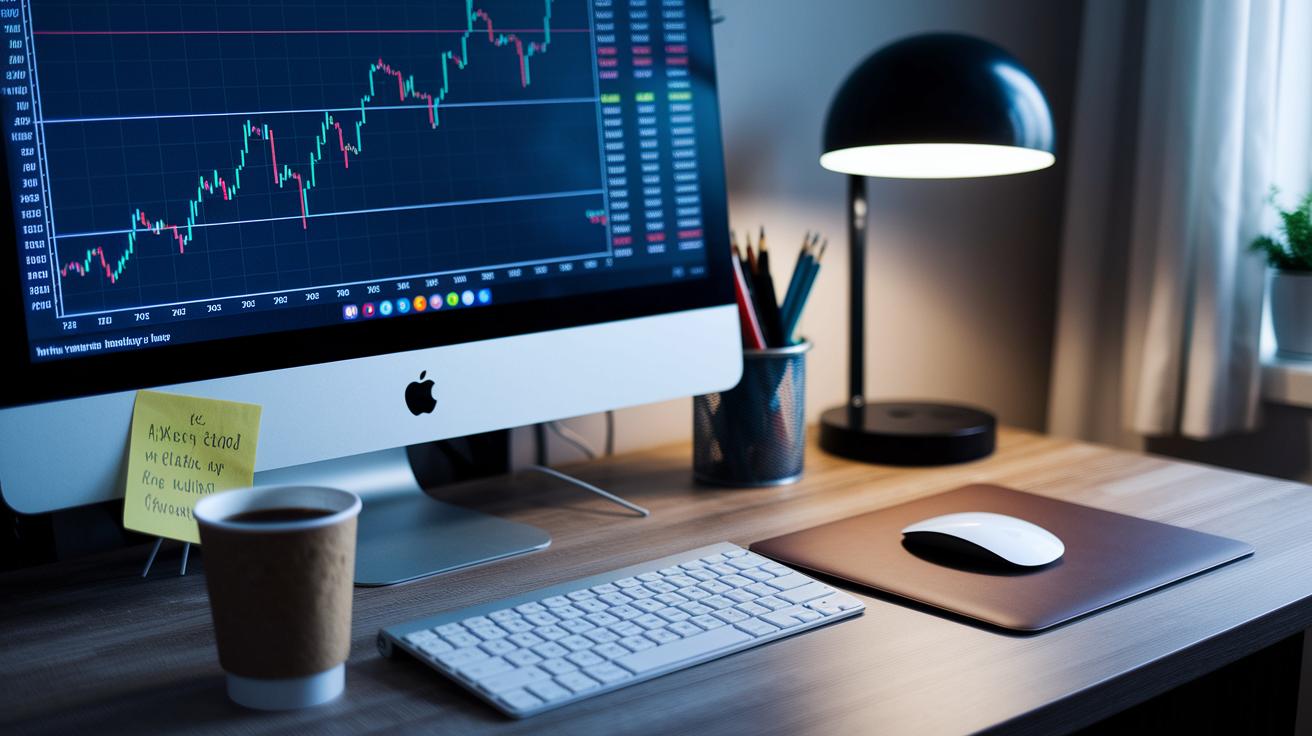
Flexible trade automation makes manual order entry a thing of the past. This means you can spend more time fine-tuning your strategy instead of punching in orders by hand. With an automated signal generator, you can set up simple, pre-arranged rules, like having a system that tells you when a stock crosses its moving average (a line that shows a stock’s trend), so you know exactly when to buy or sell without constantly watching the market.
The backtesting engine acts like a rewind button for your trading strategy. It uses past market data to show you how your ideas might have performed, giving you a real sense of what works and what doesn’t. It even checks those trading costs (transaction cost analysis is a way of measuring the real expense of a trade) to ensure your moves remain efficient. This way, you can adjust your approach confidently before using real money.
Paper trading simulators offer a safe space to test your algorithms without any risk. Think of it as practicing in a virtual trading arena where the stakes are zero. They help you see how your strategy performs in live-market conditions while keeping the pressure off. Plus, tools like best execution measurement verify that your orders are handled quickly and correctly. With the help of transaction cost analysis, you get a clear picture of all trading expenses. Together, these tools build a reliable foundation for your trading strategy before you go live.
Risk Management and Portfolio Trading Tools
Risk management suites help protect your trading plans when markets shift. They come with built-in compliance checks that work like a friendly watchdog, keeping an eye on rules and doing margin checks as you trade. Multifactor risk models and VaR calculators (tools that show you how much you might lose) give you a clear picture of risk, even when the market feels tough.
Portfolio rebalancing tools work like a smart assistant. When market moves tip your investments off balance, these tools automatically adjust your positions back to your targets. This means you don’t have to worry about micromanaging every detail, they help keep you on track.
Trade volume analysis and liquidity measurement tools check how your orders affect the market. They spot any slippage (when the trade price shifts) and measure the impact of large orders, making sure your trades go smoothly even when the market is busy. Together, these tools help you follow the rules, reduce losses, and keep your investments aligned with your long-term goals.
Trading Tools for Simulation and Practice Strategies
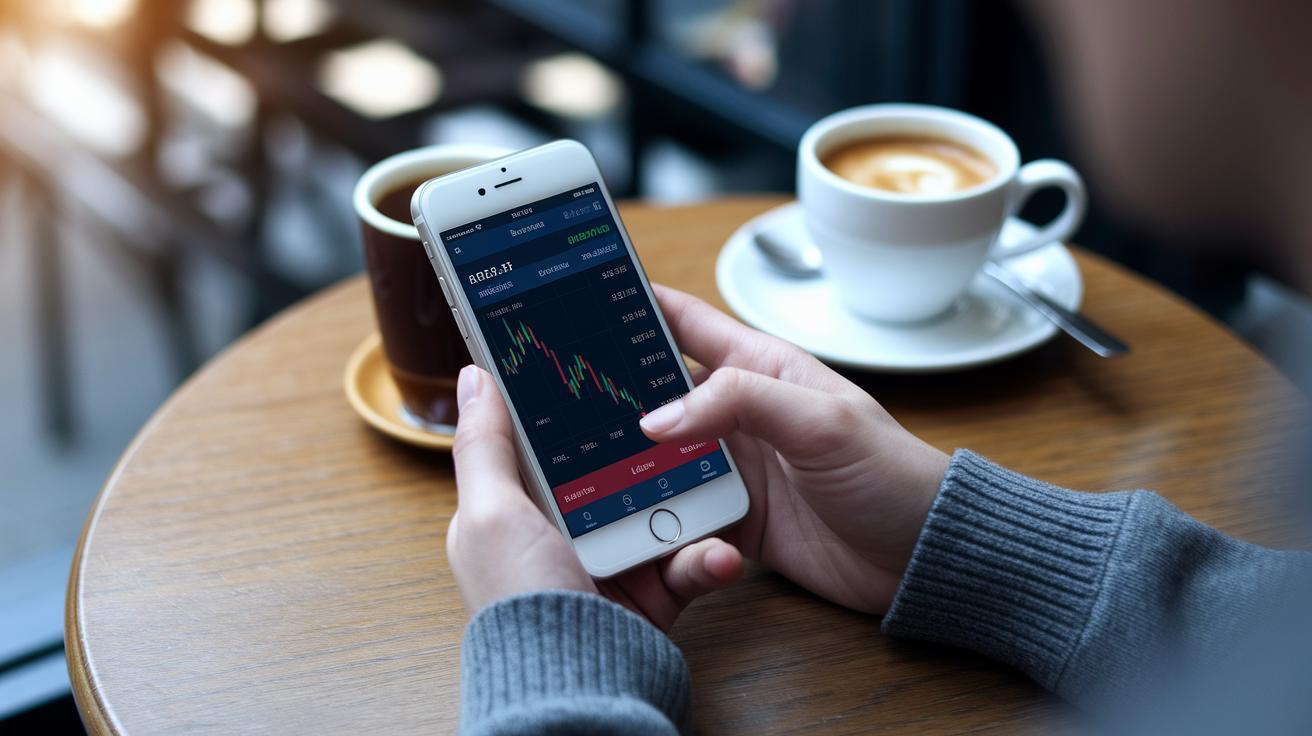
Paper trading simulators and stock market simulators give you a safe space to try out your trading ideas without risking real money. Demo accounts also let you jump into a live market replay so you can feel like you're trading in real time but without any risk. For example, imagine using a simulator where every trade you make is replayed later, giving you a chance to learn without the worry of losing money. You can explore top platforms with just a click on the stock market simulator link.
Session replay simulators work like a rewind button for your day. They let you check how orders were filled, what the order flow looked like, and even the slippage details so you can polish your trading moves. Profit-loss simulators show you what might have happened based on your trade size and stop-loss settings. This helps you get a clear picture of both risks and rewards. Plus, an integrated trade journal tracks your simulated performance, so you can see improvements over time.
| Feature | Description |
|---|---|
| Real-time demo market replay | Experience live market conditions safely |
| Detailed review of order execution | Examine how orders are filled and what affects them |
| Hypothetical profit-loss projections | See potential gains and losses based on your trades |
| Tracking of performance metrics | Monitor your progress over time |
These simulation tools create a playground where you can test, learn, and refine your strategies. They help build your confidence and sharpen your skills, all without putting any of your money at risk.
Mobile and Integrated Trading Tools for Custom Strategies
Mobile trading apps like thinkorswim keep you connected no matter where you are. They smoothly shift from your desktop to your smartphone, so you can check live market data and adjust your plans on the fly. Imagine grabbing your phone during a break to review your portfolio and quickly respond to a market change.
Web-based charting tools add extra ease by matching your layouts and indicators across devices. This means the technical details you see on your computer are exactly what you get on your mobile, helping you make decisions with confidence.
API connections are a game-changer too, linking your own models and third-party data straight into your trading set-up. By combining advanced market info with your custom signals, you craft a strategy that feels truly personalized.
And if you’re not a tech whiz, don’t worry, custom strategy builders with simple drag-and-drop features let you create rule-based bots that suit your style. Plus, solid vendor support is there to help sort out any issues so you can focus on smart, real-time trading decisions.
Final Words
In the action, this article broke down core trading tools, from brokerage platforms and charting systems to data screening and automated trading modules. It also touched on risk management, portfolio rebalancing, and simulation tools for practice strategies.
Each section showed how these tools support quick market insights and effective decision-making. By combining smart trading tools, you can manage risk, stay ahead of trends, and keep your investments secure. Here's to smarter trades and positive market momentum ahead.
FAQ
Frequently Asked Questions
Q: What are trading tools and software?
A: Trading tools and software include platforms for brokerage, charting, screening, automation, risk management, and simulation. They help traders analyze markets and make informed decisions.
Q: Are there free trading tools available?
A: Free trading tools offer basic charting, screening, and analysis features. They give beginners a chance to learn market trends and test strategies without a significant financial commitment.
Q: Which trading tools work best for beginners?
A: Trading tools for beginners are designed to be simple and user-friendly. They often include intuitive brokerage apps, easy-to-read charts, and accessible screening features to build foundational trading skills.
Q: What is TradingView and how is it used?
A: TradingView is a popular charting platform that provides interactive charts, built-in technical indicators, and a community for sharing trading ideas, making it a favorite for both novice and experienced traders.
Q: What is considered the best trading tool?
A: The best trading tool depends on your needs, but many traders value platforms like TradingView for its robust features, user-friendly interface, and community support that enhance trading decisions.
Q: Can you really make $1000 a day with day trading?
A: Earning $1000 a day with day trading is possible but demands the right tools, solid experience, disciplined risk management, and favorable market conditions. Success varies for each trader.
Q: What is the 3-5-7 rule in trading?
A: The 3-5-7 rule in trading outlines guidelines for entry, stop-loss, and take-profit levels. This method helps traders manage risk and set clear targets based on market behavior.
Q: Is $100 enough to start trading?
A: Starting with $100 is feasible with brokers that allow low initial deposits. However, more capital can provide better flexibility in diversifying investments and managing risk more effectively.
Q: What do TD Ameritrade, Webull, Interactive Brokers, TradeStation, and E-Trade offer?
A: These well-known brokerages provide a range of trading tools, from mobile apps and easy account access to advanced charting and analysis features, catering to different trading styles and experience levels.