
From Berkshire Hathaway to hedge funds and active ETFs, billionaire investors move markets. Their public buys and sells are often a mix of conviction and strategy—buying moons like high-growth tech or energy, selling when catalysts fade or valuations spike. We break down five recent notable moves (or signature patterns) from top billionaire investors, explain why they matter, and what everyday investors can learn. Each profile highlights the buy, the sell, the rationale, and a quick takeaway. This is not financial advice; think of it as a window into how prominent investors hunt value, manage risk and react to macro shifts.
Why Billionaire Trades Matter

From Berkshire Hathaway to hedge funds and active ETFs, billionaire investors move markets. Their public buys and sells are often a mix of conviction and strategy, buying moons like high-growth tech or energy, selling when catalysts fade or valuations spike. We break down five recent notable moves (or signature patterns) from top billionaire investors, explain why they matter, and what everyday investors can learn. Each profile highlights the buy, the sell, the rationale, and a quick takeaway. This is not financial advice; think of it as a window into how prominent investors hunt value, manage risk and react to macro shifts.
Warren Buffett , Value-first buys, disciplined sells
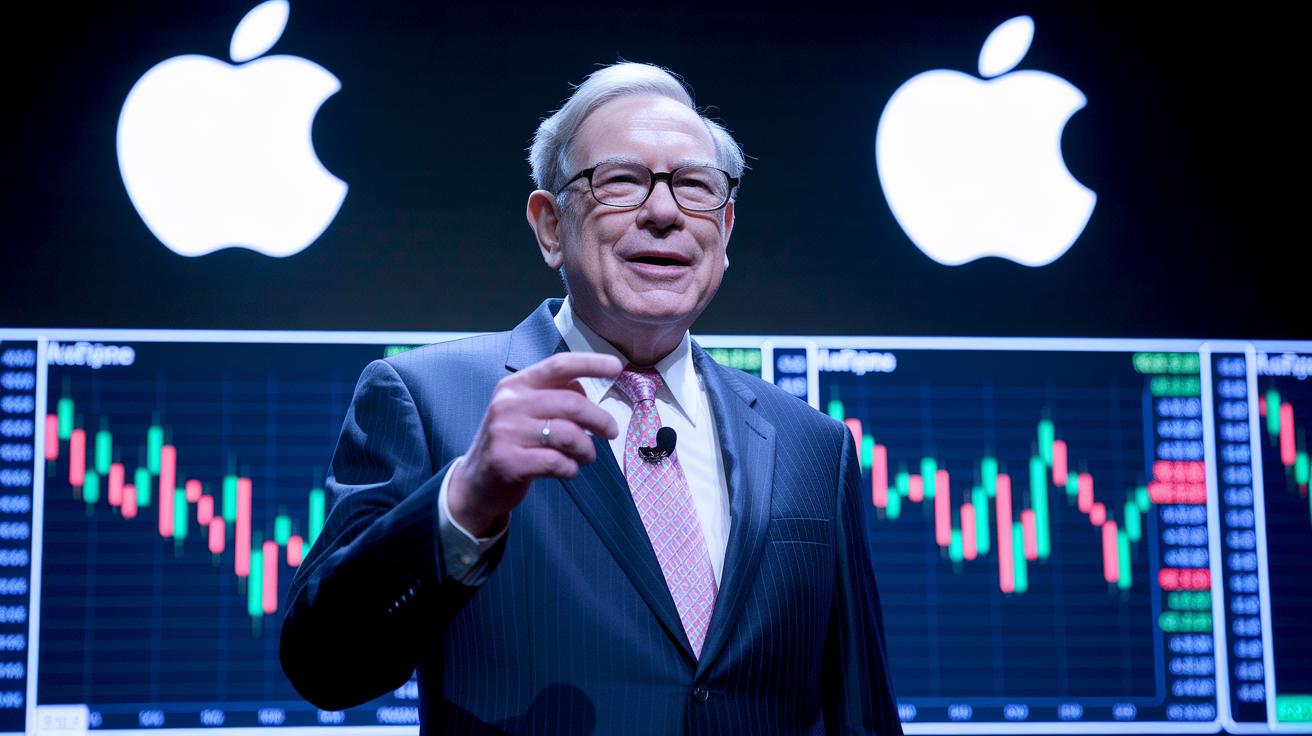
Buffett's Berkshire is a lesson in long-term concentration. In recent years he leaned into energy and prime consumer-tech: notable buys include big stakes in Chevron and a multiyear love for Apple, prized for predictable cash flow and shareholder returns. His iconic sells were the airline holdings he abandoned early in the pandemic , a rare, decisive cut when fundamentals broke. Buffett's style emphasizes durable businesses, strong moats, heavy free cash flow, and shareholder-friendly management. For individual investors: prioritize business quality and management, and be prepared to sell when the fundamental story permanently changes. His trades underscore patience and capital-allocation discipline.
Cathie Wood , High-conviction growth swings

Cathie Wood and ARK Invest are synonymous with high-conviction thematic bets: electric vehicles, genomic editing, blockchain infrastructure and AI. ARK’s playbook is to buy concentrated positions in disruptive firms , Tesla and Coinbase are among the best-known holdings , and hold through volatility when the thesis is intact. Wood often buys the dip and sells into strength to rebalance ETFs after large moves. That approach creates big wins and big drawdowns. Takeaway: if you follow a growth-focused manager, expect sharp swings; use position sizing and time horizon to match that conviction-driven strategy. It's a high-risk, high-reward blueprint for investors willing to trade patience for possible outsized returns.
Bill Ackman , Activism and concentrated catalysts
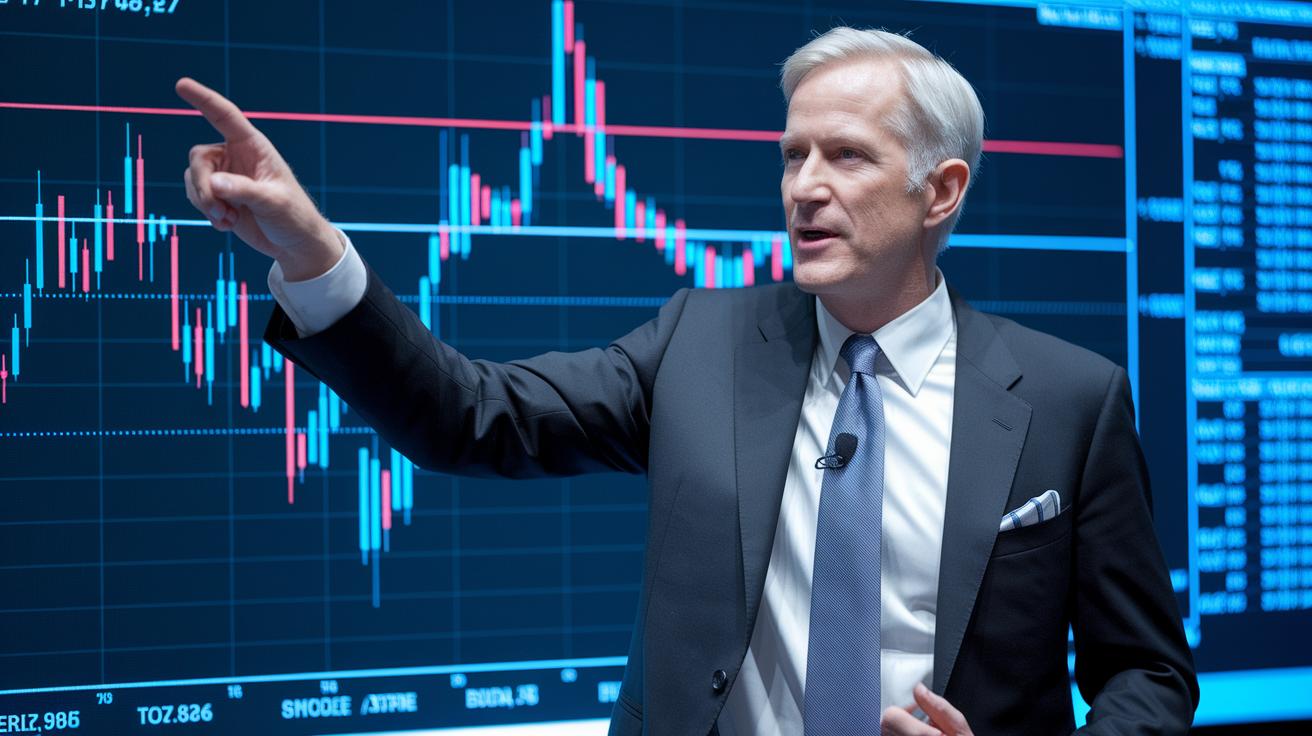
Bill Ackman’s Pershing Square is built on concentrated bets and activist campaigns. Ackman buys stakes when he sees mispriced assets or weak capital allocation, then presses for operational or strategic changes to unlock value. He’s as famous for high-profile shorts (the Herbalife saga) as he is for big long plays. Recent approach mixes equity positions with options to control risk and amplify conviction. The key lesson: activist plays can force change and create fast value, but they require deep research, patience and readiness to weather public battles before realizing gains. He targets clear catalysts to time exits.
Ray Dalio , Macro hedges and risk parity

Ray Dalio’s Bridgewater approaches portfolios with macro-level risk allocation rather than single-stock bets. When macro indicators shift, Dalio often adjusts exposure across equities, bonds, currencies and commodities. Famous moves include rotating into inflation hedges like gold and commodity producers during rising-price regimes and increasing cash or sovereign debt when growth slows. Dalio’s trades remind investors that market timing is less about predicting a single stock and more about balancing exposures to economic cycles. If you emulate him, focus on diversification, use rebalancing, and consider macro risks , not to time noise, but to preserve purchasing power.
Carl Icahn , Activist shocks and quick exits

Carl Icahn is the archetypal activist who buys meaningful stakes to force corporate change , sell-offs, buybacks, or management shakeups. Icahn's buys typically target undervalued, cash-rich firms that can be pushed toward shareholder-friendly moves; his exits come after boardroom victories or a marked rerating. While headline-grabbing, his playbook is straightforward: identify operational inefficiency, agitate for change, and monetize the revaluation. For smaller investors this translates into a reminder to own companies with strong cash flows and governance structures that can unlock value; activism can accelerate gains but also draws campaigns and legal fights.