
Ever wondered if the numbers at the gas pump might be telling you something about your wallet? Small shifts in gas prices can add up to big savings if you plan ahead. In some areas, prices are hitting a six-week high while in others, they stay steady. That means a little careful planning might really pay off when you fill up. In this article, we break down what makes fuel costs tick and how you can spot the best deals.
Fuel Prices: Bright Trends for Savvy Drivers
On November 18, 2025, at 9:10 AM EST, the fuel update shared that the average U.S. gas price was $3.08 per gallon. It’s a steady number compared to yesterday and last week, though it did tick up by 4 cents since last month. For many drivers, these figures give a clear picture of what’s happening in the market.
Local energy cost tools show that this price hits a six-week high as demand shifts. Over on the West Coast, especially in California, prices are among the highest. But in Southern and Midwestern states, the rates stay lower, which can really help drivers save on their daily trips.
Imagine using a gas price tool like checking your phone for a cheaper station nearby. This simple step can help you plan your stops wisely and get the best rate at the pump.
Overall, keeping an eye on these updates is key if you want to manage your fuel budget smartly. It helps you fill up with confidence, knowing you’re getting the best deal available.
Fuel Price Component Breakdown
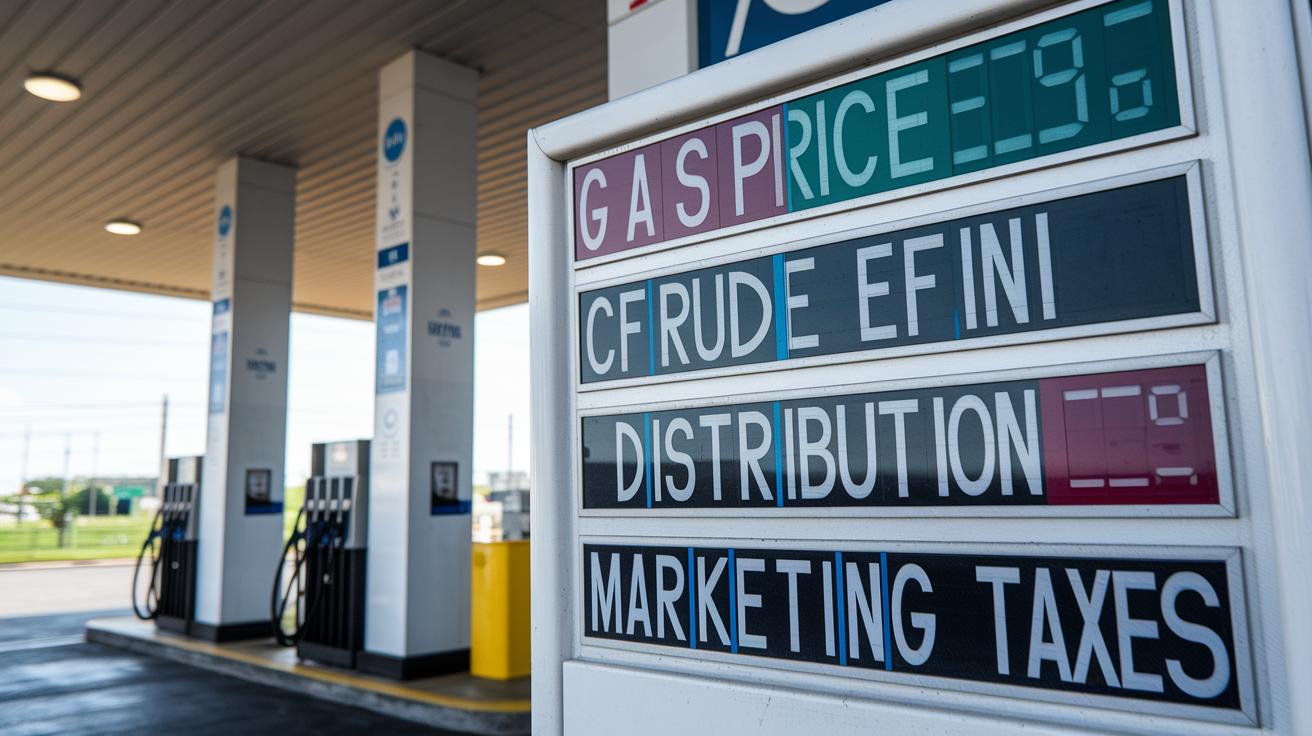
When you fill up your car, what you pay at the pump comes from four main parts. First, about half of that price is based on the cost of crude oil. Crude oil prices shift with global trends and market activity, meaning they change all the time.
Then, roughly one-quarter of the cost comes from refining. Turning crude oil into gasoline involves many careful steps, and each one adds a little extra to the price.
Next, another quarter of the total goes toward distribution and marketing. This covers getting the fuel from refineries to local stations and presenting it for sale. It’s a key part of how the fuel price is set.
Finally, taxes round things out. Though they’re a smaller slice of the overall cost, taxes still play an important role in what drivers pay.
By understanding how crude oil, refining, distribution, and taxes work together, you can see exactly what makes up the price you pay at the pump.
Fuel Prices: Historical Trends and Forecast
Gas prices have been on a gentle decline since 2022. Imagine looking at a chart that shows a steady drop over time, it’s pretty much what’s happening at the pump. Simply put, lower prices mean people aren’t buying as much gasoline, and producers have been tweaking how they make it.
On November 17, 2025, West Texas Intermediate crude closed at $59.91 per barrel. That was a small drop of 0.4% from the week before. Even minor changes like a 0.4% dip can make a real difference in what you pay at the gas station. Have you ever noticed how little shifts in oil prices can sometimes seem to ripple right through your wallet?
Looking ahead, the Energy Information Administration (EIA) thinks global liquid fuel use will climb by 1.3 million barrels a day in 2025. Just so you know, barrels per day is simply a way to measure how much fuel is being used. This increase is a bit slower than what we saw from 2021 to 2023, which might mean fuel prices could start to rise a bit again, even after recent drops.
By keeping an eye on these trends and forecasts, you can be better prepared for changes at the pump and make smarter choices with your spending.
Regional Fuel Prices Comparison by State
AAA data tells us that fuel prices can be really different depending on where you live. For example, if you drive in California or Hawaii, you might notice that gas costs a lot more. Meanwhile, in states like Oklahoma and Mississippi, you can often find cheaper gas. With an average U.S. price of about $3.08 per gallon, the cost in some places can be more than 60 cents higher. This happens because of local taxes and how much it costs to get the fuel to your area. It’s a good idea for drivers to keep an eye on these differences, as they can affect plans for travel and budgeting.
Below is a snapshot table comparing a few key states:
| State | Average Price per Gallon (USD) |
|---|---|
| California | Approximately $3.60 |
| Hawaii | Approximately $3.60 |
| National Average | $3.08 |
| Oklahoma | Approximately $2.90 |
| Mississippi | Approximately $2.90 |
This table offers a clear look at how fuel prices differ across regions. It works as a handy tool for anyone wanting to compare state fuel costs.
Key points to keep in mind:
- In states like California and Hawaii, higher gas prices can mean extra expense at the pump.
- States like Oklahoma and Mississippi offer more affordable rates, which can help you save money.
- Using tools that break down gas prices by state can be really useful before you plan a road trip or fill up your tank.
In truth, these price gaps are often driven by different fuel taxes and the cost of getting fuel to local stations. So if you’re planning a cross-country trip, it might be worth checking out price trackers and state gas reports before you hit the road. Stay informed and make the best choice for your budget!
Fuel Prices: Money-Saving Tips for Drivers
Many drivers worry about rising fuel costs every day. There are some simple ideas that can really help lower your pump prices. One idea is to use mobile apps that let you compare nearby gas prices. For instance, a driver once shared how an app helped them pay 10 cents less per gallon, which made a big difference in their budget.
Another smart move is to sign up for gas rewards programs from well-known brands like Exxon and Shell. These programs offer small discounts that add up over time. A fellow motorist mentioned earning free fuel credits just by keeping track of their purchases. It’s a down-to-earth way to make saving at the pump easier.
You might also check out fuel discounts at grocery stores. Stores like Kroger often reward loyal customers with lower gas prices. And if you have a rewards credit card that offers cash back on fuel expenses, sometimes up to 5%, you can trim your costs even more. One driver even timed their fill-ups on Mondays to grab extra cash back.
- Mobile apps for price checks
- Branded gas rewards programs
- Grocery-store discount programs
- Rewards credit cards with cash back
Try putting these easy tactics into action and see how much you can save on fuel.
Fuel Prices: Tracking and Forecasting Resources

Keeping an eye on fuel prices can sometimes feel like you're reading tomorrow's news today. Tools such as AAA's price maps and the Energy Information Administration’s weekly pump price reports give you real-time updates on fuel expenses. Even a fuel rate calculator guide that explains current energy tariff trends can help you see clear price shifts. It’s almost like having an automotive energy pricing model right at your fingertips.
On November 19, 2025, at 12:30 PM EST, experts will gather for an event packed with market commentary and live webinar sessions on what lies ahead. Think of this as a live fuel rate calculator session that keeps you in the loop with trusted data. Using these tools, you can figure out your fuel budget and spot changes as they happen.
- Energy expense monitor tool apps for daily updates
- Fuel rate calculator guide platforms
- Current energy tariff report resources
- Automotive energy pricing model comparisons
These resources make it easier to plan trips and manage fuel costs. Whether you check in on Monday or Tuesday, the real-time updates help you grab the best prices and catch market moves.
Final Words
In the action, our overview walked through real-time fuel prices, breaking down components and historical trends.
We compared state rates and offered money-saving tips for drivers at the pump.
We also highlighted trusted tools for tracking and forecasting fuel prices.
Each section gives you clear insights and strategies to manage costs and stay informed.
The future shines bright with smart planning and real-time data on fuel prices to keep you ahead.
FAQ
Frequently Asked Questions
What are fuel prices near California?
Fuel prices near California tend to be higher than the national average due to regional demand, heavier taxes, and refining costs. Local updates can provide the most accurate pump price information.
What are fuel prices near Texas?
Fuel prices near Texas are generally lower compared to West Coast markets. Local variations exist, so checking real-time resources helps you find the best rates in your area.
What does a U.S. gas prices chart show?
A U.S. gas prices chart shows trends like weekly changes and historical averages. It highlights fluctuations across regions, revealing how factors like crude costs and taxes affect pump prices.
How are gas prices near me determined?
Gas prices near you are influenced by state taxes, distribution costs, and local demand. Mobile apps and price maps can guide you to lower rates at nearby stations, saving you money over time.
What is the gas price in the USA per litre?
The gas price in the USA per litre is derived from the average per-gallon cost. With a national average around $3.08 per gallon, this roughly translates to about $0.81 per litre with conversion differences.
How do diesel fuel prices vary by state?
Diesel fuel prices by state vary due to differences in taxes, distribution costs, and local market conditions. States like California usually have higher diesel costs, while others offer more budget-friendly options.
How can I find a list of gas prices by year?
A list of gas prices by year outlines historical trends impacted by crude oil and refining costs. Such charts help you see annual price changes and identify longer-term market shifts.
What are fuel prices like in Washington?
Fuel prices in Washington generally align with the national average, though local factors like specific tax rates and market demand may cause slight deviations compared to other states.
Why are fuel prices so high right now?
Fuel prices are high right now due to rising crude oil costs and increased demand. Combined with refining and distribution expenses, these factors push pump prices upward in many regions.
What is the price for fuel today?
The price for fuel today is around the national average of $3.08 per gallon. Actual prices can differ by location, so checking real-time updates ensures you receive the most current information.