
Have you ever wondered how a small change can lead to big rewards? Warren Buffett’s way is all about being patient and making smart choices.
He looks for hidden gems by buying well-run companies when people aren’t paying much attention to them. Instead of chasing a quick profit, he holds on to his investments, giving them time to grow and succeed.
He also uses a margin of safety, which is like a cushion to protect his money from sudden market moves. In this post, we explore his key strategies and show how even regular investors can benefit from his time-tested approach.
Core Value Investing Strategy of Warren Buffett
Warren Buffett’s way of investing is all about buying great companies at prices lower than what they’re really worth. He carefully chooses businesses that stand strong against the competition and are led by honest, skilled managers. It’s like finding a hidden treasure in the market. He also believes in holding onto these investments for a long time. As he puts it, if you’re not ready to own a stock for 10 years, you might not be ready even for just a few minutes. This teaches us that having patience can help us ride out any ups and downs in the market.
Another key idea in his strategy is the margin of safety. Simply put, this means buying at a big discount so that even if things go wrong, you have a cushion to protect your investment. Imagine buying a stock at a price much lower than its calculated worth. That extra space can be a lifesaver during unpredictable market swings. It might surprise you to know that even an average investor can see steady progress in their portfolio by following this advice and investing in low-cost index funds.
By blending these core ideas into your own plan, buying quality companies at a bargain and keeping them for the long haul, you mirror Buffett’s time-tested approach. And remember his famous guidance: be cautious when others rush in, and be bold when others step back, always keeping an eye on that extra safety cushion around your investments.
Historical Evolution of Buffett’s Investment Philosophy

Buffett's journey began when he was a dedicated student of Benjamin Graham. He quickly learned to look for stocks that were priced lower than they should be, kind of like uncovering hidden treasures in a big sea of numbers. One example is his early investment in "The American Tailwind," which returned an astounding 5,288 times its cost. That kind of success still leaves many people in awe.
In 1962, after a setback led by Seabury Stanton, Buffett stepped in to take charge of Berkshire Hathaway. Back then, it was a struggling textile company. With his steady guidance, the company slowly transformed into a diverse holding group. This change built the foundation for what we now see as the Berkshire Hathaway way, a perfect example of how a smart shift in strategy can change everything.
Then in 1993, Buffett shared his belief in keeping things simple. He advised everyday investors to gradually invest in index funds, a straightforward way to capture market gains without constantly chasing the latest trend. Each of these key moments in his career shows just how impactful a thoughtful, easy-to-understand strategy can be.
Key Principles: Margin of Safety, Intrinsic Value and Economic Moats
Warren Buffett’s investing style is pretty straightforward. He buys stocks when they’re much cheaper than what he believes they’re really worth. In simple terms, the margin of safety means you’re paying less than what a company is truly worth. This cushion helps keep you safe when market downturns hit.
Buffett breaks down a company’s value by using methods like discounted cash flow (a way to estimate a company’s future cash earnings by figuring out what they're worth in today’s dollars), earnings multiples (comparing a company’s earnings to its share price), and by considering things like strong brand loyalty and good management. Curious to dig a little deeper? There’s more info available at this resource on intrinsic value calculation in value investing.
On top of that, he looks for firms with strong economic moats. Think of an economic moat like a moat around a castle, it’s something that keeps competitors at bay. These could be things like cost leadership or even your favorite network effects. Buffett mixes solid numbers like return on equity (a measure of how efficiently a company uses money to generate profits) and profit margins with qualitative ideas to decide which companies hold their own over time. For a detailed look at his review process, you can check out this information on financial statement analysis.
Buffett also has a checklist to help decide if a stock is a good buy. Here are the six key things he looks at:
- Margin of Safety threshold
- Discounted Cash Flow analysis
- Price-to-Earnings and Price-to-Book benchmarks
- Management integrity evaluation
- Brand strength and customer loyalty
- Return on Equity and Profit Margin targets
Each of these points is like a safety net, helping to lower risks while spotting chances others might miss. Isn’t it interesting how a thoughtful approach can make investing feel a bit more secure?
Long‐Term Holding Philosophy and Compounding Growth Technique

Warren Buffett always encourages us to stick with our investments over the long haul. He believes that by holding them for many years, even tiny gains can build on themselves. When you reinvest dividends and earnings, every bit of profit gets a chance to grow on its own, kind of like watching a seed slowly blossom into a fruit-bearing tree. Think about it: a small seed can eventually sprout more seeds and keep expanding, just like your growing orchard.
Buffett also points everyday investors toward low-cost index funds. These funds are a simple, smart way to capture steady growth without worrying about high fees. This straightforward idea was even highlighted in his 1993 shareholder letter.
Remember, these key ideas have been covered in detail earlier.
Berkshire Hathaway’s Asset Allocation and Cash Management Tactics
Warren Buffett sticks with a safe, smart strategy. He keeps most of Berkshire Hathaway's money in stocks but always holds a good chunk in cash. Think of it like having a comfy cushion, around 90% in stocks and 10% in cash. This isn’t just for show; it helps the company handle rough patches, like the downturns we saw in 2008 and 2020.
In 2024, Buffett made a move that got everyone talking. He cut his Apple stake nearly in half and boosted his cash reserves. It’s a clear sign of caution when market values are high. This move reminds us that having enough cash handy lets you grab good chances when they come, without taking on too much risk.
Buffett’s plan rests on four key ideas:
- Long-term income from top-notch, steady businesses.
- Investing in strong companies that have shown they can weather storms.
- Generating a steady flow of income without too much fuss.
- Keeping a solid cash reserve for any surprise market shifts.
In truth, this careful approach not only cushions Berkshire Hathaway against sudden market changes but also lays the foundation for lasting wealth. It keeps the company agile and ready for whatever comes its way.
Case Studies of Buffett’s Major Equity Picks at Berkshire Hathaway

Warren Buffett’s way of picking stocks shows us how buying strong, well-priced companies can pay off in the long run. He builds a mix of big-name firms that have real advantages over the competition. Imagine owning a small piece of a company that grows to become a true market giant. That’s exactly what his 2% holding in Apple represents, a move made in 2016 that has now swelled to a $61 billion valuation by mid-2025.
But it’s more than just numbers. Buffett digs into what makes a company solid. He looks for steady management, loyal customers, and reliable earnings. His 21.6% stake in American Express, held for over 30 years, perfectly shows his trust in stable, long-term winners. In the same way, buying Coca-Cola back in 1988, a choice that now sits at a $28 billion valuation, illustrates how a deep understanding of a business can lead to spectacular results over time.
Buffett keeps his strategy simple: invest in what you know and trust. He also trusts quality companies in the financial world. His 8.4% share in Bank of America, which has more than quintupled in value since 2011, and his smart buy of Chevron during the 2022 downturn, now valued at $17 billion, both highlight the power of sticking with dependable firms that can weather any storm.
| Company | Stake % | Value (mid-2025) | Year Acquired |
|---|---|---|---|
| Apple | 2% | $61B | 2016 |
| American Express | 21.6% | $46B | 1985 |
| Coca-Cola | 9.3% | $28B | 1988 |
| Bank of America | 8.4% | 5× cost | 2011 |
| Chevron | 6.8% | $17B | 2022 |
Learning from Buffett’s Investment Mistakes and Exits
Buffett’s journey isn’t only filled with winning picks, it also shows us where he tripped up, teaching us how to balance risk and reward. Take Waumbec Mills in 1975, for example. He bought it for less than its working capital value, but when the market shifted and the industry fell apart, it reminded him (and us) that even a smart move can go wrong if the trends change.
Then there’s the case with Dexter Shoes in 1993. This all-stock deal eventually couldn’t stand up to rising overseas competition, and by 2001, the plants had closed. It’s a clear sign that recognizing fierce market competition early on is key.
Next, think about the Salomon Brothers episode. In 1987, Buffett faced a major blow when a bond-trading scandal tanked his $700 million stake, forcing him to completely change the management team. And later, the Tesco investment in 2006 showed how even a well-regarded company can falter, as profit warnings and an accounting scandal led to a slow pullback.
Each of these examples teaches us something important. Even the best investors know when to cut losses and move on. They remind us to always keep an eye on the fundamentals and exit when things start to fall apart.
- Waumbec Mills, 1975
- Dexter Shoes, 1993
- Salomon Brothers, 1987
- Tesco, 2006
Educational Investment Literature and Buffett’s Key Quotes
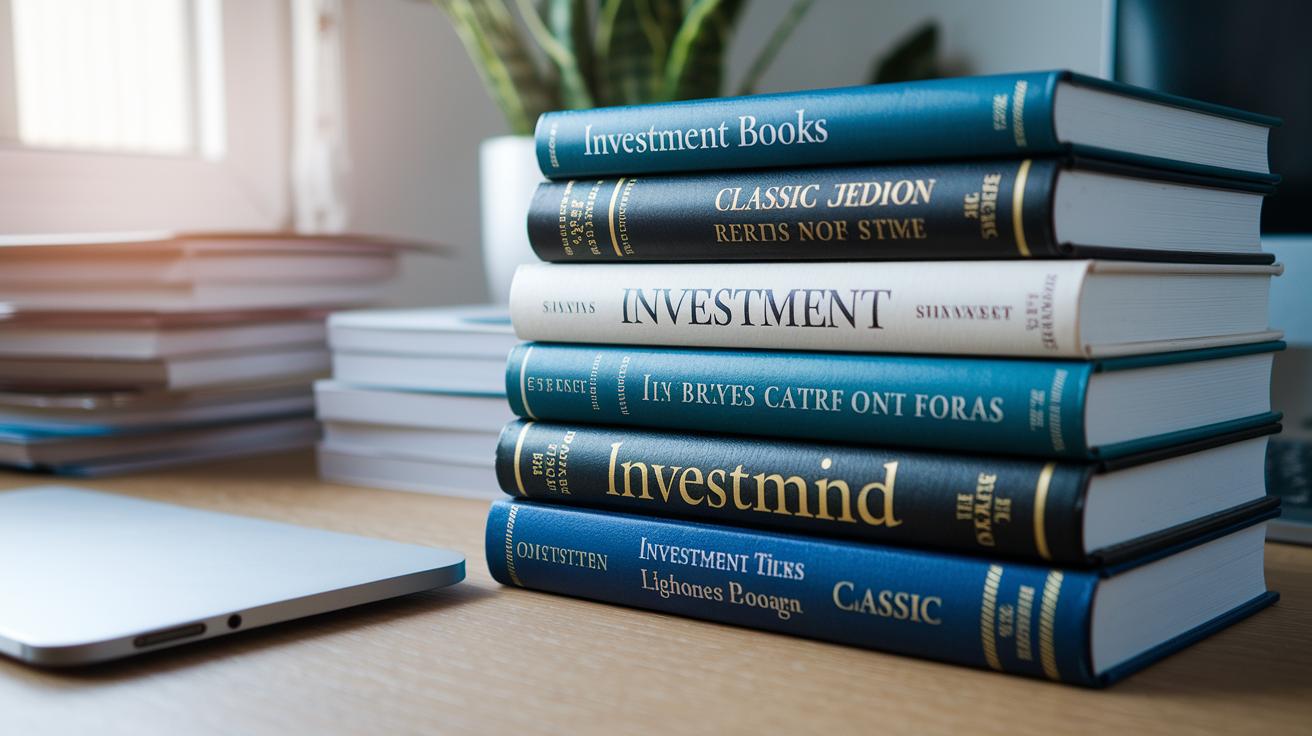
Warren Buffett keeps his investment tips simple and clear. He sticks to low-cost S&P 500 index funds and always looks for a strong "margin of safety", a kind of cushion to protect your money. Remember his famous advice: "Be fearful when others are greedy, and greedy when others are fearful." It’s a reminder to stay calm and smart, no matter what the market is doing. Protecting your investments with a good safety net is a tried-and-true method that Buffett swears by.
Influence of Investment Literature
Buffett’s smart approach comes from reading classic investment books. He learned from titles like Benjamin Graham’s The Intelligent Investor, Graham & Dodd’s Security Analysis, and Phillip Fisher’s Common Stocks and Uncommon Profits. These books taught him how to read financial reports and understand the natural ups and downs of the market. They helped him know exactly when to jump in and when to hold back.
Fun fact: Before starting Berkshire Hathaway, Buffett learned from experienced investors, and their insights shaped his long-term strategy.
Warren Buffett Investment Strategy: Smart Moves for Success
If you're new to investing, start with the basics. Think of building your portfolio like making a hearty meal where every ingredient matters. Begin with trusted, low-cost index funds or blue-chip stocks that form a solid base, just like having your daily bread.
Then, try to spread your money evenly and set up auto-investments. This way, you don’t have to stress about timing the market perfectly. It’s like saving a little bit each month regardless of the ups and downs. With dollar-cost averaging, you naturally buy more shares when prices drop and fewer when they go up, kind of like stocking up on your favorite fruits when they’re on sale.
Next, reinvest any dividends you earn. Picture this as planting new seeds in your garden so your money can grow even more over time thanks to the magic of compounding. And don’t forget to keep a small stash of cash, around 5–10% of your assets, for unexpected opportunities or expenses. It’s your financial safety net, ready to catch you when things get rough.
Lastly, give your portfolio a once-over each year. Just like a farmer checks the soil before planting, a quick annual review will help you stay on track and ready for changes.
| Step | Action |
|---|---|
| 1 | Choose reliable index funds and blue-chip stocks |
| 2 | Spread your investment evenly and use auto-investments |
| 3 | Apply dollar-cost averaging every month |
| 4 | Reinvest your dividends automatically |
| 5 | Keep a cash reserve of 5–10% of your assets |
| 6 | Review your portfolio’s fundamentals annually |
Comparing Buffett’s Value Approach with Modern Strategies

Buffett’s way of investing is refreshingly different from many of the modern techniques we see today. He focuses on finding strong, well-run companies at fair prices and holding onto them for the long haul. This stands in stark contrast to strategies that chase fast, short-term gains. Many investors these days are drawn to active trading or buzzworthy trends like ESG mandates, but Buffett keeps things simple by zeroing in on solid balance sheets and steady earnings. It’s like choosing a reliable old car over a flashy new sports model, you know it will keep going no matter what.
There’s also a big trend toward passive investing, especially with index funds. Buffett himself has been a strong supporter of index funds, noting that they provide a dependable route for many. This view challenges complex quantitative models and short-term market predictions. He cautions against trying to time the market, insisting that sticking with a long-term plan is the real secret to building wealth.
Even when it comes to tech, Buffett stays true to his strengths. When he invested in Apple, he didn’t jump into the hype of high-flying tech stocks. Instead, he chose a company with robust fundamentals, showing that you can practice disciplined value investing even in a tech-heavy world. This solid, measured approach is a clear counterpoint to ESG-focused strategies, where sometimes values can edge out hard financial numbers.
Today’s modern strategies, whether through active funds or chasing the latest growth stocks, often involve lots of trading and constant tweaking of portfolios. In contrast, Buffett’s patient method minimizes extra costs and takes full advantage of how returns can compound over time. His focus on what a company is truly worth and its competitive edge acts as a safety net during market ups and downs. This shows that smart, disciplined investing can stand the test of time.
In essence, while market trends and new technologies may spin around us, the simple, reliable principles that Buffett holds dear continue to offer a trustworthy route to long-term success.
Final Words
In the action, this article broke down Buffett’s core approach from value investing fundamentals to risk management tactics. We walked through the importance of a margin of safety, long-term holding philosophy, and smart asset allocation. Each section shed light on mistakes, literature, and step-by-step guidance for a beginner’s portfolio. With insights into how today's methods compare, the ideas in the warren buffett investment strategy can power smart moves for your future investments. Keep your eyes on quality and stay ready for positive outcomes.
FAQ
What does a Warren Buffett investment strategy book or PDF cover?
A Buffett investment strategy book or PDF explains his method of buying quality companies below their intrinsic value, emphasizing a patient, long-term approach with a margin of safety.
What is Warren Buffett’s investment strategy?
Warren Buffett’s investment strategy focuses on finding quality businesses at attractive prices, holding them over many years, and using a margin of safety to protect against losses.
What should beginners know about Warren Buffett’s investment strategy?
For beginners, Buffett’s approach means starting with low-cost index funds or blue-chip stocks, using dollar-cost averaging, reinvesting dividends, and keeping a cash reserve as a safety net.
What are Buffett’s 70/30 and 90/10 rules?
The 90/10 guideline reflects Buffett’s practice of holding most investments in quality stocks while maintaining significant cash reserves, whereas the 70/30 rule is less emphasized in his core strategy.
What are the five key investing rules according to Warren Buffett?
Buffett’s top rules include investing in quality companies, maintaining a long-term view, ensuring a margin of safety, reinvesting earnings, and avoiding impulsive market moves.
What is the Buffett value investing formula?
Buffett’s formula involves calculating a company’s intrinsic value using methods like discounted cash flow, assessing economic moats, and buying stocks at a significant discount to that value.
What makes up Warren Buffett’s investment portfolio?
Buffett builds his portfolio by selecting companies with durable competitive advantages, such as strong brands and reliable management, and he holds these stocks for the long term to maximize growth.
What are the 10 Golden Principles of Warren Buffett?
The 10 Golden Principles outline Buffett’s key practices like disciplined investing, patience, risk management, and the constant search for value, often detailed in downloadable PDFs.
How do other eminent investors relate to Buffett’s approach?
While figures like Benjamin Graham, Charlie Munger, Bill Gates, Jeff Bezos, and Mark Zuckerberg offer diverse perspectives, Buffett’s focus remains on practical value investing and long-term market fundamentals.