
Have you ever thought that a simple alert might spark a smart trade? Trading signals do more than just give advice, they show you when to jump in and when to step aside. They mix hard number-crunching with up-to-the-minute market news, almost like a friend sharing a great tip. It’s amazing how one timely signal can turn a moment of doubt into a chance for profit.
In this post, we’re going to chat about what trading signals really are, check out how both people and computers use them, and explore why they might change the way you approach the market.
Trading Signals Explained: Definitions, Models, and Real-World Examples
Trading signals are simple alerts that tell you when it might be a good idea to buy or sell an asset. They use both number-crunching techniques (technical analysis) and market news (fundamental analysis) to give advice. Think of tools like moving averages, RSI, MACD, Bollinger Bands, and Fibonacci retracements as the helpers behind these signals. For instance, one trader once shared, "A moving average crossover alerted me to buy just before a big price jump, it turned hesitation into profit." This shows how turning data into decisions can really pay off.
Some signals come from experts who watch the market closely, study news, and check trading volumes. This human touch adds context that a computer might miss. On the flip side, automated signals are made by computer programs that scan heaps of data in an instant. These systems send smart alerts for trades or even forex moves, letting traders act quickly when every second counts.
The length of signals can vary a lot depending on the trading style. Scalping signals might last only a few seconds, capturing quick bursts of market movement. Day-trading signals can last from several minutes to an entire trading session. Swing signals stick around for weeks as trends develop, and position signals might even last for years to follow longer-term shifts. One trader mentioned, "Instant buy/sell alerts gave just the right nudge to jump on a sudden surge," perfectly summarizing how timely these alerts can be.
These signals work across different types of assets too. Whether you're trading stocks, forex, cryptocurrencies, or commodities, there's a signal for you. Traders interested in cryptocurrencies can also get day-trading tips that mix well with traditional market advice. This wide range of use makes trading signals a handy tool for matching your strategy to ever-changing market moods.
Manual vs. Algorithmic Trading Signals
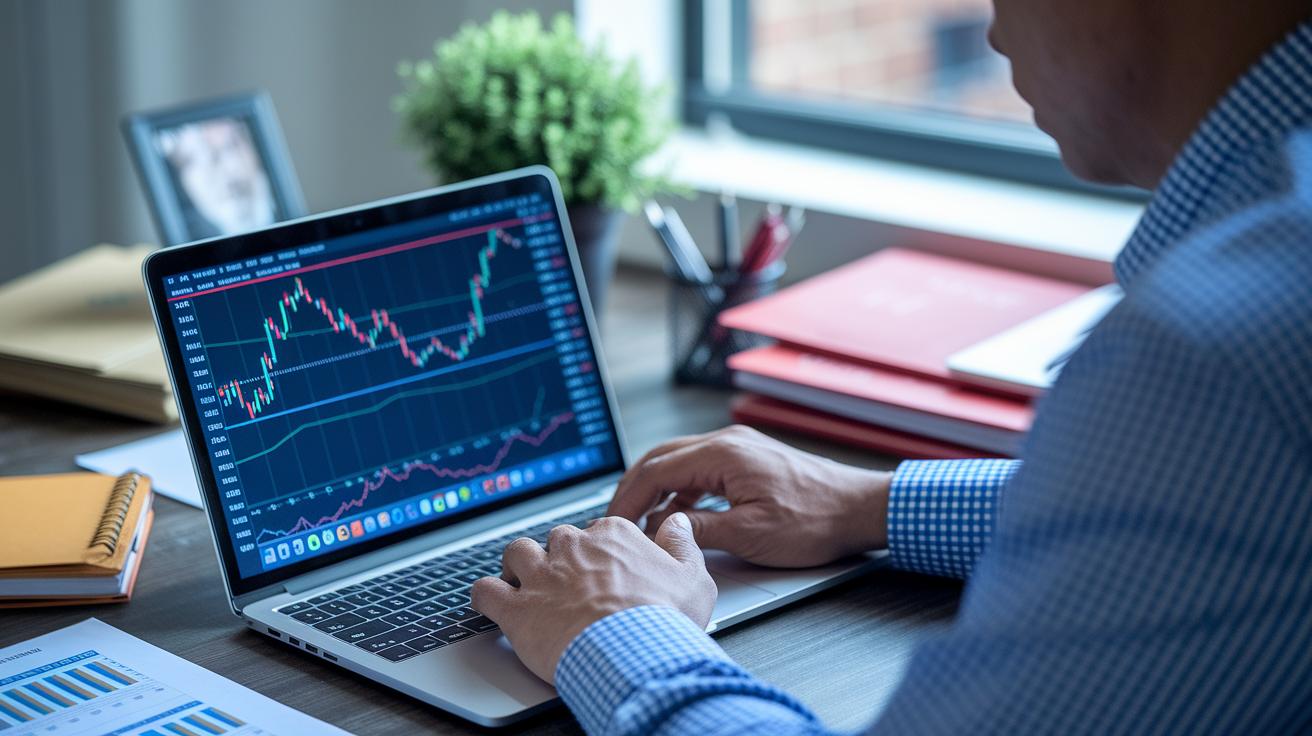
Manual signals come from seasoned analysts who study market trends, economic events, and sudden jumps in trading activity. These professionals lean on real market insights and trusted financial tools to back up their calls. For example, an analyst might notice a spike in trading volume right after a big economic announcement and then recommend a trade. This human touch captures the real conditions of the market, something that a machine might easily miss.
Algorithmic signals, by contrast, are created by computer programs or machine-learning models. These systems quickly scan huge amounts of data and send out trade alerts at lightning speed. They’re great when the market is moving fast. Still, the quick pace can sometimes lead to mistakes, so it’s wise to check these signals with trusted machine learning methods as part of a broader review.
Smart traders know that neither approach is perfect on its own. Relying only on fast, automated signals might lead to too many trades, while manual signals could be a bit slower when the market shifts rapidly. Combining the careful, human insight of manual signals with the speed of algorithmic cues often gives a clearer view of the market. Always remember to double-check those quick alerts with your own careful market research.
Trading Signals Mechanics: Indicators, Patterns, and Analysis
Trading signals blend simple technical tools with familiar chart patterns to help you decide when to buy or sell. They take detailed market data and turn it into clear, easy-to-understand advice. For example, when a short-term moving average meets a long-term one, it might signal a change in trends. And when you see certain candlestick formations, they can highlight sudden shifts in price. It's like turning the buzz of market chatter into a clear call on what to do next.
- Moving Average Crossover: When the 50-day moving average crosses the 200-day moving average, it usually confirms that a trend is shifting.
- RSI Levels: If the RSI reads above 70, the market might be too expensive; below 30, it could be too cheap.
- MACD Crossovers: A crossover between the fast and slow lines hints that the market’s momentum could be changing.
- Bollinger Bands & Fibonacci: Band squeezes and Fibonacci retracement levels can point to potential bursts of price movement.
- Chart Patterns: Classic patterns like Head-and-Shoulders, Double Tops/Bottoms, and Triangles offer clues about upcoming reversals.
- Candlestick Patterns: Formations such as Hammer, Shooting Star, and Bullish or Bearish Engulfing can give off early price signals.
- Volume Spikes & CoT Reports: A sudden bump in trading volume or changes in trader commitment might trigger an alert.
- Supporting Tools: Extras like a Currency Strength Meter or an Economic Calendar add another layer of insight to your market view.
By mixing these techniques, you turn raw numbers and complex charts into straightforward alerts. This helps you adjust your trades quickly and confidently, empowering you to make smart, timely decisions in the ever-changing market.
Trading Signals Benefits and Risks

Trading signals bring some neat benefits to the table. They basically simplify the hustle of market analysis by turning complicated data into easy-to-understand alerts. It’s like having a friend give you clear, step-by-step guidance that helps cut through the noise, especially when you’re just getting started. These signals also work as steady prompts to help you stick to a smart, calm trading plan.
But, there are a few bumps along the road. Sometimes, the alerts might be off or not match what’s happening in the market. Relying on them too much without doing your own homework can lead to too many trades, higher costs, and more exposure to sudden market shifts. That’s why it’s smart to use signals as just one part of your broader trading strategy.
It’s important to check out the history of your signal provider to see how accurate they really are. Going over their performance stats and matching these insights to your own risk comfort can make a big difference. And by pairing these alerts with stop-loss orders and careful position sizing, you can help safeguard your trades and make the whole process more efficient.
Trading signals Spark Profitable Market Moves
Trading signals can really help you spot the best moments in the market. A good provider backs up every tip with a clear record of past wins. When you check out the details and read independent reviews, make sure everything looks open and honest. That way, you can feel confident that each signal comes from tried-and-tested market wisdom.
Prices for signal services vary a lot. Some folks offer free alerts, while others have tiered plans or simple monthly or yearly subscriptions. It’s smart to compare these costs with real performance reviews and user feedback. This helps you decide if a service will work well for your long-term trading plan.
Many providers also include extra tools. Look for cool features like live analyst streams, Forex heatmaps (which show how different currencies are moving), economic calendars, or even access to a full Trading Academy. These added features can give you more market insights and help sharpen your trading strategy.
Even though free alerts might be tempting, they often miss the clear track record and accountability that paid services provide. Depending only on free signals can lead to unsteady decisions. So, mix in your own market research and proven risk management techniques to keep your trading both smart and secure.
Trading signals Spark Profitable Market Moves

Before you follow any trading signal, take a moment to double-check it with your own research. Make sure to review your charts and keep an eye on the latest market news. For example, if a signal suggests it’s a good time to enter the market, look at simple tools like moving averages to see if the market momentum is really in your favor.
Keep your trades safe by using clear rules to manage risk. Set orders like stop-loss to protect you if the market goes the wrong way and take-profit orders to lock in gains. Adjust your position sizes so they match your comfort level with risk. It’s like putting on a seatbelt before you start driving, it just makes sense.
Test your strategy by checking signals in different market conditions before you commit real money. Try them out in a demo account or compare them to old market data to see how they perform when the market is busy or calm. This blend of automated alerts and your own checks helps you build a stronger, more reliable trading plan.
Final Words
in the action, the post broke down trading signals into simple pieces. It explained what these alerts mean, whether they're manual or automated, and highlighted key technical indicators like moving averages and RSI for quick market clues.
The article touched on benefits, risks, and how to mix these signals into a broader trading plan. It also offered advice on choosing reliable providers and subscription models.
Keep your research thorough and stay confident with trading signals.
FAQ
Q: What are the common formats used to deliver trading signals?
A: The question about delivery formats means trading signals may come as free alerts, live updates, PDFs, charts, Telegram messages, or bot notifications. Each option offers distinct features for real-time trade guidance.
Q: What are Forex trading signals?
A: The question on Forex trading signals means these alerts specifically guide when to buy or sell currency pairs based on technical and fundamental analysis, helping traders make decisions in the currency market.
Q: What are examples of trading signals?
A: The question on examples shows trading signals can include moving average crossovers, RSI overbought/oversold alerts, MACD line crossovers, and chart patterns like head-and-shoulders that signal potential trade opportunities.
Q: Which is the best signal in trading?
A: The question about the best signal means no single signal is superior. The ideal signal is one that aligns with your trading strategy, research, and risk controls, offering clear, actionable guidance.
Q: What is the 90% rule in trading?
A: The question on the 90% rule means many trades may not be profitable, highlighting the need for strict risk management and careful validation of signals rather than relying solely on high win percentages.
Q: Do trading signals actually work?
A: The question on signal effectiveness means trading signals can aid decision-making when paired with personal research. Their success relies heavily on the signal provider’s accuracy and the trader’s risk management skills.
Q: Can AI give trading signals?
A: The question on AI trading signals means advanced models can generate alerts rapidly using data-driven analysis. However, traders should verify these outputs independently to balance automated insights with personal judgment.