
Ever wonder if a computer could outsmart you at trading? Trading bots run all day, sticking to clear rules as they buy and sell in stocks, crypto, and forex. They move quickly and keep feelings out of the mix, which helps make each trade more steady. In this post, we chat about how these bots work, share what makes them useful, and even point out a few things to keep in mind. Curious to see how smart trading tools might boost your daily profits? Let's dive in.
What are Trading Bots and How They Work
Trading bots are smart programs that work around the clock using set rules to trade different assets like stocks, crypto, and forex. They connect easily with platforms such as TradingView and TrendSpider, so you can see clear signals and process orders smoothly. This means you don’t have to watch the markets non-stop, and these bots can handle a lot of trades at once, even when things get busy.
Many of these bots run on advanced artificial intelligence, which helps them learn and adjust on the fly. For instance, bots like Trade Ideas’ Holly and Money Machine keep testing new strategies with live market data so they can react to changes every day without someone managing them constantly. Sure, they gut emotions from your trading decisions, which is a big plus, but it’s important to know that their success really depends on the quality of the data and rules they use.
Key benefits include:
• Faster trade execution that makes manual order placement a thing of the past.
• Decisions free of emotional spurts, reducing those unpredictable, impulsive moves.
• Constant operation that never takes a break, keeping you in the game 24/7.
There are a couple of limitations to keep in mind:
• They rely heavily on high-quality data and backtesting, which isn’t always perfect.
• Extreme market events that stray from past trends can still catch them off guard.
Trading bots work best when they’re part of a broader strategy. They’re great for traders juggling different types of assets and looking to keep a cool head during volatile times. At the end of the day, it pays to use them with care, always back up your strategy with solid risk management and thorough testing to steer clear of surprises.
Key Categories of Trading Bots: Crypto Robots to Forex Execution Systems

Trading bots are smart tools that help manage your trades automatically. They work in markets like crypto, forex, and stocks, letting you focus more on planning and less on constant monitoring. Imagine having a friendly assistant that takes care of the routine tasks so you can enjoy a cup of coffee while your strategies run in the background. Platforms such as Trade Ideas and TrendSpider make it super simple to get started with these bots. Picture a bot that handles crypto trades while also giving you timely signals for U.S. stocks, all thanks to smart automation.
| Category | Example Platform | Market | Main Feature |
|---|---|---|---|
| Crypto Robots | Cryptohopper | Crypto | Smart algorithms and training for strategies |
| Forex Robots | WunderTrading | Forex & Crypto | Uses statistical analysis and risk controls |
| Stock Automation Software | Trade Ideas | U.S. Equities | AI-generated signals (like “Holly”) |
| Algorithmic Crypto Systems | PionexGPT | Crypto | Converts plain language ideas into trading strategies |
Each of these bot types is designed to meet different trading needs. For example, crypto bots are great at catching quick market moves and can work around the clock. Forex bots excel by placing orders fast in a market where every second matters. Stock automation software gives you real-time signals, keeping you in tune with market trends. And then there are algorithmic systems that let you simply type your idea and see it transform into a working strategy. In truth, these tools give you the flexibility to choose a trading style that fits your focus and personality.
Top AI-Powered Trading Bots Reviewed for 2025
Cryptohopper offers smart algorithm intelligence that mixes several trading strategies into one adaptable system. It’s always testing and tweaking its methods, so you can easily fine-tune your approach. Plus, you even have the option to train it with your own insights. Think of it like a well-practiced team that learns every day, ready to support you around the clock.
WunderTrading uses clever statistical techniques like arbitrage and mean reversion (methods that spot profitable opportunities) to handle trades efficiently. It comes with essential risk tools such as take profit, stop loss, and trailing stops. And the best part? There’s a free trial so you can explore its features in real-time trading. Imagine it as a smart toolbox built to keep your strategy both safe and effective.
Kryll was once a top pick for automated trading, but changes in regulations forced a shift in how it operates. The service had to shut down to meet new market rules, a reminder to keep an eye on regulatory updates even for advanced trading systems.
AlgosOne harnesses machine learning, neural networks, and natural language processing (tools that help interpret data, news, and market trends) to craft predictive models. It even includes a built-in reserve fund designed to cushion against sudden market drops. Picture it as a system that not only reacts to current data but also plans ahead for a fuller view of market movements.
PionexGPT makes trading straightforward by letting you express your ideas in plain language, which it then turns into actionable strategies. With smooth integration with Signal Bot and TradingView, you can see how your plan unfolds in real time. This streamlined design cuts out the technical hassle so you can keep your focus on trading smartly.
Strategies and Setup: Building or Configuring Your Trading Bot

When you sit down to set up your trading bot, you really have two paths. You can pick a ready-made configuration from well-known platforms like StockHero. These platforms offer an easy wizard that connects you with brokers such as TradeStation, Webull, E*TRADE, and Robinhood Crypto. Or, if you like the idea of complete control, you might build your bot from scratch using Python frameworks like CCXT or a custom IDE such as TrendSpider’s. Imagine coding a bot that adapts like a seasoned trader in real time, it can feel both exciting and empowering.
First, start by defining your trading strategy. Whether you’re leaning towards trend-following, arbitrage, or grid trading, think of it like setting a financial compass that points you in the right direction.
Next, decide if you want to use a platform or a Python framework. For example, choose an IDE that lets you see your code and your backtesting results side by side. It’s a bit like looking at a map and adjusting your route as you go.
Then, gather your market data feeds and secure your broker API keys. This step is like collecting all the best ingredients before baking a perfect trading recipe.
After that, code your bot and set up your trading parameters. This includes rules for take profit, stop loss, and trailing stops. Think of it like setting boundaries in a fun game, you keep everything orderly and safe.
Once you’re ready, backtest your bot using simulation environments. Run these simulations to see how your bot might perform when the market gets busy. It’s just like practicing a speech before you step on stage.
Before you go live, deploy the bot in demo mode. In this safe mode, you can watch in real time how it reacts, all while using pretend money, so you’re not taking any real risks.
Remember, building a trading bot is an ongoing process. Just as market conditions change, a little tweaking here and there can make your bot even sharper. Review its performance, listen to what the data tells you, and adjust as needed. This hands-on, step-by-step process helps you create a trading bot that can grow and adapt with the market.
Risk Management, Testing, and Performance Benchmarking
Running back-tests and simulations is really key for making sure your trading bot can handle the ups and downs of the market. They let you see how your bot performs in different pretend market scenarios before you risk real money. It’s like a dress rehearsal that shows you where your strategy might need a tweak. Many platforms even come loaded with risk management tools, offering settings for Take Profit, Stop Loss, and Trailing Stops. And platforms like AlgosOne throw in a reserve fund to help protect against big losses. This hands-on practice not only boosts your confidence but also helps you fine-tune your bot for actual trading.
Here are some key points to keep in mind:
- Take Profit and Stop Loss rules
- Trailing stop mechanisms
- Maximum drawdown limits
- Reserve-fund buffers
- Regular strategy re-optimization
After you’ve tested your bot thoroughly, the next step is to look at its performance. Metrics like the Sharpe ratio, win rate, and maximum drawdown give you a clear picture of how sturdy and efficient the bot really is. The Sharpe ratio shows how much extra return your bot earns compared to the extra risk it takes on. The win rate tells you how often the bot makes successful trades, while the drawdown metric reveals how deep losses can get during tough market conditions. With these insights, you can compare different bots and strategies to find one that fits both your financial goals and your comfort level with risk.
Broker Integrations and Demo Modes for Secure Bot Deployment
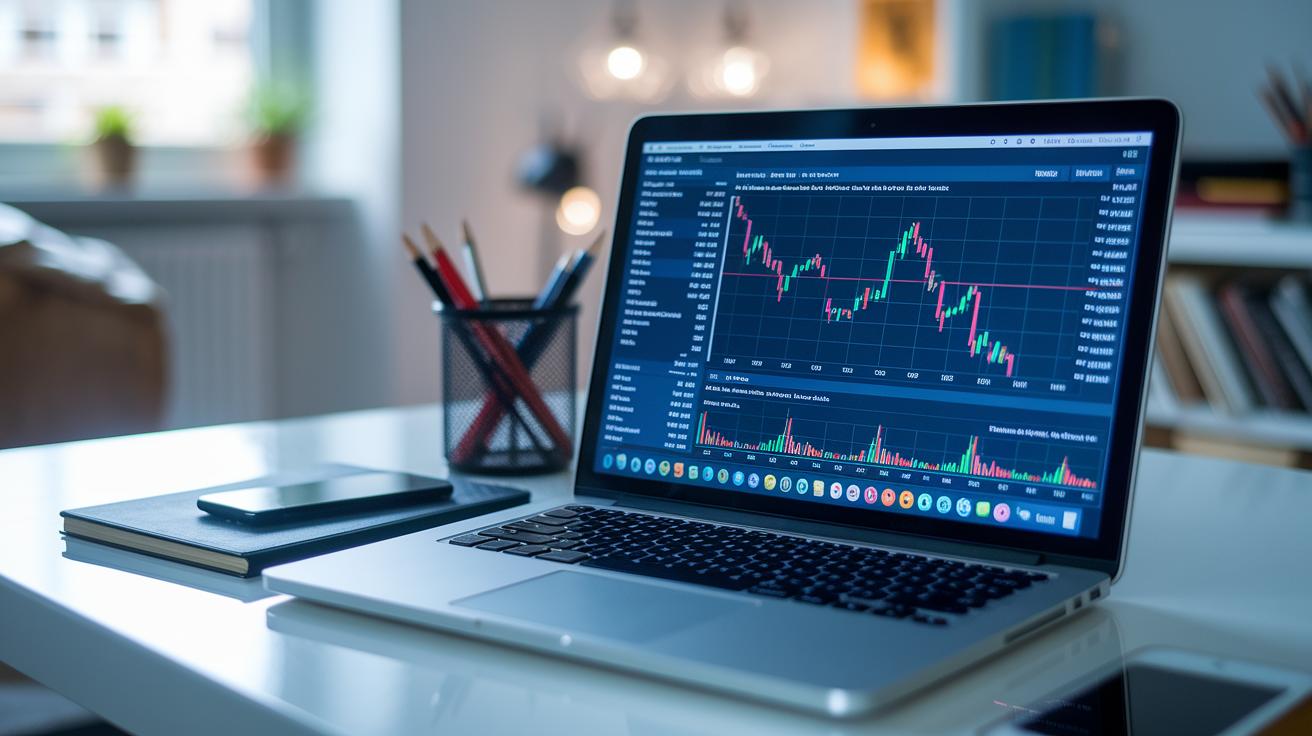
When you’re working with trading bots, a steady connection with familiar brokers makes all the difference. Secure API integration acts like a safe bridge, ensuring your bot can place orders accurately while keeping your information secure. Think of it as linking your bot directly to the bustling market, so your trades happen fast and safely.
Platforms like StockHero and TradingPost show how smoothly these connections can work. They connect with several brokerage services, giving you peace of mind that you’re in control of your accounts while enjoying quick execution rates. Here are some brokers often used in these setups:
- TradeStation
- Webull
- E*TRADE
- Coinbase
- Interactive Brokers
Using demo modes with these integrations is a smart move. Imagine it as a trial run where your bot trades with simulated money under real market conditions. This lets you see how your strategy holds up without risking your funds. It’s a hands-on way to fine-tune your settings and build confidence before trading with real capital.
Pricing, Plans, and Selecting the Right Trading Bot
When picking a trading bot, think about what you need and how much risk you're comfortable taking. Some platforms let you try out simple features for free, while others charge a subscription fee for extra tools. For example, if you're just starting out, StockHero’s free bot wizard might be your best friend. On the flip side, experienced traders might enjoy Trade Ideas’ AI signal engine. It’s all about matching your budget with the right mix of features, whether you’re after a basic starting tool or a more advanced, robust system.
| Platform | Free Plan? | Pricing Range | Notable Feature |
|---|---|---|---|
| StockHero | Yes | $0–$30/mo | Basic bot wizard |
| WunderTrading | Trial only | $29–$99/mo | Statistical arbitrage tools |
| TrendSpider | No | $55–$99/mo | Multi-asset charting & backtesting |
| Trade Ideas | No | $118–$228/mo | AI signal engine |
When you're weighing free plans against paid ones, think about what you really need. Free options can handle the basics and let you test the waters, but they might miss out on advanced analytics or speed. Paid plans, even though they cost more, usually offer better market tools, quicker order processing, and deeper strategy automation. In short, look at both the cost and the benefits to decide which option fits your trading style and budget.
Future Trends in Trading Bots and Advanced Automation

These days, trading bots are getting a real upgrade by using smart tech like reinforcement learning and real-time signal processors. Think of it as a bot that learns with every trade, tweaking its moves based on fresh market data, kind of like a friend who picks up on little clues that others might miss. With this approach, bots aren’t stuck with one plan, they adjust things like risk controls and entry points on the fly, making trading more nimble and in tune with the market’s mood.
Cloud-native, modular designs are also turning heads by letting you build custom, multi-strategy setups. Imagine using a cloud system that lets you run multiple trading strategies at once, whether you’re into quick scalping or riding out long-term trends. It’s like mixing and matching tools to fit your unique style. And with brokers rolling out more AI goodies, such as FirstradeGPT, you can look forward to even deeper insights and trading setups that feel tailored just for you.
Final Words
In the action, this article explored the ins and outs of trading bots, from defining how automated systems can streamline asset management and reduce emotional mistakes to reviewing AI-powered examples across stocks, crypto, and forex. It walked through setup steps, risk checks, broker connections, and even cost considerations. This breakdown helps you grasp risk management techniques while keeping market insights top of mind. Armed with these insights, you can confidently approach your trading strategy with a fresh perspective and a strong foundation in trading bots.
FAQ
What are automated trading bots?
The automated trading bots are software programs that execute trades based on preset strategies. They work across different assets like stocks, crypto, and forex to speed up order placement and reduce emotional decisions.
How do trading bots work in Forex trading?
The trading bots in forex monitor currency movements with algorithm-based strategies, allowing orders to be placed quickly and without emotional interference, which helps maintain consistency in fast markets.
Are free trading bots worth using?
Free trading bots offer a starting point by automating basic order execution. They provide useful insights for beginners, though they may lack the advanced features found in premium systems.
How do AI trading bots differ from regular ones?
The AI trading bots use machine learning to adjust their strategies in real time. They continuously analyze data, which can help adapt to market changes more dynamically than traditional bots.
Do trading bots actually work and deliver results?
Trading bots can work well by executing orders quickly and without emotion. Their effectiveness relies on high-quality algorithms, reliable data, and consistent market conditions for optimal performance.
Are trading bots legal in the US?
Trading bots are legal in the US, provided they comply with trading regulations and exchange rules. It’s wise to consult with your broker for any specific guidelines related to automated trading.
What’s the most successful trading bot?
No trading bot is guaranteed to be the most successful universally, as performance depends on market conditions, strategies, and user settings. Reputation and track record are key when evaluating choices.
Which AI trading bot is regarded as legit?
Regarded as legit, AI trading bots include well-respected names like Cryptohopper and Trade Ideas’ Holly. Their proven performance and positive reviews highlight their reliability in automated trading.
What platforms support trading bots and integrations?
Several platforms support trading bots, including Binance, Coinbase, Bybit, and KuCoin. These exchanges offer secure API connectivity that allows bots to trade across their markets efficiently.