
Have you ever noticed that some traders just seem to know what's coming next? High growth stocks can move so fast that it’s hard to tell if a change is a real signal or just random noise.
One way to cut through the confusion is by using technical analysis tools. They turn a bunch of raw numbers into simple charts that are easy to follow, kind of like having an uncomplicated map when you’re lost in a maze.
Today, let’s chat about how these tools can help smooth out the wild ups and downs of high growth stocks. With a clearer view, you might find it easier to spot those exciting opportunities in the market.
Essential Technical Analysis Tools for Tracking High Growth Stocks
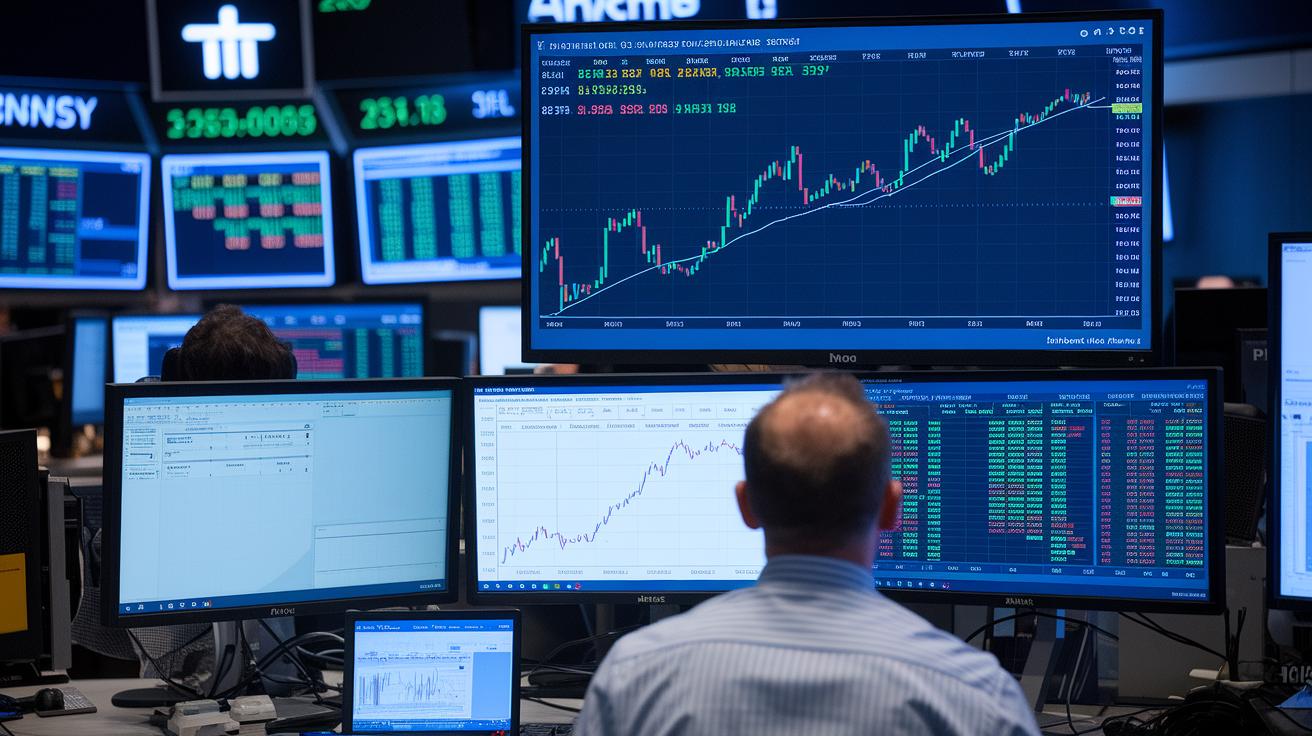
High growth stocks can jump up and down quickly, making it hard to tell important market signals from everyday noise. Technical tools step in by turning raw market numbers into clear, real-time insights. Think of it like watching the busy flutter of activity in Palantir’s Q1 reports, these tools help you spot trends and possible turns at just the right moment.
Free sites like Yahoo Finance and Finviz are great for beginners because they provide basic charts and data. But when the market gets wild, these tools might not offer the detailed information you need. On the flip side, premium options like VectorVest and Thinkorswim give you precise, real-time data and advanced features. They support more complex strategies, though they do come with a higher price tag.
- Real-time data feeds
- Advanced indicators
- Screeners
- Alert systems
In short, technical analysis tools are key for managing risks and grabbing market opportunities. They blend simple trend methods with special markers to help you navigate even the most unpredictable market days.
Real-Time Charting Platforms for Growth Stock Analysis

Charting platforms help traders stay on top of market moves by turning raw numbers into easy-to-read visuals. They mix live data with displays you can personalize, so you can quickly spot trends and patterns that matter.
TradingView
TradingView is a favorite among investors. It comes with over 100 built-in indicators and a lively community of people sharing their own scripts. This huge library makes it simple to pick up chart patterns and try out your own ideas alongside what others are doing. Many premium users love how it fits in with other financial tools. If you’re looking to extend your setup, check out software for financial analysis at https://tradewiselly.com?p=285.
StockCharts
StockCharts stands out for its variety of chart types, including candlestick, line, and bar charts. It offers custom indicator options so you can adjust the visuals to match your strategy. This means even the smallest shifts in stock trends are easy to notice.
Koyfin & YCharts
Koyfin goes beyond basic charts. It covers a wide range of assets and lets you explore financial statements, margins, and ratios. This detailed view helps you get a better sense of a company’s financial health. Its features for calculating growth and other key metrics make it a solid tool for in-depth analysis.
YCharts, on the other hand, focuses on the bigger picture. It zeroes in on macro data and overall market trends. By blending core financial figures with economic signals, YCharts helps you read between the lines. Together, Koyfin and YCharts give you both the fine details and a broad market view.
| Platform | Key Features | Pricing |
|---|---|---|
| TradingView | Indicator library, real-time data, community scripts | Subscription-based |
| StockCharts | Multiple chart types, custom indicators | Tiered plans |
| Koyfin & YCharts | Financial statement charting, macro data integration | Subscription-based |
Technical Indicators and Pattern Recognition for High Growth Stocks

Using different signals can help you understand stock behavior better. When you mix several tools, you turn complex market data into clear clues that guide your next steps. Think of it like solving a puzzle, each hint you get makes the full picture a bit clearer. Many traders build their plans by combining chart patterns with key measures to create a reliable system. For more information on these techniques, check out this article on technical analysis of financial markets.
- Moving Averages – These smooth out price swings to show trends over time. They track the average of past prices, so you can easily see if a stock is trending up or down.
- RSI – The Relative Strength Index watches how fast prices are moving. It gives a hint if a stock might be too high or too low, helping you spot when a turnaround might be near.
- OBV – On-Balance Volume makes sure that price moves match the number of shares traded. This tool can confirm trends by showing if a move is backed by strong trading activity.
- Fibonacci – Using Fibonacci retracement levels can help you guess where a price might pull back. This tool gives you ideas for when to enter or exit a trade.
- Candlesticks – These charts show patterns, like Doji or engulfing shapes, that can signal changes in trends. Their visual style makes it easy to spot levels of support and resistance.
- Breakout Signals – These alerts pop up when a stock price moves out of a set range. They often signal the start of a fresh trend or the end of a period of little change.
Imagine a stock that suddenly makes a sharp move. Its price crosses a moving average, the RSI shows overbought conditions, a Doji appears on the candlestick chart, and a breakout signal lights up your screen. When all these signals come together, they give you a clearer view than any one sign alone. This combined approach helps you make smarter trading decisions even when the market is moving fast.
Screening and Backtesting Tools for High Growth Stock Selection
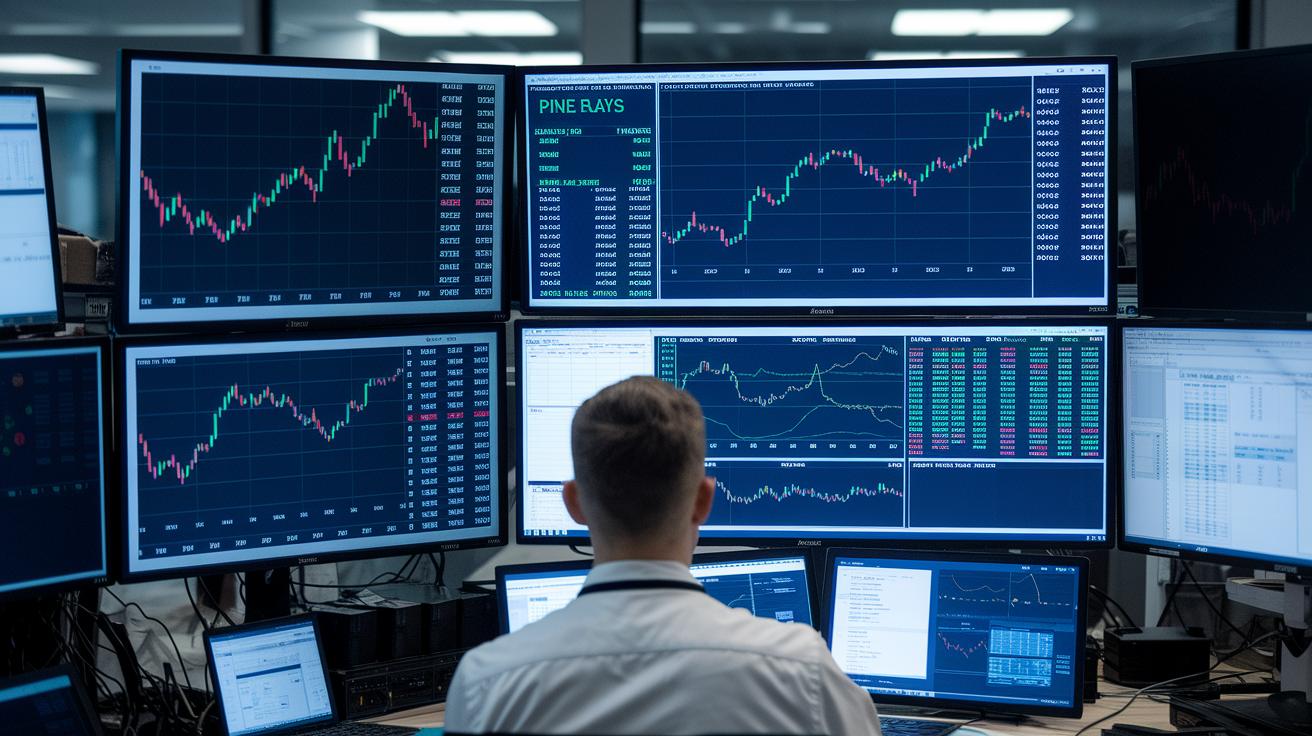
High growth stocks need tools that do more than just scan live data – they must also check if an investment plan would have worked in the past. Investors often use real-time technical screeners to quickly spot opportunities while relying on backtesting to see if their strategies held up under previous market conditions. Platforms like Finviz are great for filtering options by things like momentum, P/E growth, and market patterns. And with TradingView’s Pine Script or Stock Rover, you can simulate trades to review past performance, so you feel more sure about your next move.
- Momentum filters
- Earnings growth filters
- Candlestick patterns
- Sector performance overlays
- Volatility breakouts
Using a process like the one at https://cipherreview.com?p=2775 can really boost your strategy’s reliability. The trick is to use clean data, run your tests with real-world scenarios, and keep your backtest updated as market conditions shift. By regularly fine-tuning your technical screeners and mixing in different historical data, you'll build a solid plan that stays strong even when high growth stock markets move quickly.
AI-Powered and Automated Features in Technical Analysis Tools
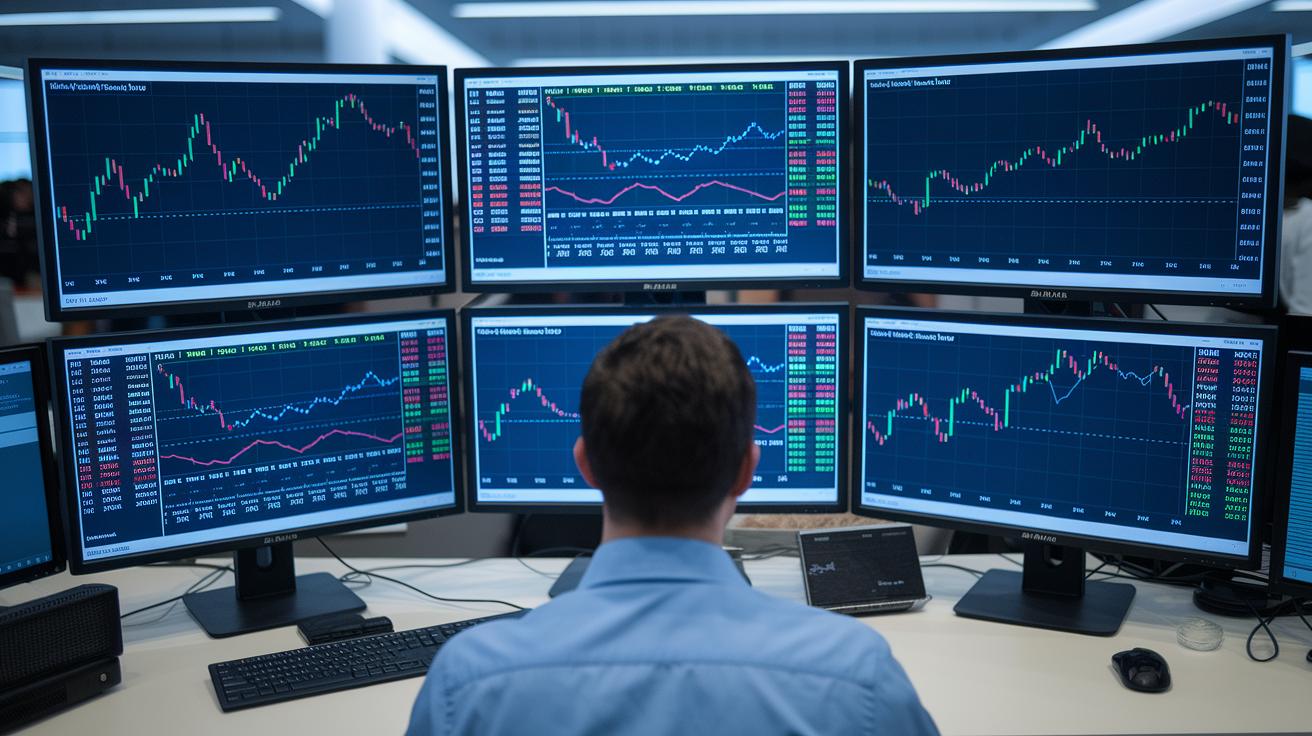
AI has completely changed the way investors spot market patterns and make quick decisions. It sifts through complex data at lightning speed, turning traditional technical analysis into an automated, efficient process. This means you get near real-time insights that clear away the noise, helping you stay ahead when the market shifts rapidly. For more on how old-school methods stack up against these modern AI benefits, check out technical analysis of financial markets.
TrendSpider
TrendSpider brings a neat feature called the AI Strategy Lab that automatically detects trendlines. Using smart algorithms, it tracks chart patterns that would normally need hours of manual work. This tool flags potential market turning points so you can spend more time crafting your strategy and less time tweaking charts.
Trade Ideas
Trade Ideas employs a system known as Holly AI, which runs over 60 different algorithms to offer trading signals in real time. It quickly scans various market factors, spotting opportunities and highlighting risks along the way. With these AI-driven pointers, you’re in a better spot to act fast, even during volatile market swings.
- Recognizes familiar patterns in market data
- Provides analysis across multiple time frames to give you a clear overall view
- Suggests potential trade entries based on AI insights, helping shape your strategy
- Automatically sends alerts when market conditions hit your set benchmarks
Choosing the right AI tool really comes down to your budget and trading style. Many platforms offer different pricing levels so you can try out their automation features before fully committing. In the end, the best tool is the one that blends automated strategy ideas and alert systems seamlessly with your unique market goals.
Risk Management and Volatility Tools for Growth Stock Trading

Growth stocks can be quite the roller coaster ride, and they don't always play it safe. One moment, prices soar, and the next minute they drop sharply. This rapid change can test even the most experienced traders. When trading volumes spike, it's a clear sign that early warning indicators are needed.
Tools that keep an eye on market volatility (how fast prices change) and volume (how much is being traded) can help you decide if a move is backed by strong market action. For example, Thinkorswim offers options analytics that help shield you from big losses, while VectorVest gives you risk-adjusted ratings and guidance on how much of your portfolio to commit to each trade.
Here are some useful risk management techniques:
| Technique | What It Does |
|---|---|
| Position sizing modules | Help determine the right amount to invest in each trade. |
| Stop-loss orders | Automatically trigger a sale if a stock falls too far. |
| Options hedging | Use options contracts to cushion against heavy losses. |
| Volatility index overlays | Monitor market fluctuations for better trade timing. |
By mixing these safety techniques into your trading setup, you build a solid defense. With robust safeguards, you can handle rapid market swings with confidence, keeping your portfolio steady even when growth stocks start showing their wild side. Have you ever felt that mix of excitement and anxiety during a sudden market move? With these tools, you're better prepared to ride the ups and downs.
Final Words
In the action, we saw how smart technical analysis transforms raw market data into actionable steps during volatile market times. The post broke down key tools like real-time charting, trend indicators, and screening features that help capture growth opportunities. It also highlighted AI enhancements and risk controls to keep your trades secure. All these elements work together to empower you with technical analysis tools for tracking high growth stocks. Keep your strategies fresh and your outlook positive as market insights fuel your next smart move.
FAQ
Q: What free technical analysis tools are available for tracking high growth stocks, including platforms like TradingView and Yahoo! Finance?
A: The free tools offer basic charting, real-time data, and simple buy/sell signals. TradingView, Yahoo! Finance, and similar platforms give you accessible options without a financial commitment.
Q: What is the 3-5-7 rule in stocks?
A: The 3-5-7 rule in stocks is a guideline some traders use to gauge trading periods and confirm trends. It combines short-, medium-, and long-term analyses for balanced decision making.
Q: How does one evaluate high growth stocks effectively?
A: Evaluating high growth stocks involves looking at earnings, revenue momentum, market trends, and using technical indicators like volume and price patterns to spot potential breakout situations.
Q: What is considered the best tool for technical analysis?
A: The best technical analysis tool varies by need, but many traders prefer platforms like TradingView, which offer extensive indicator libraries, real-time charts, and user-friendly features for actionable insights.
Q: What does the 7% rule in stocks signify?
A: The 7% rule in stocks signifies a risk management guideline, suggesting that if a stock falls 7% from its purchase price, it may signal the need to reexamine your position for further risk control.