
Have you ever wondered how companies use numbers to get a sneak peek into the future? They often rely on trend analysis, which is just a careful look at past data like sales or prices, to spot hints of what might come next. It’s a bit like noticing a gentle climb or a slow dip that nudges you toward a prediction.
Today, we’re diving into how a clear look at history can help shape smarter choices for tomorrow. Imagine checking your bank account regularly and catching early signs of change, that simple habit can work wonders in investing too. So, let’s explore this fascinating tool together and see how a peek into the past can light the way for your financial decisions.
what is trend analysis: Smart Insights Ahead

Trend analysis is like reading the heartbeat of a market by looking at old data to guess what might happen next. We check numbers like prices or sales over time to see if the market is warming up (bull), cooling down (bear), or staying level.
It’s much like taking a quick pulse of a business. Imagine seeing sales climb steadily for several months, trend analysis suggests that this upward move might continue. One study even showed that a simple glance at past sales data could forecast a surprising rise in demand, paving the way for smarter planning.
Good trend analysis relies on solid data, from internal reports and website analytics to trusted industry news and economic signs. By spotting repeated patterns, unexpected bumps, and lasting shifts, experts can focus on steady trends rather than just reacting to every twist in the market.
Purpose and Benefits of Trend Analysis

Trend analysis is like getting a sneak peek into the future by studying past patterns. It helps companies in finance, marketing, healthcare, consumer goods, and digital marketing make smart choices that fit where things are headed.
Imagine a business noticing a steady rise in interest for plant-based foods. Soon enough, they update their menu to match these changing tastes. Here's an eye-opening fact: "In 2024, 56% of survey respondents said they think about climate change either daily or weekly." This shows us that more people are becoming concerned about the environment.
Businesses use trend analysis to catch problems early, before they grow into bigger issues. It helps them see what their customers love and what needs a little extra work. And by fine-tuning influencer and marketing strategies, they can create campaigns that truly connect with their audience.
Organizations also turn to trend analysis for market research, talent insights, competitive checks, and investment decisions. It’s a bit like assembling a balanced meal, getting the right mix of product design, pricing, and strategy. For example, in healthcare, about 35% of Chinese consumers now prefer at-home health tests over doctor visits. This shift, spotted through trend analysis, turns old data into powerful, practical insights.
Types and Categories in Trend Analysis

When you’re looking at market data, knowing the different kinds of trends can really help your strategy. Mega trends, for example, drive huge changes that affect society and markets over a long time. They can reshape whole industries and spark surprising innovations.
Macro trends take place over years or even decades. Think about how, by 2021, women outnumbered men in higher education by 3.1 million, pretty striking, right? It shows a deep change in society that lasts a long time.
Micro trends often start in small, specific areas, like a social media fad that grows into something bigger. Short-term trends, on the other hand, last just a few weeks or months. You see these in things like holiday shopping rushes or the latest fashion buzz.
Then you have long-term trends that stretch over years or even decades, like the rise of remote work today. Historical trends point to patterns that have been around for many years, such as economic booms after war times that still influence policies now.
Knowing the difference between emerging trends and well-set patterns is key. Business leaders use these ideas to fine-tune their plans and get ready for market shifts.
| Trend Type | Duration | Example |
|---|---|---|
| Mega Trend | Decades | Global aging population |
| Macro Trend | Years | Rise of e-commerce |
| Micro Trend | Months | Social media challenge fads |
| Short-Term Trend | Weeks–Months | Holiday shopping spikes |
| Long-Term Trend | Years–Decades | Remote work adoption |
| Historical Trend | Years+ | Post-war economic booms |
When businesses understand these types of trends, they can see where new ideas might pop up and even spot early signs of changes in what customers want. This helps companies adjust quickly and stay competitive. It’s all about being ready to react to new market signals and thriving in a changing world.
Methodologies and Analytical Techniques

Trend analysis uses trusted methods to turn raw numbers into clear, useful insights. One way to do this is by plotting numbers on simple graphs and charts, helping you see both the direction and strength of a trend. Imagine drawing a line for monthly sales that rises smoothly, it’s a straightforward look at growth.
Moving averages are another handy tool. They help smooth out short-term ups and downs so you can see the true trend. For example, a store might use a moving average to overlook the sudden dips during a busy season, giving a clearer picture of steady progress. It’s like tuning out background noise to hear a familiar song clearly.
Data visualization tools like Excel and Tableau take this further by building interactive dashboards. These dashboards display trends neatly and let you click through for more details. Ever notice how a simple change in view can reveal hidden patterns? These tools help uncover insights that could easily be missed.
When the data gets more complex, statistical software such as SPSS and Stata come in handy for tasks like regression and correlation testing. These methods check if one factor changes when another does, helping predict what might happen next. Companies often use time series analysis to study yearly or seasonal patterns, such as looking at quarterly results to spot potential slowdowns during off-peak times.
Other methods include calculating percentage changes and using ratio-based measures. These techniques are especially useful when reviewing financial statements, and they help spot unusual data points that might suggest a market shift.
Key techniques in trend analysis include:
| Technique | Purpose |
|---|---|
| Graph Plotting | Visualizing trends clearly |
| Moving Averages | Smoothing out short-term fluctuations |
| Time Series Analysis | Identifying cyclical trends |
| Regression Analysis | Predicting relationships between variables |
Together, these methods help analysts cut through the daily noise to focus on lasting trends. They create a solid base for both smart long-term planning and quick, informed decisions.
Step-by-Step Trend Analysis Process

-
First, look back at past numbers. Check out data like monthly sales or visitor counts to see how things have changed over time. For instance, one company saw a steady 5% rise in sales each month right before a market shift.
-
Next, gather your trend data. You can do this by conducting surveys, doing interviews, reading industry reports, or exploring public records. This helps build a strong foundation for your analysis.
-
Then, dive into the numbers using tools like spreadsheet programs, survey platforms with built-in analytics, or simple statistical software. Imagine drawing a line graph where a moving average smooths out daily ups and downs, revealing a clear trend.
-
Now, interpret what you see. Look for repeat patterns, connections between numbers, or any unusual spikes. Think of it like listening to a soft hum from the data, where each number quietly hints at what might come next.
-
Finally, use these insights to guide your strategy, whether it's for planning a new product, launching a marketing campaign, or making an investment decision. Picture a marketer who uses these clear signals to time a promotional push just right, turning historical data into smart, actionable steps.
Applications of Trend Analysis Across Industries

Finance experts dig into past market data to catch early hints of change. One trading firm noticed a sudden boost in trade volume, a clear sign of a possible stock price surge. And just before the trading floor got really busy, smart adjustments based on these trends turned a looming loss into a gain.
In marketing, campaign strategies are also getting a boost from careful trend spotting. One eco-conscious brand picked up on a burst of online talks about sustainability and launched a targeted ad series right when customers were most interested. When the internet lit up with chatter about green living, the brand's fresh message struck a chord with buyers.
Product makers in consumer goods are tuning in to trend data too. One company tracked a growing urban demand for plant-based options and rolled out a new line of locally sourced, health-forward products that perfectly fit modern lifestyles. It was like giving busy shoppers just what they were looking for.
In healthcare, trend insights are transforming how services are delivered. An at-home diagnostics provider saw more people opting for self-testing over traditional doctor visits, as much as 35% preferred doing it at home. They redesigned their kits to be simpler and easier to use, making health checks feel as natural as checking your pulse.
Even social science research is riding the trend wave. Researchers connected consumer habits with policy decisions by using precise data. One institute refined public health campaigns based on trends showing shifts in behavior, which helped shape guidelines that truly resonated with the public.
- Finance: Quick shifts in trade volume help guide smart portfolio moves.
- Marketing: Rising online chatter about green living sparks timely ad campaigns.
- Consumer Goods: Urban demand for plant-based foods inspires fresh product ideas.
- Healthcare: Increased self-testing drives the creation of user-friendly diagnostic tools.
- Social Science: Trend insights polish public guidelines to match current consumer habits.
Challenges and Best Practices in Trend Analysis
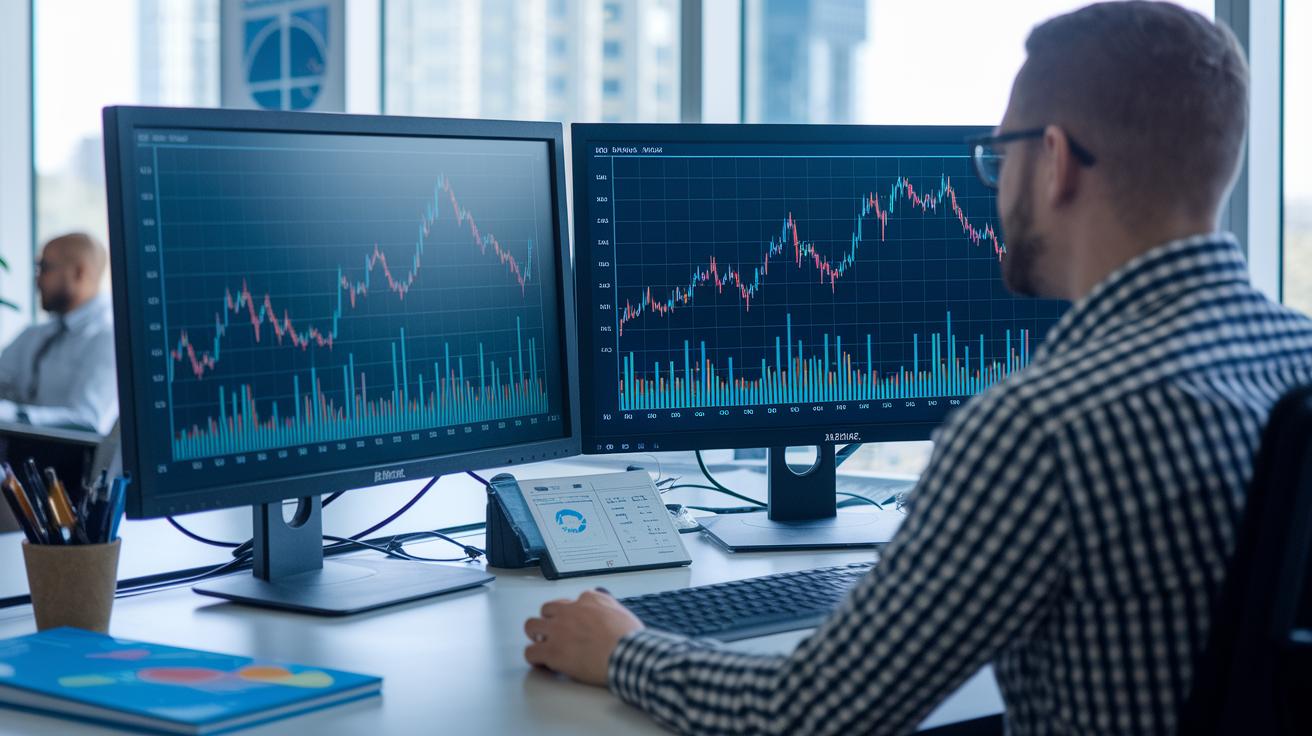
Trend analysis is a handy tool that helps us predict market changes, but it comes with its fair share of hurdles. Sometimes, quick ups and downs in data can be mistaken for true shifts. For example, a sudden increase in website visits might just be a brief spark of interest rather than a lasting trend. Plus, if the data is sketchy or limited, it can lead to mix-ups and biases.
The good news is that using smart strategies can smooth out these bumps. Relying on data from sources you trust and adding in customer feedback gives you a clearer picture. Keeping a regular check on your data and using different ways to analyze it means you can be sure a change is real. Also, refreshing your models and checking your insights against many datasets is key to getting it right.
Consider these guidelines:
- Look at data from various reliable sources.
- Cross-check trend signals with customer feedback.
- Use different methods to confirm your findings.
- Update your models often with fresh information.
Regularly reviewing feedback and comparing trends over time makes your predictions sharper. Even experts sometimes have to adjust their methods when new factors pop up. Staying alert and flexible is a must.
By following these steps, decision-makers are better able to tell real trends apart from short-lived noise and take actions that truly reflect the market's pulse.
Final Words
In the action, we explored trend analysis techniques, types of trends, and how to use data to make solid decisions. We broke down complicated ideas into easy steps, showing you how trend analysis can guide strategic choices across industries.
The article highlighted methods to detect genuine shifts from mere noise, helping manage risk and stay updated in fast-moving markets. Remember, understanding what is trend analysis puts you in control of making smarter moves. Enjoy applying these insights and move forward with confidence.
FAQ
What is trend analysis in accounting, financial statement analysis, stock market, business, and research?
Trend analysis is a method to forecast future behavior by examining past data across fields. It compares historical data to spot upward, downward, or horizontal patterns, guiding decision-making.
What is an example of trend analysis?
An example of trend analysis is when a business plots its monthly sales over a year to identify rising, falling, or stable revenue patterns, helping shape product planning and investment strategies.
What is the trend analysis formula?
The trend analysis formula typically measures percentage change by comparing data points over time. It’s calculated by subtracting an earlier value from a later one, dividing by the earlier value, and then multiplying by 100.
How can trend analysis be done online?
Online trend analysis uses digital tools like Excel or Tableau to input data, create charts, and automatically calculate changes. This method speeds up the process and supports real-time decision-making.
What are the 6 steps in trend analysis?
The six steps include identifying historical trends, collecting data, analyzing figures with statistical tools, interpreting patterns, applying insights to strategies, and monitoring results to validate findings.
What are the three types of trend analysis?
Three types include upward trends showing growth, downward trends indicating declines, and horizontal trends that suggest stable performance over time. These categories help simplify decision-making.