
Have you ever stopped to think about how just a few stock exchanges hold almost all the market value? Out of 60 major centers, only 25 manage roughly 96.6% of the world's share.
It’s pretty amazing when you put it like that. In this chat, we’re going to break down how big players like the New York Stock Exchange and NASDAQ have grown into industry giants.
We’ll talk about what makes these markets so unique and how their large size can impact the choices you make when you invest. Ever wonder how knowing a few key facts about these titans might help you invest more wisely? Stick with us, and let’s uncover the secrets together.
Global Equity Market Rankings and Capitalization
Stock exchanges span the globe, yet only a handful really steal the spotlight. Out of 60 major exchanges, the top 25 hold about 96.6% of the world’s total market value. It’s pretty remarkable how leaders like the New York Stock Exchange and NASDAQ come out on top. As of May 2025, the NYSE boasted a massive market value of $31.7 trillion, while NASDAQ wasn’t far behind at $29.9 trillion. These figures show not only a huge economic presence but also strong liquidity, meaning assets can be easily traded.
Remember this: imagine a market so vast that the combined value of all its shares could fund several entire economies. That’s the real power these giants hold!
But there’s more to the story than just big numbers. These rankings also highlight the range of companies each exchange offers. Top exchanges typically list over 1,000 companies, giving investors plenty of options. Meanwhile, smaller or emerging markets might list fewer companies, but they can offer unique chances to spread out investment risk (diversification means not putting all your money in one basket).
| Exchange | Market Cap (USD Trillions) | Country | Rank |
|---|---|---|---|
| New York Stock Exchange | 31.7 | USA | 1 |
| NASDAQ | 29.9 | USA | 2 |
| London Stock Exchange | 3.0 | UK | 3 |
| Tokyo Stock Exchange | 2.7 | Japan | 4 |
| Shanghai Stock Exchange | 2.5 | China | 5 |
| Euronext | 2.3 | Europe | 6 |
| Hong Kong Stock Exchange | 2.1 | Hong Kong | 7 |
| Shenzhen Stock Exchange | 1.8 | China | 8 |
| Toronto Stock Exchange | 1.7 | Canada | 9 |
| Frankfurt Stock Exchange | 1.6 | Germany | 10 |
Driving Forces Behind Equity Market Sizes
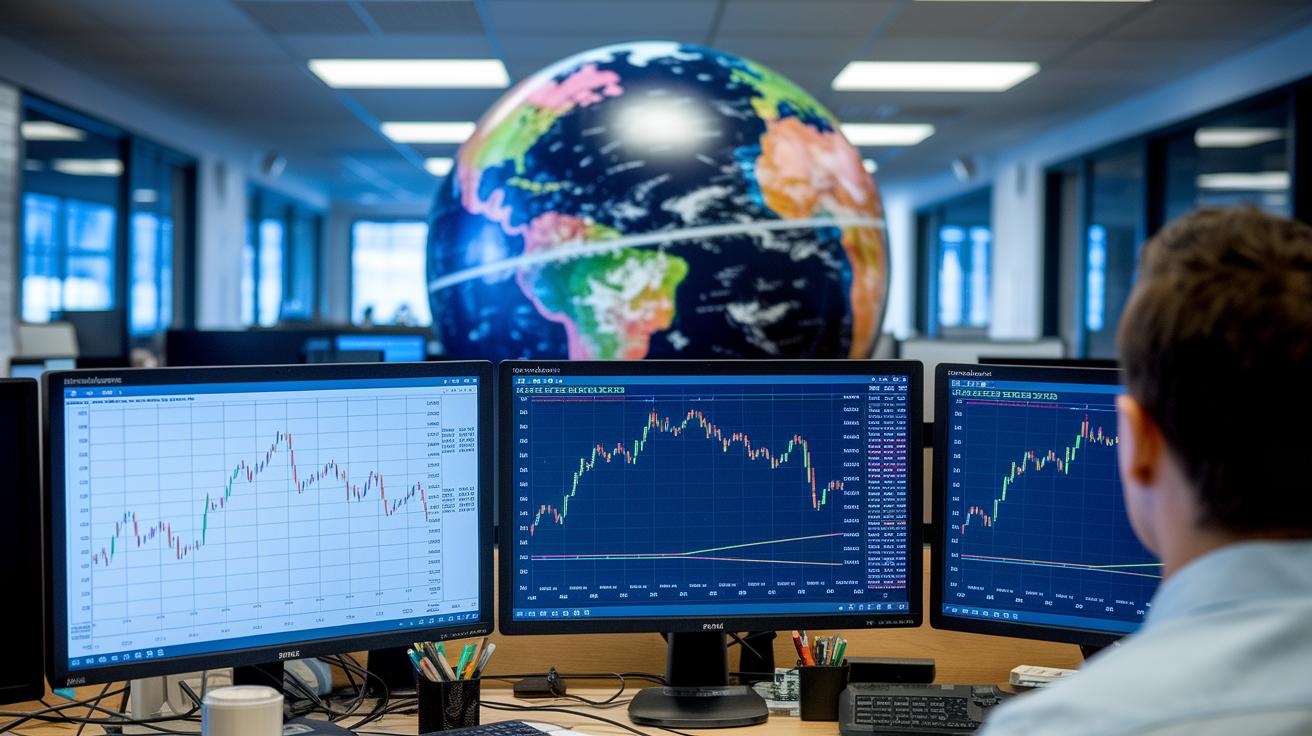
Corporate buybacks have been a major force behind the growth of equity markets, thanks mostly to Big Tech and financial firms. By August 2025, the value of these buybacks topped $1 trillion. Have you ever marveled at how reinvested corporate profits can quietly change market trends? This huge number links to basic economic essentials like a country's GDP and the number of companies on an exchange. Markets with strong economic output and a varied list of companies generally enjoy more steady capital flows and stronger investor trust.
Government rules and regulations also shape market sizes in a big way. Stock exchanges in areas with stable political and regulatory conditions tend to draw more companies and offer better cash flow options. Investors feel safer when rules are clear and oversight is strict, which naturally encourages more companies to raise capital and get involved in the market. A simple yet smart policy framework helps businesses grow and sparks further innovation, boosting market value and overall financial health.
largest equity markets in the world: Dynamic Insights
In North America, the big financial centers hold strong positions. U.S. exchanges like the New York Stock Exchange and NASDAQ make up more than half of the world's market cap. That means investors can choose from thousands of companies, with cash moving around easily. Plus, Canada's TSX adds its own strength by listing many firms that nicely complement what we see in the U.S.
In Europe, markets play a major role too. The London Stock Exchange, Euronext, and Frankfurt come together to hold a big slice of global value. Their long histories and clear rules help investors feel secure and at ease. It’s no wonder both local companies and international firms choose these reliable platforms, blending modern innovation with classic financial traditions.
Over in the Asia-Pacific region, markets are buzzing with energy. Key exchanges like the Tokyo Stock Exchange, Shanghai Stock Exchange, Hong Kong, and Shenzhen are sparking rapid growth and new trends. With fresh trading tools and interactive data, these markets offer exciting opportunities. Want to dive a bit deeper? Check out the resource "what are emerging markets" at https://tradewiselly.com?p=517. Each area in Asia brings a unique style, adding special strengths to the global market mix.
Liquidity and Trading Volume Metrics in Top Markets
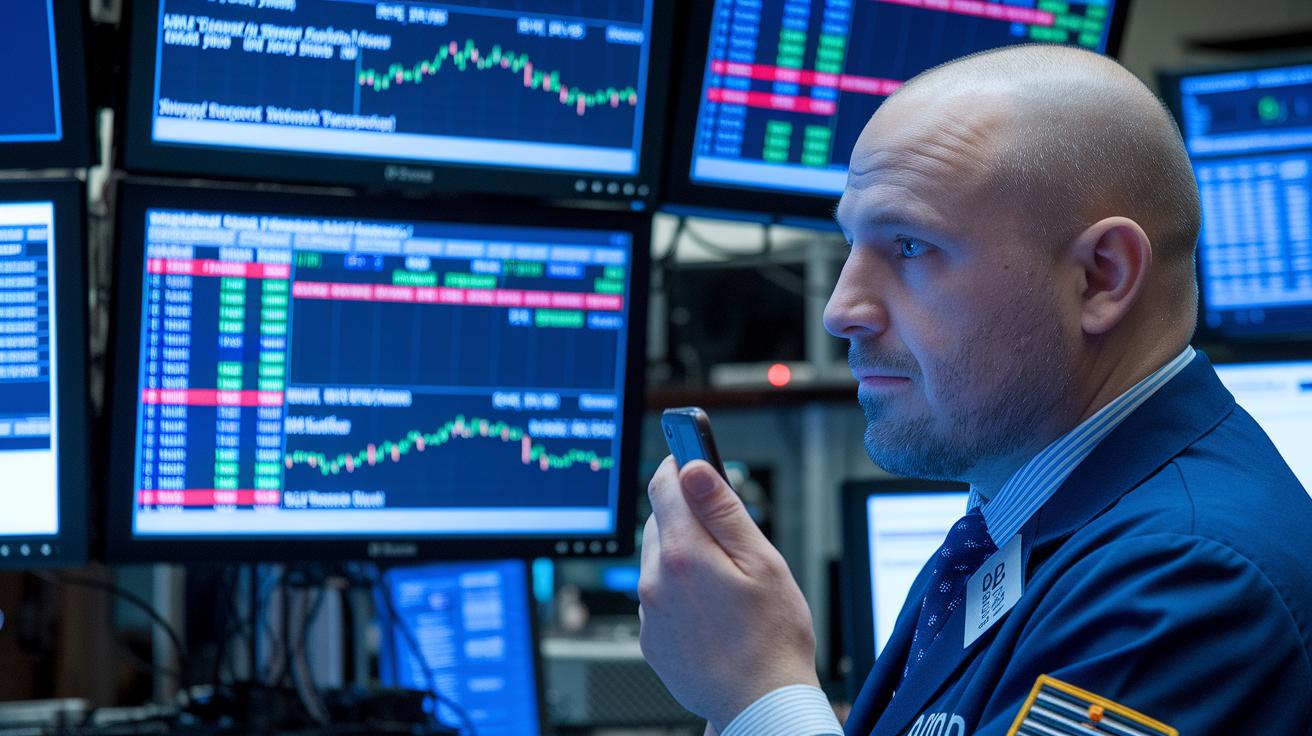
When you start trading stocks, liquidity matters. It’s like knowing you can quickly turn your shares into cash when you need it. Big exchanges list trillions of dollars in shares, which means there’s plenty of money flowing in and out. One simple way to see this in action is by checking the average daily trading volume. It tells you the total value of stocks traded each day, kind of like glancing at your bank balance before you buy something.
Other clues about liquidity include the bid-ask spread, market depth, and turnover ratio. The bid-ask spread shows the small gap between the prices sellers ask for and what buyers are willing to pay. It’s a quick look at how efficiently trading is happening. Market depth gives you a layered view of orders at different price points. And the turnover ratio tells you how often stocks change hands, much like watching a live auction where every bid pushes the market forward.
Advanced tools now give you real-time data on live equity prices and intraday volumes, so both seasoned pros and everyday investors can stay alert and make fast, smart decisions.
Historical Evolution of Major Equity Markets
Many of today's stock markets have roots that go back hundreds of years. Take the Frankfurt Stock Exchange, for example, it started back in 1585, one of the earliest places for trading. The London Stock Exchange began in 1698 and became official in 1801. Over in New York, the Stock Exchange opened its doors in 1817 and soon set the bar for market size and easy trading. And then there’s NASDAQ, which kicked off in 1971 as the first fully electronic exchange. Imagine a busy trading floor gradually giving way to a sleek, computer-powered system. These early moments paved the way for the busy global markets we see today.
In Asia, up-and-coming markets have evolved in a similar way. The Tokyo Stock Exchange started in 1878 and later joined the Japan Exchange Group in 2013, a move that showed how combining forces can strengthen the market. The Shanghai Stock Exchange, officially re-established in 1990, actually has a story that stretches back to 1866. Then there’s the Shenzhen Exchange, which began trading in 1990 following its creation in 1987, and Euronext, born from several national mergers to become a major force in Europe. Each of these milestones shows how steady progress and new technology have reshaped the way we trade. Isn’t it fascinating how history helps shape our financial world today?
Spotlight on Emerging Equity Market Exchanges
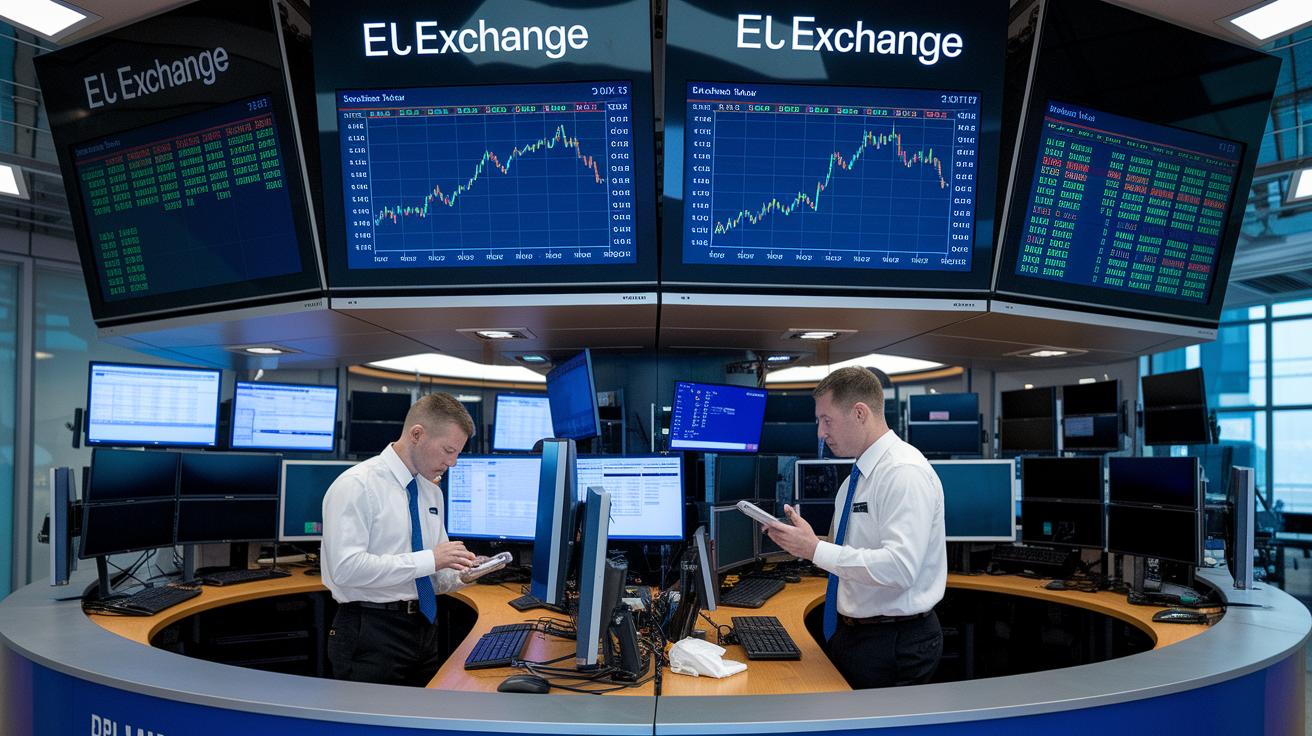
Emerging equity exchanges are more than just lists of companies. They serve as testing grounds for fresh rules and new ways to include investors, different from the norm in established markets. One mid-size market in Eastern Europe, for example, shook things up with dynamic listing reviews that really got local investors involved, a big shift from the standard practices at larger exchanges.
These platforms also face challenges like sudden shifts in cash flow and the need to quickly update rules. Their investor-friendly reforms are changing local markets and showing that a little flexibility can go a long way. Here’s a surprising fact: in a little-known case in South America, an emerging exchange boosted local investor participation by over 40% in just one year through flexible rules. This example highlights how emerging markets manage rapid growth and complex operations while opening up exciting opportunities. For more details, check out https://niftycellar.com?p=1668.
Future Outlook and Trends for Global Equity Markets
The way we invest is changing a lot because of digital advances. New computer trading methods and real-time data platforms make it easier than ever to watch market moves and respond quickly. Big Tech companies are seeing more revenue from overseas and are buying back more of their own shares. This shows that money is piling up in a few large companies, and many investors are rethinking their strategies. It’s pushing everyone to study long-term trends while enjoying faster, smarter access to market insights.
Every day, digital tools have become must-haves for keeping track of the market. Even tiny changes in how easily assets can be turned into cash or in trading volumes are noticed and analyzed right away. This gives traders a clearer picture of what’s happening now. As digital data blends more seamlessly with investing, smarter decisions are taking shape in the biggest global markets. And with technology evolving so fast, staying updated and flexible is more important than ever.
Final Words
In the action, we walked through the global equity market rankings, examining key factors like capitalization, trading liquidity, and historical milestones. The discussion compared regional market strengths and highlighted emerging exchanges, all while outlining economic forces and digital trends shaping today’s trading environment.
Each section brought forward realistic strategies for managing risk while staying secure. With these insights, you’re better equipped to spot opportunities within the largest equity markets in the world and make smarter, more informed investment decisions.
FAQ
What are the largest equity markets in the world?
The largest equity markets are led by the New York Stock Exchange and NASDAQ. They dominate global market capitalization and host thousands of companies.
What is the largest equities market in the world?
The largest equities market is the New York Stock Exchange, boasting over $31 trillion in market capitalization and hosting a vast range of domestic and global companies.
Which stock exchanges rank among the top by market capitalization?
Top exchanges include the NYSE, NASDAQ, Shanghai Stock Exchange, and Tokyo Stock Exchange. These hubs consistently rank high in market capitalization and attract significant investor interest.
What does the term “big 7” in the stock market refer to?
The term “big 7” typically describes seven major stock exchanges, such as the NYSE, NASDAQ, London Stock Exchange, Tokyo Stock Exchange, Shanghai Stock Exchange, Hong Kong Exchange, and Euronext, which drive global financial activity.
What roles do NSE and BSE play in global finance?
NSE and BSE are key Indian stock exchanges that list large numbers of companies. They serve as important financial indicators for India’s dynamic economic activity.
How is the Tokyo Stock Exchange significant among global markets?
The Tokyo Stock Exchange is a major global player, known for its robust trading environment, significant market capitalization, and deep liquidity that attracts both domestic and international investors.
How does the Shanghai Stock Exchange stand out in the global ranking?
The Shanghai Stock Exchange is one of the world’s largest, reflecting China’s economic dynamism. It balances a mix of large-cap listings and extensive trading activity to maintain its prominent rank.
What is the role of The Stock Exchange of Hong Kong in international markets?
The Stock Exchange of Hong Kong serves as a global financial hub, linking Asian markets with international investors and acting as a key platform for bridging mainland China with the global investment community.