
Ever been baffled by all the portfolio tracker options out there? With so many choices and features, it can feel like looking for a needle in a haystack. Think of these modern tools as your friendly guide, helping you keep tabs on your money every step of the way.
Imagine checking your account and getting live updates, clear reports, and smart hints powered by AI, all designed to give you a clear picture of your financial health. In this guide, we'll walk through the key things to look for so you can choose the tracker that fits your needs perfectly.
Key Selection Criteria for the Right Portfolio Tracker
Choosing the right portfolio tracker can really make a difference. A recent review compared 10 different trackers using 576 factors. They looked at everything from reporting features to how easy the tool is to use. Imagine a tool that not only keeps track of your investments but also gives you live updates, like checking the weather on your phone.
Portfolio trackers have come a long way. Today, many tools use AI to give insights, include ESG data (which stands for Environmental, Social, and Governance factors) to help you invest responsibly, and offer real-time updates. Some even let you work with others to pick the best assets, all while keeping the experience simple. It’s like swapping an old paper map for a GPS that guides you turn by turn.
- Detailed reporting
- Real-time updates
- Risk measurements
- ESG information
- AI insights
- Customization options
- Strong security controls
- Clear cost details
Each feature here is important for finding a tracker that works for you. Detailed reporting shows you trends and helps you make smart decisions. Real-time updates ensure you never miss the latest info. Risk measurements and ESG details let you balance safety with doing good. AI insights and customization make the tool feel tailored to your needs. Security is a must, so your data stays safe. And clear cost details mean you always know what you’re paying.
Portfolio Tracker Feature Comparison

Let's take a look at some top portfolio trackers. In this guide, we break down each tool's main benefits, ideal use cases, and pricing plans. Each platform brings something special to the table. Some let you track global markets in different currencies, while others offer neat tools to keep your net worth updated automatically.
We made a simple table so you can compare these trackers easily. It shows details like automated rebalancing and friendly interfaces that help simplify your investment management. Whether you’re a do-it-yourself investor, focused on overall asset monitoring, planning for long-term goals, or even need extra privacy, there's something here that fits your style.
| Tracker Name | Key Strength | Best For | Annual Cost |
|---|---|---|---|
| Sharesight | Global market & multi-currency tracking | DIY investors | $400/year |
| Kubera | Auto-updating net worth spreadsheet | Overall asset tracking | $300/year |
| Snowball Analytics | Goal-based strategy modules | Financial independence planning | $350/year |
| Capitally | Privacy-focused dashboard with user-controlled automation | Investors prioritizing privacy | $500/year |
Portfolio Tracker Usability and Interface Review
Investors often look for a setup that's easy and welcoming. It’s reassuring to have a tool that walks you through each step with clear instructions and simple customization options. Sharesight, for example, is loved by more than 500,000 DIY investors because it greets you with a friendly, step-by-step guide as soon as you log in, making even new features feel familiar.
Many investors care about a smooth experience whether they’re on a phone or a computer. Some platforms, like Delta and Ziggma, come with mobile apps that make it easy to check your portfolio on the go, while others like Portfolio123 don’t offer a native app. Then there’s Stock Rover, whose responsive web design works well on any device. This range of options allows you to pick a tracker that fits neatly into your daily routine, whether you’re out and about or at your desk.
It really comes down to how simple it is to learn and tailor your dashboard. Investors appreciate being able to set up personal dashboards and adjust layouts without having to wrestle with complicated tools. When managing your investments feels easy, it can really boost your confidence in handling your money.
Portfolio Tracker Security and Privacy Features
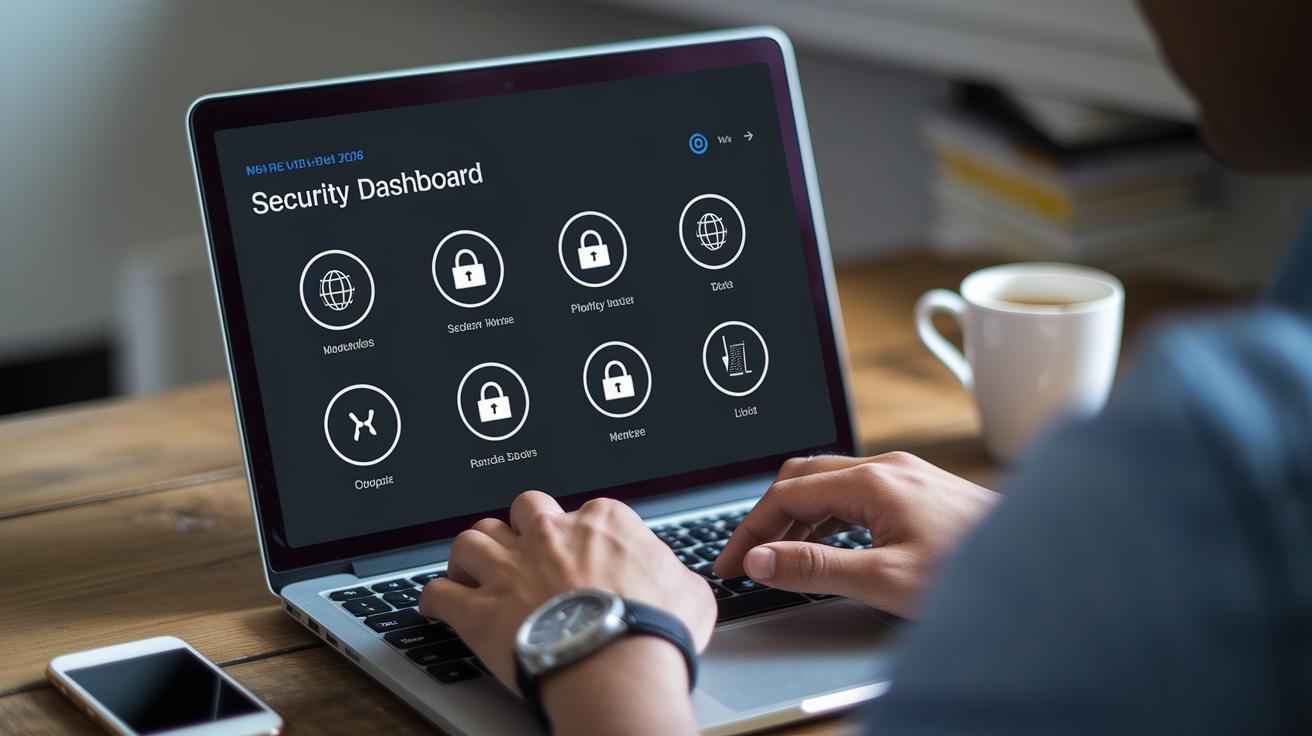
A lot of portfolio trackers use strong ways to verify your identity and keep your money details safe. They often ask for both a password and an extra check (that’s called multi-factor authentication, a method that confirms you are who you say you are). Platforms like Capitally let you decide what to automate and share, so you only give away the minimum information needed. They also store your sensitive data in encrypted cloud storage, which is a bit like keeping your valuables in a locked safe.
Besides secure logins and storage, top trackers maintain detailed logs of every time someone accesses or changes your account. It’s similar to keeping all your receipts so you can quickly spot anything unusual. They keep an eye out for potential weak spots, layering on extra security checks that help put your mind at ease.
Many platforms also make sure they follow all the latest rules. They check against regulatory requirements and earn vendor certifications to prove that their privacy and protection measures are robust and up to date.
Portfolio Tracker Cost and Subscription Options
Most portfolio tracker providers offer different plans to fit every kind of investor. You can start with a free tier if you’re new to investing, or pick a plan that fits your regular tracking needs. Some even let you try out all their features for 14 to 30 days, so you can see what works best before you decide.
The yearly cost of these tools can really vary. For example, one service like Ziggma might cost around $90 per year, while another, Tickeron, could be as high as $3,600 a year. Typically, many mid-range subscriptions fall in the $300–$400 range annually. Often, a slightly higher fee means better support, detailed reports, or extra tools to help you analyze your investments. It’s all about weighing what you get for the price and finding one that feels right for your strategy.
Many platforms let you try out basic features for free or offer trial periods. This way, you get to test out the tools first and make sure they meet your needs without any surprises in cost.
Portfolio Tracker Integration and Data Sync Capabilities
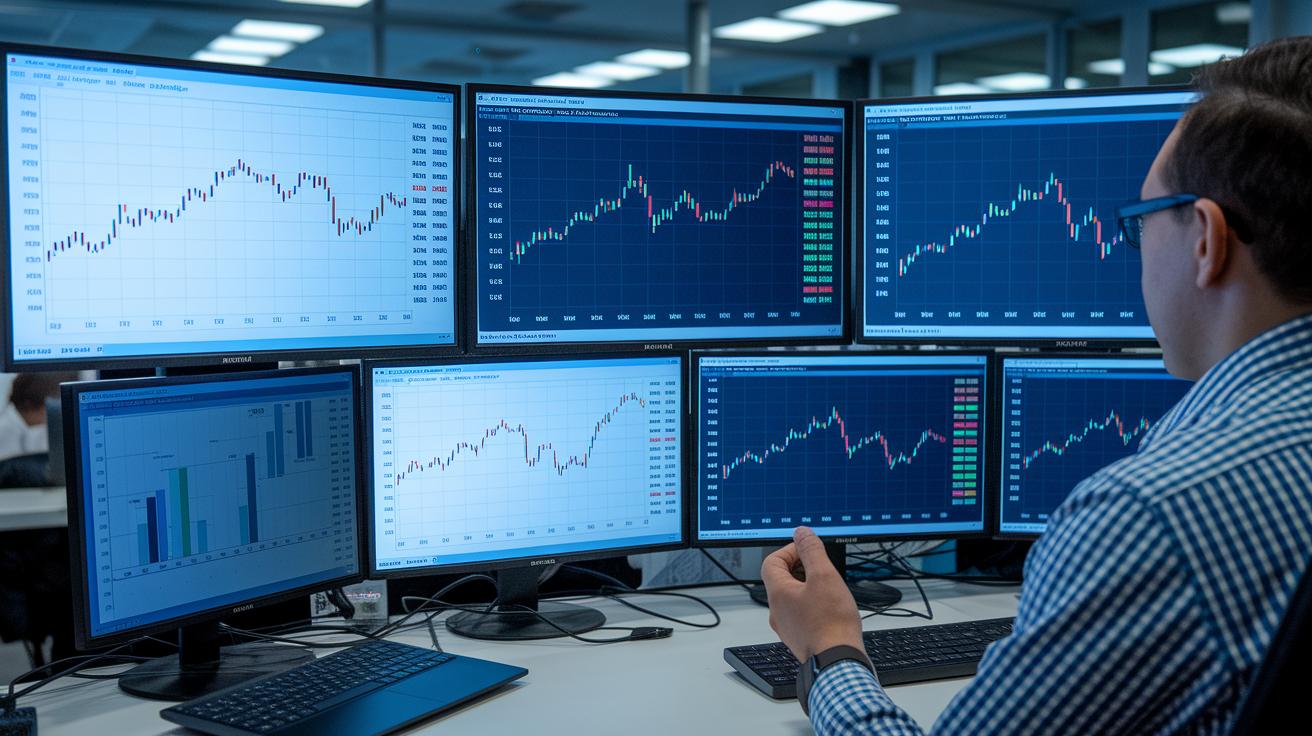
A lot of portfolio trackers let you connect directly to your broker using simple tools called APIs. These APIs work like shortcuts that update your trade data without any extra effort on your part.
For instance, Sharesight hooks up with major brokers so that your trade details are updated the moment you make a trade. This means you won’t have to manually enter data, and your portfolio stays fresh with the latest market moves.
Besides direct broker connections, many platforms let you import your trade history using CSV files (which are like simple spreadsheets) or other API methods. This makes it easy to load up all your old trades, whether you’re coming from an older system or managing your data offline. It’s a flexible way to keep all your important details in one place.
Modern portfolio trackers also handle multiple currencies with ease. When you invest in different markets around the globe, these tools adjust for exchange rates automatically. This way, you always have a clear and accurate view of your overall portfolio value.
Expert Checklist for Choosing Your Portfolio Tracker
Investors have different needs when it comes to picking a portfolio tracker. Some platforms, like Ziggma, are ideal if you focus on ESG investing. Others, such as Delta, work well if you blend crypto with traditional assets. And if you love diving into technical charts, TC2000 might be your go-to. These tools have improved through feedback from over 500,000 users, constantly evolving to meet market needs and delivering the precise, flexible features every investor wants.
Before you settle on a tracker, take a moment to do a careful check. Look for clear, accurate reporting, custom alerts, and tools that automatically rebalance your investments. You might review historical data and risk benchmarks to catch trends, and make sure real-time updates mesh well with easy-to-read metrics. This simple audit helps ensure the platform meets your standards and performs as expected.
Next, make sure the tracker matches your own investment style and goals. Look for tools that let you customize your dashboard and set personal alerts. Whether you’re aiming for steady dividend income, a diverse portfolio, or growth driven by technical signals, choosing the right tool for your habits builds confidence in your strategy.
Before making your final choice, keep these tips in mind:
- Review what current users say and compare performance benchmarks.
- Test the interface to see if it’s clean and easy to use.
- Confirm that real-time updates and alerts are reliable.
- Check for strong security features and data protection measures.
- Look into ongoing support, customer service, and regular platform improvements.
Final Words
In the action, we examined essential features of today's portfolio trackers. We broke down key challenges like reporting depth, risk metrics, and cost comparisons.
We also looked at how usability, security, and integration can shape your experience.
By understanding these factors, you can decide how to choose the right portfolio tracker to suit your needs and manage risk effectively. This clear snapshot should help you feel confident in making informed investment decisions.
FAQ
How to choose the right portfolio tracker on Reddit?
The best methods involve looking for clear reporting, real-time updates, risk metrics, and positive user reviews. Investors on Reddit suggest comparing feedback and features to pick the right tracker for their needs.
What features does the Empower portfolio tracker offer?
Empower portfolio tracker provides advanced analysis, detailed reporting, and robust risk assessment tools. It also integrates strong security measures like multi-factor authentication for safe and efficient investment management.
Which portfolio tracker is considered the best and what are the top portfolio tracker apps?
The best tracker depends on your investment style. Leading apps offer intuitive interfaces, real-time updates, and broker integration. Both free and premium models are available to meet diverse needs.
How does one find a free portfolio tracker or free portfolio management software?
Free portfolio trackers offer basic features such as transaction syncing and simple reporting. They are good for beginners seeking basic oversight, with options to upgrade for more detailed analytics.
What is the 5% portfolio rule?
The 5% portfolio rule means no single asset makes up more than five percent of your overall investment. This practice helps spread risk and creates a more diversified investment mix.
What is the 3 portfolio rule?
The 3 portfolio rule suggests dividing your investments among three distinct asset classes. This method helps manage risk by balancing stable investments with potential growth opportunities.
What is the best way to keep track of a stock portfolio?
The best approach is using modern digital tools that sync with broker accounts, deliver real-time updates, and provide clear performance reports. This technology makes monitoring your stock investments easier and more effective.
How do major platforms like Empower, M1 Finance, Seeking Alpha, Morningstar, Inc., Wealthfront, and Monarch Money compare?
Major platforms differ in strengths such as user experience, data integration, and advanced analytics. They cater to diverse investor needs, offering a range of features for both detailed management and straightforward tracking.