
Are rising markets a true sign of a healthy economy or just a momentary burst of hope? Many factors, like steady job growth and smart moves by the government, come together to lift stock prices. Think back to when a tax break meant extra cash for everyday needs or when lower rates helped businesses borrow more easily. These moments not only make people want to spend more but also boost investor confidence. In this post, we’ll explore how economic actions, fiscal policies, and interest rates work together to create the upbeat signals we see in the stock markets.
Comprehensive Overview of Core Drivers of Equity Markets Performance
Macroeconomic factors like GDP growth, inflation rates, and unemployment levels have a big impact on market performance. When a country’s GDP rises steadily and unemployment stays low, people tend to spend more, pushing stock prices higher. Think about a time when steady GDP growth led to more job opportunities and higher incomes, this naturally lifted investor confidence.
Fiscal policies also shape the market directly. Changes in government spending or tax rules can shift economic activity in clear ways. Imagine tax cuts that leave consumers with extra cash; that money often flows into higher company revenues and a more upbeat market mood. Back in the mid-2000s, modest tax cuts in several countries sparked a jump in consumer spending and clearly showed the link between fiscal actions and market performance.
Interest rate changes often go hand in hand with inflation trends. When prices begin to rise, central banks may boost interest rates, making borrowing costlier for businesses. This can squeeze profit margins and pull stock prices down. On the other hand, lower interest rates tend to make borrowing cheaper, spurring investment and lifting corporate earnings. Picture a boardroom where a firm shifts its strategy after noticing a drop in borrowing costs, which then fuels their growth.
Monetary policy moves also send clear signals to the market. Investors closely follow central bank announcements because interest rate adjustments can ripple throughout the economy. All these economic and fiscal factors work together to shape stock prices, making it wise to keep a close eye on them. In short, understanding these fundamentals can help you anticipate how the market may move.
Political Stability and Geopolitical Influences on Equity Markets Performance

Domestic political stability acts like solid ground that boosts market confidence. When elections are clear and society stays calm, investors feel safer putting their money in. Imagine a government handling a crisis like a steady captain guiding his ship through stormy waters. For example, one emerging market saw clear election results spark a quick turnaround in stock prices, something many had doubted was possible.
Global events on the world stage also mix things up in the market. When big countries clash over trade, prices can swing quickly as uncertainty grows. It’s a bit like watching company leaders scramble during a boardroom meeting after hearing news of rising tariffs.
Policy changes too can shake up business outlooks. Investors keep a close eye on shifts in taxes, rules, and government support. Good policy moves lift spirits, but unpredictable changes can put a damper on returns.
Trade disputes and global events are closely linked with how markets move. A sudden headline about trade conflicts, for instance, can cause key market indices to dip fast, much like the sudden drop of a roller coaster’s steepest plunge.
• Steady politics often mean lower risk.
• Tense global issues usually cause more market ups and downs.
Together, these factors shape market moods and help investors judge risk.
Corporate Earnings Trends and Fundamentals Affecting Equity Markets Performance
Quarterly earnings reports can change stock prices very quickly. When a company posts much better earnings than expected, investors jump in, pushing the share price higher. Think of a company that beats forecasts by a wide margin; the market reacts instantly. On the flip side, if earnings come up short, shares can drop fast. These surprises, good or bad, make investors adjust prices almost immediately.
Strong corporate governance and clear financial reporting build trust among investors. When a company follows high standards, it gives a sense of transparency that helps calm worries during rough patches. Basic valuation tools, like the price-to-earnings (P/E) ratio (which compares a stock's current price to its earnings per share), let you see how companies stack up against each other. A low P/E ratio may indicate that a stock is undervalued, while a high one might suggest it is priced too high.
Looking at earnings trends along with good governance practices provides useful clues about market movements. Investors use these details to judge risks and predict future performance. For instance, imagine a well-managed company that posted such strong quarterly earnings that its stock jumped by 150%. This shows how powerful solid fundamentals can be in sparking market excitement.
Investor Sentiment and Market Liquidity Dynamics in Equity Markets Performance
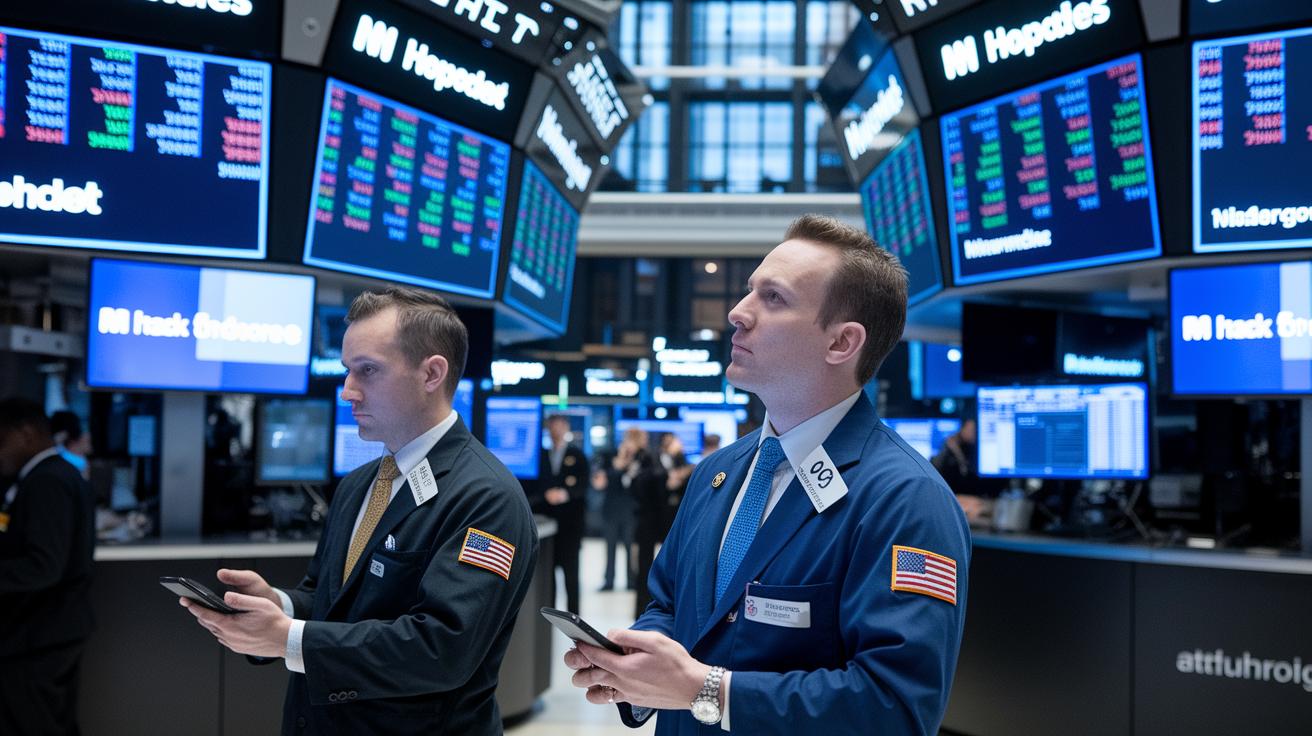
Investor sentiment is like the heartbeat of the market. When good news comes in, like a string of strong earnings reports or friendly buzz on social media, it lights up the market just like a crowd cheering after a home run. For example, there was a time when upbeat investor mood pushed a small-cap stock's price up by 50% in one day after a positive tweet sparked excitement.
Market liquidity is all about how fast you can buy or sell an asset without moving its price too much. Think of liquidity like the smooth flow of water; when it's steady, trading stays calm. But if there's not much liquidity, even a small trade can set off sudden price changes. Imagine a quiet market stirred up by a burst of activity.
Foreign capital also plays a big role here. Big investments from institutional investors can quickly boost prices with extra buying power, while cash flowing out might pull prices down fast.
- Good sentiment can drive market rallies
- Low liquidity can make price swings larger
- Foreign investments can shift the market’s pace
- A mix of investments helps cushion against sudden mood swings
By watching these elements closely, you can get a better feel for market rhythms and tweak your strategy to handle short-term ups and downs. Have you ever noticed how one small change can transform the whole market vibe?
Factors affecting equity markets performance: Optimistic Signals
Exchange rate risks can really shape how stocks perform. When our home currency weakens, companies that sell their products internationally often see a boost. Their goods become cheaper to foreign buyers, which helps raise profits. On the flip side, businesses that depend on imported parts might face rising costs. Imagine a local company suddenly finding its products more attractive overseas because its currency has dropped.
Commodity prices also offer some upbeat clues. For example, when oil prices jump, maybe due to conflicts, some sectors might face tighter cost pressures. But energy exporters and related service providers could actually benefit. Many companies can switch up their production quickly when raw material costs change, showing that the market can adapt well.
Global trade trends matter too. When import and export volumes shift, they have a direct effect on how different sectors perform. If international trade picks up because of improved relations or better agreements, companies often do better. This kind of positive movement can boost confidence, even in markets that are usually quite volatile.
When you look at these factors together, you see that even in difficult times, there are signs that point upward. Investors who keep an eye on changes in exchange rates, commodity prices, and trade trends can spot sectors ready for a boost. These encouraging hints help build trust in long-term growth for stocks.
Technological Innovation, Algorithmic Trading, and Sectoral Trends in Equity Markets Performance

Technology is changing how people look at and trade stocks. Companies that use digital tools and smart systems often grow fast, pulling in investments toward areas ready for a burst of innovation. Think about a tech firm using machine learning to read market trends, it can spark investor excitement and shift where money goes.
High-frequency trading is another big player in daily market swings. Computers execute trades in mere fractions of a second, which can cause quick price bumps that are hard to predict. Imagine automated systems triggering rapid buying or selling and shaking up the market just for a few minutes.
As the economy shifts, investors also adjust by moving between fast-growing areas and safer, steady ones. Picture funds leaving traditional industries to back tech stocks as market trends lean toward innovation. It’s a clear sign that investor attitudes are evolving.
At the same time, combining algorithmic strategies with high-speed trading brings about a mix of challenges and opportunities. These tech-driven moves steer market performance in the short run and shape trends over time.
Risk Management, Volatility Indicators, and Investment Horizon Factors in Equity Markets Performance
When you see the VIX go up, it’s like the market’s heart is beating a bit faster. This gauge tells us that traders may be feeling jittery. For instance, if the VIX jumps from 20 to 30, that’s a clear hint that market players are being extra cautious and prices might swing wildly.
In these choppy times, smart risk management can really save the day. Simple strategies like hedging with derivatives (basically using another tool to balance risk), placing stop-loss orders (automatically selling if a stock falls too low), and regularly checking how your portfolio might handle shocks really help in protecting your investments. Think about a trader who sets a stop-loss when the market looks shaky. This one little move can cut down losses if things take a sudden dip.
There’s also a human side to all of this. Studies in behavioral finance show that our natural biases, like following the crowd or fearing losses, can push market swings even further. These feelings can lead to quick buy-ins or sell-offs that add fuel to the fire.
Your investment timeline matters too. Short-term traders might get rattled by the daily ups and downs, while long-term investors often have the patience to ride out these bumps.
- Hedging with derivatives
- Setting stop-loss orders
- Regular stress testing
- Being mindful of behavioral biases
By keeping an eye on these factors, you can shape your investment strategy to better match the natural cycles of the market.
Final Words
In the action, our discussion covered the drivers and dynamics of equity markets performance, from macro-economic indicators like GDP growth and interest rate cycles to political stability and corporate earnings trends. We also touched on investor sentiment, liquidity dynamics, and the influence of global trade patterns and technological innovation on stocks.
By understanding these factors affecting equity markets performance, you can better manage risk while staying upbeat about the market’s potential for growth.
FAQ
Q: What are the factors affecting equity markets and stock market performance?
A: Equity market performance is shaped by factors such as economic conditions, fiscal and monetary policies, corporate earnings, and global events. These elements influence investor sentiment and ultimately drive share price trends.
Q: Why do stock prices change every second and how is a stock’s price determined in real-time?
A: Stock prices change every second as market participants trade based on supply, demand, and new information. Real-time prices reflect the immediate reaction to market news, economic data, and trading activity.
Q: How do share prices increase or decrease and what makes the stock market go up and down?
A: Share prices move with changes in corporate earnings, economic news, investor sentiment, and trading volumes. Each of these factors can cause stock and market movements in a direct, measurable way.
Q: What are the common factors that affect equity returns?
A: Common factors impacting equity returns include economic indicators, company performance, political events, and market liquidity. These factors combine to influence overall market dynamics and investor returns over time.
Q: What is the 7% rule and the 90% rule in stocks?
A: The 7% and 90% rules are informal benchmarks used by some to gauge performance and risk in stocks. Their meanings can differ by strategy and source, so clarifying definitions is key when applying them.
Q: Which sources provide reliable financial data and analysis?
A: Trusted sources like Yahoo Finance, Google Finance, Investopedia, Investing.com, TradingView, and Seeking Alpha offer up-to-date market data, analytical tools, and insights that help investors make informed decisions.