
Have you ever felt that strict rules might actually boost investor confidence? It might seem odd, but good regulations can make the market feel more secure. Think of it like guardrails on a twisty road, they stop wild swings and help keep everyone safe.
Clear policies also help slow down risky decisions and keep money moving fairly. When everyone follows sensible rules, businesses and investors alike can grow and thrive. In truth, smart oversight isn’t a barrier, it’s a boost for financial stability.
Regulatory Oversight Impact on Equity Market Stability
Market stability in the stock market means that investors can count on a fair and clear system. Companies share updates on their financial health quickly, which keeps trust in the market strong. Clear rules on disclosure help money move smoothly from savers to businesses. This steady process helps avoid sudden market swings, keeping the overall environment solid.
Oversight is all about stopping risky actions that could disrupt the market. Regulators keep a close eye on issues like insider trading and false reports, which cuts down on manipulative practices. When traders see that the rules are being enforced, they feel more secure. This trust keeps wild, risky behavior in check and makes sure market prices truly reflect value.
Policy changes always send a clear signal to those in the market. Recently, quick regulatory updates have sparked changes within hours, prompting investors to tweak their portfolios. These timely adjustments help align investments with new standards. Well-planned regulatory policies boost overall stability and promote honest trading, creating a market where both businesses and investors can flourish.
Regulation Effects on Liquidity and Volatility in Equity Markets
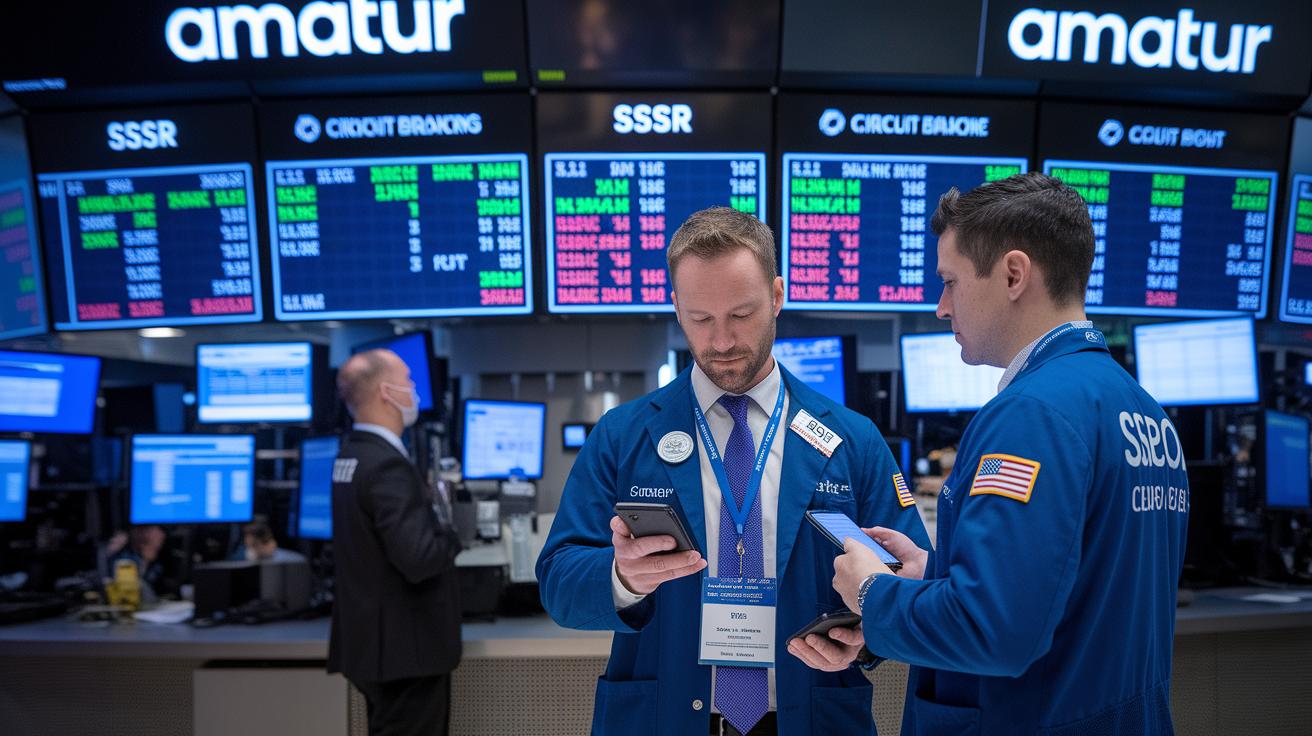
Regulatory changes really shape how stocks are traded. When rules are clear, they help keep the market steady, so trading isn’t all over the place. For example, measures like the Short Sale Rule (SSR, which limits selling stocks you don’t own to prevent too many bets on a declining market) and circuit breakers (which temporarily halt trading during rapid drops) work together to balance the flow of trades. These tools act like guardrails, giving the market time to regroup when prices drop quickly.
| Regulation Measure | Liquidity Impact | Volatility Impact |
|---|---|---|
| SSR | Limits available trading volume during downturns | Helps ease the pressure from short selling |
| Circuit Breakers | Pauses trading to keep things orderly | Stops prices from falling too fast |
| Transaction Taxes | Reduces how often trades happen | Helps avoid wild price swings |
| Tick Size Rules | Influences the difference between bid and ask prices | Shapes how much prices can move |
Each rule plays a unique role in the marketplace. The SSR, for instance, keeps stocks from spiraling during heavy selling, while circuit breakers give a moment for everyone to catch their breath. And then you have transaction taxes and tick size rules, which subtly shape how trades flow and how prices adjust. Next, understanding these policies can make you feel more in tune with the market’s steady pulse, a crucial insight for any investor navigating the financial world.
Supervisory Bodies and Compliance Measures in Equity Markets
Regulation helps build confidence in equity markets by setting up a clear system that encourages fairness and trust. Regulators make sure that companies and traders stick to simple rules so that every trade is open and honest. Good oversight helps the market run smoothly and makes investors feel safer. For example, when the U.S. Securities and Exchange Commission (SEC) keeps an eye on what companies say and how they trade, it’s like having a referee to ensure everyone plays by the same rules.
- U.S. Securities and Exchange Commission (SEC)
- Commodity Futures Trading Commission (CFTC)
- Financial Conduct Authority (FCA)
- European Securities and Markets Authority (ESMA)
- Alabama Securities Commission (ASC)
Recent trends show that strong enforcement not only stops risky behaviors like insider trading but also makes sure companies keep to the rules. Regulators are using the latest tech tools to keep a closer watch on trading. This means investors can relax a little, knowing that the market is being well looked after, which in turn helps money keep flowing steadily. One clear example is a firm that saw a 15% boost in customer trust after a key compliance review, proving that strict rules can benefit everyone. Overall, strong oversight keeps the markets stable and reliable.
Historical Case Studies: Policy Change Impact on Equity Market Performance
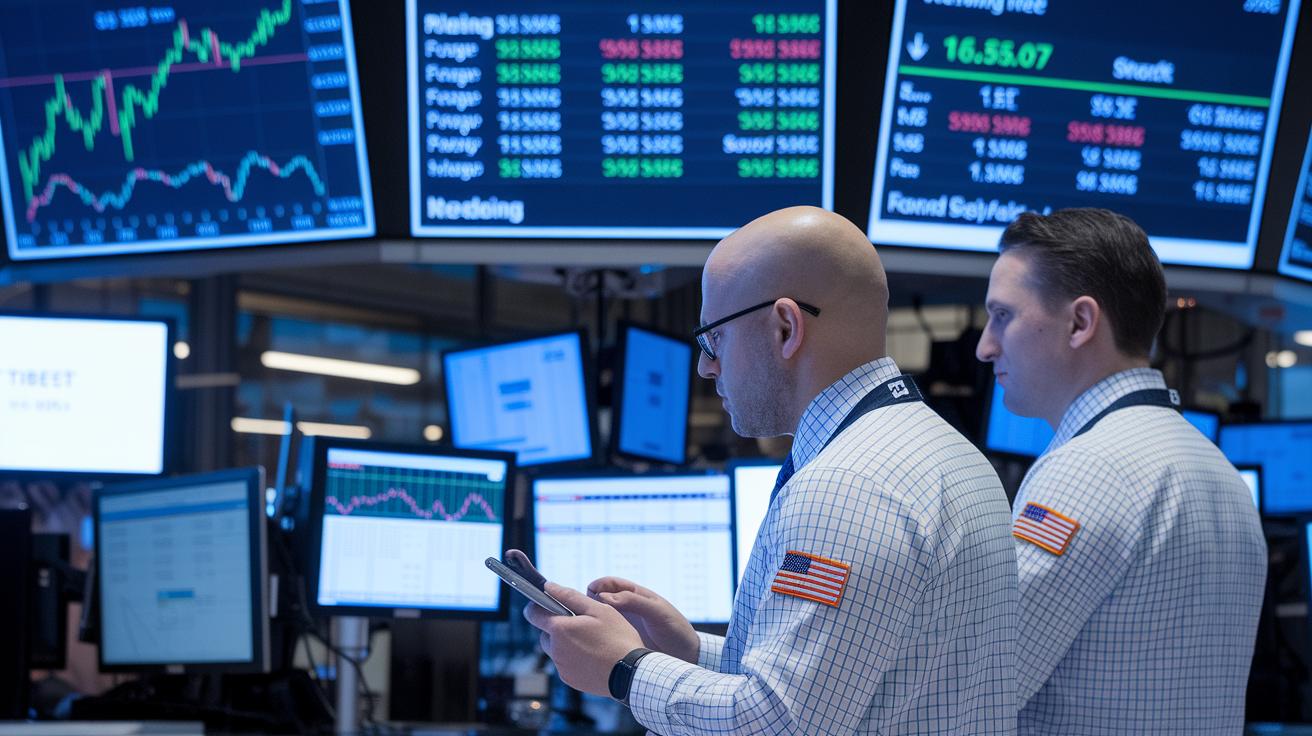
SSR Implementation After 2008 Crisis
After the 2008 crisis, a new rule on short selling was introduced to stop risky trades that could push the market into deeper trouble. This rule was designed to help keep the market on a steadier path, especially for popular indexes like the S&P 500. In fact, data showed that following this rule, daily price swings dropped by around 20%, meaning the market became less jumpy. Regulators watched trading closely and jumped in if short selling got too intense. This example shows how clear, careful oversight can cool off risky trading and create a safer market for everyone.
Montgomery Equity Market Reforms
In Montgomery, Alabama, local officials revamped market rules that made a big difference. They updated the criteria for being listed on local exchanges and improved how companies share important financial information. Thanks to these changes, local businesses raised over $50 million through public offerings. The new, simpler rules made it easier for small businesses to get the funds they needed and boosted confidence among local investors. This case is a reminder that smart, local policy changes can open up more investment opportunities and build lasting trust in the market.
Regulation Influence on Investor Behavior in Equity Markets
Institutional investors have started to change their game thanks to tougher regulations. For example, after rules against insider trading were enforced, many big funds saw a boost of 15% year-over-year. Imagine large investors rebalancing their portfolios within just 24 hours of a regulatory update! Updated risk guidelines now give asset managers a clearer idea of when to buy or sell, making them feel safer and more willing to invest larger sums. In short, steady enforcement of these rules has led to larger flows and quicker, more strategic decisions.
Retail investors are changing their trading habits too, thanks to clearer disclosure requirements. When companies share detailed and accurate information, trading volumes for everyday investors have jumped by 8%, lifting overall confidence. This clear, timely info helps these investors adjust their portfolios more thoughtfully. With more retail traders entering the market, the result is a fairer and better-regulated market that supports smart, informed investment choices.
Emerging Trends: Technological and Innovation Controls in Equity Market Regulation

Regulators are rolling out new rules to keep algorithmic trading under control. They’re adding safety tools like kill switches, which stop trading right away if something goes off-track, and pre-trade risk checks to review trades before they happen. These steps help prevent runaway trades and keep the market running smoothly.
Since 2024, the SEC has been auditing high-frequency trading, and now they’re keeping an eye on 50 trading firms. This means that systems executing thousands of trades every second undergo regular checks to make sure they don’t upset market fairness. It’s a smart way to reassure investors that even rapid trading stays under watchful eyes.
At the same time, new rules are coming in for digital assets and crowdfunding platforms. AI-powered surveillance now scans millions of trades per second, offering real-time checks on how the market behaves. In plain terms, these innovations set clear standards and give emerging markets a stable path to follow, all while encouraging fresh ideas and boosting investor confidence.
Final Words
In the action, we explored regulatory oversight and its key role in shaping market stability, reducing volatility, and boosting transparency throughout equity trading. We touched on liquidity, investor confidence, and the careful balance between risk management and innovation controls.
We also looked at how policy updates stir market reactions that test resilience. All these insights emphasize the impact of regulation on equity markets, leaving us with a clear view of smart, secure investment steps ahead.
FAQ
How does regulation, including its negative impacts, affect equity markets?
The impact of regulation on equity markets shapes fairness and transparency. It reduces fraud and enforces disclosure, though strict rules may sometimes slow trading and limit liquidity.
How does deregulation affect the stock market?
The impact of deregulation on the stock market is that fewer restrictions can boost trading activity and liquidity, but they may also lead to increased volatility as market players adjust to looser oversight.
How does regulatory compliance impact market participants?
The impact of regulatory compliance on market participants builds investor trust by enforcing fair practices and clear disclosures, which attracts both institutional and retail investors to participate confidently in the market.
Does regulatory cooperation help integrate equity markets?
The impact of regulatory cooperation on equity markets is positive because aligning standards across regions promotes smoother cross-market transactions and strengthens overall market stability.