
Have you ever thought about making your savings work a little harder? Bond trading might be the move you need. It’s a safe way to earn regular income over time, much like slowly filling up a bucket with steady drops. Bonds act as a safety net for your money when things get tough.
In simple terms, you can earn a reliable income while keeping your money secure. This guide will walk you through clear, smart steps to get started with bond trading. Imagine adding a steady income stream to your portfolio, it's a straightforward way to build a more secure financial future.
Bond Trading: Smart Steps to Success
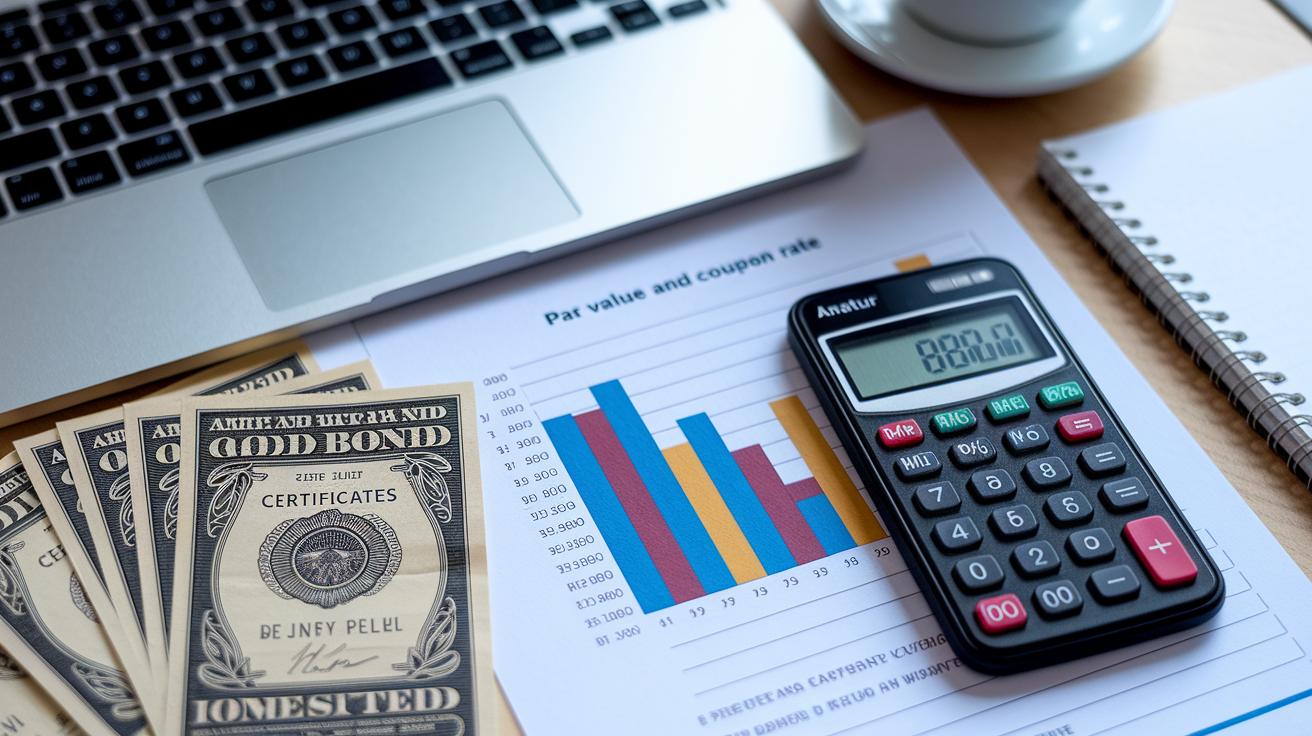
Bonds are simply debt instruments that governments and big companies issue when they need money. They’re a low-risk way to keep your cash safe while earning a steady income. Ever notice how a small return can still protect your savings during uncertain times? That’s the power of bonds acting as a reliable safety net.
When you dive into bond trading, a few key terms pop up. For example, par value is the bond’s face value – the amount you get back when it matures. Then there are premium bonds, which cost more than their face value, and discount bonds, which you can grab for less money than the par value. The coupon rate is crucial too; it sets the schedule for your interest payments, sort of like getting regular rent from your investment.
You can trade bonds on exchanges or online platforms. Some folks even try CFD trading, in other words, you can profit from shifts in bond yields without having to own the bond outright. Remember, bond yields generally move in the opposite direction of interest rates, creating a neat opportunity when the market shifts.
| Term | Description |
|---|---|
| Par Value | The bond’s face value paid back at maturity. |
| Coupon Rate | The percentage that sets your regular interest payments. |
| Premium/Discount | Pricing above or below the par value, based on demand. |
This guide to fixed-income basics is a friendly starting point for anyone looking to build steady growth into their financial plans.
Bond Trading Instruments and Market Segments
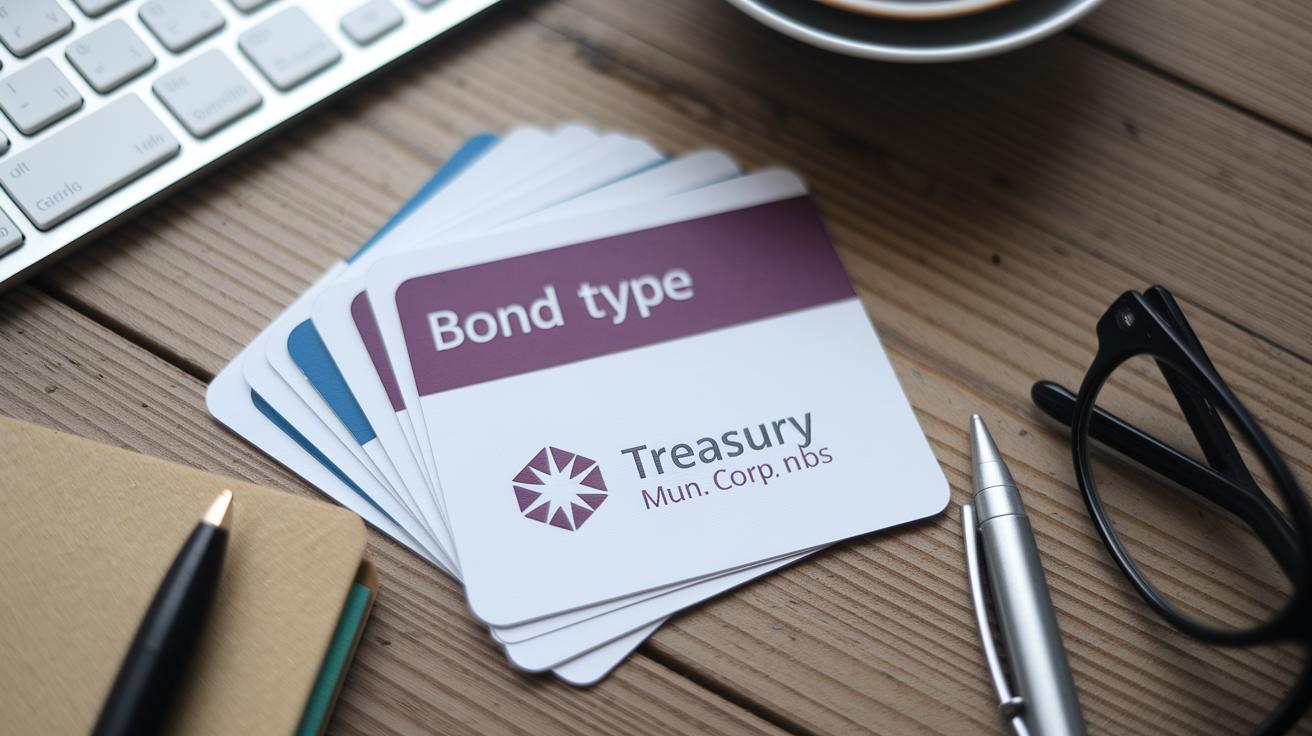
Bond trading instruments come in many shapes and sizes, and they give investors the chance to mix safety with a healthy return. Think of U.S. Treasuries as the strong foundation of bond trading – they’re reliable every time. Municipal bonds help local governments and may even give you tax breaks, which is a nice bonus. And then, you have investment-grade corporate bonds from trusted companies known for their solid credit.
Mortgage-backed securities bundle home loans together into one package. Treasury Inflation-Protected Securities (TIPS) change with inflation, offering extra protection when prices go up. Agency bonds come from groups linked closely with the government, and high-yield corporate bonds, sometimes called junk bonds, aim for higher returns even though they carry more risk. International bonds from developed and emerging markets open the door to global chances, while preferred securities blend traits of both bonds and stocks by paying fixed dividends.
Maturity also plays a big part in how bonds are picked. Generally, bonds fall into three groups:
- Short-term (<4 years): Great for those who need stability and quick results.
- Intermediate (4–10 years): A solid balance of risk and reward in the middle.
- Long-term (>10 years): Best for investors with the patience to ride out market changes.
This range helps shape government bond plans and fuels corporate debt exchanges. For instance, you might use a short-term municipal bond to cover upcoming bills, while a long-term high-yield corporate bond could be your strategy for building wealth over many years.
| Bond Type | Description |
|---|---|
| U.S. Treasuries | Government-issued securities known for their reliability and high credit quality. |
| Municipal Bonds | Bonds from local governments that can come with tax advantages. |
| Investment-Grade Corporate Bonds | Issued by stable companies with strong credit ratings. |
Bond Trading Strategies: Fundamental and Technical Approaches

Fundamental strategies start with a close look at a bond’s credit rating from trusted agencies like Moody’s and S&P. Many investors pick a buy-and-hold plan, choosing bonds with strong credit profiles and favorable economic conditions. Think of it like choosing a restaurant that has great reviews, you feel assured that you will have a good experience. It’s a bit like picking a favorite recipe from a well-loved cookbook.
Technical strategies focus on watching how prices move and looking at chart patterns. Traders look for clues in momentum and price shifts to decide the best time to buy or sell. Imagine following a trail where each step gives you the next hint. Sometimes, traders even use CFD trading to take advantage of changing yield rates without owning the bond directly.
Algorithmic trading mixes these two ideas by using computer rules to automate trading. These systems place orders and tweak positions based on set rules, so they can act fast when the market changes. It’s like having a smart helper that watches the market and makes quick decisions for you.
Many traders blend these methods, using both fundamental insights and technical clues. This balanced approach helps them aim for long-term stability while keeping an eye on short-term shifts in the market.
Bond Trading Risk Management Techniques

Bond trading brings its own set of challenges, and understanding them is key for every savvy trader. When interest rates go up, bond prices usually fall. This means you could lose some of your money if you’re not on your toes. Then there's credit risk, if a bond issuer starts to struggle financially, you might see defaults or downgrades that lower your bond’s value.
Inflation is another worry. As prices rise, the money you earn from bonds may not stretch as far because inflation eats away at your purchasing power. For a clearer picture, you can check out the consumer price inflation graph here: consumer price inflation graph. Also, call risk can hit you when issuers redeem bonds before they mature, which might cause you to miss out on future interest payments. And if you’re dealing with bonds in other currencies, currency risk can add extra uncertainty.
Liquidity is super important too, especially if you rely on a hands-on method for picking bonds. Think about trying to sell something in a quiet market; you might not get the price you hoped for because there aren’t many buyers.
Key risks to keep an eye on include:
- Interest rate swings
- Changes in the issuer’s credit profile
- Early redemption by the issuer
- Rising inflation that cuts into returns
- Low liquidity in bonds with little demand
- Currency fluctuations for foreign bonds
| Risk Factor | Description |
|---|---|
| Interest Rate Risk | Bond prices drop when interest rates rise. |
| Credit Risk | Defaults or downgrades can hurt a bond’s value. |
| Liquidity Risk | It can be hard to sell bonds quickly without lowering the price. |
Bond Trading Platforms and Execution Systems

The top bond trading systems today are both easy to use and lightning fast. They pack a bunch of smart tools into one digital package, so you have everything you need at your fingertips. Many of these platforms let you trade stocks and other assets without any commission fees, which makes your experience both cost-friendly and reliable. Plus, you can handle stocks, mutual funds, CDs, money market funds, and fixed-income instruments all in one place.
A big win with these platforms is the online order system. It lets you set up limit or market orders with just a few clicks, almost like having your personal broker right there with you. Imagine being able to lock in a buying or selling price in moments. When the market shifts quickly, these simple steps can make all the difference.
The electronic debt trading system boosts efficiency even further. It speeds up trades and links you with a wide network of buyers and sellers, giving you more opportunities when the market is buzzing. Faster execution means you can grab a good rate as soon as it shows up, which is really important in fast-moving markets where every second counts.
It also pays to compare your options when picking a platform. For a closer look at how top systems measure up, check out Comparing Trading Platforms for Debt. It’s a clear guide that helps you see which platform might work best for your needs.
- Wide range of investment options
- Streamlined online order systems
- Faster trade execution with expanded liquidity
All the features work together to make trading bonds a smooth and rewarding process. When you combine ease of use with fast, powerful tools, you get a trading experience that makes you feel confident, informed, and ready to take on the market.
Bond Trading Market Analysis: Yield Curve and Trends

Bond prices change all the time because of things like supply, demand, how trustworthy the issuer is, and the bond’s maturity. Simply put, when bond prices drop, the yield (or your return) usually goes up, and when prices rise, yields fall. This inverse relationship explains the yield curve.
A normal yield curve means longer-term bonds pay higher yields, suggesting steady growth. But if short-term bonds offer better yields than long-term ones, it might be a sign to tread carefully, almost like a little warning. And when the curve is flat, it tells us that things are uncertain. Fun fact: during slow economic times, an inverted yield curve has often come before a shift in market mood, hinting that a downturn could be coming.
Yield spread trading taps into these differences. Traders watch the gap between short-term and long-term bonds closely. Imagine comparing two bonds side by side, one that matures soon and one that matures later, to see where the pricing feels off from what you’d normally expect.
Trend analysis is another helpful tool. Traders look back at old price and yield data to figure out if the market is moving steadily or if a turnaround might be near. For instance, if yields have been slowly creeping up, that could set the stage for a continued trend, while a sudden drop might signal a rebound. You can even check out this bond market graph at https://dealerserve.com?p=1121 for a clear picture of these changes.
| Focus Area | What It Means |
|---|---|
| Historical data review | Looking back at past bond prices and yields |
| Momentum and mean-reversion setups | Catching trends where prices keep moving or start to bounce back |
| Economic indicators impacting yields | Understanding how the bigger economic picture affects bond returns |
By keeping an eye on yield curves and the gaps between different bonds, investors get solid, data-driven insights that help guide smart, strategic moves in the bond market.
Advanced Bond Trading: Derivatives and Algorithmic Systems

Traders looking to sharpen their edge often lean on bond derivatives like treasury futures and options. These tools let you create extra leverage, protect your positions, or even bet on upcoming market moves. Think of treasury futures as buying in bulk with a set price, you know exactly what you're getting with clear contract sizes and margin rules.
Then there are algorithmic strategies in fixed income. These systems mix data analysis, statistical modeling (using numbers to predict market trends), and automatic order execution. Picture this: a computer that reads the market pulse and instantly makes trades based on tiny shifts. It’s like having a smart assistant that’s always one step ahead. Often, these strategies look for yield curve arbitrage, which means they profit from small price differences among bonds, and they also capture spreads, turning even small gaps into gains.
Besides that, these techniques save you time by handling rapid trades that no one could do by hand. Imagine market data rolling in quickly, and a programmed strategy jumping in to snag the best deal right away. Some traders even use extra tools to fine-tune their tactics, making sure they only go for the trades with the best potential return.
In short, merging the strengths of derivatives with smart algorithmic systems gives a real boost to bond trading. It’s a blend of modern technology and classic financial tactics that helps investors catch market opportunities fast and with ease.
Final Words
In the action of understanding bond trading, the post walked through the basics of fixed-income assets, different market segments and essential trading strategies. It also covered key risks, platform choices, and market analysis techniques that help build strong, well-informed tactics.
By putting these concepts together, readers can boost their approach to bond trading. The insights shared aim to encourage confident, smart moves in today’s dynamic market. Enjoy making informed investments as you keep refining your strategy.