
Have you ever noticed that oil can cost more today than it will tomorrow? This situation is known as backwardation. It means that there is high demand for oil right now, pushing today’s price above future prices. Think of it like walking into your favorite store on a busy day and finding that the popular item is almost sold out. This price difference gives traders and investors a clue about what is happening in the market, showing them that current demand is really strong.
Defining Backwardation in Commodity Markets
When you see backwardation in commodity markets, it simply means that the price for immediate delivery is higher than the price set for future delivery. In other words, you're paying more today than you would later. This situation hints that demand right now is very strong, and it suggests that the market might expect prices to adjust in the near future.
Imagine this: crude oil is selling at $70 per barrel for delivery today, while contracts for delivery later are around $68. It might seem unusual at first, but this difference shows that traders believe oil’s value will increase as time goes on, especially by the time the contract expires.
This pricing pattern typically happens during sudden supply shortages or when immediate demand really spikes. Investors and traders watch this closely because a drop from the current price to the future price often signals that the market is under some stress and facing a short-term scarcity. It’s like noticing the busy hum of a market floor during peak hours, it gives you a clear picture of what’s coming next.
So, understanding the relationship between spot and futures prices isn’t just technical jargon, it’s a key tool for spotting changes in market conditions and making smarter decisions about commodities.
Drivers of Backwardation in Commodity Markets
Supply and Demand Imbalances
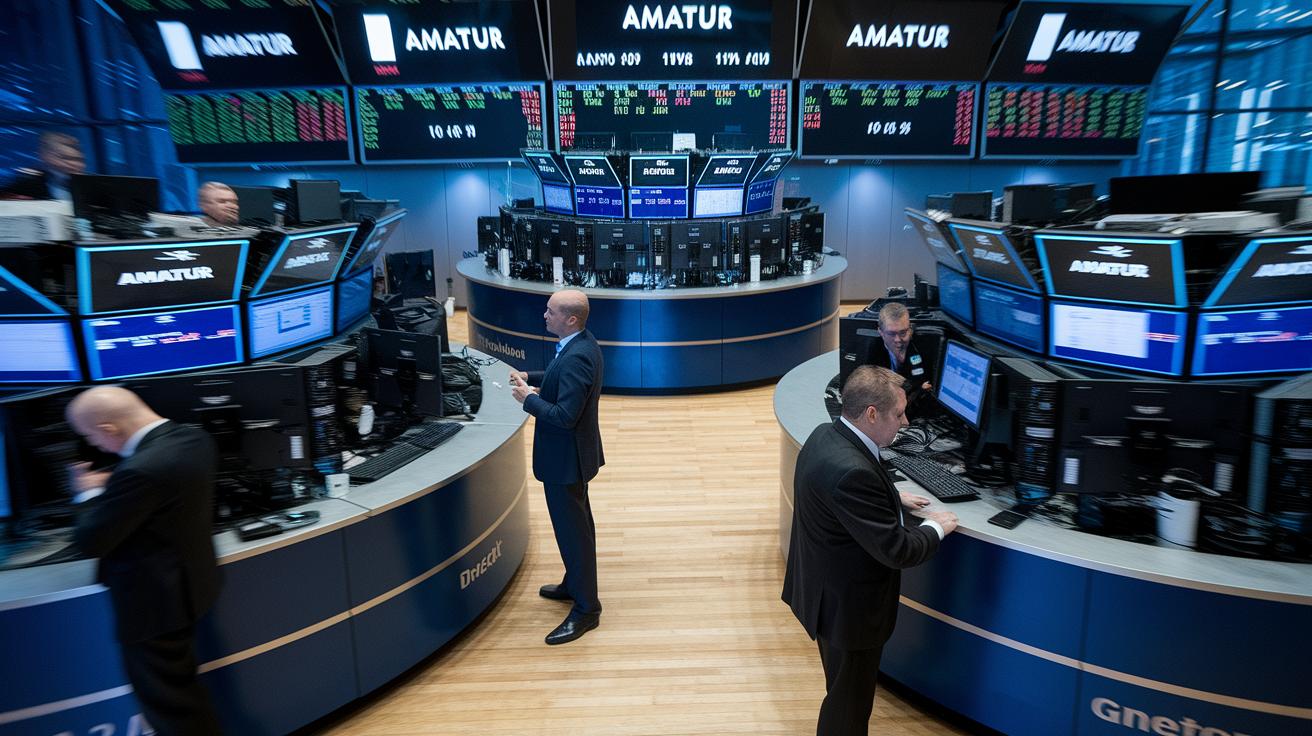
Sometimes, a sudden shortage can cause today's prices to spike above those set for later delivery. Imagine walking into a store and finding that a popular item has run out on a busy day. During the early days of the 2020 pandemic, oil prices soared because supply lines got disrupted by unexpected events. In these moments, buyers pay a premium now, betting that current shortages won’t stick around for long.
Convenience Yield and Storage Costs
Convenience yield is the extra benefit you get when you own the physical product right away. When commodities become scarce, say, during a harsh winter that cuts down oil supplies, the value of having them at hand increases. At the same time, storage costs drop because sellers prefer quick use over long-term holding. This makes near-term contracts more expensive than those set for later, highlighting a market under stress and eager to meet immediate demand.
Backwardation vs Contango in Commodity Markets
Backwardation occurs when the current (spot) price is higher than the price set for future delivery. Imagine reading a report that says, "Crude oil is trading at $70 for immediate delivery, yet its futures are priced lower because of a short-term supply squeeze." In such moments, traders take note: high demand right now is pushing prices up, even if the supply might catch up later.
On the flip side, contango is when the futures price is greater than the spot price, which creates an upward-sloping curve. This usually happens when the costs of storing or financing the asset today outweigh the benefits of owning it immediately. In plain terms, extra expenses today can make future prices look higher than today’s price.
Both backwardation and contango give us quick snapshots of market mood and help with price discovery. Traders watch these cues closely to decide if they should take a position, either to chase profits or to cover against risks.
| Feature | Backwardation | Contango |
|---|---|---|
| Price Relationship | Spot > Futures | Futures > Spot |
| Curve Shape | Downward-sloping | Upward-sloping |
| Common Drivers | Short-run scarcity; high convenience yield | High storage/financing costs; ample supply |
| Market Insight | Indicates high near-term demand | Signals additional cost factors and potential roll losses |
Traders keep a close eye on these trends because they offer valuable insights for making timely decisions in the fast-moving world of commodity markets.
Real-World Examples of Backwardation in Commodity Markets
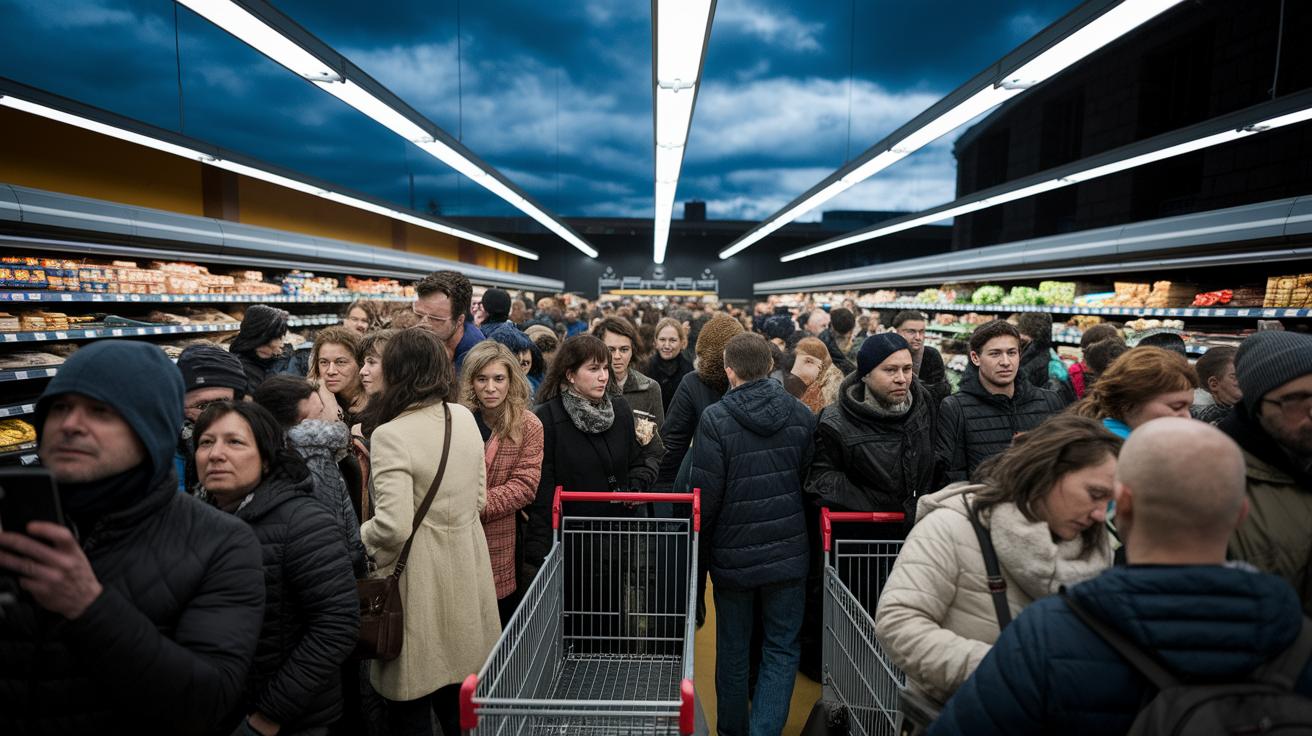
Let’s check out some real-life stories that show how a sudden drop in supply and a rush for products can drive up prices. These examples help us understand why getting something right now can cost more than waiting for a later delivery.
In the second quarter of 2020, the pandemic messed up oil supply chains. Because of that, spot prices jumped up while futures stayed low. It’s like when a big storm hits and everyone rushes to buy essentials, the demand for quick delivery pushed the prices higher for contracts due soon.
In farming, harsh weather like droughts and floods cut corn and wheat supplies by a lot. With fewer crops available right away, buyers paid extra to secure what they needed now instead of waiting for future harvests.
During chilly winter months, natural gas can also show this trend. When storage levels drop fast as people heat their homes, and it takes time to refill supplies, the price for immediate delivery goes up above the futures price. This tells us that the current need is really high.
Trading Strategies in Backwardation Commodity Markets
When the market is in backwardation, one smart move is to sell your commodity at a high current price and then buy futures contracts that cost less. Think of it like locking in a guaranteed profit margin. For instance, imagine you get a premium price right away while securing a lower cost later through futures. This positive roll yield helps you capture the extra spread without taking on a lot of extra risk.
Another solid approach is to use short positions in futures contracts. Producers and consumers often take this route in backwardated markets to secure a good price now and protect themselves from wild shifts in the market. Consider a producer worried about supply shortages, by shorting futures, they can lock in a higher price for future sales. This strategy acts like a safety net, offering steady income stability regardless of what happens next.
A third technique involves calendar spreads, where you trade both near-term and longer-term futures to take advantage of roll yield benefits. Picture this: you sell a contract that's close to expiring and buy one that's further out. If the gap between the current spot price and the futures price shrinks as expected, you can profit from the carry. This method, grounded in traditional ideas about market behavior, lets traders interact actively with short-term positions while keeping risk in check.
Risks and Practical Implications of Backwardation in Commodity Markets

When backwardation takes hold, prices can swing wildly and the space between buy and sell prices gets tighter. This happens because near-term contracts often don't trade as much, which means even a small order can move the price. Imagine placing a stop-loss order only to have it fill at a worse price than expected, it's a clear signal of market depth falling short.
On top of that, no strategy is without its pitfalls. Take roll yield, for example, where you might earn a profit as one contract rolls into the next. That profit can vanish quickly if the market shifts its pricing structure unexpectedly. Even a well-planned calendar spread can suffer losses if the spread doesn't tighten as anticipated.
That’s why managing risk is so important. Traders can use strategies like setting strict limits on position sizes, using stop-loss orders, and running what-if scenarios to gauge potential risks. These methods help with timing market moves and hedging portfolios. By really understanding backwardation and the challenges of limited liquidity, you can better protect yourself and make smarter choices in a volatile market.
Final Words
In the action, we've explored what is backwardation in commodity markets by breaking down how spot prices can exceed futures prices. We saw how supply gaps, storage costs, and market tension create a downward curve that traders can address with practical measures like arbitrage and hedging. We also compared backwardation with contango and discussed risk management techniques to stay safe in volatile times.
Stick with these insights to stay sharp and find opportunities even when markets seem unpredictable.
FAQ
What is backwardation in commodity and futures markets?
The backwardation phenomenon is when a commodity’s spot price exceeds its futures price, reflecting strong current demand relative to future expectations. This indicates that market players value immediate delivery more.
How do backwardation and contango differ?
The difference is that backwardation occurs when spot prices are higher than futures prices, forming a downward-sloping curve, while contango means futures prices exceed spot due to added costs like storage and financing.
What does backwardation in silver indicate?
Backwardation in silver indicates that immediate demand pushes the spot price above future prices, suggesting temporary supply tightness or urgent buying needs in the market.
Is oil usually in contango or backwardation?
Crude oil can trade in either state. Its market conditions shift between contango and backwardation depending on supply, demand, and inventory levels, meaning traders must watch current market dynamics closely.
Is backwardation bullish or bearish and what does it mean for traders?
Backwardation suggests bullish near-term demand and possible scarcity, but it also implies heightened volatility. Traders should use careful strategies to manage the risks associated with such market conditions.