
Have you ever noticed that something can cost more right now than later? That's backwardation in a nutshell. It happens when today's price is higher than the price for future delivery, usually because the current demand is high or the supply is tight.
Imagine it like buying your favorite snack when there’s only a little left, you pay extra for that immediate satisfaction. This idea flips our usual expectations and can open up some neat trading chances.
In this article, we'll chat about backwardation in plain, simple terms. We'll also look at how it might help you catch quick opportunities or protect you if the market suddenly shifts.
Backwardation in Commodity Markets Defined
When we talk about backwardation, we mean that the price for an item right now is higher than the price set for a future delivery. Think of it like paying more for fresh milk today rather than for milk delivered later. It’s that clear moment when you’re willing to pay a little extra just to have something immediately.
This often happens when there’s a strong need for the commodity or when supplies are tight. So, the near-term contracts come with a higher tag, while contracts for later deliveries are cheaper. In contrast, there’s another situation called contango, where future prices are higher because of extra costs like storage and financing.
Here are some simple takeaways about backwardation:
| Key Point | What It Means |
|---|---|
| Spot Premium | You pay more now than you would later. |
| Roll Yield Benefit | Traders can sometimes earn extra returns when they move from one contract to the next as prices move closer together. |
| Market Signal | This trend points to either a high demand right now or a low supply. |
For traders and those managing risk, backwardation is a useful signal. It nudges them to adjust their plans, whether it’s to protect against sudden price drops or to grab a quick opportunity when conditions change.
Market Structure Dynamics Behind Backwardation in Commodity Markets
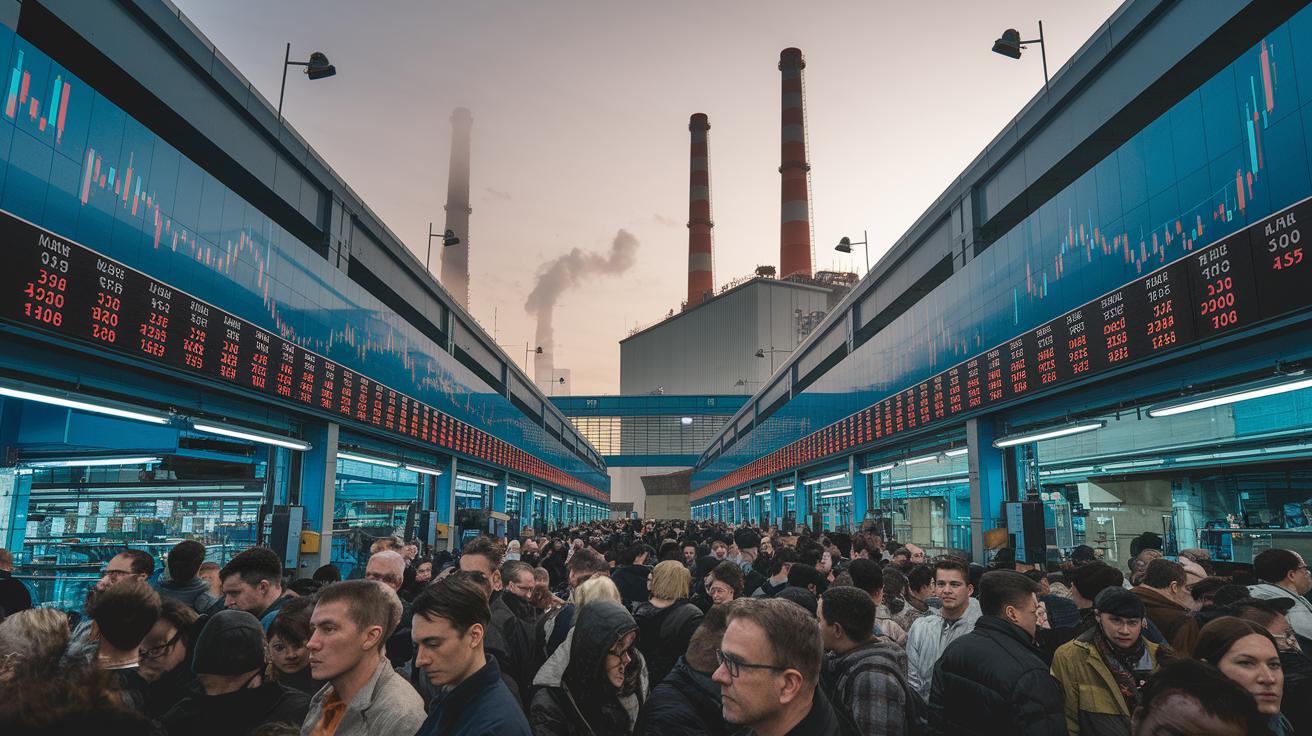
Sometimes, supply and demand just aren’t lining up, which leads to backwardation. When things like geopolitical tensions, bad weather, or production hiccups cut supply short, buyers rush in to get what’s available now. This sudden scramble pushes spot prices higher because everyone wants quick access. Imagine a factory suddenly shutting down, buyers jump in, and the price spikes as a result.
Storage costs, interest rates, and the cost to hold a commodity also play a big part. When storage fees and interest rates are low, holding costs drop. Picture it like paying a small fee today to keep something safe instead of paying more later. This makes traders lean toward near-term deliveries, causing the futures curve to drop even though spot prices stay high because of immediate demand.
The term structure, which shows these holding costs, further shapes the market. When futures prices fall over time, it tells you that getting a commodity right now is seen as more valuable than waiting. This pattern emerges from the mix of today’s needs and the costs involved in storing or financing goods. Understanding this helps traders manage risk and adjust their strategies as the market changes.
Comparing Backwardation vs Contango in Commodity Markets
When you step into the world of commodities, you might run into two very different market moods: backwardation and contango. In backwardation, the price you pay right now, the spot price, is higher than the price set for later delivery because today's demand is super high compared to supply. Think of it like grabbing a hot apple fresh off the tree; you pay a little extra because you want it immediately.
On the flip side, contango shows up when future prices are higher than what you’d pay today. This happens because extra costs, like storage fees or financing expenses, get added into the mix. For instance, if crude oil is selling at $70 per barrel today, the futures price might be bumped up because those holding costs need to be covered.
| Feature | Backwardation | Contango |
|---|---|---|
| Price Relationship | Spot price is higher than futures price | Futures price is higher than spot price |
| Carry Costs | Lower impact, favoring immediate delivery | Higher impact, as costs push futures prices up |
| Market Signal | Shows tight supply or strong immediate demand | Reflects the costs of storage and financing |
For traders and hedgers, understanding these differences is key. Backwardation might open up chances to earn profits in a market that's tight and with lower storage costs, while contango reminds you to factor in holding costs when eyeing long-term positions. Knowing these dynamics can really help you fine-tune your trading strategies, whether you’re aiming to hedge risks or seize the opportunity that comes with price differences over time.
What is Backwardation in Commodity Markets: Gain Clarity

Backwardation happens when the price for an asset today is much higher than its price for future delivery. It usually means that immediate supply is tight while demand is very high. Take the European natural gas market in 2021 as an example. Prices on the TTF futures spiked to nearly €345 per megawatt-hour during a period of urgent need, only to tumble later to about €50 when the situation eased.
Crude oil shows a very similar picture. When things like OPEC cutting output or geopolitical conflicts restrict supply,
Trading Strategies Leveraging Backwardation in Commodity Markets
When you notice backwardation in the market, it opens up some special trading opportunities. This happens when the usual order of futures prices flips, letting traders get creative with their strategies. By using flexible approaches, you can capture what’s known as roll yield, the extra gain from the price differences between contracts, while keeping storage costs low. Imagine buying a near-term contract and then selling one that matures later to earn the difference as their prices start converging. It’s a practical way to work with real supply and demand shifts.
• Near-term vs. Longer-Dated Spread Arbitrage – Think of it like buying today’s produce at a higher price and agreeing to deliver later at a lower price. You end up earning the difference as the market sorts itself out.
• Calendar Spread Execution – This strategy means holding both a long and a short position in contracts that expire on different dates. It’s a handy way to manage risk and secure steady gains.
• Earning Roll Yield While Lowering Costs – Picture it as a relay race where you smoothly move from one contract to the next, reaping benefits without the burden of high storage fees.
However, every strategy comes with its own set of risks. For instance, sometimes older or front contracts may not have a lot of trading activity, which can make executing trades a bit tricky. Rapid price swings might trigger margin calls, meaning you could quickly need extra funds to keep your positions open. Even a well-planned strategy can lose a bit of profit due to small delays or slight price differences when trades are carried out.
At the end of the day, managing risk is key. While trading in backwardation offers exciting possibilities, being prepared for the market’s ups and downs ensures you stay on solid ground during volatile times.
Implications of Backwardation for Hedgers and Speculators in Commodity Markets
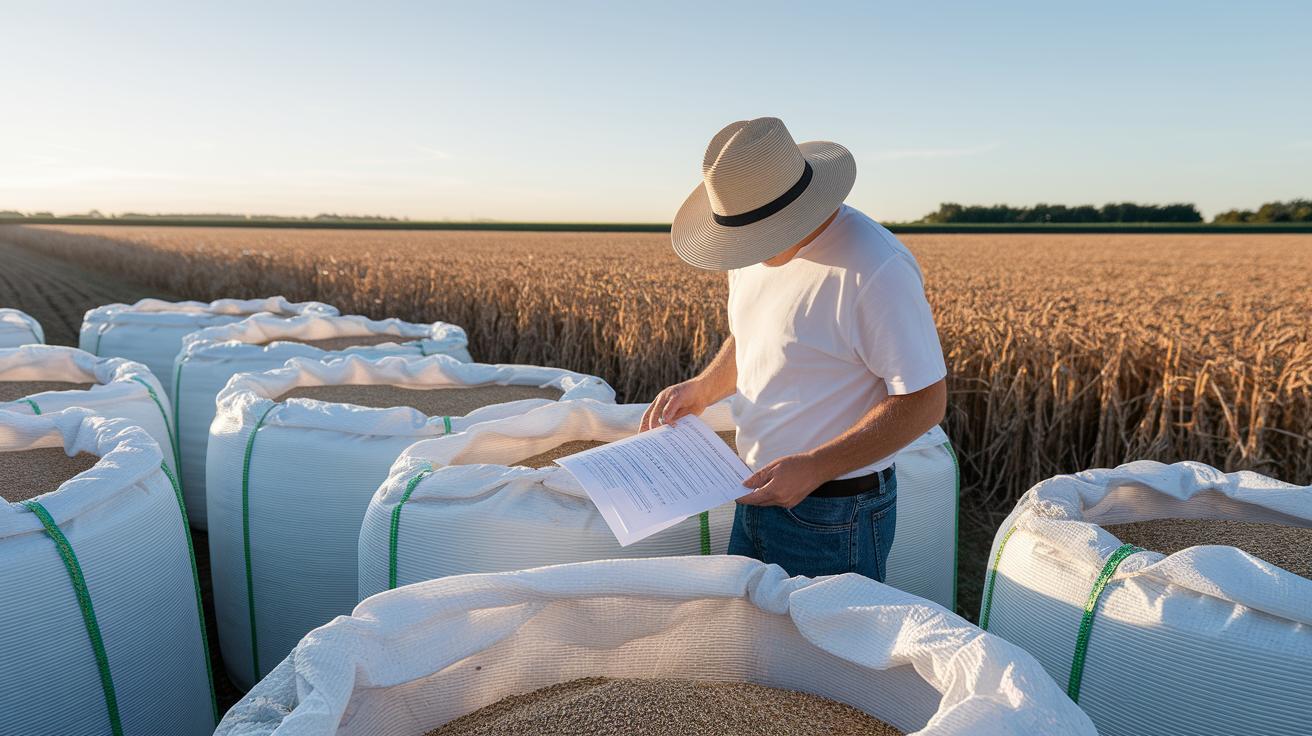
Hedgers choose to lock in lower future prices so they can plan their budgets and keep expenses steady. For instance, a grain producer might sign a contract at a lower rate to avoid unexpected price spikes. This helps smooth out the cost of buying supplies.
Speculators, on the other hand, try to earn extra profit called roll yield. They do this by buying contracts that are set to expire soon, betting that the price difference between today’s market (spot) and the future price will shrink. It’s a bit like buying a ticket early for a game you know is going to be a big event.
Market players also have to deal with other risks, like the chance of receiving a margin call or facing tighter trading conditions when there isn’t as much cash available. By checking how much it costs to hold onto an asset (the cost-of-carry), traders adjust their strategies. They weigh the benefit of needing less storage against the challenges that come with lower liquidity.
Monitoring and Identifying Backwardation Signals in Commodity Futures Markets
Keeping an eye on the market’s pulse can help you catch signs of backwardation early. Backwardation happens when contracts for immediate delivery cost more than those set for later. In short, the demand now is stronger than the demand later. By following the changes in how many contracts are open and the trading volume at different dates, you get hints about shifting market moods. It’s like noticing a busy checkout line at the store, it tells you something big is going on.
When you see a widening gap between near-term and later contracts, it might show that traders are scrambling for quick delivery. Recognizing these shifts can guide you to make smarter choices and better manage risk. Have you ever felt the thrill of catching a sudden market shift? That's the kind of insight we’re talking about.
- Front-month vs. second-month futures price spread: If today's contracts cost noticeably more than those for next month, it’s a sign that current demand is really strong.
- Changes in open interest across contract maturities: Whether you see a sharp rise or drop in the number of active contracts, it reflects a change in market sentiment.
- Daily volume ratio between near-term and later contracts: A boost in trading activity for near-term deals shows that the market is buzzing right now.
- Carry trade yield computations: Comparing yields helps you see if holding a position is cost-efficient.
- Term-structure slope analysis: When the slope of the futures curve trends downward, it’s a clear indicator of backwardation.
Future Outlook and Trends in Backwardation for Global Commodity Markets
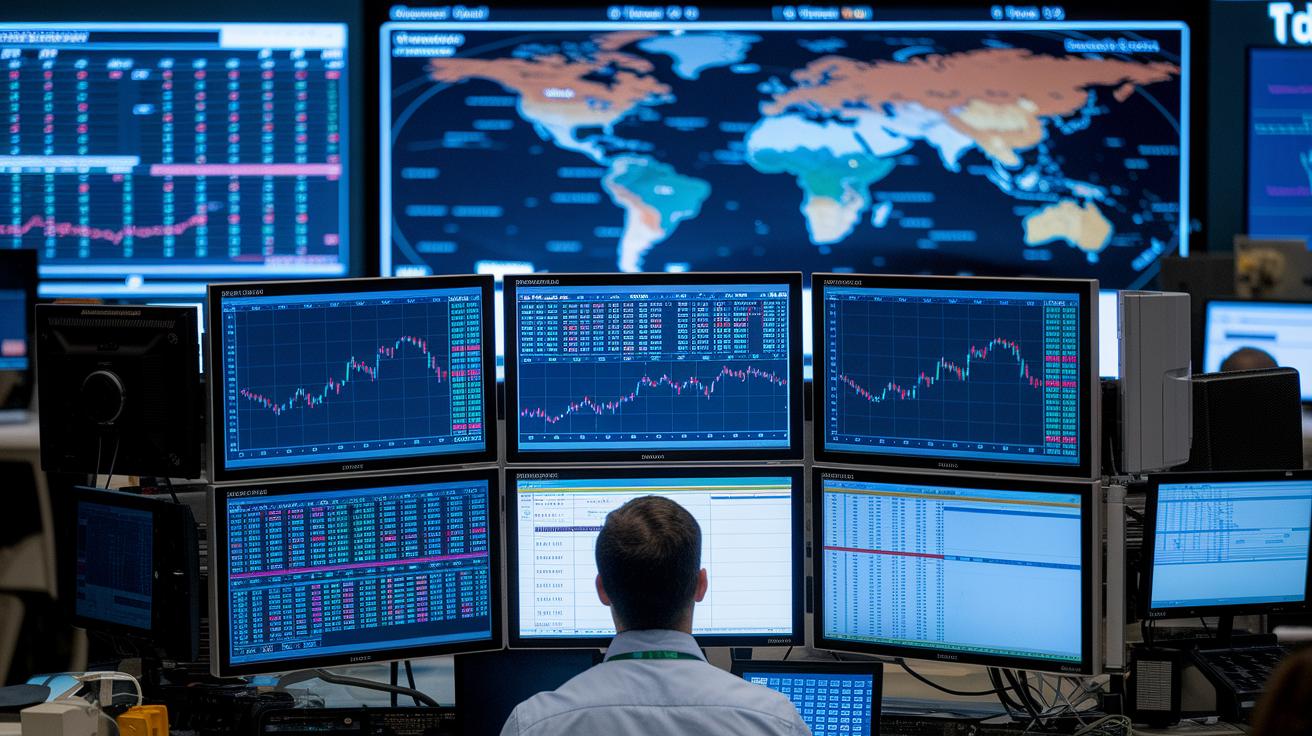
In the near future, policy shifts, global economic challenges, and seasonal changes are all set to play a big part in how backwardation evolves. Think about it: extreme weather or climate events, changes in OPEC's strategy, and rising geopolitical tensions could spark sudden price jumps as markets react to uncertainty. Inflation and central bank rate moves also matter because they affect the extra cost of holding commodities. And don’t forget, seasonal trends in agricultural and energy markets often offer clearer hints about current demand versus future supply.
Traders can keep things simple by watching a few key numbers. For example, tracking changes in the slope of the futures term-structure can reveal shifts in market mood. Also, paying attention to variations in open interest and trading volumes across different contract dates might signal unexpected demand surges. And when the cost-of-carry changes, especially during rough economic spells, it’s a good clue about where prices might go next. All these indicators together help form a clear picture of what the market may do in the coming quarters.
Final Words
In the action, this article broke down the core ideas behind backwardation, showing how the spot price can exceed futures value while comparing it with contango. It explored market signals, real-life examples, strategic trading approaches, and risk management tips. Key features like the spot premium, roll yield benefit, and market signal help illustrate what is backwardation in commodity markets. The insights provided empower traders to rethink their approach while keeping their investments secure and forward-focused. Stay positive and keep learning for a stronger financial future.