
Have you ever realized that your trading platform might be the secret behind your success? Picking the right online tool can make placing orders feel as simple as taking an easy flight.
In our review, we looked closely at top choices like Charles Schwab and Robinhood. We checked out their fees, how easy they are to use, and their safety features.
By zeroing in on the things that really matter, we show how the perfect platform can fire up your trading moves and boost your confidence along the way.
Trading Platforms: How to Choose the Best Platform for Your Trading Goals
Trading platforms are online systems where you make trades and manage your investments. It’s important to pick one that fits your trading style, whether you’re into quick day trades or planning for a long-term strategy. Think of it like using a friendly pilot console that makes handling your orders smooth and simple.
We took a fresh look on June 2, 2025, checking over 50 key points for each platform. This careful review helped us rank top choices like SoFi Active Invest, Charles Schwab, Fidelity, Webull, Interactive Brokers (IBKR), E*TRADE, eToro, Robinhood, Merrill Edge, SogoTrade, and TradeStation. For instance, SoFi Active Invest grabs attention with its 1% IRA match. Many popular platforms now offer no-fee stock trades and usually charge around $0.60 for each options contract. We built our review on verified data, so whether you’re just starting out or need advanced tools, you can trust this information.
Here are some key factors to consider when choosing your trading platform:
| Factor | What It Means |
|---|---|
| Commission rates | How much you pay per trade |
| User interface quality | How easy and clear the platform is to use |
| Security protocols | How well your money and data are protected |
| Asset coverage | The variety of stocks, bonds, and other investments available |
| Mobile and cross-device access | How well you can trade on your phone or tablet |
| Customer support options | The help you get when you run into problems |
| Availability of demo or simulation accounts | A practice mode to learn without risking real money |
By considering these points, you can match a platform’s strengths with your own trading style. Whether you’re a seasoned trader looking for complex order types or a newcomer who wants to test the waters with a demo account, comparing these features can help you pick the platform that suits you best.
Feature Comparison of Leading Trading Platforms

Today's trading platforms pack a mix of cool features. They offer advanced charting tools that help you see market trends clearly, fully automated order execution to act on the right moments, easy API connections for custom setups, and solid risk management tools to keep you protected.
These systems let you study market trends with simple, clear charts, place orders automatically when conditions are right, and even run your own custom strategies. They also include monitoring tools so you can keep an eye on your trades and manage your overall exposure.
Below is a table that shows how six top platforms stack up on key features:
| Platform | Advanced Charting | Automated Execution | API Access | Risk Tools | Pricing |
|---|---|---|---|---|---|
| Interactive Brokers (IBKR Pro) | Ultra-high resolution charts | Fully automated orders | Extensive API | Comprehensive metrics | Fractions of a penny per share |
| Charles Schwab | Robust real-time charts | Automated trade support | Limited API | Standard features | Competitive |
| Fidelity | Precise chart modules | Conditional orders | Yes | Advanced filters | Low commission |
| SoFi Active Invest | Intuitive visuals | Simple automation | Basic API | Core alerts | Affordable |
| Webull | Interactive charts | Quick execution | Yes | Enhanced tools | Cost-effective |
| TradeStation | Dynamic charting | High automation | Full API suite | Advanced controls | Bulk discounts |
Here are a few extra perks you might enjoy:
- Smart order algorithms help you get the best price.
- Custom script support via API lets you tailor your trading.
- Multi-window, multi-asset dashboards make it easy to keep track of everything.
If you're looking for great value, Interactive Brokers earns a special shout-out with its competitive pricing and extensive API features perfect for developers wanting custom strategies. And if speed is your thing, both TradeStation and Webull offer dynamic charts and automated tools, which can really make a difference. In truth, each platform brings its own strengths, whether it's detailed visuals or smooth order execution, to fit various trading styles and goals.
Trading Platforms Fee Breakdown: Commissions, Spreads, and Hidden Costs
It’s smart to know exactly what fees you'll pay with each trade. When fees are clearly explained, you can plan better and steer clear of any surprises that might cut into your profits. This clear view lets you compare trading platforms side-by-side and pick one that fits both your style and budget.
Fees you might see include:
- Stock trade commissions (often $0)
- Options contract fees (about $0.60 each)
- Margin interest rates
- Withdrawal or transfer fees
- Inactivity or account maintenance fees
| Fee Type | Typical Cost | Affected Platforms |
|---|---|---|
| Stock Trade Commissions | $0 | Most major platforms |
| Options Contract Fees | $0.60 per contract | Nearly all brokers |
| Withdrawal/Transfer Fees | Varies | Selected providers |
Fees are a major piece of your overall trading game. Even small differences in fee structures can add up over time with frequent trades. By understanding the detailed cost breakdown, you can tweak your trading habits, pick platforms with fewer hidden costs, and boost your overall returns.
User Experience Evaluation of Trading Platforms
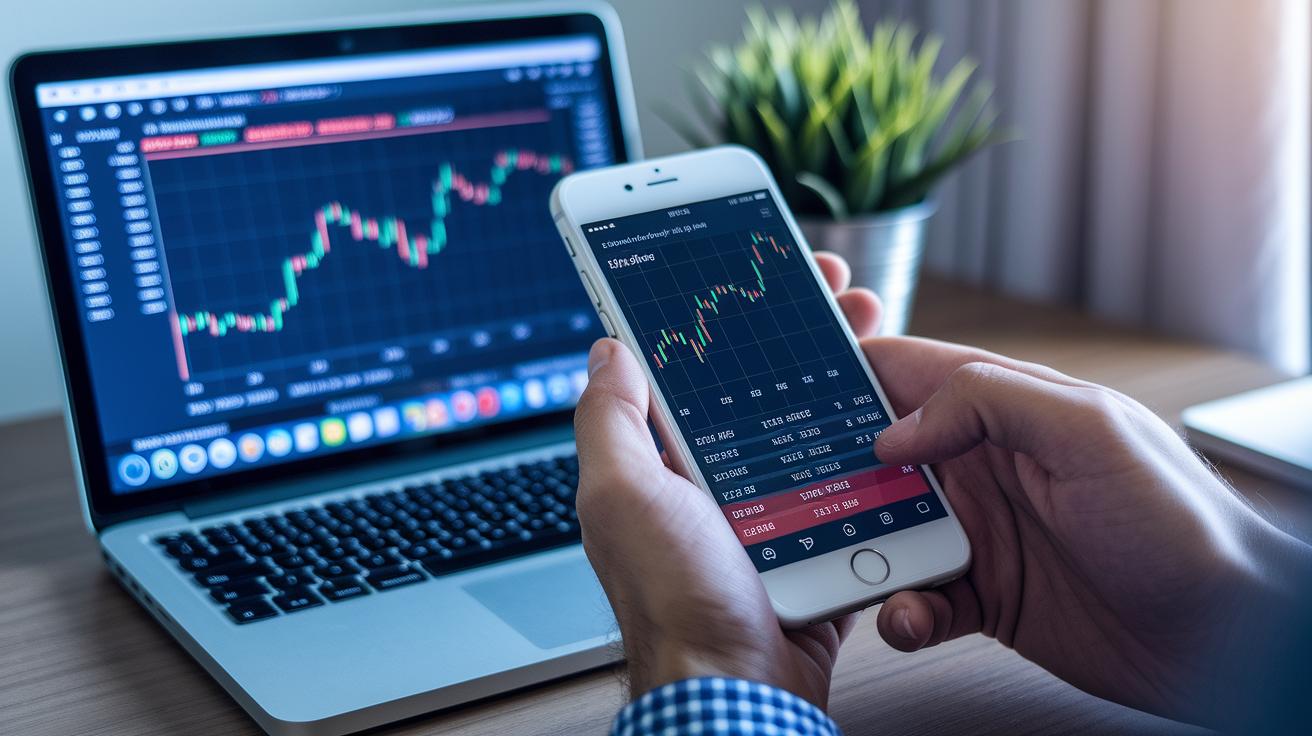
When you’re trading, having a fast, reliable mobile app is a must. You need platforms that load quickly and run smoothly on your phone or tablet. Quick loading times and almost no downtime let you react instantly when the market shifts. A great app blends real-time data with easy controls so that placing orders feels natural. And a dashboard that you can tailor to your own style really makes a difference. That’s why we focused on these important points in our tests:
- How fast the app loads and how little downtime it has
- How quickly real-time charts update
- How simple it is to place and adjust orders
- How much you can personalize your dashboard
- How well the app keeps your session active across different devices
We put both iOS and Android apps through their paces to check for smooth performance, quick order processing, and dependable charts. For example, Webull stood out with super-fast chart updates that make tracking rapid market moves a breeze. And Fidelity impressed us with its clean, uncluttered design that keeps everything easy to find. These results show that even small differences in how a platform looks and works can seriously boost your trading experience.
Security and Compliance in Trading Platforms
The best trading platforms work hard to protect your money. They use smart tricks like encrypting your data (which means your information is scrambled so only trusted folks can read it) and asking for extra logins with two steps or even a fingerprint check. This keeps your data safe when it's moving or even while it’s sitting in storage.
They don’t stop there. For instance, you might see features like:
- Encryption when your data is traveling and when it’s stored
- Two-factor or fingerprint logins
- Extra insurance protection similar to SIPC or FDIC
- Regular check-ups to make sure they follow rules set by groups like SEC or FINRA
Lately, more rules from big regulators are pushing platforms to get even stronger. Providers now face frequent audits and deep security reviews to stick to important guidelines. This means they build tougher defenses against hackers, giving you a sense of calm when you trade. As the rules get stricter and new tech comes in, trading platforms keep updating their security steps, making sure every trader feels safe every time they log in.
Market Access and Asset Coverage on Trading Platforms

Leading trading platforms usually offer a core mix of stocks, ETFs, and options. These familiar tools give you a straightforward way to watch market trends. With a solid base in equities, you can easily track price movements and analyze option premiums as part of your trading strategy.
Some platforms now go beyond basic stocks by adding forex and cryptocurrency trading. Have you ever tried stepping into the world of digital assets? Forex tools offer live currency prices and clear charts to catch global moves, while crypto analysis tools help manage the ups and downs of volatile coins. And sometimes, you even get social trading features that let you connect with others and work across different currencies.
| Asset Class | Available Platforms | Key Features |
|---|---|---|
| Stocks | Fidelity, Charles Schwab | Real-time pricing, extensive research tools |
| ETFs | Interactive Brokers, Webull | Low fees, broad market access |
| Options | Interactive Brokers, TradeStation | Low commissions, advanced analytics |
| Forex | eToro, Interactive Brokers | Robust trading interface, live currency rates |
| Cryptocurrencies | Webull, eToro | Integrated social feeds, cutting-edge analysis |
When you trade internationally, there are special rules and margin requirements to keep in mind. Some platforms include global market insights (check out https://tradewiselly.com?p=290) to help you navigate new territories. Also, FINRA’s day trading guidelines say you need at least $25,000 in your account. With support for multiple currencies, you can adjust your strategies to fit different financial environments and meet your diverse economic goals.
Customer Support and Educational Resources on Trading Platforms
When you're trading, having a reliable support team and easy-to-understand learning tools can really boost your confidence. Great trading platforms know that the ups and downs of the market can be confusing. That’s why they provide quick help, like chatting with a friend who’s got your back, and clear educational resources to guide you along the way.
Imagine having a safe space to practice with a demo account, where you can learn without worrying about losses. Many top platforms also offer online forums where you can share ideas and tips with fellow traders. It’s like having a community of friends who help you figure out what the market is really doing.
These support tools are not only good for solving problems on the spot. They also give you the knowledge to understand tough market shifts. With resources like webinars, easy-to-follow videos, interactive courses, and quizzes, you can get a real feel for how trading works. Plus, live news and data feeds make sure you’re always in the loop.
- Live chat and email support
- Phone assistance
- Webinars and tutorial videos
- Interactive courses and quizzes
- Demo/paper-trading environments
- Integrated live news and data feeds
When robust customer support meets a mix of engaging educational tools, you’re set up to sharpen your skills and make smart, confident trading decisions.
Final Words
In the action, we reviewed how to match platform features with your trading goals, examined fee structures, and highlighted advanced tools that help manage risk and secure your investments.
We broke down key points like usability, market depth, and solid customer support. This insight equips you to choose trading platforms that fit your style and keep you ahead in the market. Enjoy the confidence of informed trading and keep your focus on smart, secure moves.
FAQ
Q: What are the top trading platforms available?
A: The top trading platforms available combine competitive pricing, robust analysis tools, and broad asset coverage. In recent rankings, major names like SoFi, Schwab, IBKR, and others stand out for offering zero commissions and strong research features.
Q: Which trading platforms are best for beginners?
A: Trading platforms best for beginners provide simple, clear interfaces, step-by-step guides, and demo account access. They focus on low fees and educational resources to build confidence among new traders quickly.
Q: What options are available for free trading platforms?
A: Free trading platforms offer commission-free stock trades and basic tools with demo accounts so traders can practice without incurring costs. Some may charge for options or premium features but remain accessible for most users.
Q: Which trading platforms cater to forex trading?
A: Forex trading platforms cater to currency trades by offering real-time charts, fast order execution, and competitive spreads. These platforms focus on liquidity and market efficiency essential for a smooth forex trading experience.
Q: Is Robinhood a reliable trading platform?
A: Robinhood is recognized for its easy-to-use design and commission-free trading. It appeals to beginners with its straightforward tools, yet its limited advanced features may prompt experienced traders to explore other platforms.
Q: What is the best day trading app?
A: The best day trading apps prioritize rapid order execution, customizable alerts, and real-time market data. They are built for fast-paced trades, ensuring traders can react promptly to market shifts and manage multiple asset classes on the go.