
Ever wonder if managing your money could be as simple as following a favorite recipe? Only 36% of Americans write down their financial plans, which means many people might miss a few key steps on the road to success.
Personal financial tools mix tracking, planning, and smart goal-setting into one easy system. Think of it as having a friendly helper by your side, trimming extra costs and lining up your savings.
Keep reading to discover how smart budgeting can reshape your spending habits and bring clarity to every dollar you earn.
personal financial tools: Spark Smart Budgeting
Managing your money doesn't have to be a headache. Personal finance tools help you track your daily spending, plan for big goals, and keep your money matters neat and simple. Even though only 36% of Americans write down their money plans, using these handy tools can really fill that gap.
When you pick the right tool, you can set clear goals and switch up your strategies as your money situation changes. They not only record every transaction you make but also show you how each part of your budget fits together.
• Budgeting solutions
• Expense tracking systems
• Investment portfolio trackers
• Retirement planning software
• Debt reduction tools
Think of it like assembling a well-balanced meal. Budgeting solutions help you plan your daily and monthly spending, so you know where every dollar goes. Expense tracking systems note every purchase, giving you a clear picture of your spending habits. Investment trackers let you keep an eye on your investments in real time, ensuring your money works as hard as you do. Retirement planning software makes it easy to see your future by balancing projections and what-if scenarios. Meanwhile, debt reduction tools offer smart strategies, like the snowball or avalanche methods, to help cut down what you owe. Together, these tools build a strong, flexible strategy that adjusts to little changes or big life shifts, empowering you to move confidently toward financial stability and growth.
Criteria for Choosing Personal Finance Tools
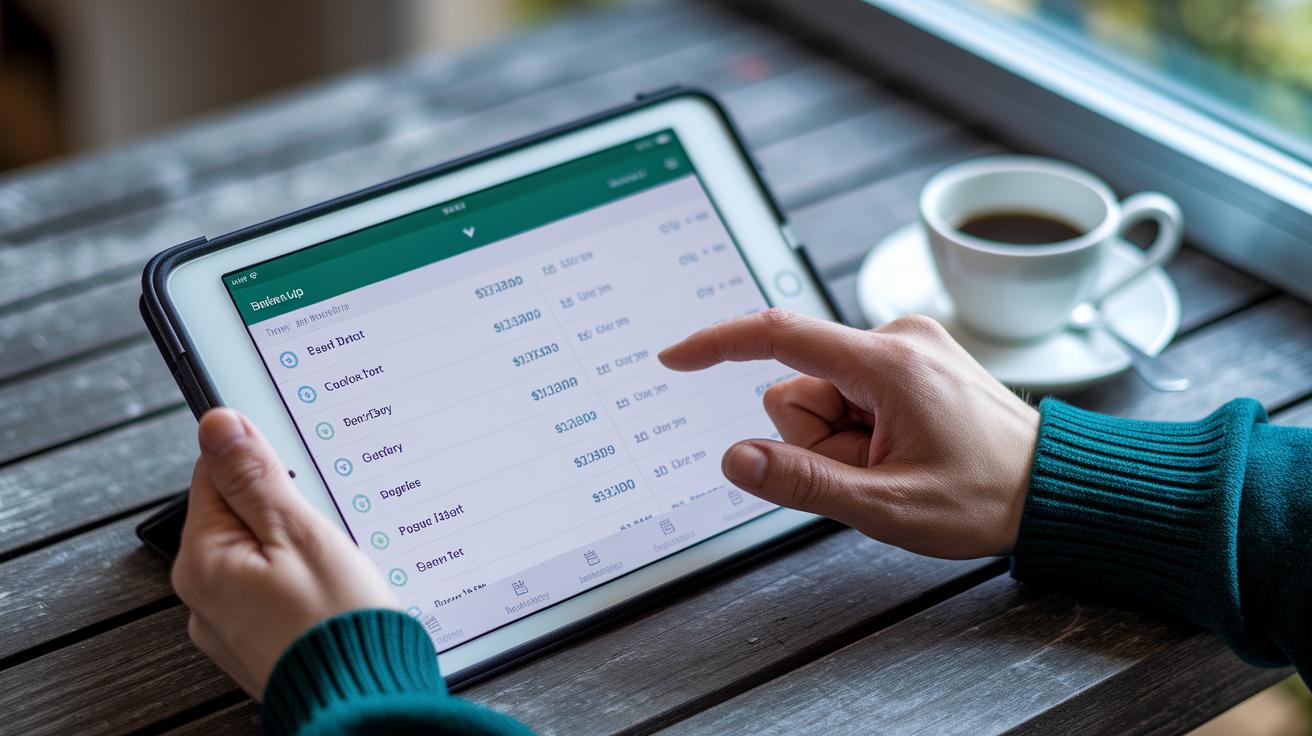
When picking a tool to manage your money, its cost and clear design really matter. Some tools let you use them for free, while others ask for a monthly fee. A simple layout makes it easy to see your spending and watch your savings grow. For example, a neat online organizer helps you find what you need without any clutter.
Another key aspect is automation. Tools that connect directly with your bank update your transactions automatically and even sort them for you. You also get real-time notifications, so you know right away if you’re getting close to your spending limits. Imagine setting a rule like keeping your housing costs around 28% of your income, and letting the tool balance your other expenses for you.
Security is just as important. Look for tools that protect your login and data with encryption. A clear dashboard that shows your savings progress and trends keeps you focused on your goals. Plus, mobile support means you can check your finances anytime, anywhere, giving you the flexibility to stay in control in today’s fast-paced world.
Comparing Top Budgeting Solutions and Expense Tracking Systems
Budgeting tools and expense trackers come in many different forms, each with its own set of features. Some let you set up your spending categories just how you like them, sort your transactions right away, and even warn you if you're about to overspend. Others focus on linking up automatically with your bank accounts, so you don't have to type in everything manually. It’s kind of like having a little helper that keeps an eye on your daily spending.
Then there are apps that range from simple mobile spend trackers to advanced cloud-based platforms that let everyone in your household share the budget. Whether you’re tracking your own spending or working together on a family budget, the right mix of price, a clean user interface, and smart automation can really change up how you handle your money.
| Tool Name | Pricing | Platform | Key Features |
|---|---|---|---|
| Mint | Free (with premium options) | Web, Android, iOS | Auto-sync, customizable categorization, overspending alerts |
| YNAB | Subscription-based | Web, Android, iOS | Goal-oriented budgeting, real-time tracking, flexible categories |
| PocketGuard | Free tier available | Android, iOS | Automatic expense categorization, bank sync, spending cap alerts |
| EveryDollar | Freemium model | Web, Android, iOS | Simple tracking, intuitive interface, adjustable categories |
Picking the right tool is all about finding the best balance between what you pay, how easy it is to use, and how much work the app does for you. Think about whether it connects with your bank without a hitch, how simple it is to update your spending categories, and if it gives you a heads-up before you go over budget. Reviews from people you trust can also help you decide which app fits best with your money habits.
Secure Money Management Software Platforms
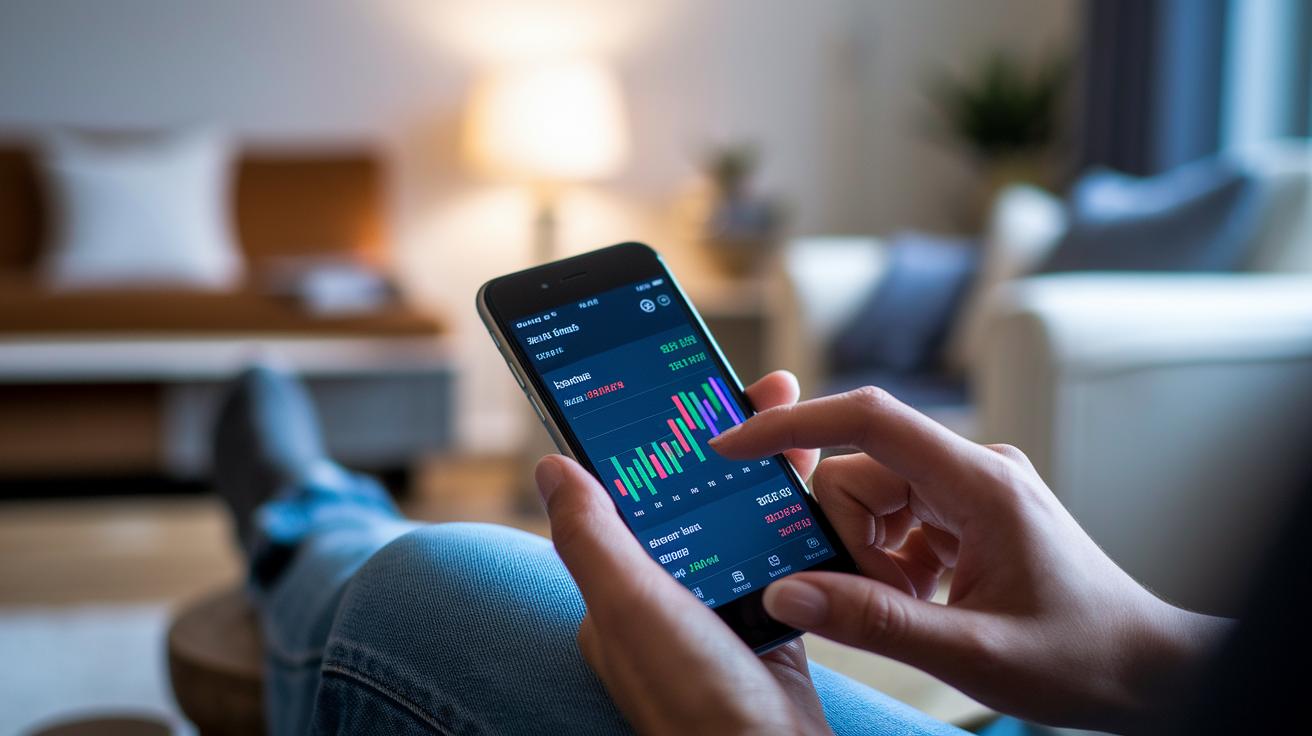
Modern money management tools use smart security measures to keep your money safe. They scramble your data, whether it’s moving around or stored away, so even if someone intercepts it, they can’t read it. For example, using a fingerprint scan during login feels like having a personal guard keeping an eye on your account.
Many platforms check their own systems all the time. They run regular security tests and send alerts if something seems off. This careful checking helps catch risks early, giving you peace of mind that your money is protected 24/7.
Plus, you get to control who sees your details. With secure cloud sync and regular privacy checks, the platform makes sure your information is only shared the way you want. In truth, all these steps work together like a safety net to keep your sensitive details secure at every stage.
Automating Finances with Digital Finance Planners and Calculators
Imagine having a tool that handles your bills without you always worrying about dates and due amounts. Modern digital finance planners set up auto-bill payments for you, reducing those tedious manual tasks. They also show you a clear picture of money coming in and going out, so you never face a nasty surprise with your budget.
These tools come with built-in savings estimators and goal trackers to help you build your emergency fund or plan for that dream vacation. You see interactive dashboards update in real time, acting like a friendly nudge that keeps you motivated toward your savings goals. It’s like watching your progress on a fitness tracker, but for your finances.
What’s really neat is how easily this software connects with your bank. It sorts and categorizes every transaction automatically, letting you focus on making smart financial decisions rather than getting lost in the details. This hands-off approach not only saves you time but also cuts down on errors.
Plus, the automation sends you friendly reminders about upcoming bills and low balance alerts. These alerts help you steer clear of late fees and keep your finances in check. In short, these digital planners lift a huge weight off your shoulders, letting you enjoy the bigger picture of a secure financial future.
Tracking Wealth and Investments with Portfolio Analysis Tools

Watching your investments is a smart way to grow and protect your wealth. Portfolio analysis tools give you a clear look at your asset values, performance charts, and where your money is spread out. They help you see trends and decide when it might be time to balance your portfolio.
Automated Portfolio Trackers
These subscription services link directly with your brokerage accounts, so you get up-to-date info on your holdings. They even send you alerts when your asset mix changes and suggest adjustments. It’s like having a financial buddy who keeps an eye on everything, making sure your strategy stays on track without you needing to check in all the time.
DIY Spreadsheet Templates
If you like taking a hands-on approach, customizable Excel or Google Sheet templates can be very handy. You punch in your numbers and create your own charts that show how your investments are doing. This method gives you complete control over your tracking process and lets you make it just the way you want, all while keeping costs low if you don’t mind a bit of manual work.
Robo-Advisor Dashboards
Robo-advisor dashboards mix smart automation with some expert advice. They offer features like goal-based rebalancing and tax-loss harvesting (a way to use investment losses to lower taxes) to boost your portfolio’s performance. These dashboards adjust your investments based on market shifts and help strike a balance between managing things yourself and relying on tech. It’s a good option if you want to save time while staying on top of your long-term financial plans.
Each method comes with its own benefits. DIY spreadsheets let you customize every detail and learn more about your money, while automated trackers and robo-advisors save you time by offering useful tips and updates. Think about how involved you want to be and how comfortable you are with technology when choosing the right tool for you.
Retirement Planning Software and Debt Reduction Tools
Ever wondered if planning for your retirement could be as simple as tweaking a few numbers? Retirement planning software offers helpful tools like nest-egg projections (a look at how your savings might grow) and scenario testing. You can change details like your contribution amount or the age you plan to retire, and the software instantly shows you different outcomes. It’s like seeing a clear snapshot of your financial future, which helps you decide on the best path toward your long-term goals.
Some platforms go a step further by adding Social Security estimators and tax-impact calculators. In simple terms, these tools break down how changes in your income or timing might affect your benefits. They let you explore what happens if you claim Social Security earlier or later, or if you adjust your contributions. With this kind of insight, you can fine-tune your plan to avoid tax pitfalls and get the most out of your future payouts.
On top of that, there are debt reduction tools that work hand in hand with these planning features. They use methods like the snowball approach, where you pay off the smallest debts first, or the avalanche method, tackling the highest interest debts first. As your debt goes down, these tools adjust your repayment schedule and help you direct any extra money towards reducing what you owe. They even suggest limits on housing costs, like keeping it near 28% of your income, which helps keep your overall spending in check.
Some money management software even brings everything together in one easy-to-use dashboard. You can monitor how your savings are growing while keeping a close eye on your debt reduction progress. This unified view makes it simple to decide when to put extra money into your nest egg or when to focus on knocking down those outstanding balances.
Final Words
In the action, we broke down key categories like budgeting, expense tracking, investment monitoring, retirement planning, and debt reduction. We reviewed simple selection tips, from cost to automation, and compared popular tools to highlight unique features. We also touched on security practices and the ease of automating tasks and monitoring wealth. Each section builds a clear path toward smarter, secure money handling. Embracing these strategies with solid personal financial tools can pave the way for confident, well-informed decisions.
FAQ
Frequently Asked Questions
What is the best personal finance tool?
The best personal finance tool means one that offers budgeting, expense tracking, and automated syncing with your bank accounts to simplify money management.
What are the 5 main areas of personal finance?
The 5 main areas of personal finance include budgeting, saving, investing, debt management, and insurance, each addressing a core aspect of managing your money.
What is a personal financial management tool?
A personal financial management tool is software that tracks income and expenses, sets budgets, and monitors progress toward your financial goals for clearer money insights.
What are the 7 steps in personal finance?
The 7 steps in personal finance typically start with setting financial goals, tracking spending, creating a budget, saving, investing, managing debts, and reviewing your progress regularly.
Are there free personal finance tools available?
Free personal finance tools exist that offer basic budgeting, expense tracking, and goal monitoring features, helping you manage your money without initial costs.
What about Microsoft personal finance software free download?
Microsoft personal finance software free downloads are uncommon today; you might find alternative free tools that provide modern features and up-to-date security.
Is there a free financial advisor near me?
Free financial advisors can be accessed through local community programs and non-profit initiatives that offer guidance on managing your money without charge.
How do QuickBooks and Quicken compare for personal use?
QuickBooks for personal use is more oriented toward small business expense management, while Quicken offers detailed personal finance tracking tailored to individual budgeting needs.
Are there free financial planning tools for individuals?
Yes, free financial planning tools for individuals are available and typically include features like budgeting, expense tracking, and goal setting to help streamline your financial management.